Key Takeaways
- Effective addiction recovery does not require adherence to any specific religion or belief in a traditional God.
- SMART Recovery uses cognitive-behavioral and motivational tools in a science-based, self-empowerment framework.
- Secular AA and agnostic 12-step groups offer the community benefits of AA without theistic requirements.
- LifeRing Secular Recovery provides a completely non-religious peer support model focused on personal agency.
- Holistic practices including yoga, nature therapy, and creative expression can provide spiritual fulfillment without religion.
- Trust SoCal in Fountain Valley offers individualized treatment that respects each client's spiritual perspective and preferences.
Why Non-Religious Recovery Options Matter
For the growing number of Americans who identify as spiritual but not religious, agnostic, atheist, or simply unaffiliated with any religious tradition, the prospect of entering addiction treatment can raise significant concerns about religious pressure and spiritual compatibility. When the most visible recovery programs, including Alcoholics Anonymous and many faith-based treatment centers, foreground God, prayer, and religious community, individuals outside these traditions may wonder whether effective recovery is possible for them.
The answer is an emphatic yes. While faith-based approaches are valuable and effective for many people, they are far from the only path to lasting sobriety. A diverse ecosystem of non-religious and alternative spiritual recovery options has emerged over the past several decades, offering evidence-based, community-supported approaches that honor individual beliefs while providing the structure and support needed for sustained recovery.
At Trust SoCal in Fountain Valley, we recognize that spiritual diversity is a reality among our clients, and we are committed to providing treatment that respects and supports each individual's unique worldview. Whether a client is deeply religious, spiritual but not religious, agnostic, or atheist, our treatment programming is designed to meet them where they are and support their recovery without imposing any specific set of beliefs.
According to Pew Research, nearly 30% of Americans identify as religiously unaffiliated, including atheists, agnostics, and those who describe their religion as nothing in particular. This population deserves recovery options that align with their worldview, and fortunately, many such options now exist.
The Rise of Secular and Non-Religious Recovery
The secular recovery movement has grown significantly over the past two decades, driven by increasing religious disaffiliation in the general population and growing recognition within the treatment field that one-size-fits-all approaches to spirituality in recovery are neither effective nor ethical.
- SMART Recovery has grown from a small program to over 3,000 weekly meetings worldwide since its founding in 1994
- Secular AA groups have proliferated, with dedicated websites, conventions, and resources for non-theistic members
- LifeRing Secular Recovery provides a completely religion-free peer support model in over 100 cities
- Research supports the effectiveness of secular recovery approaches for individuals who do not identify with religious programs
Spirituality Without Religion
Many individuals in recovery discover a sense of spirituality that is not tied to any organized religion. This secular or naturalistic spirituality might involve a sense of awe at nature, connection to humanity, commitment to personal values, or engagement with practices like meditation, yoga, or creative expression.
- Spirituality can be understood as a sense of meaning, connection, and transcendence without reference to a deity
- Nature-based spiritual experiences are increasingly recognized as beneficial for mental health and recovery
- Philosophical frameworks such as Stoicism, existentialism, and humanism offer meaning-making without religion
- Creative practices including art, music, and writing can provide spiritual fulfillment and emotional processing
The Importance of Choice in Recovery
Research consistently shows that treatment engagement and outcomes improve when individuals feel that their beliefs and preferences are respected. Offering a range of spiritual and non-religious options increases the likelihood that each person will find an approach that resonates with them and sustains their recovery.
- Autonomy and self-determination are key factors in treatment engagement and motivation
- Individuals who feel coerced into religious activities may disengage from treatment entirely
- Matching treatment approach to individual values and preferences improves long-term outcomes
- Trust SoCal respects client autonomy in spiritual matters and offers multiple pathways to recovery
SMART Recovery: Science-Based Self-Empowerment
SMART Recovery, which stands for Self-Management and Recovery Training, is one of the most established and widely available secular recovery programs. Founded in 1994, SMART Recovery offers a science-based approach to addiction recovery that uses tools from cognitive-behavioral therapy, motivational interviewing, and rational emotive behavior therapy to help individuals build the skills needed for lasting sobriety.
Unlike 12-step programs, SMART Recovery does not use the concepts of powerlessness, higher power, or spiritual awakening. Instead, it emphasizes personal agency, self-empowerment, and the development of practical coping skills. The program is organized around four key points: building and maintaining motivation, coping with urges, managing thoughts, feelings, and behaviors, and living a balanced life.
SMART Recovery meetings are facilitated by trained volunteers and are available in-person and online. The program welcomes individuals dealing with any addictive behavior, including alcohol, drugs, gambling, and other compulsive behaviors. There are no steps to work, no sponsors to find, and no requirement to identify as an addict or alcoholic.
A study published in the Journal of Substance Abuse Treatment found that SMART Recovery participants showed significant reductions in substance use, equivalent to those seen in 12-step participants. The study concluded that SMART Recovery is a viable evidence-based alternative for individuals who prefer a non-spiritual approach.
The Four Points of SMART Recovery
SMART Recovery's program is organized around four key areas that address the primary challenges of addiction recovery. Each point includes specific tools and exercises that participants can apply immediately to their recovery.
- Point 1 - Building and Maintaining Motivation: Tools include cost-benefit analysis, change plans, and values clarification
- Point 2 - Coping with Urges: Techniques include urge logs, distraction and delay strategies, and cognitive restructuring
- Point 3 - Managing Thoughts, Feelings, and Behaviors: ABCs of REBT (Rational Emotive Behavior Therapy) help identify and change irrational beliefs
- Point 4 - Living a Balanced Life: Lifestyle balance exercises address work, relationships, recreation, and health
How SMART Recovery Meetings Work
SMART Recovery meetings are discussion-based and facilitated by trained volunteers called facilitators. Unlike 12-step meetings, SMART meetings encourage cross-talk and direct interaction among participants, creating a collaborative problem-solving environment.
- Meetings typically last 60-90 minutes and follow a structured but flexible format
- Facilitators guide the group through SMART Recovery tools and exercises relevant to current challenges
- Cross-talk and direct feedback are encouraged, creating an interactive group experience
- Both in-person and online meetings are available, with online options accessible from anywhere
SMART Recovery in Orange County
SMART Recovery meetings are available throughout Orange County, providing accessible, science-based recovery support for individuals who prefer a secular approach. The program's online meeting options also ensure that support is available anytime, regardless of location.
- In-person SMART Recovery meetings held weekly at various Orange County locations
- Online meetings available daily through the SMART Recovery website
- SMART Recovery toolbox resources are freely available online for self-guided recovery support
- Trust SoCal can connect clients with local SMART Recovery meetings as part of aftercare planning
Secular AA and Agnostic 12-Step Groups
For individuals who appreciate the community structure and mutual support of Alcoholics Anonymous but struggle with the program's theistic language, secular and agnostic AA groups offer a compelling alternative. These groups maintain the core elements of AA, including meetings, fellowship, sharing, and service, while removing or reinterpreting the God-centered language of the traditional 12 steps.
The secular AA movement has grown substantially in recent years, with groups now meeting in most major cities. These groups often use adapted versions of the 12 steps that replace references to God with language about personal values, collective wisdom, or the recovery community itself. The growing recognition within AA's general service structure that secular groups are a legitimate part of the fellowship has further supported this trend.
At Trust SoCal, we support clients in finding the meeting communities that best fit their worldview. For clients who are drawn to the structure and community of AA but uncomfortable with its theistic language, we help connect them with secular and agnostic groups in the Orange County area. Call (949) 280-8360 to discuss your options.
Secular AA groups often use the same meeting format as traditional AA but may open with secular readings rather than the Lord's Prayer and may use adapted steps. If you are curious, attend a meeting and see if the format and community resonate with you. Most secular groups are listed on the AA Agnostica website.
Adapted 12 Steps for Secular Members
Several secular adaptations of the 12 steps have been developed that maintain the core psychological and relational principles while removing theistic language. These adaptations allow non-theistic individuals to engage with the step-work process in a way that is authentic to their worldview.
- References to God or a higher power are replaced with personal values, collective wisdom, or the program itself
- The concept of surrender is reframed as acceptance of reality and commitment to change
- Moral inventory and amends processes are maintained as psychologically valuable practices
- The spiritual awakening of Step 12 is reinterpreted as a fundamental shift in perspective and way of living
Finding Secular AA Meetings
Secular AA meetings can be found through dedicated websites and directories that catalog non-theistic groups. The AA Agnostica and Secular AA websites maintain comprehensive listings of meetings around the world.
- AA Agnostica (aaagnostica.org) provides a directory of secular, agnostic, and atheist AA meetings
- The Secular AA (secularaa.org) website lists meetings and provides resources for non-theistic members
- Online secular AA meetings are available for individuals in areas without local groups
- Some traditional AA meetings are more inclusive than others; trying several meetings helps find the right fit
The Broader Tent of AA
It is important to note that many people who do not believe in a traditional God have found success in traditional AA meetings by interpreting the program's spiritual language in their own way. The program's emphasis on a higher power as you understand it provides inherent flexibility.
- Many longtime AA members interpret "higher power" as the group, universal principles, or nature
- The variety of AA meetings means that individual meeting cultures range from very religious to quite secular
- Some members attend both secular and traditional meetings, drawing different benefits from each
- The common thread across all AA groups is the shared desire to stay sober and help others achieve sobriety
LifeRing Secular Recovery
LifeRing Secular Recovery is a non-profit organization that provides a completely secular approach to addiction recovery. Founded on the principle that the power to recover lies within the individual rather than in any external authority, LifeRing offers a distinctive alternative to both 12-step and religious recovery programs.
LifeRing's philosophy centers on three core concepts, known as the three S's: Sobriety, Secularity, and Self-Help. The program affirms that individuals have the internal resources to overcome addiction, that recovery does not require belief in a higher power or engagement with religion, and that peer support among equals is the most effective form of community-based recovery support.
LifeRing Secular Recovery operates on the principle that recovery is the individual's responsibility and achievement. Rather than asking members to surrender to a higher power, LifeRing empowers members to connect with their own internal motivation and strengths.
The LifeRing Approach
LifeRing meetings are conversation-based peer support groups where members discuss their current recovery challenges and successes. Unlike 12-step meetings, LifeRing emphasizes cross-talk and direct supportive feedback among members.
- Meetings focus on the present and future rather than dwelling on past substance use experiences
- Cross-talk is encouraged as members directly support and respond to each other
- The Personal Recovery Program allows members to create individualized recovery plans
- No steps, sponsors, or higher power concepts are part of the LifeRing framework
The Personal Recovery Program
LifeRing's Personal Recovery Program is a workbook-based tool that helps individuals create a customized recovery plan based on their specific needs, strengths, and circumstances. This individualized approach recognizes that each person's path to recovery is unique.
- The workbook covers nine domains of life including body, activities, relationships, and feelings
- Members identify what works for them and what does not, building on personal strengths
- The program can be worked individually or with the support of a LifeRing group
- Updates and revisions to the personal plan are encouraged as recovery evolves over time
LifeRing Availability and Access
LifeRing meetings are available in many cities across the United States and internationally, with additional meetings held online. While LifeRing may have fewer meetings than AA or SMART Recovery, its online options make it accessible from anywhere.
- In-person meetings available in select Southern California locations
- Online meetings held regularly through the LifeRing website, accessible from Orange County
- Email lists and online forums provide additional peer support between meetings
- LifeRing resources, including the Personal Recovery Program workbook, are available at lifering.org
Women for Sobriety
Women for Sobriety (WFS) is a non-profit organization founded in 1975 by Dr. Jean Kirkpatrick that offers a recovery program specifically designed for women. Recognizing that women often have different emotional, psychological, and social needs in recovery than men, WFS developed the New Life Program, a set of 13 acceptance statements that promote emotional and spiritual growth, self-esteem, and personal empowerment.
While not explicitly secular, WFS takes a very different approach from traditional 12-step programs. The program does not reference God, a higher power, or powerlessness. Instead, it emphasizes personal responsibility, emotional growth, and the development of a positive self-image. For women who are seeking a non-religious or minimally spiritual approach to recovery, WFS provides a supportive and empowering option.
The New Life Program
The 13 acceptance statements of the New Life Program address the specific emotional and psychological challenges that women face in recovery. Each statement is designed to counter negative thought patterns and build the self-esteem and emotional resilience needed for sustained sobriety.
- Statement 1: I have a life-threatening problem that once had me; it affirms personal power over addiction
- Statements focus on self-worth, emotional growth, and the development of a positive self-identity
- The program emphasizes happiness and fulfillment as goals of recovery, not just abstinence
- Statements are meant to be internalized through daily practice and group discussion
WFS Meeting Format
Women for Sobriety meetings are small, supportive group discussions focused on applying the New Life acceptance statements to daily recovery challenges. The intimate format allows for deep sharing and mutual support.
- Meetings are limited to women only, creating a safe space for gender-specific issues
- Groups are intentionally small, usually 6-10 members, to encourage personal sharing
- Online meetings make WFS accessible to women in areas without local groups, including Orange County
- No identification as an alcoholic or addict is required; members share as they choose
Accessing WFS Resources
Women for Sobriety meetings and resources are available through the organization's website. While in-person meetings may be limited in some areas, online options provide access for women throughout Orange County and Southern California.
- Online meetings and forums available through womenforsobriety.org
- The WFS booklet, Turnabout, provides the full New Life Program for self-guided work
- Phone support and online community forums offer additional connection between meetings
- Trust SoCal can connect female clients with WFS resources as part of individualized aftercare planning
Holistic and Alternative Spiritual Practices in Recovery
Beyond structured recovery programs, many individuals in recovery find spiritual fulfillment and practical support through holistic practices that do not fit neatly into any religious or secular category. These practices, which may include yoga, nature immersion, creative expression, journaling, and breathwork, provide avenues for self-discovery, emotional processing, and connection that support sobriety without requiring specific beliefs.
The growing field of integrative medicine recognizes that recovery involves the whole person, body, mind, and spirit, and that healing can come through many pathways. For individuals who do not resonate with organized religion or structured secular programs, these holistic practices can provide the sense of meaning, purpose, and connection that is essential for sustained recovery.
Trust SoCal integrates holistic practices into our treatment programming, recognizing that each client's path to wellness is unique. From yoga and meditation to creative expression and nature-based activities, we offer diverse opportunities for healing that complement our evidence-based clinical services. Call (949) 280-8360 to learn about our holistic offerings.
Holistic practices work best when they become consistent habits rather than occasional activities. Choose one or two practices that genuinely resonate with you and commit to incorporating them into your daily or weekly routine. Consistency matters more than perfection.
Yoga and Movement-Based Practices
Yoga has gained significant recognition as a beneficial adjunct to addiction treatment. Research published in the Journal of Alternative and Complementary Medicine has found that yoga practice reduces stress, improves emotional regulation, and decreases substance cravings. The mind-body connection cultivated through yoga directly supports recovery by increasing body awareness and promoting self-care.
- Yoga reduces cortisol levels and activates the parasympathetic nervous system, counteracting chronic stress
- Breathwork (pranayama) provides a practical tool for managing anxiety and cravings in daily life
- The physical practice of yoga rebuilds the body awareness and self-care habits disrupted by addiction
- Recovery-specific yoga classes are offered at studios and treatment centers throughout Orange County
Nature-Based Recovery and Ecotherapy
Spending time in nature has been shown to reduce stress, improve mood, and promote a sense of connection and awe that many people describe as spiritual. Ecotherapy, the practice of using nature engagement as a therapeutic tool, is increasingly incorporated into addiction treatment programming.
- Research shows that spending 120 minutes per week in nature significantly improves mental health and well-being
- Nature immersion reduces rumination, a cognitive pattern strongly associated with addiction and depression
- Outdoor activities like hiking, surfing, and gardening provide healthy social activities that support sobriety
- Orange County's coastal and mountain environments provide abundant opportunities for nature-based recovery
Creative Expression as Spiritual Practice
Art, music, writing, and other forms of creative expression provide powerful avenues for emotional processing, self-discovery, and meaning-making in recovery. For many individuals, creative practice fills the spiritual role that religion or structured programs fill for others.
- Art therapy is an evidence-based modality that uses creative expression to process emotions and trauma
- Journaling has been shown to improve emotional clarity, reduce stress, and support recovery maintenance
- Music therapy reduces anxiety and depression while providing a healthy emotional outlet
- Creative practices provide a sense of flow and purpose that can replace the artificial rewards of substance use
Breathwork and Somatic Practices
Breathwork and somatic practices focus on the body as a pathway to healing and self-awareness. These approaches recognize that addiction is stored not only in the mind but in the body, and that physical practices can release held tension, trauma, and craving patterns.
- Holotropic breathwork and other breathwork modalities produce profound experiences of release and insight
- Somatic experiencing helps individuals process trauma stored in the body without re-traumatization
- Progressive muscle relaxation provides a practical tool for managing the physical tension of craving
- Body-based practices complement talk therapy by accessing healing pathways that words alone cannot reach
Philosophical Frameworks for Secular Recovery
For individuals who prefer intellectual frameworks for meaning-making, several philosophical traditions offer rich resources for understanding and navigating recovery without religious commitment. Stoicism, existentialism, humanism, and other philosophical perspectives provide concepts, practices, and communities that support the deep personal transformation that recovery requires.
These philosophical approaches are not recovery programs per se, but they provide the kind of meaning, purpose, and ethical framework that many people find essential for sustained sobriety. Engaging with philosophical ideas can complement participation in structured recovery programs and provide additional depth to the recovery journey.
Stoic Philosophy and Recovery
Stoicism, the ancient Greek and Roman philosophical tradition, offers remarkably practical tools for addiction recovery. Its emphasis on distinguishing between what we can and cannot control, accepting reality without resistance, and cultivating virtue through daily practice aligns well with the challenges of sobriety.
- The Stoic dichotomy of control helps individuals focus energy on their own choices and actions rather than external circumstances
- Stoic practices of morning reflection and evening review parallel the daily inventory of 12-step recovery
- Marcus Aurelius, Epictetus, and Seneca provide timeless wisdom on managing emotions and desires
- Modern Stoic communities and resources provide intellectual fellowship for recovery-minded individuals
Existential Perspectives on Recovery
Existential philosophy addresses the fundamental questions of meaning, freedom, responsibility, and mortality that often underlie addiction. The existential approach encourages individuals to confront life's inherent challenges honestly and to create meaning through authentic choice and commitment.
- Existential therapy is a recognized clinical modality that helps individuals find meaning in the face of suffering
- The existential emphasis on personal responsibility aligns with the self-empowerment approach of secular recovery
- Confronting the reality of one's situation honestly is a prerequisite for authentic change in both existentialism and recovery
- Viktor Frankl's logotherapy, which focuses on finding meaning, has direct applications to addiction recovery
Secular Humanism and Recovery
Secular humanism affirms the value and agency of human beings without reference to supernatural belief. For individuals in recovery who identify as humanist, this framework provides a basis for ethical living, community engagement, and personal growth that supports sobriety.
- Humanism's emphasis on reason, compassion, and human potential provides a positive framework for recovery
- Humanist communities offer fellowship and support without religious requirements
- The humanist commitment to human flourishing provides motivation for maintaining sobriety and helping others
- Humanist values of honesty, responsibility, and compassion parallel the ethical commitments of most recovery programs
Integrating Multiple Approaches for Personalized Recovery
One of the most important insights from modern addiction treatment is that no single approach works for everyone. The most successful recovery plans are often those that integrate elements from multiple sources, combining professional treatment, peer support, personal practice, and community engagement in a way that reflects the individual's unique needs, preferences, and values.
An individual might combine SMART Recovery meetings with yoga practice, nature hikes, and individual therapy. Another might attend secular AA meetings, practice mindfulness meditation, and engage in creative writing as a processing tool. The possibilities are endless, and the best recovery plan is one that feels authentic, sustainable, and supportive.
At Trust SoCal in Fountain Valley, we specialize in creating individualized treatment plans that integrate clinical excellence with personal meaning. Our team works with each client to identify the combination of approaches that will best support their unique recovery journey. We never impose a one-size-fits-all spiritual framework. Call (949) 280-8360 to discuss a personalized recovery plan.
Recovery is not about finding the one right program; it is about building a life that supports sobriety from multiple angles. The best recovery plans combine professional treatment, peer support, personal practice, and community connection in a way that feels authentic and sustainable.
Building Your Recovery Toolkit
Think of recovery as a toolkit rather than a single program. Each tool serves a different purpose, and having multiple tools available provides resilience when any single approach falls short.
- Professional treatment provides the clinical foundation: medical care, therapy, and structured programming
- Peer support groups (SMART Recovery, secular AA, LifeRing, or others) provide community and accountability
- Personal practices (meditation, yoga, journaling, nature) provide daily structure and self-care
- Ongoing connections with a therapist, coach, or mentor provide personalized guidance and support
Adapting Your Approach Over Time
Recovery is a dynamic process, and the approaches that serve you in early sobriety may evolve as your recovery matures. Being open to trying new approaches and adapting your recovery plan over time is a sign of healthy flexibility.
- Early recovery often requires more structure and support than later stages
- Some individuals start with one program and later discover that a different approach better fits their evolving needs
- Life transitions such as career changes, relationship shifts, and personal growth may call for adjustments to your recovery plan
- Regular check-ins with a therapist or trusted advisor help ensure your recovery plan remains effective
Respecting Your Own Path
Whatever combination of approaches you choose, the most important factor is that your recovery feels authentic and sustainable. Do not let anyone tell you that there is only one way to get sober. The history of addiction treatment demonstrates that recovery is possible through many paths.
- Your recovery is your own; honor your values, beliefs, and preferences in choosing your path
- Be open to exploring options that may initially seem outside your comfort zone
- Seek support from people who respect your autonomy and do not impose their own recovery model
- Trust SoCal is committed to meeting each client where they are, without judgment or imposition
Non-Religious Recovery Resources in Orange County
Orange County provides a diverse array of non-religious recovery resources, from SMART Recovery meetings and secular AA groups to yoga studios, meditation centers, and holistic wellness programs. For individuals seeking recovery support outside of traditional religious frameworks, the region offers ample options.
Trust SoCal in Fountain Valley is committed to connecting our clients with the full spectrum of recovery resources available in Orange County, including both faith-based and secular options. Our aftercare planning process includes identifying the meetings, practices, and communities that will best support each individual's ongoing sobriety. Call (949) 280-8360 to explore your options.
Orange County's recovery community includes SMART Recovery meetings, secular AA groups, Recovery Dharma, LifeRing, Women for Sobriety, and numerous holistic wellness resources. Trust SoCal can help you navigate this landscape and find the resources that best match your values and needs.
Secular Meeting Options
Several secular recovery meeting options are available in Orange County, providing community support without religious content. These meetings welcome individuals of all backgrounds who prefer a non-theistic approach to recovery.
- SMART Recovery meetings held weekly at locations throughout Orange County and online
- Secular and agnostic AA groups meeting at various locations in the county
- Recovery Dharma offering Buddhist-inspired, non-theistic meditation-based recovery support
- Online meetings from all secular programs provide additional access regardless of location
Holistic and Wellness Resources
Orange County is home to a thriving wellness community that includes yoga studios, meditation centers, outdoor recreation groups, and holistic health practitioners. Many of these resources are specifically oriented toward or welcoming of individuals in recovery.
- Recovery-focused yoga classes at studios in Costa Mesa, Huntington Beach, and throughout the county
- Meditation centers offering drop-in classes, courses, and retreats suitable for individuals in recovery
- Outdoor recreation groups organizing hikes, surfing, and other nature-based activities for sober individuals
- Art therapy, music therapy, and creative expression workshops available at various community locations
Professional Treatment with Secular Sensitivity
Several professional treatment centers in Orange County, including Trust SoCal, offer treatment approaches that respect and accommodate secular, non-religious, and spiritually diverse clients.
- Trust SoCal in Fountain Valley provides individualized treatment that honors each client's spiritual perspective
- Multiple Orange County treatment centers offer evidence-based programming without mandatory religious activities
- Outpatient programs provide flexible, ongoing support that can be tailored to secular recovery preferences
- Aftercare planning includes connecting clients with the secular recovery community resources that best fit their needs
Your Recovery, Your Way
The most important message for anyone considering recovery outside of a traditional religious framework is this: your path to sobriety is valid, regardless of what you believe or do not believe about God, religion, or spirituality. Effective recovery is built on honesty, community, self-awareness, and commitment to change, and these qualities are not the exclusive property of any religion or worldview.
Trust SoCal in Fountain Valley, Orange County, is here to support your recovery journey on your terms. Our evidence-based treatment programs are designed to meet each individual where they are, providing clinical excellence within a framework that respects personal autonomy and spiritual diversity. We believe that recovery is for everyone, and we are committed to making that belief a reality in our programming.
Call Trust SoCal today at (949) 280-8360 to speak with an admissions specialist who understands that recovery comes in many forms. Whether you are exploring secular recovery options, looking for a treatment center that respects your non-religious perspective, or simply trying to figure out where to start, we are here to help.
You do not need to change what you believe to change your life. Recovery is possible for everyone, regardless of religious affiliation or spiritual perspective. Trust SoCal is committed to providing treatment that honors who you are while helping you become who you want to be. Call (949) 280-8360 today.
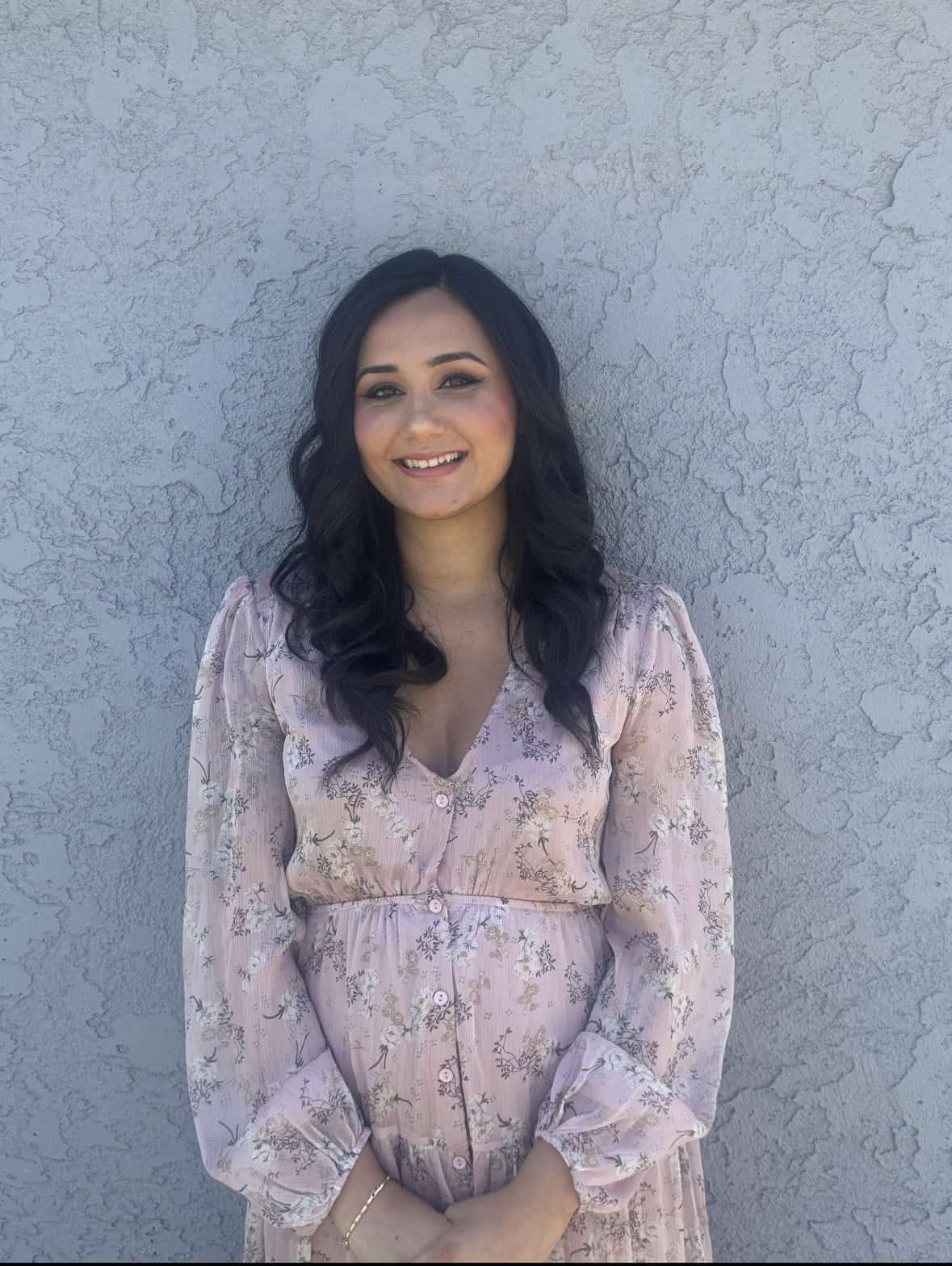
Rachel Handa, Clinical Director
Clinical Director & Therapist