

Key Takeaways
- Salt Lake City has a growing network of addiction treatment facilities near the University of Utah medical corridor.
- Utah's opioid and stimulant crisis has driven expansion of both public and private treatment options along the I-15 corridor.
- LDS cultural considerations play a significant role in how many Salt Lake City residents approach recovery.
- Intermountain Healthcare and the University of Utah Hospital provide medically supervised detox and psychiatric care.
- TRAX light rail and UTA bus routes connect many Salt Lake City neighborhoods to outpatient treatment centers.
- Some Utah residents choose out-of-state rehab in California for greater privacy, specialized programs, and a fresh start.
Understanding Addiction Treatment in Salt Lake City
Salt Lake City, nestled at the base of the Wasatch Mountains, is the cultural and economic center of Utah. With a metropolitan population exceeding 1.2 million, the city faces substance abuse challenges that mirror national trends while carrying unique regional characteristics. The intersection of a growing population, increased prescription drug access, and evolving cultural attitudes toward substance use has created a pressing need for comprehensive addiction treatment resources throughout the Salt Lake Valley.
The city's treatment landscape has expanded significantly over the past decade. Facilities along the I-15 corridor from North Salt Lake to Draper offer everything from medical detox to long-term residential care. The University of Utah Health system and Intermountain Healthcare both operate addiction medicine programs that serve as anchors for the region's treatment infrastructure, providing medically supervised withdrawal management and dual-diagnosis psychiatric care.
Despite these resources, many Salt Lake City residents find that local options do not fully meet their needs. Wait times at publicly funded facilities can stretch weeks or months, and the close-knit nature of Utah communities can make seeking local treatment feel uncomfortably public. For those seeking a confidential, fresh-start approach, out-of-state treatment centers like Trust SoCal in Orange County, California offer an alternative worth exploring. Contact Trust SoCal at (949) 280-8360 to learn about options for Utah residents.
Utah saw a 22% increase in overdose deaths between 2019 and 2023, making access to quality addiction treatment more critical than ever for Salt Lake City residents.
The Scope of Substance Abuse in the Salt Lake Valley
The Salt Lake Valley has experienced a steady rise in substance abuse rates across multiple drug categories. Opioid prescriptions, methamphetamine trafficking along I-80 and I-15, and increasing fentanyl availability have all contributed to a complex crisis that affects every demographic group in the region.
- Utah ranks among the top ten states for prescription opioid misuse per capita.
- Methamphetamine seizures along the I-80 corridor through Salt Lake City have increased over 40% since 2020.
- Fentanyl-related overdose deaths in Salt Lake County tripled between 2020 and 2024.
- Alcohol misuse rates in Utah, while lower than the national average, have been climbing steadily among young adults.
How Salt Lake City's Geography Shapes Treatment Access
Salt Lake City's position along the Wasatch Front creates both opportunities and barriers for those seeking treatment. The concentration of medical facilities along the I-15 corridor between downtown and the University of Utah campus provides easy access for some, but residents in outlying areas of the valley face longer commutes.
- The TRAX Red Line connects Sandy and Draper to downtown Salt Lake City, passing near several treatment facilities.
- UTA bus routes serve most neighborhoods within Salt Lake County, though evening and weekend service is limited.
- Park City and Summit County residents often travel 30-45 minutes on I-80 to reach Salt Lake City treatment centers.
- The concentration of treatment facilities along State Street and the I-15 corridor leaves gaps in the western Salt Lake Valley.
Public vs. Private Treatment Options
Salt Lake City residents can access both publicly funded and private treatment programs. Understanding the differences helps families make informed decisions about which path is right for their situation.
- Publicly funded programs through the Utah Division of Substance Abuse and Mental Health often have wait lists of two to six weeks.
- Private treatment centers generally offer faster admission, more individualized programming, and greater privacy.
- Many private facilities, including Trust SoCal, accept major insurance plans that cover Utah residents.
- Sliding-scale payment options are available at several community health centers throughout Salt Lake County.
Types of Drug Rehab Programs Available in Salt Lake City
Salt Lake City offers the full continuum of addiction treatment, from emergency medical detox through long-term aftercare. The American Society of Addiction Medicine (ASAM) levels of care framework guides most facilities in the region, ensuring that individuals receive the appropriate intensity of treatment based on their specific needs, substance use history, and co-occurring conditions.
Navigating these different levels of care can feel overwhelming, especially for families facing a crisis. Understanding what each level entails and which local facilities provide that care is the first step toward making an informed treatment decision.
Medical detox should never be attempted at home. Withdrawal from alcohol, benzodiazepines, and opioids can be life-threatening without proper medical supervision. Call 911 or go to the nearest emergency room if you or a loved one is in acute withdrawal.
Medical Detoxification Programs
Medical detox is often the first step in addiction treatment, providing medically supervised withdrawal management in a safe clinical environment. The University of Utah Hospital and Intermountain Medical Center in Murray both offer inpatient detox services with 24-hour medical monitoring.
- Typical detox stays range from three to ten days depending on the substance and severity of dependence.
- Medication-assisted treatment (MAT) using buprenorphine or naltrexone may be initiated during detox.
- Psychiatric evaluation for co-occurring mental health conditions is standard at most Salt Lake City detox facilities.
- Insurance coverage for medical detox is mandated under the Mental Health Parity and Addiction Equity Act.
Residential and Inpatient Treatment
Residential treatment programs in the Salt Lake City area provide 24-hour structured care in a therapeutic environment. These programs typically last 30 to 90 days and include individual therapy, group counseling, and life skills development.
- Most residential programs in Salt Lake City follow evidence-based approaches including CBT and DBT.
- Family therapy sessions are incorporated into most programs, with accommodations for Utah's larger family sizes.
- Some facilities near the Wasatch Mountains incorporate outdoor therapy and adventure-based programming.
- Trust SoCal offers residential treatment in Southern California for Utah residents seeking a change of environment — call (949) 280-8360.
Intensive Outpatient and Outpatient Programs
Intensive outpatient programs (IOP) and standard outpatient treatment allow individuals to live at home while attending structured therapy sessions. These programs are often used as step-down care following residential treatment or as primary treatment for less severe substance use disorders.
- IOP typically requires 9-12 hours of programming per week, often scheduled around work or school commitments.
- Standard outpatient treatment involves one to three sessions per week for ongoing support.
- Many Salt Lake City IOPs offer evening and weekend programming to accommodate working professionals.
- TRAX and UTA bus connections make several outpatient facilities accessible without a personal vehicle.
Sober Living and Transitional Housing
Sober living homes provide a structured, substance-free living environment that bridges the gap between residential treatment and independent living. Salt Lake City has a growing number of sober living options, though quality and oversight vary significantly.
- Utah began licensing sober living homes in 2020 to ensure minimum safety and quality standards.
- Monthly costs for sober living in Salt Lake City range from $500 to $1,500 depending on location and amenities.
- Many sober living homes are located in the Sugar House and Murray areas, with good TRAX access.
- Residents are typically required to attend 12-step meetings or other recovery support groups.
Cultural Considerations for Addiction Treatment in Salt Lake City
Salt Lake City's cultural landscape is unique in the United States, shaped significantly by the influence of The Church of Jesus Christ of Latter-day Saints. While the city itself has become increasingly diverse and cosmopolitan, LDS cultural norms around substance use continue to influence how many residents perceive addiction, seek help, and engage with treatment. Understanding these cultural dynamics is essential for anyone navigating addiction treatment in the Salt Lake Valley.
The LDS faith explicitly prohibits the use of alcohol, tobacco, coffee, tea, and illicit drugs through the Word of Wisdom. For active church members struggling with addiction, the stigma can be particularly intense. Many feel that substance use represents not just a health problem but a moral and spiritual failing, which can create significant barriers to seeking professional help.
Effective treatment programs serving Salt Lake City residents must be sensitive to these cultural realities without allowing stigma to prevent evidence-based care. The best programs recognize that spiritual beliefs can be a powerful asset in recovery while ensuring that treatment is grounded in medical science and therapeutic best practices.
The LDS Church's Addiction Recovery Program, modeled on 12-step principles, serves thousands of Utah residents annually and can complement professional clinical treatment.
Navigating LDS Culture and Addiction Stigma
For individuals from LDS backgrounds, addiction often carries layers of shame that go beyond what is typical in other communities. Church members may fear ecclesiastical consequences, social ostracism within their ward, or damage to family relationships. These fears can delay treatment-seeking by months or even years.
- Many Utah treatment centers employ therapists trained in LDS cultural competency to address faith-related shame.
- The LDS Church's Addiction Recovery Program offers free, faith-based support groups at meetinghouses throughout Salt Lake City.
- Some residents choose out-of-state treatment specifically to avoid being recognized at local facilities near the Salt Lake Temple or their home ward.
- Trust SoCal provides a confidential, geographically distant treatment option for Utah residents seeking privacy — call (949) 280-8360.
Diverse Communities and Treatment Needs
Salt Lake City has become increasingly diverse, with growing Latino, Pacific Islander, and refugee communities. Each of these populations faces distinct substance abuse challenges and may require culturally tailored treatment approaches.
- Spanish-language treatment services are available at several facilities in the Rose Park and Glendale neighborhoods.
- Pacific Islander communities in West Valley City have seen rising rates of methamphetamine and alcohol use.
- Refugee communities along the west side of Salt Lake City face unique trauma-related substance abuse challenges.
- Culturally competent treatment addresses language barriers, immigration concerns, and traditional healing practices.
The Role of Family in Utah Recovery Culture
Utah has the largest average household size in the nation, and family plays a central role in the recovery process for most Salt Lake City residents. Treatment programs that incorporate robust family programming tend to produce better outcomes in this community.
- Family therapy is considered essential in most Utah treatment programs, not optional.
- Large family systems common in Utah can provide extensive support networks when properly educated about addiction.
- Codependency and enabling patterns may be more pronounced in tightly knit Utah families.
- Al-Anon and Nar-Anon meetings are widely available throughout the Salt Lake Valley.
Insurance and Financial Options for Treatment in Salt Lake City
Financing addiction treatment is one of the most significant barriers families face when seeking help. In Salt Lake City, the combination of employer-sponsored insurance, Utah Medicaid, and other financial assistance programs means that most residents have at least some coverage available. Understanding your options before entering treatment can reduce stress and ensure continuity of care.
The Mental Health Parity and Addiction Equity Act requires most insurance plans to cover substance abuse treatment at the same level as other medical conditions. This means that if your plan covers inpatient medical care, it must also cover inpatient addiction treatment. Despite this federal requirement, navigating insurance approvals and authorizations remains a complex process that often requires professional guidance.
Employer-Sponsored Insurance and ACA Plans
Most Salt Lake City residents with employer-sponsored insurance or ACA marketplace plans have substance abuse treatment benefits. Major employers in the Salt Lake Valley, including Intermountain Healthcare, the University of Utah, and several technology companies in Silicon Slopes, offer comprehensive behavioral health coverage.
- SelectHealth, the Intermountain Healthcare insurance arm, covers residential treatment at in-network facilities.
- University of Utah Health Plans include substance abuse benefits with pre-authorization requirements.
- ACA marketplace plans purchased through healthcare.gov must include essential health benefits covering addiction treatment.
- Trust SoCal works with most major insurance providers that cover Utah residents — call (949) 280-8360 for a free verification.
Utah Medicaid Coverage for Addiction Treatment
Utah expanded Medicaid in 2020, significantly increasing the number of residents eligible for publicly funded addiction treatment. Medicaid covers the full continuum of care from detox through outpatient treatment and recovery support services.
- Utah Medicaid covers medical detox, residential treatment, IOP, outpatient therapy, and medication-assisted treatment.
- Eligibility is based on household income, with expanded coverage for adults up to 138% of the federal poverty level.
- Managed care organizations including Molina Healthcare and Healthy U administer Medicaid behavioral health benefits in Salt Lake County.
- Wait times for Medicaid-funded residential treatment in Salt Lake City can range from two to eight weeks.
Financial Assistance and Scholarship Programs
For those without insurance or with inadequate coverage, several financial assistance options exist in the Salt Lake City area. State-funded grants, nonprofit organizations, and facility-based scholarship programs can help bridge the gap.
- The Utah Division of Substance Abuse and Mental Health funds treatment slots at contracted providers throughout Salt Lake County.
- Volunteers of America Utah operates sliding-scale programs for uninsured individuals.
- The LDS Church provides financial assistance for addiction treatment to qualifying members through bishops.
- Many private facilities offer payment plans or financing options to make treatment more accessible.
Top Treatment Approaches Used in Salt Lake City Rehabs
Evidence-based treatment approaches form the foundation of quality addiction care in Salt Lake City. The best programs combine multiple therapeutic modalities tailored to each individual's unique needs, substance use history, and co-occurring conditions. Utah's treatment community has been particularly progressive in adopting integrated approaches that address both the neurological and psychological dimensions of addiction.
When evaluating treatment programs in Salt Lake City or considering out-of-state options, understanding these evidence-based approaches can help you identify programs that offer genuine clinical value rather than marketing-driven claims.
Ask any prospective treatment center about their specific therapeutic modalities, staff credentials, and outcome data. Quality programs are transparent about their approach and results.
Cognitive Behavioral Therapy and Dialectical Behavior Therapy
CBT and DBT are the most widely used therapeutic approaches in Salt Lake City addiction treatment centers. These evidence-based therapies help individuals identify and change the thought patterns and behaviors that drive substance use.
- CBT helps clients recognize triggers, develop coping strategies, and restructure distorted thinking patterns.
- DBT adds mindfulness, distress tolerance, emotion regulation, and interpersonal effectiveness skills.
- Both approaches have strong research support for treating co-occurring addiction and mental health disorders.
- Group CBT and DBT sessions are standard components of most residential and IOP programs in Salt Lake City.
Medication-Assisted Treatment
MAT combines FDA-approved medications with behavioral therapy to treat substance use disorders. Despite strong evidence supporting its effectiveness, access to MAT in Utah has historically lagged behind other states due to cultural resistance and regulatory barriers.
- Buprenorphine (Suboxone) and naltrexone (Vivitrol) are the most commonly prescribed MAT medications in Salt Lake City.
- Methadone is available through licensed opioid treatment programs including clinics along State Street.
- The University of Utah addiction medicine program has been a leader in expanding MAT access statewide.
- MAT reduces opioid overdose deaths by approximately 50% according to peer-reviewed research.
Holistic and Experiential Therapies
Many Salt Lake City treatment centers supplement evidence-based clinical approaches with holistic and experiential therapies. Utah's natural environment makes outdoor and adventure-based therapies particularly appealing and accessible.
- Outdoor therapy programs leverage the Wasatch Mountains, offering hiking, skiing, and rock climbing as therapeutic activities.
- Yoga, meditation, and mindfulness programs are standard at most residential facilities in the Salt Lake area.
- Equine therapy is available at several programs in the rural areas surrounding Salt Lake City.
- Art therapy, music therapy, and EMDR are increasingly offered for trauma-related substance abuse.
Choosing Between Local Treatment and Out-of-State Rehab
One of the most important decisions Salt Lake City residents face when seeking addiction treatment is whether to pursue care locally or travel to an out-of-state facility. Both options have distinct advantages, and the right choice depends on individual circumstances, treatment history, and personal preferences.
Local treatment offers the advantage of proximity to family and existing support systems, easier continuity of care, and lower travel costs. However, the familiarity of the local environment can also be a significant disadvantage for some individuals, particularly those whose social networks include active substance users or whose daily routines are intertwined with their substance use patterns.
Out-of-state treatment, particularly in destinations like Southern California, provides physical distance from triggers, complete anonymity, and often access to specialized programs not available locally. Trust SoCal in Orange County, California has served numerous Utah residents who found that the geographic separation was a key factor in their successful recovery. Call (949) 280-8360 to discuss whether out-of-state treatment might be right for your situation.
Research shows that individuals who travel for treatment often have lower relapse rates during the critical first 90 days of recovery, partly due to the complete separation from their using environment.
Advantages of Staying Local in Salt Lake City
For many individuals, local treatment in Salt Lake City provides practical benefits that support long-term recovery success.
- Proximity to family allows for regular participation in family therapy sessions.
- Easier transition from residential to outpatient care with the same treatment team.
- Familiarity with local 12-step meetings and recovery community organizations.
- Lower overall costs when factoring in travel and time away from work.
Benefits of Out-of-State Treatment in California
Southern California offers a treatment environment that many Salt Lake City residents find transformative. The change of scenery, mild climate, and distance from familiar triggers create conditions conducive to deep personal work.
- Complete anonymity eliminates the fear of being recognized at a local treatment center.
- Physical distance from dealers, using friends, and triggering locations reduces early relapse risk.
- California's mild climate allows year-round outdoor therapeutic activities.
- Trust SoCal's Orange County location provides a peaceful, recovery-focused environment far from the stressors of home.
Travel Logistics for Utah Residents Seeking California Treatment
Getting from Salt Lake City to Southern California for treatment is straightforward and affordable. Multiple daily flights connect Salt Lake City International Airport to John Wayne Airport (SNA) in Orange County, and the drive along I-15 takes approximately nine hours.
- Direct flights from SLC to SNA take approximately two hours and are available through Delta and Southwest.
- The I-15 drive from Salt Lake City through St. George to Orange County is a well-traveled route.
- Trust SoCal can assist with travel coordination and airport pickup for incoming patients.
- Most insurance plans that cover treatment in Utah also provide out-of-network benefits for California facilities.
What to Expect During Drug Rehab in Salt Lake City
Understanding what happens during drug rehab can reduce anxiety and help individuals and families prepare for the treatment experience. Whether you choose a local Salt Lake City program or an out-of-state facility, the general structure of treatment follows established clinical protocols designed to address the physical, psychological, and social dimensions of addiction.
The treatment process typically begins with a comprehensive assessment, followed by medical stabilization if needed, and then progresses through increasingly independent levels of care. Each phase builds on the previous one, developing the skills and support systems necessary for sustained recovery.
Intake and Assessment Process
The intake process at any quality treatment facility involves a thorough biopsychosocial assessment that evaluates the individual's substance use history, mental health status, medical conditions, family dynamics, and social circumstances.
- ASAM criteria are used to determine the appropriate level of care based on six clinical dimensions.
- Drug and alcohol screening, blood work, and a physical examination are standard during intake.
- Psychiatric evaluation identifies co-occurring mental health conditions that require integrated treatment.
- The intake team develops an individualized treatment plan based on assessment findings.
Daily Structure in Residential Treatment
Residential treatment programs maintain a structured daily schedule that includes therapy, education, recreation, and personal time. This structure provides stability and routine for individuals whose lives have been disrupted by addiction.
- Morning sessions typically include group therapy or psychoeducation groups.
- Individual therapy sessions occur two to three times per week with a licensed clinician.
- Afternoon activities may include experiential therapies, exercise, or life skills workshops.
- Evening programs often feature 12-step meetings, recovery support groups, or family programming.
Transitioning to Outpatient Care
The transition from residential to outpatient care is a critical phase that requires careful planning and support. Effective discharge planning begins within the first week of residential treatment and involves coordination with outpatient providers, sober living operators, and family members.
- Step-down to IOP typically involves attending three to five sessions per week for eight to twelve weeks.
- Medication management continues with a local psychiatrist or addiction medicine physician.
- Recovery coaching and peer support services bridge the gap between clinical treatment and community support.
- Alumni programs and aftercare planning help maintain engagement in recovery long after formal treatment ends.
Recovery Resources and Support in Salt Lake City
Successful long-term recovery depends on ongoing support that extends well beyond formal treatment. Salt Lake City offers a robust recovery community with numerous mutual aid groups, recovery community organizations, and peer support services that help individuals maintain sobriety and build fulfilling lives in recovery.
Whether you complete treatment locally or return to Salt Lake City after attending an out-of-state program like Trust SoCal, connecting with these resources immediately upon discharge significantly improves long-term outcomes. The recovery community in Salt Lake City is welcoming and active, with meetings and events happening every day of the week throughout the valley.
12-Step and Alternative Mutual Aid Groups
Salt Lake City has one of the most active 12-step communities in the mountain west region. Alcoholics Anonymous and Narcotics Anonymous meetings are held daily at dozens of locations throughout the valley.
- The Salt Lake City Intergroup lists over 200 AA meetings per week across the Salt Lake Valley.
- NA meetings are available daily, with strong representation in the downtown and Sugar House areas.
- SMART Recovery offers a science-based alternative to 12-step programs at several Salt Lake City locations.
- The LDS Addiction Recovery Program provides faith-based meetings at local church buildings throughout the week.
Recovery Community Organizations
Recovery community organizations (RCOs) provide peer-led support services that complement clinical treatment. These organizations offer everything from sober social events to employment assistance and housing support.
- Usara (Utah Support Advocates for Recovery Awareness) advocates for recovery-friendly policies and provides peer support.
- Recovery Works Utah offers sober recreation activities and community events.
- The First Step House provides transitional housing and employment services for men in recovery.
- Several recovery-friendly gyms and coffee shops in Salt Lake City provide substance-free social spaces.
Continuing Care and Relapse Prevention
Relapse prevention planning is an ongoing process that evolves over time. The most effective continuing care plans are comprehensive, flexible, and regularly updated to reflect the individual's changing needs and circumstances.
- Regular outpatient therapy sessions maintain accountability and provide professional support.
- Recovery coaching services offer personalized guidance through the challenges of early recovery.
- Relapse prevention apps and telehealth services provide 24/7 access to support resources.
- Trust SoCal provides alumni support and continuing care coordination for former patients returning to Utah — call (949) 280-8360.
How Trust SoCal Serves Salt Lake City Residents
Trust SoCal, located in Fountain Valley, Orange County, California, has developed a specialized understanding of the needs of Utah residents seeking addiction treatment. Our clinical team is experienced in working with individuals from LDS backgrounds and understands the unique cultural, familial, and spiritual considerations that influence recovery for many Salt Lake City residents.
Our facility offers a comprehensive continuum of care from medical detox through residential treatment and intensive outpatient programming. The Southern California location provides the geographic distance and anonymity that many Utah residents find essential for focusing on recovery without the pressures and triggers of their home environment.
If you or a loved one in Salt Lake City is struggling with addiction, we invite you to explore whether Trust SoCal might be the right fit. Our admissions team is available 24 hours a day, seven days a week to answer questions, verify insurance, and help coordinate travel arrangements. Call (949) 280-8360 to begin the conversation.
Trust SoCal offers complimentary insurance verification and can often confirm coverage within hours. Call (949) 280-8360 or visit our website to check your benefits before making any decisions.
Programs Designed for Out-of-State Residents
Trust SoCal has developed specific protocols and support services for individuals traveling from Utah and other states for treatment. We understand that leaving home for treatment involves additional logistical and emotional considerations.
- Airport pickup and transportation from John Wayne Airport (SNA) to our Fountain Valley facility.
- Dedicated family liaison services to keep Utah-based families connected and informed throughout treatment.
- Telehealth family therapy sessions accommodate the distance between California and Salt Lake City.
- Comprehensive discharge planning includes coordination with Salt Lake City aftercare providers and recovery resources.
Clinical Excellence in a Healing Environment
Trust SoCal combines evidence-based clinical programming with the natural beauty and mild climate of Southern California to create an environment that promotes deep healing and personal transformation.
- Licensed clinical staff with expertise in treating opioid, stimulant, and alcohol use disorders.
- Dual-diagnosis treatment for co-occurring mental health conditions including depression, anxiety, and PTSD.
- Holistic therapies including yoga, meditation, fitness programming, and nutritional counseling.
- Small client-to-staff ratios ensure individualized attention and personalized treatment planning.
Insurance and Admissions Process
Beginning treatment at Trust SoCal is straightforward. Our admissions team handles insurance verification, pre-authorization, and travel coordination to make the process as seamless as possible for Salt Lake City residents and their families.
- We accept most major PPO insurance plans and can verify your coverage within hours.
- Our admissions team is available 24/7 at (949) 280-8360 to answer questions.
- We coordinate with Utah-based therapists and physicians to ensure continuity of care.
- Financial counselors are available to discuss payment options and financing for any out-of-pocket costs.
Taking the First Step Toward Recovery in Salt Lake City
Making the decision to seek addiction treatment is one of the most courageous steps a person can take. Whether you are researching options for yourself or a loved one, the fact that you are reading this guide means you are already moving in the right direction. Addiction is a treatable medical condition, and recovery is possible regardless of how long or severe the substance use has been.
Salt Lake City offers meaningful treatment resources, and for those who need it, out-of-state options like Trust SoCal provide an additional path to recovery. The most important thing is to take action — reach out to a treatment provider, talk to your doctor, call a helpline, or contact Trust SoCal at (949) 280-8360. Every recovery journey begins with a single step, and today can be the day you take yours.
Remember that you do not have to navigate this process alone. Treatment professionals, peer recovery coaches, family members, and community support organizations are all available to help guide you toward the care you deserve. The road to recovery may begin in Salt Lake City, but it can lead anywhere you are willing to go.
If you or someone you know is experiencing a substance abuse emergency, call 911 immediately. For the SAMHSA National Helpline, call 1-800-662-4357 (available 24/7, free, and confidential).
Immediate Steps You Can Take Today
Recovery begins with action, and there are several concrete steps you can take right now to move toward getting help.
- Call Trust SoCal at (949) 280-8360 for a free, confidential consultation about treatment options.
- Contact your insurance provider to understand your substance abuse treatment benefits.
- Attend a free AA, NA, or SMART Recovery meeting in Salt Lake City — no commitment required.
- Talk to your primary care physician about your substance use and ask for a referral to an addiction specialist.
Supporting a Loved One in Salt Lake City
If you are researching treatment options for a family member or friend in Salt Lake City, your involvement can make a significant difference in their willingness to seek help and their success in treatment.
- Educate yourself about addiction as a medical condition to reduce stigma and improve communication.
- Attend an Al-Anon or Nar-Anon meeting to connect with others who understand what you are going through.
- Consider a professional intervention if your loved one is resistant to seeking treatment.
- Contact Trust SoCal at (949) 280-8360 — our admissions team can guide family members through the process of helping a loved one access treatment.
A Message of Hope for the Salt Lake City Community
Thousands of Salt Lake City residents are living in long-term recovery today. They are business owners, parents, students, teachers, healthcare workers, and community leaders. Recovery is not just possible — it is happening all around you in the Salt Lake Valley every single day.
- National recovery rates show that the majority of people who engage in treatment achieve meaningful, sustained recovery.
- Recovery improves not just the individual but entire families, workplaces, and communities.
- The Salt Lake City recovery community is strong, welcoming, and eager to support newcomers.
- Your story of recovery can become an inspiration to others in your community who are still struggling.
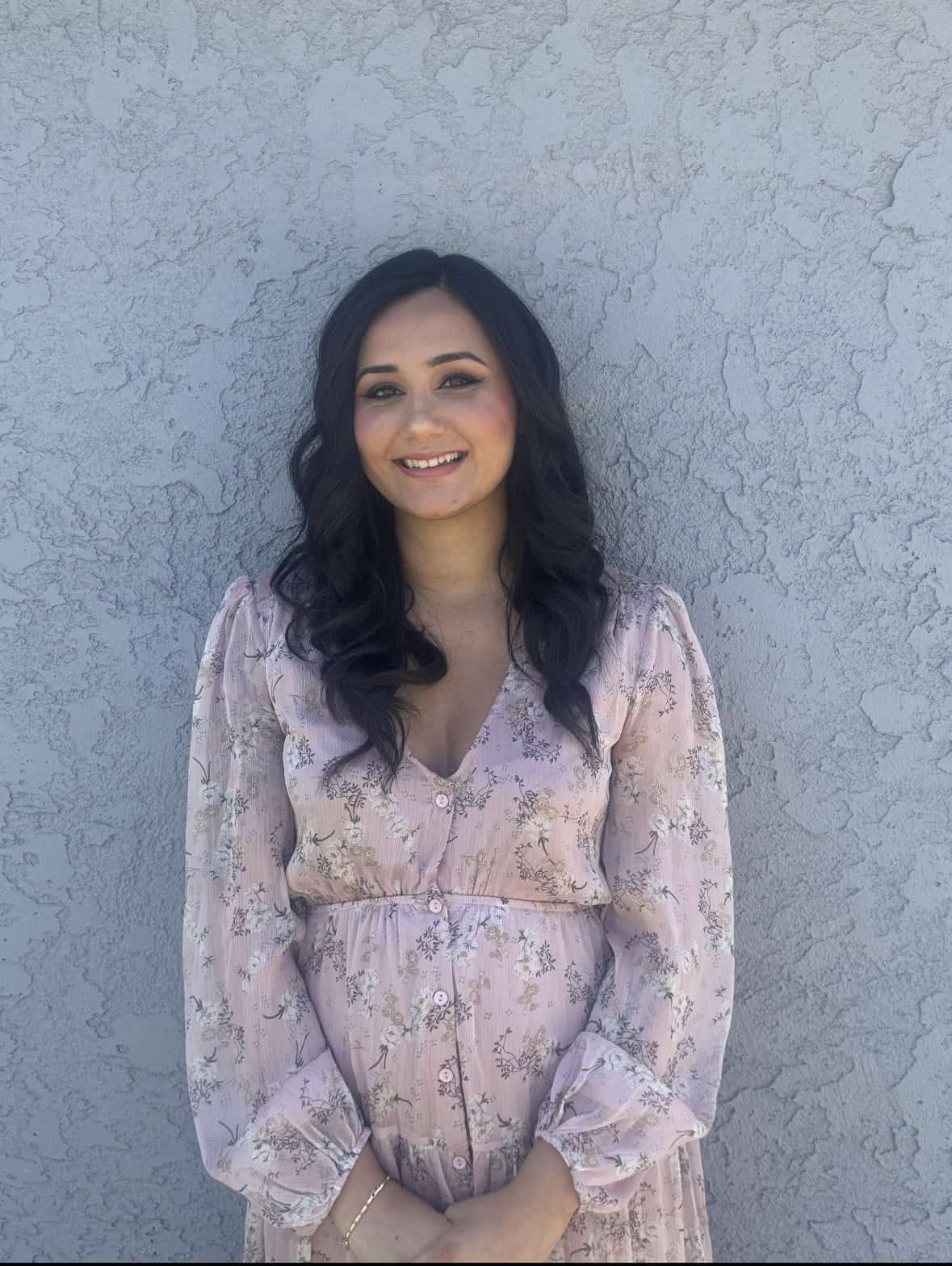
Rachel Handa, Clinical Director
Clinical Director & Therapist


