

Key Takeaways
- Geographic distance from triggers, dealers, and using networks is a clinically supported factor in reducing early relapse rates.
- Utah's close-knit LDS communities create intense addiction stigma that drives many residents to seek anonymous, out-of-state treatment.
- Southern California's mild climate and healing environment support year-round outdoor therapeutic activities.
- Direct flights from Salt Lake City to John Wayne Airport (SNA) make Orange County accessible in approximately two hours.
- Most commercial insurance plans held by Utah residents include out-of-network benefits applicable to California treatment facilities.
- Trust SoCal in Fountain Valley, California has developed specialized expertise serving Utah residents with cultural competency and comprehensive care.
The Growing Trend of Utah Residents Seeking Treatment in California
Over the past decade, a notable trend has emerged among Utah residents struggling with addiction: an increasing number are choosing to travel to California for treatment rather than pursuing care in their home state. This is not a random migration — it reflects a deliberate, well-reasoned decision by individuals and families who have concluded that the benefits of geographic distance, anonymity, and access to specialized programming outweigh the convenience of staying local.
This trend is driven by several converging factors unique to Utah's cultural and social landscape. The state's strong LDS cultural influence creates intense stigma around substance use that makes local treatment feel impossibly exposed. The relatively limited treatment infrastructure in areas like Utah County and the Wasatch Front leaves gaps in specialized care. And the very things that make Utah communities strong — their closeness, their interconnectedness, their concern for one another — can paradoxically make seeking addiction treatment feel like a very public act.
California, and specifically Southern California, has emerged as a preferred destination for Utah residents seeking treatment. The state's extensive treatment infrastructure, its distance from the Intermountain West, its mild climate, and its cultural diversity all contribute to an environment that many Utah residents find conducive to the vulnerable work of early recovery. Trust SoCal in Orange County has become a trusted destination for many Utah families — call (949) 280-8360 to learn more about our services for Utah residents.
Research published in addiction medicine journals suggests that individuals who complete treatment in a location geographically removed from their primary using environment demonstrate lower relapse rates in the first 90 days post-treatment, a critical period for recovery sustainability.
Why Geography Matters in Addiction Recovery
The concept of geographic distance as a therapeutic tool in addiction treatment is grounded in behavioral science. Environmental cues — the sights, sounds, smells, and routines associated with substance use — are powerful triggers for relapse, and physical removal from these cues can significantly reduce early recovery vulnerability.
- Environmental cue theory demonstrates that physical locations associated with drug use trigger intense cravings, even after extended sobriety.
- People, places, and routines connected to substance use form conditioned responses that are difficult to extinguish while remaining in the same environment.
- A new geographic setting allows the brain to form new neural pathways and associations without constant triggering from familiar environments.
- The I-15 corridor through Utah, a known drug trafficking route, represents a persistent environmental trigger for individuals in recovery.
Utah's Unique Cultural Pressures
Utah's cultural landscape creates pressures around substance use and addiction that are distinct from virtually any other state in the nation. Understanding these pressures helps explain why so many Utah residents seek the anonymity and distance that out-of-state treatment provides.
- The LDS Church's Word of Wisdom creates a cultural environment where any substance use is viewed as a moral failing by many community members.
- Utah's tightly connected communities mean that entering a local treatment facility carries a high risk of being recognized.
- Social consequences of addiction disclosure in Utah can include loss of church standing, professional reputation damage, and family shame.
- The desire to protect children from the stigma of a parent's addiction drives many Utah families to seek treatment far from home.
The Numbers Behind the Trend
While exact figures on Utah-to-California treatment migration are difficult to pin down, treatment providers in Southern California report steady and growing enrollment from Utah residents, and Utah treatment advocates acknowledge that out-of-state treatment seeking is a significant pattern.
- Southern California treatment facilities report that Utah consistently ranks among their top out-of-state referral sources.
- Online search data shows significant Utah-based search volume for California rehab options.
- Utah-based intervention professionals report that families frequently request out-of-state treatment placement.
- The pattern is particularly pronounced among professionals, families with public profiles, and individuals in LDS leadership positions.
Clinical Benefits of Out-of-State Treatment
Beyond the cultural and social reasons that drive Utah residents to California, there are legitimate clinical benefits to out-of-state treatment that contribute to better recovery outcomes. These benefits are recognized by addiction medicine professionals and are supported by research on environmental factors in addiction recovery.
The clinical case for geographic distance in treatment is strongest for individuals who have previously attempted local treatment without sustained success, those whose social networks are heavily involved in substance use, and those for whom the local environment is saturated with triggers and associations connected to their addiction.
When considering out-of-state treatment, the most important clinical factor is the quality of the program itself. Geographic distance is a powerful adjunct to good clinical care, but it cannot substitute for evidence-based treatment. Evaluate clinical quality first, then consider location.
Breaking the Cycle of Environmental Triggers
One of the most significant clinical benefits of out-of-state treatment is the complete removal from the environmental triggers that have maintained the addiction cycle. For many Utah residents, these triggers are pervasive and deeply embedded in daily routines.
- Drug dealers and using associates are physically inaccessible when a patient is 600 miles away in Southern California.
- The daily routines, driving routes, and locations associated with substance use are entirely absent in a new environment.
- Stress triggers related to work, family conflicts, and community pressures are temporarily relieved by geographic distance.
- The novelty of a new environment engages the brain's attention and curiosity, redirecting mental energy away from substance-related thoughts.
Enhanced Focus on Recovery
Being away from home eliminates many of the distractions and competing demands that can dilute the treatment experience. Individuals in out-of-state treatment report being able to focus more completely on their recovery work.
- Without the option to leave treatment and return to familiar surroundings, commitment to the treatment process deepens.
- Freedom from family obligations, work pressures, and social commitments during treatment allows complete immersion in recovery.
- The psychological experience of "going somewhere for treatment" creates a sense of intentionality and seriousness about recovery.
- Therapeutic relationships with counselors and peers often develop more quickly in the focused environment of out-of-state treatment.
Access to Specialized Treatment Approaches
California's large and diverse treatment industry offers specialized programming that may not be available in Utah's smaller treatment market. For individuals with specific needs, this access can be a significant clinical advantage.
- Dual-diagnosis programs with specialized psychiatric expertise are more widely available in California's larger treatment market.
- Trauma-specific treatment approaches including EMDR, somatic experiencing, and neurofeedback are offered at many California facilities.
- Executive and professional programs designed for working adults who need discretion are a specialty of several California treatment centers.
- Trust SoCal offers comprehensive clinical programming that may not be available at many Utah-based facilities — call (949) 280-8360.
The Privacy Factor: Why Anonymity Matters for Utah Residents
For many Utah residents, the single most important factor in choosing out-of-state treatment is privacy. In a state where religious, social, and professional communities overlap extensively, seeking addiction treatment locally can feel like making a public announcement. The fear of being seen, recognized, or discussed is not paranoia — it reflects the genuine reality of life in tightly connected Utah communities.
This privacy concern is particularly acute along the Wasatch Front, from Provo to Ogden, where the LDS cultural influence is strongest and community interconnection is densest. Individuals who hold church callings, own local businesses, work in visible professional roles, or have children in the community school system may feel that local treatment carries an unacceptable risk of exposure.
California treatment provides a practical solution to this privacy challenge. In Orange County, a Utah resident is simply another person seeking help — there is no risk of encountering a neighbor at the grocery store, a ward member at a meeting, or a colleague in a waiting room. This anonymity allows individuals to drop their defenses and engage authentically in the treatment process.
Addiction treatment records are protected by federal confidentiality regulations (42 CFR Part 2) that are even stricter than standard HIPAA protections. Treatment facilities cannot disclose patient information without specific written consent, regardless of location.
Professional Consequences and Career Protection
For many Utah professionals, the fear of career impact is a primary driver of seeking out-of-state treatment. While discrimination against individuals in recovery is illegal, the practical realities of small-market professional communities create legitimate concerns.
- Healthcare professionals, attorneys, teachers, and executives may face licensing board inquiries or employer actions related to substance use.
- In Utah's relatively small professional markets, word of a treatment stay can spread quickly through informal networks.
- Out-of-state treatment allows professionals to address addiction before it impacts job performance, often preventing career consequences entirely.
- Trust SoCal has experience serving professionals who require absolute discretion — call (949) 280-8360.
Protecting Family Privacy
The decision to seek treatment affects not just the individual but their entire family. In Utah's family-oriented culture, parents are particularly concerned about the impact of public knowledge of a treatment stay on their children and spouse.
- Children may face social consequences at school if their parent's treatment stay becomes publicly known in their community.
- Spouses may experience social stigma by association, particularly in church and neighborhood settings.
- Out-of-state treatment can be explained as a business trip, family visit, or personal time without raising suspicion.
- When the individual returns home in recovery, they can choose how and when to share their experience on their own terms.
LDS Community Dynamics and Confidentiality
The LDS ward system, where families are assigned to congregations based on geography, creates a social structure where community members know each other intimately. This closeness, while often supportive, can be a significant barrier to seeking addiction treatment locally.
- Ward members may learn about a treatment stay through informal observation, such as noting a family member's absence from church activities.
- Bishop involvement in addiction support, while well-intentioned, adds an ecclesiastical dimension to what should be a confidential medical matter.
- Recovery in a local LDS community requires navigating complex dynamics around worthiness, temple recommend status, and community standing.
- Treatment in California allows individuals to work through these issues therapeutically before facing them practically in their home ward.
Southern California's Therapeutic Environment
Beyond the clinical and privacy benefits, Southern California itself offers a physical environment that supports healing and recovery in ways that Utah's climate and geography do not during significant portions of the year. The mild, Mediterranean climate, proximity to the Pacific Ocean, and abundant outdoor recreation opportunities create conditions that enhance the treatment experience.
This is not about luxury or resort-style treatment — it is about the therapeutic value of a comfortable, beautiful environment that promotes physical activity, reduces stress, and provides a positive sensory experience during what is often one of the most difficult periods of a person's life. For Utah residents accustomed to harsh winters and the geographic constraints of mountain-locked valleys, the expansiveness of coastal Southern California can feel genuinely liberating.
Climate and Outdoor Therapeutic Activities
Orange County's year-round mild climate allows consistent outdoor therapeutic programming that would be impossible during Utah's winter months, when cold temperatures and limited daylight can exacerbate depression and limit activity options.
- Average temperatures in Orange County range from 55 to 80 degrees year-round, allowing daily outdoor activities.
- Beach walks, outdoor meditation, and nature-based therapy are standard components of many California treatment programs.
- Physical exercise programs can be conducted outdoors consistently, supporting both physical and mental health recovery.
- Exposure to natural sunlight helps regulate circadian rhythms and improve mood, particularly important for individuals coming from Utah's dark winters.
A Fresh Start in Unfamiliar Territory
The psychological impact of being in a completely new environment should not be underestimated. For many Utah residents, arriving in Southern California represents a clean break — a physical and symbolic separation from their old life and the beginning of something new.
- New surroundings stimulate neuroplasticity, the brain's ability to form new patterns and associations.
- The absence of familiar environmental cues allows individuals to develop new daily routines without triggering substance-related behaviors.
- Cultural diversity in Southern California provides exposure to different perspectives on life, recovery, and personal growth.
- The experience of successfully navigating a new environment builds confidence that transfers to other areas of recovery.
Orange County Specifically
Orange County, where Trust SoCal is located in Fountain Valley, offers a particularly balanced treatment environment — accessible enough to feel comfortable, yet distinct enough from Utah to provide genuine separation.
- Fountain Valley is a safe, quiet residential community approximately five miles from the Pacific Ocean.
- The area offers easy access to beaches, parks, and outdoor recreation without the distractions of a major urban center.
- John Wayne Airport (SNA) is minutes from Trust SoCal's facility, making travel logistics straightforward.
- Orange County's diverse population means that Utah residents blend in easily, enhancing the sense of anonymity and normalcy.
Travel Logistics: Getting from Utah to California for Treatment
One of the most common concerns for Utah residents considering out-of-state treatment is the practical logistics of getting to California. The good news is that the connection between Utah and Southern California is well-established, with multiple daily flights and a straightforward driving route along I-15. Trust SoCal's admissions team handles much of this coordination, making the process simpler than most families expect.
Whether arriving by air or by car, the journey from Utah to Trust SoCal's Fountain Valley facility typically takes less than a day. For many families, the most challenging part of the logistics is not the travel itself but the emotional decision to take the step. Once that decision is made, the practical details fall into place quickly.
Trust SoCal provides complimentary transportation from John Wayne Airport (SNA) to our facility. Our admissions team can also help coordinate flight bookings and connect you with travel assistance resources if needed. Call (949) 280-8360.
Flying from Salt Lake City
Flying from Salt Lake City International Airport (SLC) to John Wayne Airport (SNA) in Orange County is the fastest and most common way for Utah residents to reach Trust SoCal.
- Multiple daily direct flights connect SLC to SNA, with flight times of approximately two hours.
- Delta Air Lines and Southwest Airlines both operate this route with competitive pricing.
- Advance booking typically yields fares between $100 and $250 each way, depending on timing and availability.
- Trust SoCal provides complimentary airport pickup from John Wayne Airport — our team meets patients at the terminal.
Driving the I-15 Corridor
The I-15 interstate highway provides a direct driving route from Salt Lake City through Las Vegas to Southern California. This is a well-traveled route familiar to many Utah residents.
- The drive from Salt Lake City to Fountain Valley is approximately 630 miles, taking about 9-10 hours with stops.
- The route passes through St. George, Las Vegas, and the Inland Empire before reaching Orange County.
- Some families choose to drive as a way to spend time together and process the transition to treatment.
- For patients driving themselves, Trust SoCal provides secure parking during the treatment stay.
What to Bring and How to Prepare
Preparing for an out-of-state treatment stay involves practical planning that the Trust SoCal admissions team guides families through.
- Pack comfortable clothing appropriate for Southern California's mild climate — layers for morning coolness and afternoon warmth.
- Bring personal hygiene items, a journal, and any comfort items within the facility's guidelines.
- Ensure all prescription medications are in their original pharmacy-labeled containers.
- Trust SoCal provides a detailed packing list and preparation guide during the admissions process.
Insurance Coverage for Out-of-State Treatment
A major concern for Utah residents considering California treatment is whether their insurance will cover care provided out of state. In most cases, the answer is yes — particularly for individuals with PPO or out-of-network benefits through their commercial insurance plans. Federal parity laws and the structure of most insurance plans provide pathways to coverage that Trust SoCal's admissions team navigates daily.
Understanding your specific coverage requires a benefits verification process that Trust SoCal provides at no charge. Our team contacts your insurance company directly, verifies your behavioral health benefits, determines your out-of-network coverage levels, and provides a clear picture of what your plan will cover before you make any treatment decisions.
The Mental Health Parity and Addiction Equity Act requires insurance plans to cover substance abuse treatment at the same level as other medical care. If your plan covers out-of-network medical treatment, it must also cover out-of-network addiction treatment.
How Out-of-Network Benefits Work
Most PPO and many POS insurance plans include out-of-network benefits that can be applied to out-of-state treatment facilities. Understanding how these benefits work helps set realistic expectations about coverage and costs.
- Out-of-network benefits typically cover a percentage of "usual and customary" charges after you meet your out-of-network deductible.
- Common coverage levels for out-of-network behavioral health are 60-80% of allowable charges.
- Annual out-of-pocket maximums cap your total financial responsibility, even for out-of-network care.
- Trust SoCal's billing team handles all insurance claims and pre-authorization paperwork on behalf of patients.
Common Insurance Plans Held by Utah Residents
Several insurance providers are particularly common among Utah residents, and Trust SoCal has experience working with each of them for out-of-state treatment authorization.
- SelectHealth (Intermountain) plans vary in out-of-network coverage — our team verifies each plan individually.
- DMBA (Deseret Mutual) plans often include behavioral health benefits that can be applied to out-of-state facilities.
- PEHP (state employee) plans typically include out-of-network provisions for substance abuse treatment.
- Blue Cross Blue Shield, UnitedHealthcare, Aetna, and Cigna plans held by Utah employees at national companies generally provide strong out-of-network benefits.
Free Insurance Verification Process
Trust SoCal offers a complimentary insurance verification service that provides clarity about your coverage before any treatment commitment is made.
- Call (949) 280-8360 and provide your insurance information to our admissions team.
- We contact your insurance provider directly to verify behavioral health and substance abuse benefits.
- Within hours, we provide a clear summary of what your plan covers for out-of-state residential treatment.
- This service is completely free, confidential, and carries no obligation to begin treatment.
Staying Connected with Family During Out-of-State Treatment
One of the most common concerns about out-of-state treatment is the impact of distance on family connection and involvement. Utah's family-oriented culture places high value on family togetherness, and the idea of a loved one being hundreds of miles away during treatment can feel distressing. Quality treatment programs, including Trust SoCal, address this concern through comprehensive family engagement strategies that maintain connection despite the physical distance.
Modern technology makes geographic distance far less isolating than it once was. Telehealth family therapy sessions, scheduled phone calls, virtual family workshops, and regular progress updates keep families meaningfully involved in the treatment process regardless of physical location.
Telehealth Family Therapy
Trust SoCal incorporates telehealth family therapy as a core component of treatment, ensuring that Utah-based families participate actively in their loved one's recovery process.
- Regular family therapy sessions are conducted via secure video conferencing with licensed family therapists.
- Session scheduling accommodates Utah's Mountain Time Zone and family members' work and school commitments.
- Family education workshops help family members understand addiction, develop healthy communication patterns, and prepare for their loved one's return.
- Multiple family members can participate in sessions simultaneously, which is particularly valuable for Utah's larger family systems.
Communication Protocols During Treatment
Trust SoCal maintains structured communication protocols that balance the therapeutic need for focused treatment with the family's need for connection and information.
- Patients have scheduled phone call times with family members, with frequency increasing as treatment progresses.
- A dedicated family liaison provides regular updates on treatment progress and milestones.
- Clinical team members are available for family consultations to address concerns and questions.
- Emergency contact protocols ensure that families can reach the treatment team immediately when urgent situations arise.
Family Visits and In-Person Engagement
For families who want to participate in person, visits to the Trust SoCal facility can be arranged at appropriate points in the treatment process.
- Family visits are typically encouraged during the latter stages of residential treatment when the patient has stabilized.
- Supervised family sessions during visits provide structured therapeutic time with clinical support.
- Orange County offers comfortable, affordable accommodations for visiting family members.
- Direct flights between SLC and SNA make weekend visits feasible for Utah families who want face-to-face connection.
Returning to Utah After Treatment in California
One of the most important aspects of out-of-state treatment is the transition back to the home environment. Trust SoCal's discharge planning process begins well before the end of residential treatment and includes comprehensive preparation for returning to life in Utah. This planning addresses the very environmental triggers and social pressures that may have driven the decision to seek treatment out of state in the first place.
The goal of discharge planning is not to eliminate all challenges — that would be unrealistic — but to equip individuals with the skills, support systems, and concrete strategies they need to maintain recovery in their specific Utah environment. This means identifying local aftercare providers, establishing recovery support networks, and developing plans for navigating the LDS cultural dynamics, family relationships, and professional pressures that characterize life along the Wasatch Front.
The first 90 days after leaving residential treatment represent the highest-risk period for relapse. Having a comprehensive aftercare plan in place before returning to Utah is essential for sustaining the progress made during treatment.
Comprehensive Discharge Planning for Utah Return
Trust SoCal's discharge planning for Utah-bound patients includes specific elements tailored to the challenges of maintaining recovery in Utah's unique cultural and social environment.
- Identification of outpatient therapists and psychiatrists in Salt Lake City, Provo, or the patient's home area who specialize in addiction.
- Connection with appropriate mutual aid groups (AA, NA, SMART Recovery, or LDS ARP) near the patient's home.
- MAT coordination with Utah-based prescribers to ensure uninterrupted medication management.
- Development of a written relapse prevention plan that addresses Utah-specific triggers and scenarios.
Navigating the Re-Entry into Utah Life
Returning to Utah after treatment in California requires careful navigation of social, professional, and community dynamics. Trust SoCal's clinical team helps patients prepare for common re-entry challenges.
- Preparing responses for inevitable questions about where you have been during your absence.
- Re-establishing family routines and relationships with the new communication skills developed in treatment.
- Managing workplace re-entry, including any necessary conversations with supervisors or HR departments.
- Reconnecting with your LDS ward or faith community in a way that supports rather than threatens your recovery.
Trust SoCal Alumni Support for Utah Residents
Trust SoCal's commitment to Utah patients extends well beyond the treatment stay. Our alumni program provides ongoing support for former patients who have returned to their lives along the Wasatch Front.
- Alumni check-in calls and virtual meetings maintain connection with the Trust SoCal recovery community.
- Access to clinical team members for guidance during challenging moments in early recovery.
- Referral network of Utah-based providers vetted for quality and compatibility with Trust SoCal's treatment approach.
- Annual alumni events and ongoing support services keep the recovery community strong across state lines.
Trust SoCal: A Trusted Partner for Utah Families
Trust SoCal has built a reputation as a trusted treatment partner for Utah families through years of serving residents from across the Wasatch Front and beyond. Our clinical team understands the unique cultural, religious, and social dynamics that influence addiction and recovery for Utah residents, and we have developed treatment approaches that honor these realities while providing the rigorous, evidence-based care that lasting recovery requires.
Located in Fountain Valley in the heart of Orange County, Trust SoCal offers a complete continuum of care from medical detox through residential treatment and intensive outpatient programming. Our facility provides the privacy, quality, and distance that Utah residents seek, combined with the clinical expertise and compassion that transforms lives.
If you or a family member in Utah is struggling with addiction, we invite you to call (949) 280-8360 for a free, confidential conversation. There is no pressure, no obligation — just honest information and genuine support as you navigate one of the most important decisions of your life. Our admissions team is available 24 hours a day, seven days a week, and we can often provide insurance verification and begin the admissions process within hours of your first call.
Many Utah families begin their relationship with Trust SoCal by calling for a free, no-obligation insurance verification. This simple step provides clarity about coverage and costs that makes the decision process much less stressful. Call (949) 280-8360 today.
Our Commitment to Utah Residents
Trust SoCal's dedication to serving Utah residents goes beyond marketing — it is built into our clinical approach, our staff training, and our operational protocols.
- Clinical staff trained in LDS cultural competency and the specific dynamics of Utah family systems.
- Comprehensive admissions support including insurance verification, travel coordination, and family orientation.
- Telehealth family therapy that keeps Utah families engaged and informed throughout the treatment process.
- Discharge planning specifically tailored to the challenges of maintaining recovery in Utah's cultural environment.
Programs and Services
Trust SoCal offers a comprehensive continuum of care designed to meet the full spectrum of addiction treatment needs.
- Medical detoxification with 24-hour medical monitoring and comfort medication protocols.
- Residential treatment with evidence-based individual and group therapy, holistic programming, and life skills development.
- Intensive outpatient programming (IOP) for individuals stepping down from residential care or entering treatment at this level.
- Dual-diagnosis treatment for co-occurring mental health conditions including depression, anxiety, PTSD, and bipolar disorder.
Begin Your Journey Today
The decision to seek treatment is the hardest part. Once you make that decision, Trust SoCal handles the rest — from insurance verification to travel coordination to clinical care planning.
- Call (949) 280-8360 to speak with an admissions counselor — available 24/7, completely confidential.
- Free insurance verification typically completed within hours of your call.
- Travel coordination including flight booking assistance and complimentary airport pickup from John Wayne Airport.
- Rapid admission with the ability to begin treatment within days of your initial call.
Making the Decision: Is Out-of-State Treatment Right for You?
Choosing out-of-state treatment is not the right decision for everyone. For some individuals, local treatment in Salt Lake City or another Utah community provides the best combination of clinical care, family support, and practical convenience. The key is to honestly evaluate your specific situation, consider the factors discussed in this article, and make the decision that gives you or your loved one the best chance at lasting recovery.
If you have tried local treatment without lasting success, if the stigma of seeking treatment in your community feels insurmountable, if your social network is intertwined with your substance use, or if you simply feel that a fresh start in a new environment would help you focus on recovery — these are strong indicators that out-of-state treatment deserves serious consideration.
Whatever you decide, the most important thing is to seek help. Addiction is a progressive, potentially fatal disease that does not improve on its own. Whether your recovery journey begins in Salt Lake City or in Orange County, it needs to begin. Call Trust SoCal at (949) 280-8360 to explore your options, or contact any of the Utah-based resources mentioned in this guide. Your recovery is worth fighting for, and you do not have to fight alone.
If you or someone you know is in immediate danger from substance use, do not delay treatment decisions. Call 911 for emergencies, the SAMHSA helpline at 1-800-662-4357 for immediate guidance, or Trust SoCal at (949) 280-8360 for rapid admission assessment.
Signs That Out-of-State Treatment May Be Right for You
Consider out-of-state treatment if several of the following factors apply to your situation.
- You have attempted local treatment one or more times without achieving sustained recovery.
- Your social circle includes active substance users who create a persistent relapse risk.
- The fear of being recognized at a local treatment facility is preventing you from seeking help.
- You feel that a complete change of environment would allow you to focus on recovery without distractions.
Questions to Ask Yourself Before Deciding
Answering these questions honestly can help clarify whether out-of-state treatment is the right choice for your situation.
- Can I achieve genuine vulnerability and honesty in a local treatment setting where I might be recognized?
- Are my substance use triggers primarily environmental — tied to specific places, people, and routines in my Utah community?
- Have I been unable to maintain sobriety after previous local treatment attempts?
- Am I willing to invest the time and effort required for out-of-state treatment in exchange for the benefits of distance and privacy?
Your Next Step
Regardless of where you ultimately choose to seek treatment, taking the next step today is what matters most. Here are concrete actions you can take right now.
- Call Trust SoCal at (949) 280-8360 for a free, confidential conversation about whether out-of-state treatment is right for your situation.
- Verify your insurance coverage by calling your plan's member services line or letting Trust SoCal verify for you at no charge.
- Talk to someone you trust — a family member, friend, clergy member, or physician — about what you are going through.
- If you are not ready for treatment today, attend a free recovery meeting in your area to begin connecting with the recovery community.
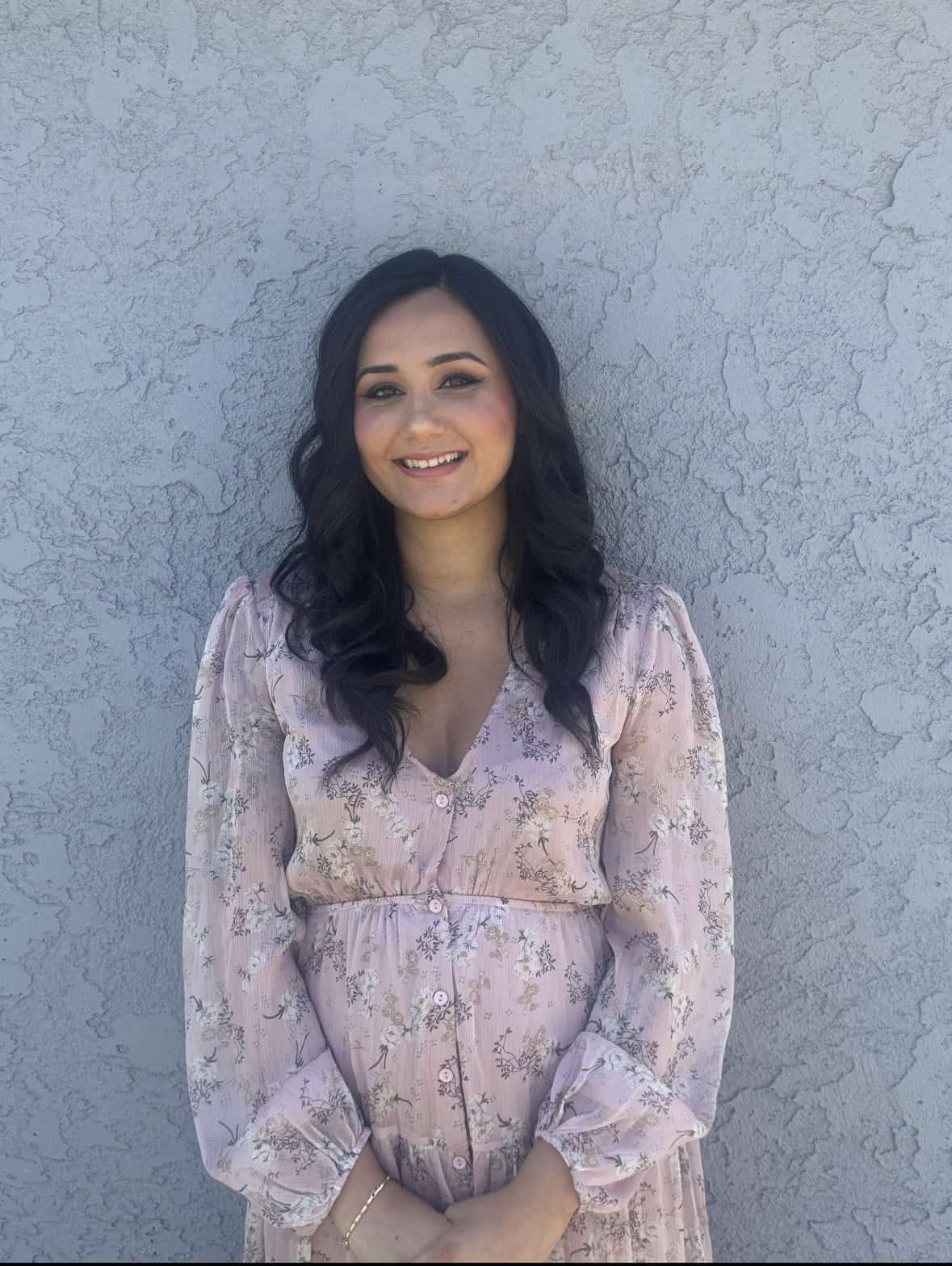
Rachel Handa, Clinical Director
Clinical Director & Therapist


