Key Takeaways
- Alcohol use disorder is the most prevalent substance abuse issue in the Reno-Sparks metropolitan area, fueled by pervasive casino culture and a robust nightlife scene.
- Medical detox is essential for individuals with severe alcohol dependence due to the potentially life-threatening nature of alcohol withdrawal symptoms.
- Renown Regional Medical Center and other Washoe County facilities offer hospital-based alcohol detox and stabilization services.
- Reno's Midtown district and downtown casino row create concentrated environments where alcohol triggers are nearly unavoidable.
- Out-of-state treatment in coastal Orange County offers Reno residents a complete change of environment and access to a large, established recovery community.
- Medication-assisted treatment options including naltrexone, acamprosate, and disulfiram can significantly improve outcomes for alcohol use disorder.
The Scope of Alcohol Addiction in Reno and Sparks
Alcohol is the most widely abused substance in the Reno-Sparks metropolitan area, and the scope of the problem extends far beyond what casual observation might suggest. While every American city grapples with alcohol use disorder, Northern Nevada faces a set of cultural and environmental factors that amplify the issue. The casino industry, which remains a cornerstone of the Reno-Sparks economy, is built around environments where alcohol flows freely and often at no cost to patrons. This normalization of heavy drinking extends from the casino floor into the broader community, affecting social norms, family dynamics, and individual health across Washoe County.
According to the Nevada Department of Health and Human Services, Washoe County consistently reports higher rates of binge drinking and heavy alcohol use compared to national averages. Emergency department visits related to alcohol intoxication at Renown Regional Medical Center and other area hospitals remain persistently elevated, and alcohol-related traffic fatalities on Northern Nevada roads claim dozens of lives each year. Behind these statistics are real families struggling with the devastation that alcohol addiction brings to homes, relationships, and careers throughout the Truckee Meadows.
Alcohol withdrawal can be medically dangerous and potentially life-threatening. If you or someone you know is physically dependent on alcohol, do not attempt to stop drinking suddenly without medical supervision. Contact Renown Regional Medical Center or call Trust SoCal at (949) 280-8360 for guidance on safe detox options.
How Casino Culture Drives Alcohol Abuse in Northern Nevada
The relationship between casino culture and alcohol abuse in the Reno-Sparks area is well documented and deeply entrenched. Unlike most businesses, casinos are designed to keep patrons engaged for extended periods, and complimentary alcohol is one of the primary tools used to achieve this goal.
- Free alcoholic beverages served to active gamblers at casinos along Virginia Street and throughout the Reno-Sparks area encourage prolonged and excessive drinking
- The 24-hour operating schedule of Northern Nevada casinos means alcohol is available at any time, removing the natural limits that closing times impose in other communities
- Social events, concerts, dining, and entertainment at casino properties like the Grand Sierra Resort and Peppermill are heavily centered around alcohol consumption
The Midtown and Downtown Drinking Scene
Beyond the casinos, Reno's revitalized Midtown district and downtown corridor have become hubs of nightlife activity that further normalize heavy drinking among younger residents and professionals.
- Midtown Reno features a dense concentration of bars, breweries, and cocktail lounges within a compact walkable area, creating a drinking-centric social environment
- Downtown Reno's proximity to UNR campus makes it a frequent destination for college students engaging in binge drinking and bar-hopping
- The "Biggest Little City" identity and event culture, including Hot August Nights, Artown, and Great Reno Balloon Race, often feature prominent alcohol sponsorship and availability
Recognizing Alcohol Use Disorder in Yourself or a Loved One
In a community where heavy drinking is culturally normalized, recognizing when alcohol use has crossed the line from social habit to clinical disorder can be challenging. Many Reno and Sparks residents rationalize their drinking by comparing themselves to peers who drink just as much or more. The phrase "everyone drinks here" becomes a shield against self-examination and a barrier to seeking help.
Alcohol use disorder exists on a spectrum from mild to severe, and even individuals who are able to maintain employment and family responsibilities may be experiencing significant harm from their drinking. Physical dependence, characterized by tolerance (needing more alcohol to achieve the same effect) and withdrawal symptoms when not drinking, is a clear sign that professional treatment is needed. But even in the absence of physical dependence, patterns of drinking that consistently lead to negative consequences in health, relationships, work, or legal situations indicate a disorder that benefits from clinical intervention.
Warning Signs That Alcohol Use Has Become a Problem
The following signs may indicate that alcohol use has progressed from recreational drinking to a clinical substance use disorder requiring professional treatment.
- Repeatedly drinking more or for longer periods than intended, including unsuccessful attempts to cut back or control consumption
- Experiencing withdrawal symptoms such as shaking, sweating, nausea, or anxiety when not drinking, or drinking to relieve these symptoms
- Continuing to drink despite clear evidence that alcohol is causing or worsening physical health problems, mental health issues, or relationship conflicts
The Importance of Early Intervention
Early intervention for alcohol use disorder significantly improves treatment outcomes and reduces the risk of severe medical complications. The longer alcohol abuse continues unchecked, the more damage it causes to the brain, liver, cardiovascular system, and social connections.
- Individuals who enter treatment in the early stages of alcohol use disorder generally require shorter treatment durations and experience fewer medical complications during detox
- Early treatment prevents the escalation of physical dependence that makes withdrawal increasingly dangerous over time
- Addressing alcohol use disorder before it leads to job loss, divorce, legal problems, or serious health crises preserves the life structure that supports successful recovery
Alcohol Detox Options in the Reno-Sparks Area
Medical detoxification is a critical first step for anyone with moderate to severe alcohol dependence. Unlike withdrawal from many other substances, alcohol withdrawal carries the risk of seizures, delirium tremens, and other potentially fatal complications. For this reason, individuals who have been drinking heavily and regularly should never attempt to quit cold turkey without medical supervision.
The Reno-Sparks area offers several pathways to medically supervised alcohol detox. Renown Regional Medical Center, the largest hospital in Northern Nevada, provides hospital-based detox services with access to emergency medical intervention if complications arise. Dedicated detox facilities in Washoe County offer structured programs that manage withdrawal symptoms through medication protocols while preparing individuals for the next phase of treatment.
Alcohol detox typically lasts 5 to 10 days, with the most intense withdrawal symptoms occurring in the first 48 to 72 hours. Medications including benzodiazepines and anticonvulsants are commonly used to manage withdrawal safely. After detox, transitioning to a residential or outpatient treatment program is essential for sustained recovery.
What to Expect During Alcohol Detox
Understanding the alcohol detox process can help individuals and families prepare for what lies ahead and make informed decisions about where to complete this critical first phase of treatment.
- An initial medical assessment evaluates the severity of alcohol dependence, overall physical health, and any co-occurring mental health conditions
- Medication protocols are individualized based on the assessment and may include benzodiazepines for seizure prevention, thiamine supplementation, and anti-nausea medications
- Vital signs and withdrawal severity are monitored continuously throughout the detox period to ensure safety and adjust treatment as needed
Residential and Outpatient Alcohol Treatment in Washoe County
Following detox, individuals with alcohol use disorder benefit from ongoing treatment that addresses the psychological, emotional, and behavioral dimensions of addiction. Washoe County offers both residential and outpatient treatment options, and the most appropriate level of care depends on factors including the severity of the alcohol use disorder, the presence of co-occurring mental health conditions, the stability of the individual's living situation, and insurance coverage.
Residential treatment programs in the Reno area provide immersive, 24-hour care in a structured environment. Clients live at the treatment facility and participate in a daily schedule of individual therapy, group counseling, psychoeducation, family therapy, and wellness activities. Outpatient programs, including intensive outpatient programs (IOP), allow individuals to receive treatment during scheduled sessions while continuing to live at home, work, or attend school.
Evidence-Based Therapies for Alcohol Use Disorder
Effective alcohol treatment programs in the Reno area employ evidence-based therapeutic approaches that have been validated through clinical research for the treatment of alcohol use disorder specifically.
- Cognitive-Behavioral Therapy (CBT) helps individuals identify and change the distorted thinking patterns and behavioral habits that drive compulsive drinking
- Motivational Enhancement Therapy builds internal motivation for change and helps resolve ambivalence about quitting alcohol
- Dialectical Behavior Therapy (DBT) teaches emotion regulation, distress tolerance, and interpersonal effectiveness skills that reduce reliance on alcohol as a coping mechanism
Medication-Assisted Treatment for Alcohol Addiction
Several FDA-approved medications have demonstrated effectiveness in reducing alcohol cravings, preventing relapse, and supporting long-term recovery from alcohol use disorder. These medications work best when combined with behavioral therapy and recovery support.
- Naltrexone (oral or injectable) blocks the pleasurable effects of alcohol and reduces cravings, significantly lowering relapse rates
- Acamprosate helps stabilize brain chemistry disrupted by chronic alcohol use and reduces the discomfort of post-acute withdrawal symptoms
- Disulfiram creates an unpleasant physical reaction when alcohol is consumed, serving as a deterrent for individuals committed to abstinence
The Challenge of Alcohol Recovery Along the Truckee River
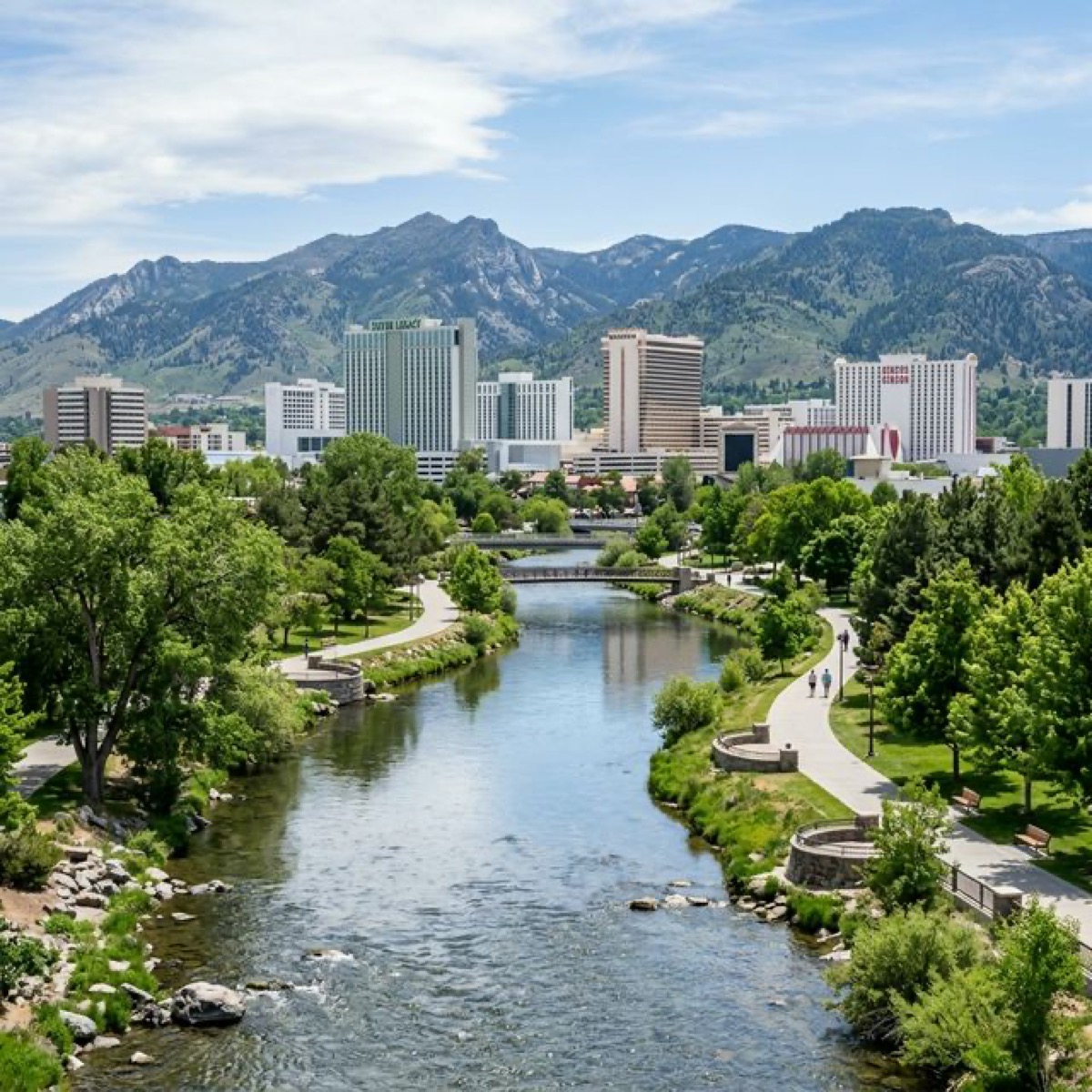
Reno's identity is intertwined with the Truckee River that runs through its heart, and many of the city's most popular gathering places are situated along its banks. The Truckee River Walk, Wingfield Park, and the restaurants and bars that line the riverfront are beloved community spaces, but for individuals in recovery from alcohol addiction, these areas can present persistent triggers due to their strong associations with drinking culture and social gatherings where alcohol is central.
Maintaining sobriety in Reno requires developing a relationship with the city that is not centered on alcohol, which can be a significant adjustment in a community where so much social life revolves around drinking. The challenge is real but not insurmountable, and many Reno residents have built fulfilling sober lives while continuing to enjoy the natural beauty and community that make Northern Nevada special.
For Reno residents who find that local triggers make early recovery especially difficult, spending the first months of sobriety in a different environment can provide the breathing room needed to build strong coping skills. Trust SoCal in Fountain Valley, California offers a coastal Orange County setting entirely removed from Reno's casino and bar culture. Call (949) 280-8360 to learn more.
Developing Sober Social Connections in Reno
One of the most important elements of sustained alcohol recovery is building a social network that supports sobriety. In Reno, this requires intentional effort to seek out recovery-oriented activities and relationships.
- Regular attendance at AA, NA, or SMART Recovery meetings creates a built-in community of people who understand the challenges of sobriety in Northern Nevada
- Outdoor recreation groups focused on hiking, cycling, skiing, and kayaking on the Truckee River offer substance-free social activities that leverage Reno's natural surroundings
- Recovery-friendly restaurants, coffee shops, and event spaces in the Reno area provide alternatives to the bar-centric social scene
Why Reno Residents Travel to Orange County for Alcohol Treatment
The decision to seek alcohol addiction treatment outside of Northern Nevada is increasingly common among Reno and Sparks residents who recognize that their local environment plays a significant role in perpetuating their drinking. Orange County, California has become a preferred treatment destination for Washoe County residents for reasons that go beyond simple geographic distance.
Trust SoCal in Fountain Valley, California provides a comprehensive alcohol treatment program in an environment that could not be more different from Reno's casino corridor. The mild coastal climate, the absence of casino culture, and the presence of one of the nation's largest recovery communities create conditions that are inherently supportive of the early recovery process. For many Reno residents, the five-hour drive to Orange County represents a journey toward a fundamentally different way of living.
Advantages of Orange County Treatment for Reno Residents
Multiple factors make Orange County an appealing treatment destination for individuals struggling with alcohol addiction in the Reno-Sparks area.
- Complete removal from the casino culture, bar scene, and drinking-centric social environments that define much of Reno's social life
- Access to a recovery community with hundreds of weekly meetings, sober living options, and a culture where sobriety is normalized and celebrated
- Temperate coastal climate that allows year-round outdoor therapeutic activities without the weather extremes that characterize Northern Nevada winters
Family Support and Intervention for Alcohol Addiction
Alcohol addiction does not affect only the individual who drinks. Families across the Reno-Sparks area bear the emotional, financial, and relational consequences of a loved one's alcohol abuse. Children of individuals with alcohol use disorder, spouses and partners, parents, and siblings all experience the ripple effects of addiction, and their own healing is an essential component of the recovery process.
If you are a family member of someone in the Reno area struggling with alcohol addiction, you are not powerless and you are not alone. Al-Anon and Alateen meetings are available throughout Washoe County, providing support and guidance for families affected by a loved one's drinking. Professional interventionists can also help families organize structured conversations that encourage the individual to enter treatment.
How Families Can Encourage Treatment
Family members often play a pivotal role in helping a loved one recognize the need for alcohol treatment. Understanding how to approach this sensitive conversation can increase the likelihood of a positive outcome.
- Educate yourself about alcohol use disorder as a medical condition rather than a moral failing, and approach conversations from a place of compassion and concern
- Consider working with a professional interventionist who can guide the family through a structured, evidence-based intervention process
- Contact Trust SoCal at (949) 280-8360 to discuss family options and learn how to support a loved one's path to treatment
Taking the First Step Toward Alcohol Recovery
Acknowledging that alcohol has become a problem and reaching out for help requires extraordinary courage, particularly in a community where heavy drinking is so deeply normalized. If you are reading this article and recognizing your own situation in its descriptions, that recognition itself is significant. It means you are already considering the possibility of change, and that willingness is the foundation upon which recovery is built.
Trust SoCal is available 24 hours a day, 7 days a week to answer questions about alcohol treatment options, verify insurance benefits, and help Reno-Sparks residents develop a personalized treatment plan. Whether you choose local treatment in Washoe County or decide that the change of scenery offered by Orange County is what your recovery needs, our team is here to support you through every step of the process. Call (949) 280-8360 today and take the first step toward a life no longer controlled by alcohol.
Trust SoCal offers free, confidential consultations for Reno and Sparks residents struggling with alcohol addiction. Our admissions coordinators understand Northern Nevada's unique challenges and can help you explore treatment options that fit your needs, your insurance, and your life. Call (949) 280-8360 anytime, day or night.

Kristin Stevens, LCSW
Licensed Clinical Social Worker