Key Takeaways
- UNR students face a convergence of college drinking culture and Reno's casino-and-nightlife environment that creates elevated risk for developing substance use disorders during their university years.
- Binge drinking is the most prevalent substance abuse issue among UNR students, but prescription drug misuse, marijuana use disorder, and stimulant abuse including Adderall and cocaine are also significant concerns.
- The proximity of UNR's campus to Midtown Reno's bar district and downtown casino row places students in constant proximity to environments that facilitate heavy drinking and drug use.
- UNR offers campus-based resources through Student Health Services and the Counseling Center, but students with moderate to severe substance use disorders typically need external treatment programs.
- Young adult-specific treatment programs address the developmental considerations unique to college-aged individuals while building recovery skills that support both sobriety and academic success.
- Trust SoCal offers young adult treatment programs that help UNR students establish recovery in a supportive Orange County environment before returning to Reno to continue their education.
The Unique Substance Abuse Landscape at UNR
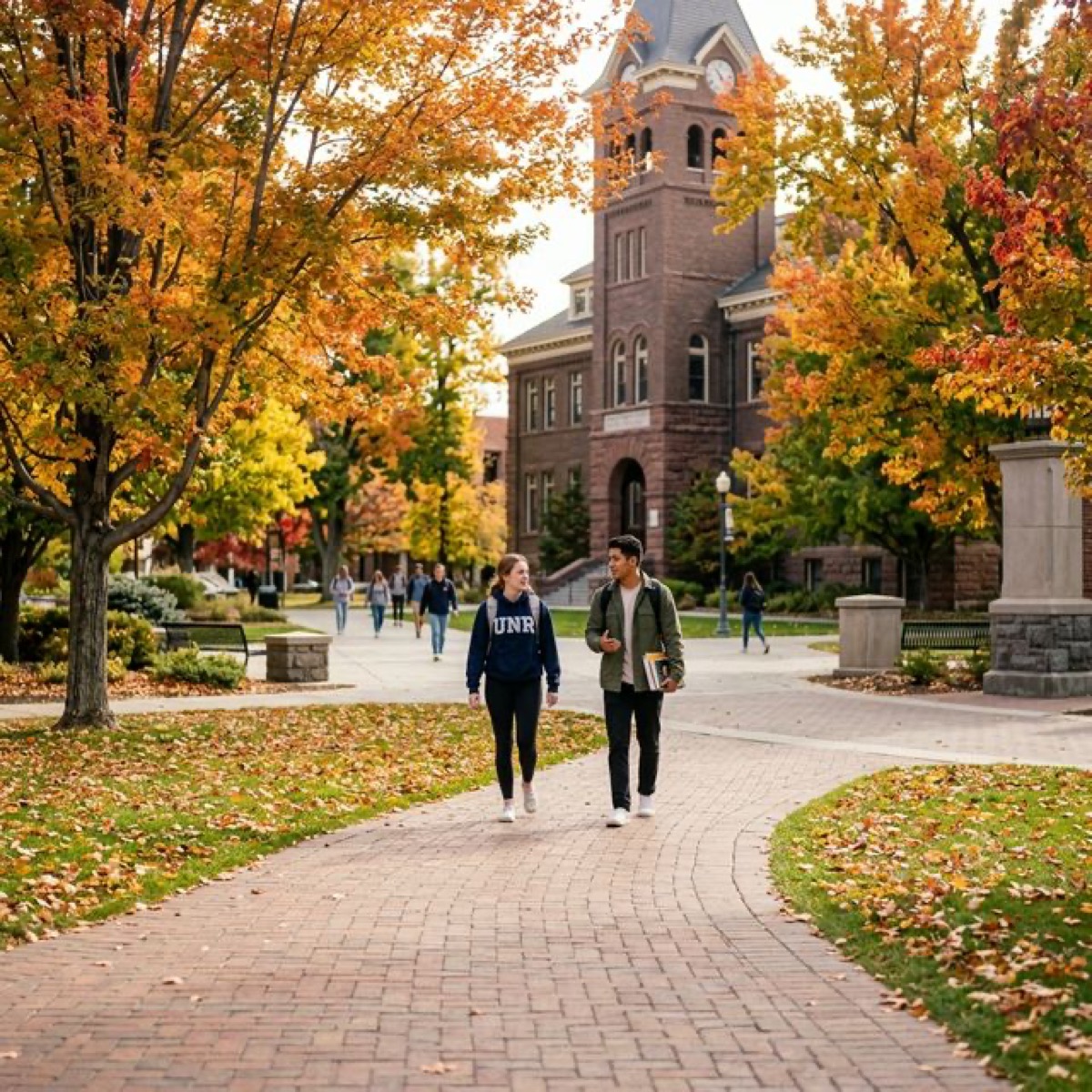
The University of Nevada, Reno occupies a unique position in the landscape of American higher education when it comes to student substance abuse. With approximately 21,000 students, UNR is the state's flagship public university and the academic and social center of the Reno community. But unlike most college campuses, UNR sits within a city whose identity has been shaped by the casino and entertainment industry for nearly a century. This convergence of traditional college drinking culture with Reno's gambling-and-nightlife environment creates a set of substance abuse risk factors that are distinct from what students at most other universities encounter.
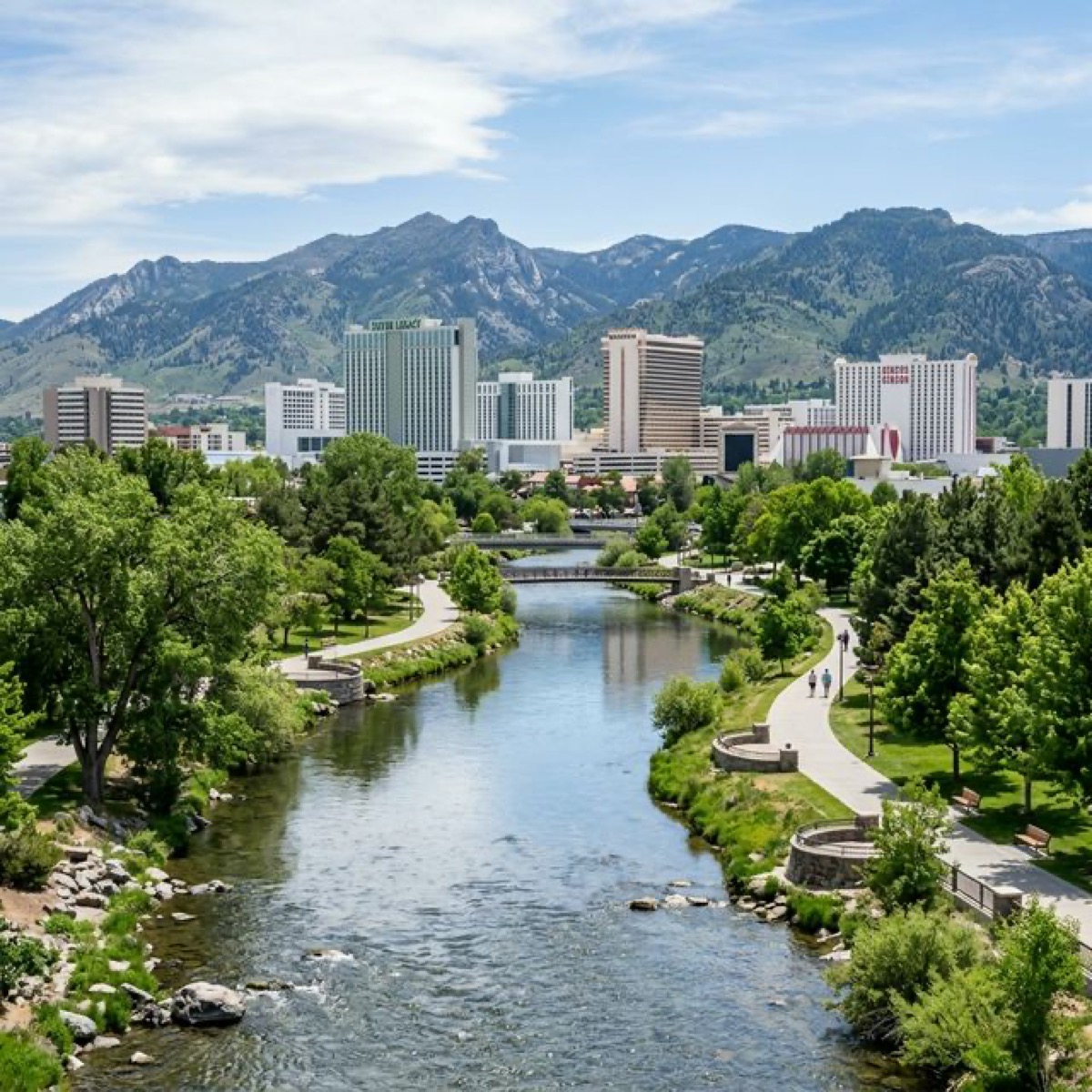
Walk north from UNR's campus and within minutes you reach the Truckee River corridor and the beginning of downtown Reno's casino district along Virginia Street. Walk south and you enter the Midtown neighborhood, a revitalized strip of bars, breweries, and cocktail lounges that has become the social hub for Reno's younger population. For UNR students, the campus exists in a pocket surrounded on multiple sides by environments that actively facilitate drinking, gambling, and drug use. This geographic reality shapes the social experience of university life in ways that have significant implications for student health and well-being.
If you are a UNR student or the parent of a student experiencing a substance abuse crisis, help is available immediately. Call UNR Counseling Services at (775) 784-4648 during business hours, or contact Trust SoCal at (949) 280-8360 any time, 24/7, for confidential treatment guidance.
Binge Drinking Culture on Campus and Beyond
Binge drinking, defined as consuming five or more drinks for men or four or more for women within a two-hour period, is the most prevalent substance abuse issue among UNR students and the gateway through which many students first develop problematic relationships with alcohol.
- Greek life organizations, while providing valuable social connections, often include alcohol-centric traditions and events that normalize heavy drinking among members and pledges
- UNR athletic events, particularly football and basketball games, are accompanied by tailgating culture that centers heavily on alcohol consumption
- The legal gambling age in Nevada is 21, but the drinking age is the same, and the casino environment that surrounds campus offers a level of alcohol availability and normalization far exceeding what students at most universities experience
Beyond Alcohol: Other Substances of Concern at UNR
While alcohol dominates the substance abuse landscape at UNR, several other substances present significant risks to student health and academic success.
- Prescription stimulant misuse, particularly Adderall and Vyvanse used as study aids, is widespread among UNR students, with pills frequently shared or sold among peers during exam periods
- Marijuana use, while now legal for adults 21 and over in Nevada, can develop into a use disorder that impairs academic performance, motivation, and mental health for vulnerable students
- Cocaine use at Reno nightlife venues and casino afterparties exposes students to a highly addictive stimulant with significant cardiovascular risks
The Reno Effect: How the City Amplifies Campus Substance Use
The substance abuse patterns observed at UNR cannot be separated from the broader cultural context of the city in which the university is located. Reno's unique environment amplifies risk factors that exist on all college campuses.
- Twenty-four-hour casino access means that the typical campus party does not have to end when the bars close at 2 AM; students can continue drinking and gambling indefinitely at nearby properties
- The proximity of Midtown bars and downtown casinos to student housing creates walkable access to drinking establishments that eliminates the natural barrier of needing a designated driver
- Reno's event culture, including Hot August Nights, Street Vibrations motorcycle rally, and numerous gaming tournaments, brings spikes of alcohol and drug availability that coincide with the academic calendar
Recognizing Substance Abuse Problems in College Students
Identifying when substance use has crossed the line from typical college experimentation to a clinical substance use disorder is one of the most challenging aspects of addressing addiction in the university population. The social norms at UNR and in Reno more broadly tend to normalize levels of alcohol and drug use that would be considered problematic in many other contexts. Students may compare their own consumption to peers and conclude that their drinking or drug use is normal when it has, in fact, reached clinically significant levels.
Parents, friends, roommates, and academic advisors are often the first to notice the warning signs of a developing substance use disorder, even when the student themselves is unable or unwilling to see the problem. Changes in academic performance, social circle, sleep patterns, physical appearance, and mood can all signal that substance use has escalated beyond recreational levels and is beginning to impair functioning.
Academic Warning Signs
The academic environment of a university provides some of the earliest and most objective indicators that a student's substance use has become problematic.
- Declining grades, missed classes, and failure to complete assignments that coincide with periods of heavy drinking or drug use
- Inability to study effectively due to hangovers, withdrawal symptoms, or preoccupation with obtaining and using substances
- Academic probation or loss of scholarship eligibility as a direct or indirect result of substance use patterns
Social and Behavioral Warning Signs
Changes in social behavior and personal functioning often provide additional evidence that substance use has become a disorder requiring professional intervention.
- Withdrawal from non-drinking social activities, hobbies, and interests that previously provided fulfillment, replaced by increasing time spent in drinking or drug-using environments
- Changes in friend groups toward peers who drink more heavily or use drugs, and distancing from friends who express concern about substance use
- Risky behavior while under the influence including driving while intoxicated, sexual risk-taking, or aggressive and confrontational behavior uncharacteristic of the individual's sober personality
Campus Resources at the University of Nevada, Reno
UNR offers several campus-based resources that can serve as a first point of contact for students concerned about their substance use or the substance use of a friend. The university's Student Health Center provides basic screening and referral services, while the Counseling Center offers individual and group counseling for a range of mental health and substance use concerns. These campus resources are appropriate for students in the early stages of problematic substance use or those seeking assessment to determine whether a higher level of care is needed.
However, it is important for students and families to understand that campus-based services have significant limitations when it comes to treating moderate to severe substance use disorders. University counseling centers are designed to provide short-term support and are not equipped to offer the intensive, sustained treatment that clinical addiction requires. Students with developed substance use disorders typically need to access external treatment resources, either locally in the Reno area or at specialized treatment facilities outside Northern Nevada.
UNR's Counseling Center can be reached at (775) 784-4648. Students can schedule appointments for individual counseling, substance abuse screening, and referral to external treatment providers. Crisis services are also available for students in immediate distress.
On-Campus Support Services
UNR provides several avenues of support for students dealing with substance abuse issues, though these are best suited for early intervention and referral rather than comprehensive treatment of established disorders.
- The Counseling Center offers confidential individual counseling sessions where students can explore their relationship with substances and determine whether additional treatment is needed
- Student Health Services can conduct medical screenings and provide referrals to community detox and treatment programs in the Reno area
- Collegiate Recovery programs on campus provide peer support for students who are in recovery or questioning their substance use
When Campus Resources Are Not Enough
Several indicators suggest that a UNR student's substance use has progressed beyond what campus-based services can effectively address and that external treatment is needed.
- Physical dependence on alcohol or drugs, evidenced by withdrawal symptoms when not using, requires medical detox that campus health services cannot provide
- Failed attempts to reduce or stop substance use through willpower or campus counseling alone indicate the need for a more intensive treatment environment
- Co-occurring mental health disorders such as depression, anxiety, or trauma alongside substance use require integrated dual diagnosis treatment from specialized providers
External Treatment Options for UNR Students
When a UNR student's substance use disorder requires treatment beyond what campus resources can provide, several external options are available in the Reno area and beyond. The appropriate level of care depends on the severity of the addiction, the presence of co-occurring mental health conditions, and the student's goals regarding academic continuity.
Local outpatient programs in Washoe County can allow students to receive treatment while continuing to attend classes, though the proximity to campus drinking culture can undermine recovery efforts. Residential treatment programs provide more intensive care but typically require a medical leave of absence from UNR. For many students and families, the combination of comprehensive treatment and geographic separation from the campus environment produces the best outcomes.
Outpatient Treatment in the Reno Area
Outpatient and intensive outpatient programs in Washoe County offer the advantage of allowing students to continue their education while receiving treatment, though this approach requires a strong commitment to recovery in an environment full of triggers.
- Intensive outpatient programs in Reno typically meet 3 to 5 evenings per week for 3 to 4 hours per session, allowing continued class attendance during the day
- Individual therapy with addiction-specialized counselors in the Reno area can be scheduled around academic commitments
- Young adult-specific group therapy provides peer support from others in similar life stages facing comparable substance abuse challenges
Residential Treatment and Medical Leave
For students whose substance use disorder is too severe to treat on an outpatient basis, residential treatment offers the intensive, immersive care needed to establish a stable foundation of recovery.
- UNR allows medical leave of absence for students entering substance abuse treatment, with a pathway to return upon successful completion of an approved program
- Residential treatment lasting 30 to 90 days removes the student entirely from the campus environment and provides focused, uninterrupted time for recovery work
- Out-of-state treatment at facilities like Trust SoCal in Orange County adds geographic separation from Reno's unique combination of campus and casino culture
Young Adult Treatment at Trust SoCal
Trust SoCal in Fountain Valley, California offers young adult treatment programs specifically designed for the developmental needs and life circumstances of college-aged individuals. Our clinical team understands that treating a 20-year-old UNR student requires a different approach than treating a 45-year-old professional, and our young adult track is tailored accordingly.
The program addresses not only the substance use disorder itself but also the developmental tasks that addiction has interrupted, including identity formation, emotional regulation, relationship skills, and the development of healthy coping mechanisms that do not rely on alcohol or drugs. For UNR students, this means building the skills needed to return to campus and navigate the Reno social scene without substances serving as the foundation of social interaction.
Trust SoCal's young adult program is designed for college students and young professionals ages 18 to 30. We understand the academic, social, and developmental complexities of treating substance use disorders in this age group. Call (949) 280-8360 to learn how we can help a UNR student begin recovery while planning for academic reentry.
What Makes Young Adult Treatment Different
Young adult-specific treatment programs recognize that the needs, motivations, and recovery challenges of college-aged individuals differ significantly from those of older adults.
- Peer groups composed entirely of young adults create a treatment environment where students can relate to one another's experiences and build recovery-supportive friendships
- Therapeutic approaches are adapted to address the developmental stage of emerging adulthood, including identity exploration, establishing independence, and building life skills
- Academic and career planning is integrated into the treatment process, so that recovery and educational goals are aligned rather than in conflict
The Orange County Advantage for UNR Students
For UNR students, seeking treatment in Orange County offers advantages that go beyond what is available locally in the Reno area.
- Complete separation from the UNR campus, Midtown bars, downtown casinos, and the social circles associated with substance use eliminates environmental triggers during the critical early weeks of recovery
- Orange County's large young adult recovery community provides peer connections with other college-aged individuals who have successfully established sobriety
- The mild coastal climate allows for year-round outdoor therapeutic activities that provide natural dopamine and serotonin boosts, supporting neurological recovery from substance use
Academic Planning and Medical Leave for Treatment
One of the most common barriers to UNR students entering treatment is concern about the impact on their academic progress. The fear of falling behind, losing scholarship eligibility, or delaying graduation can keep students stuck in active addiction long past the point where they recognize they need help. It is important for students and families to understand that universities, including UNR, have policies in place to support students who need to take medical leave for substance abuse treatment.
UNR's medical leave policy allows students to withdraw from classes for health reasons, including addiction treatment, without the academic penalties that would normally accompany a mid-semester withdrawal. Returning to the university after completing treatment typically involves providing documentation of treatment completion and meeting with a student affairs advisor to plan the reentry process. Many students find that the semester invested in recovery is the most valuable educational experience of their college careers.
Navigating the Medical Leave Process at UNR
Understanding the practical steps involved in taking a medical leave of absence from UNR for substance abuse treatment can help reduce the anxiety that prevents many students from seeking the help they need.
- Contact the UNR Dean of Students office to initiate the medical leave process and understand the specific documentation requirements for substance abuse treatment
- Work with financial aid to understand the impact of a leave of absence on scholarships, grants, and loan obligations, and to arrange for deferment if necessary
- Coordinate with Trust SoCal's admissions team at (949) 280-8360 to align the treatment timeline with UNR's academic calendar and leave policies
Planning for Return to Campus After Treatment
A successful return to UNR after completing substance abuse treatment requires careful planning that begins during the treatment period and continues through the reentry process.
- Develop a campus recovery plan that identifies sober social activities, recovery meetings, and supportive peers before returning to the university environment
- Establish connections with outpatient therapists and recovery support groups in the Reno area before arriving back on campus so that continuity of care is maintained
- Consider modified course loads, changed living arrangements, and restructured social routines that support sobriety during the vulnerable first semester back at UNR
A Message to Parents of UNR Students
If you are the parent of a UNR student and you are worried about your child's drinking or drug use, your concern is valid and your instincts are likely correct. Parents are often the first to notice the changes in behavior, mood, academic performance, and financial patterns that signal a substance use disorder, even when the student insists everything is fine. The culture of Reno and the social dynamics of college life can make it easy for students to dismiss parental concern as overreaction, but the data on college substance abuse and the specific risks of the Reno environment suggest that parental vigilance is warranted.
Approaching a college-aged child about substance abuse requires sensitivity and strategy. Young adults are at a developmental stage where autonomy and identity are paramount, and direct confrontation can trigger defensiveness rather than receptivity. Express your concern from a place of love, share specific observations rather than generalizations, and offer concrete help rather than ultimatums when possible. Trust SoCal's clinical team is experienced in helping parents navigate these conversations and can provide guidance on how to approach a student about treatment.
Parents of UNR students concerned about substance abuse can call Trust SoCal at (949) 280-8360 for a confidential consultation. Our admissions team can help you understand your child's options, discuss intervention strategies, and develop a plan of action. We understand the unique dynamics of the parent-college student relationship and the specific challenges of the Reno environment.
How to Talk to Your College Student About Substance Abuse
Effective communication about substance use with a college-aged child requires a thoughtful approach that balances parental concern with respect for the young adult's developing autonomy.
- Choose a time and setting that is private and calm, avoiding conversations when the student is intoxicated, recently hungover, or emotionally escalated
- Lead with specific, observable concerns rather than labels or accusations. For example, instead of saying "you are an alcoholic," try "I have noticed that your grades have dropped significantly and your roommate mentioned you have been missing classes regularly"
- Offer to help research treatment options and handle logistics such as insurance verification, travel arrangements, and academic leave paperwork, reducing the practical barriers that might prevent your child from accepting help
Recovery Is Possible: The Future After Treatment
For UNR students struggling with substance abuse, it may feel as though seeking treatment means giving up on their academic and professional goals. In reality, the opposite is true. Substance use disorders that are left untreated only escalate, and the academic, relational, financial, and health consequences compound over time. A semester or year invested in recovery lays the foundation for the kind of focused, healthy engagement with university life that addiction makes impossible.
Thousands of college students across the country have taken medical leave for addiction treatment and returned to their universities stronger, more focused, and more capable than they were before. The skills learned in treatment, including emotional regulation, stress management, healthy communication, and self-awareness, are not just recovery tools but life skills that enhance academic performance, professional development, and personal relationships. For UNR students, recovery opens the door to experiencing everything that Reno and the university have to offer without substances obscuring the view.
Recovery does not mean the end of your college experience. It means the beginning of a college experience that you can actually be present for. Trust SoCal helps UNR students build recovery foundations that support academic success. Call (949) 280-8360 to take the first step.

Rachel Handa, Clinical Director
Clinical Director & Therapist