Key Takeaways
- Mountain West residents increasingly choose California for addiction treatment due to limited local capacity, privacy concerns, and the clinical advantages of specialized facilities.
- California treatment centers like Trust SoCal offer evidence-based modalities including DBT, EMDR, neurofeedback, and comprehensive dual-diagnosis care that are rarely available in Montana, Wyoming, or Idaho.
- Privacy in small Mountain West communities is virtually impossible, and the anonymity of out-of-state treatment allows individuals to engage more fully in the therapeutic process without reputation management concerns.
- Environmental change from Mountain West to Southern California disrupts established substance use triggers and neural pathways, providing the brain with a reset opportunity essential for building new patterns.
- Southern California's year-round mild climate supports outdoor therapeutic activities, natural vitamin D production, and wellness-oriented recovery programming not possible during Mountain West winters.
- Comprehensive discharge planning connects returning Mountain West residents with local aftercare providers, recovery meetings, and telehealth support to ensure continuity of care after treatment.
The Growing Trend of Out-of-State Treatment
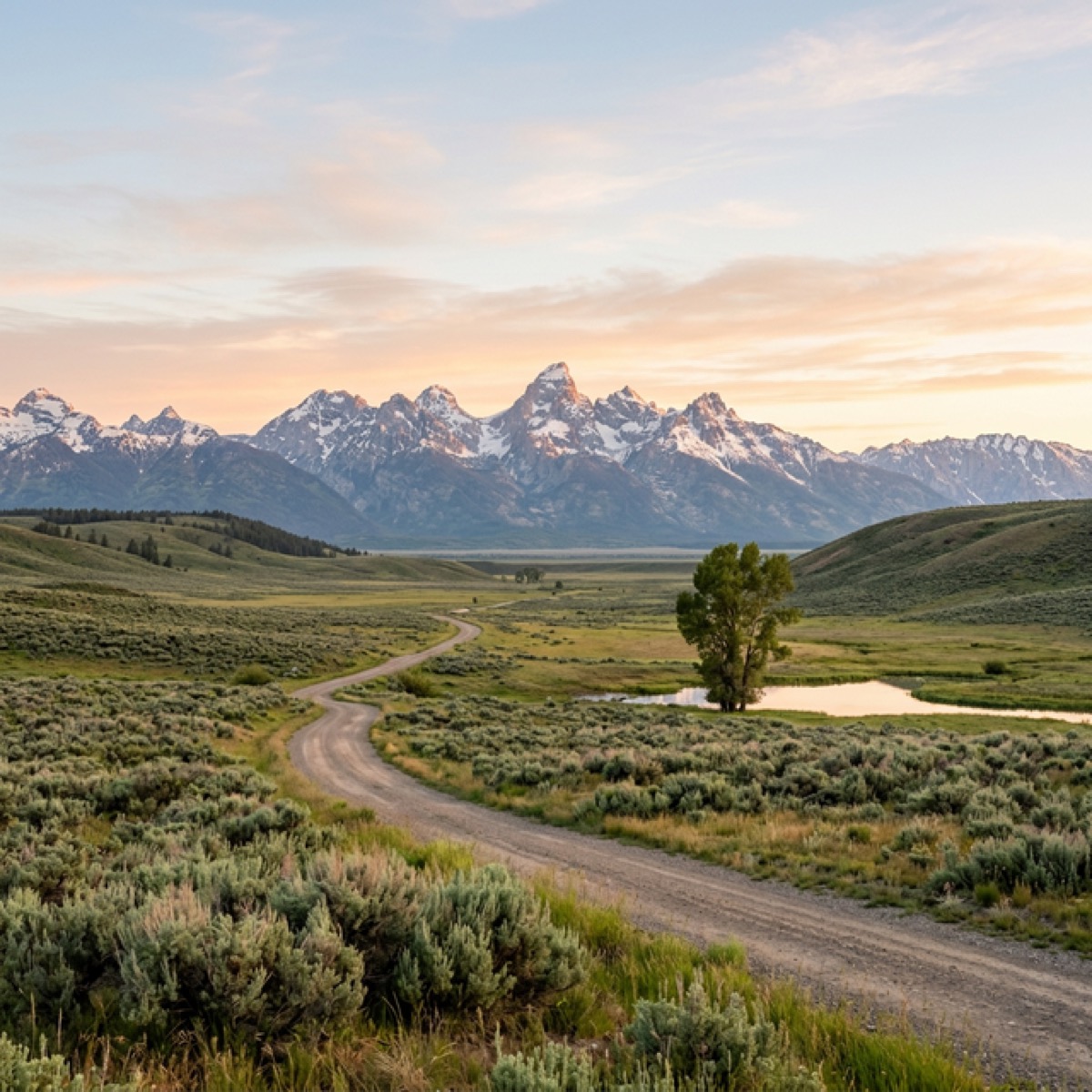
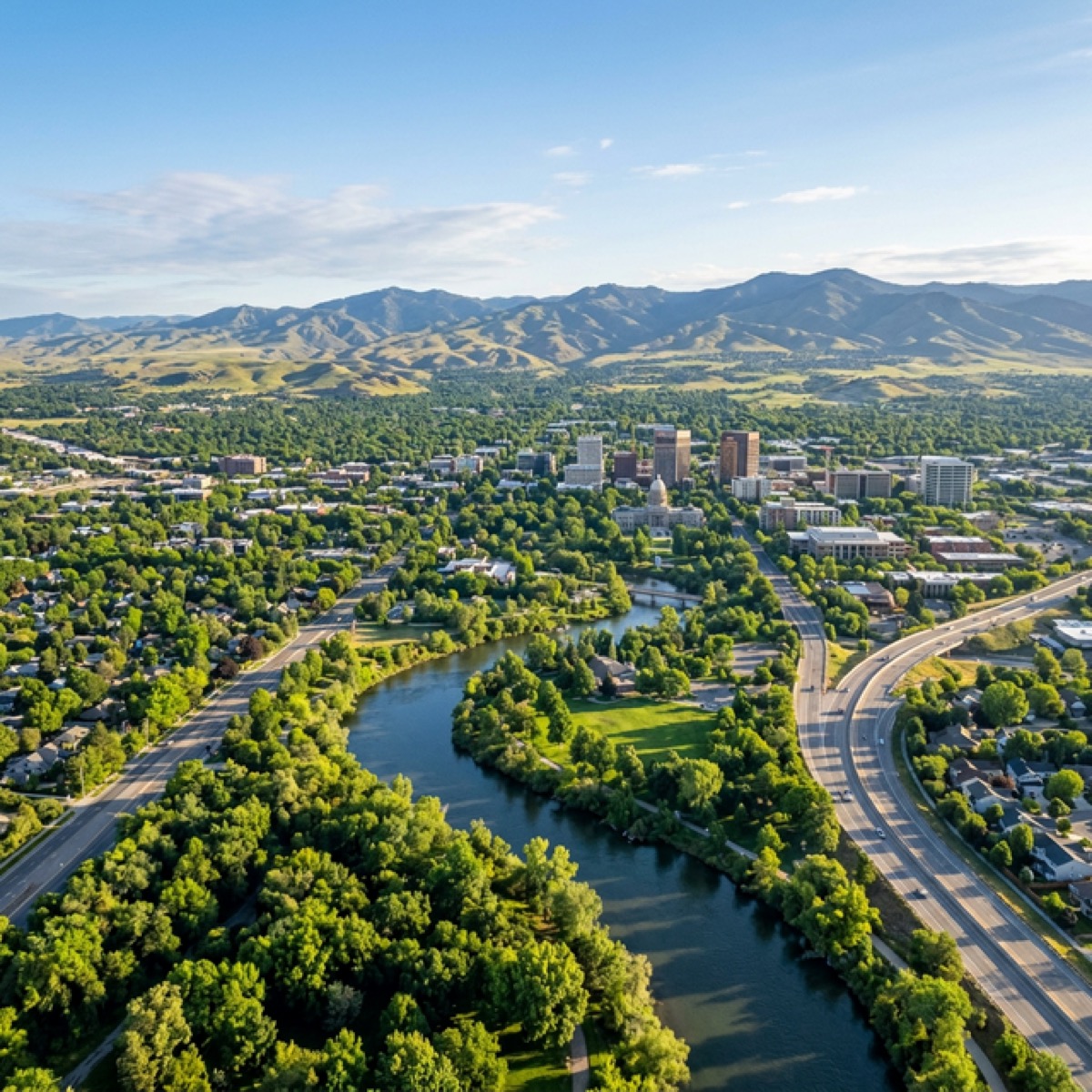
A significant and growing number of individuals from Mountain West states — Montana, Wyoming, Idaho, the Dakotas, and parts of Utah and Colorado — are choosing to travel to California for addiction treatment. This trend, which has accelerated over the past decade, reflects a rational response to the structural limitations of treatment infrastructure in some of America's most sparsely populated states. Rather than viewing out-of-state treatment as an act of desperation, many individuals and families are approaching it as a strategic healthcare decision, choosing the treatment setting most likely to produce successful, lasting recovery regardless of its geographic location.
The factors driving this trend are multifaceted and interconnected. Limited treatment capacity in Mountain West states means that wait times for admission to residential programs can extend weeks or even months. The narrow range of treatment modalities available in rural areas means that individuals with complex clinical presentations may not receive the specialized care they need. Privacy concerns in small communities create powerful disincentives for local treatment. And the therapeutic benefits of environmental change are well-established in the clinical literature on addiction recovery.
California, and Southern California in particular, has emerged as a leading destination for Mountain West residents seeking treatment, and the reasons extend far beyond climate and beaches. The state's concentration of addiction treatment expertise, its regulatory framework that supports evidence-based care, its diverse treatment environment, and its robust recovery community infrastructure all contribute to treatment experiences that many clients describe as transformative.
Clinical Advantages of California Treatment Centers
The clinical sophistication of California addiction treatment centers is perhaps the most compelling reason Mountain West residents choose to travel for care. California's large population, extensive academic medical infrastructure, and history of treatment innovation have created a treatment ecosystem that offers specialized services rarely available in less populated states. Trust SoCal, located at 16537 Elm Cir, Fountain Valley, CA 92708, exemplifies this clinical advantage with a treatment approach that integrates multiple evidence-based modalities into individualized care plans developed by a multidisciplinary team of specialists.
Specific treatment modalities commonly available at California facilities but rare or absent in Mountain West states include dialectical behavior therapy (DBT), which is particularly effective for individuals with emotion regulation difficulties. Eye movement desensitization and reprocessing (EMDR), a trauma-processing therapy with robust evidence supporting its effectiveness, requires specialized training that few Mountain West providers have obtained. Neurofeedback, art therapy, music therapy, and other experiential modalities complement traditional talk therapy by providing alternative channels for emotional expression and processing.
Clinical Specializations at California Facilities
California treatment centers offer depth and breadth of clinical programming that is difficult to replicate in states with smaller populations and more limited treatment infrastructure.
- Dual-Diagnosis Expertise: Comprehensive assessment and simultaneous treatment of co-occurring mental health conditions including depression, anxiety, PTSD, bipolar disorder, and personality disorders, with on-site psychiatric services and medication management
- Trauma-Informed Care: Specialized protocols for addressing the trauma that underlies many substance use disorders, including childhood abuse, military combat trauma, domestic violence, sexual assault, and accident-related PTSD
- Medication-Assisted Treatment (MAT): Full spectrum of FDA-approved medications for alcohol and opioid use disorders, managed by addiction medicine physicians with extensive prescribing experience
- Process Addiction Treatment: Specialized programming for behavioral addictions including gambling, compulsive behaviors, and internet/gaming addiction, often co-occurring with substance use disorders
- Executive and Professional Programs: Discrete treatment options designed for professionals who need confidentiality, with private accommodations and flexible scheduling
The Privacy Factor
For residents of Mountain West states, privacy may be the single most powerful motivator for seeking treatment out of state. The social dynamics of small communities — where the checkout clerk, the bank teller, and the nurse at the doctor's office all know your name, your family, and your business — create conditions in which seeking addiction treatment feels tantamount to public confession. In a town of 2,000 people, there is no anonymous way to enter treatment. For professionals, business owners, public officials, and others whose public reputation is integral to their livelihood, the prospect of community knowledge about their addiction treatment can be genuinely terrifying.
The fear of stigma associated with addiction is not irrational — despite decades of public health messaging emphasizing addiction as a medical condition, stigma remains pervasive, particularly in culturally conservative communities. Individuals who seek treatment locally may face judgment from neighbors, exclusion from social circles, damage to professional relationships, and even discrimination in employment and housing. Parents in recovery may fear that community knowledge of their treatment could be used against them in custody disputes.
Traveling to California for treatment eliminates these privacy concerns entirely. At a facility like Trust SoCal in Fountain Valley, Mountain West residents are unknown — they are surrounded by peers from diverse backgrounds, none of whom have connections to their home communities. When individuals are free from the burden of managing their reputation, they can engage more fully and honestly in the therapeutic process. They can be vulnerable in group therapy without wondering if the person across the circle will gossip about them at the next community meeting.
The Therapeutic Value of Environmental Change
The concept of environmental change as a therapeutic tool in addiction recovery has deep roots in clinical theory and practice. Environmental cues — the sights, sounds, smells, locations, and social contexts associated with substance use — are powerful triggers for craving and relapse. For individuals whose entire daily environment is saturated with these cues, recovery in place can feel like trying to quit smoking while living inside a cigarette factory. The neural pathways that connect environmental cues to substance-seeking behavior are deeply encoded through years of repetitive use.
For Mountain West residents, traveling to Southern California for treatment creates a comprehensive environmental shift that disrupts established substance use patterns at every level. The daily routine changes completely — different waking hours, different activities, different meals, different landscapes. The social environment changes — new faces, new conversations, new perspectives. The geographic environment changes — ocean instead of prairie, palm trees instead of pines. This multidimensional change in environment provides the brain with a reset opportunity.
The therapeutic community environment of residential treatment in California provides an immersive experience that amplifies the benefits of environmental change. Living alongside peers who are also committed to recovery creates a microcosm of sober living that demonstrates, through daily experience, that life without substances is not only possible but genuinely enjoyable. Many individuals who attend treatment in California form lasting friendships with peers from across the country — connections that become part of their recovery support network long after they return home.
Leaving your home state for treatment requires extraordinary courage. It means acknowledging that the life you have been living is not working and committing to the unknown. That courage — the same courage that built communities across the Mountain West — is the foundation of lasting recovery.
Climate and Wellness Benefits
The climate advantage of Southern California for addiction treatment is more than a lifestyle amenity — it has genuine therapeutic implications. Seasonal affective disorder (SAD) is prevalent in Mountain West states where winters bring short days, bitter cold, and extended periods of cloud cover. For individuals in early recovery, the depression associated with SAD can compound the already-challenging neurochemical adjustments of sobriety, increasing relapse risk. Seeking treatment in Southern California removes this seasonal risk factor and provides a neurochemical boost through increased serotonin production associated with sun exposure.
The physical environment of Orange County, where Trust SoCal is located, supports a wellness-oriented treatment experience that engages the whole person. Therapeutic outings to local beaches provide opportunities for mindfulness practice. Outdoor exercise, hiking, and yoga can be conducted year-round. The mild climate allows for extended time outdoors, which research has consistently linked to reduced stress, improved mood, and enhanced cognitive function — all of which support the neurological healing that occurs during early recovery.
Wellness Advantages of California Treatment
Southern California's physical environment provides measurable therapeutic benefits that complement clinical treatment programming.
- Year-Round Outdoor Therapy: Unlike Mountain West states where winter weather limits outdoor activities for four to six months, Southern California allows therapeutic outdoor programming throughout the year, including beach walks, hiking, outdoor yoga, and nature-based mindfulness practices
- Vitamin D and Serotonin: Abundant sunshine supports natural vitamin D production and serotonin synthesis, directly countering the depression and lethargy that often accompany early recovery
- Active Recovery Culture: Southern California's fitness-oriented culture provides a ready-made framework for incorporating physical activity into recovery, with abundant gyms, running trails, and wellness studios
- Nutritional Resources: Orange County's diverse food scene and emphasis on fresh, healthy cuisine support the nutritional rehabilitation that is an important component of early recovery from addiction
Addressing Concerns About Out-of-State Treatment
Mountain West residents considering out-of-state treatment often have practical concerns that deserve thoughtful responses. The most common concern is distance from family — how will they stay connected, participate in family therapy, and receive visits during treatment? Trust SoCal addresses this through regular scheduled phone and video calls, virtual family therapy sessions, and carefully planned family visiting weekends. Many families find that the structured communication during treatment actually improves their relationships.
Insurance coverage for out-of-state treatment is another common concern. The Affordable Care Act requires that marketplace plans cover essential health benefits including substance use disorder treatment regardless of where services are rendered. Many commercial insurance plans provide out-of-network benefits that can be applied to out-of-state treatment. Trust SoCal's admissions team specializes in insurance verification and can determine your specific coverage before you make a decision about treatment.
The concern about aftercare and continuity of treatment after returning home is legitimate and important. Effective treatment programs address this through comprehensive discharge planning that begins early in the treatment process. Trust SoCal develops individualized aftercare plans for each client that include connections with outpatient providers, therapists, and recovery support services in their home community. For Mountain West residents, this might include identifying a local counselor in Billings, Boise, or Cheyenne, connecting with recovery meetings, and establishing a telehealth relationship for ongoing support.
Most commercial insurance plans cover out-of-state addiction treatment. Trust SoCal's admissions team provides free, no-obligation insurance verification before you make any decisions. Call (949) 280-8360 to learn exactly what your plan covers.
The Trust SoCal Difference for Mountain West Residents
Trust SoCal has developed a particular expertise in serving clients from the Mountain West, understanding the unique cultural context, community dynamics, and practical challenges that shape the addiction experience in this region. The clinical team recognizes that individuals from Montana, Wyoming, and Idaho bring specific strengths to treatment — resilience, work ethic, connection to nature, and community values — as well as specific challenges including deep-seated self-reliance that can resist the vulnerability required for therapeutic growth.
Located at 16537 Elm Cir, Fountain Valley, CA 92708, Trust SoCal provides a comprehensive continuum of care from medical detoxification through residential treatment, partial hospitalization, intensive outpatient programming, and aftercare coordination. The facility's multidisciplinary team collaborates to deliver individualized treatment that addresses not only the substance use disorder but also the underlying mental health conditions, trauma, and life circumstances that fuel addiction.
Before leaving for California treatment, arrange coverage for work and home responsibilities, inform trusted family members of your plan, pack comfortable casual clothing for a warm climate, and gather insurance information and identification. Trust SoCal's admissions team will provide a detailed preparation guide.
What Trust SoCal Offers Mountain West Clients
Trust SoCal provides specialized support for clients traveling from Mountain West states to ensure a seamless treatment experience.
- Travel Coordination: Assistance with flight arrangements, airport pickup, and all logistical details of traveling from Montana, Wyoming, Idaho, or other Mountain West states to Orange County
- Insurance Navigation: Comprehensive verification of benefits for all major insurance plans including Blue Cross Blue Shield, Aetna, Cigna, UnitedHealthcare, and others, with clear explanation of coverage before admission
- Family Programming: Virtual family therapy sessions that accommodate time zone differences, family education workshops via video conference, and guided family visiting weekends
- Discharge Planning: Individualized aftercare plans that connect clients with treatment providers, recovery support services, and mutual aid groups in their Mountain West home communities
- Alumni Network: Ongoing connection with the Trust SoCal recovery community through alumni events, virtual check-ins, and peer support regardless of geographic distance
Real Patterns: Mountain West Residents in Recovery
While respecting the confidentiality that is fundamental to addiction treatment, it is valuable to understand the patterns that emerge among Mountain West residents who choose California treatment. Many describe a profound sense of relief upon arriving — relief at being unknown, at being surrounded by people who understand addiction without judgment, at being in a place where their sole responsibility is their own healing. The contrast with their home environment, where they carried the weight of reputation, family expectations, and community roles alongside their addiction, is often described as the single most therapeutically significant aspect of their experience.
Clients from ranching and farming backgrounds frequently report that the structured daily routine of residential treatment, while initially disorienting, ultimately feels comfortable because it mirrors the discipline of agricultural life — early mornings, purposeful work, shared meals, and communal accountability. The group therapy process becomes a powerful tool for connection as clients discover that their peers share similar struggles regardless of background.
The return home after treatment presents both challenges and opportunities. Many describe seeing their home community with fresh eyes — noticing for the first time how normalized heavy drinking is at community events and how limited the conversation about mental health remains. Armed with new coping skills, a deeper understanding of their addiction, and connections to a recovery community that spans the country, returning clients often become quiet advocates for change in their communities.
Making the Decision: Is Out-of-State Treatment Right for You?
Deciding whether to seek addiction treatment in California versus a local Mountain West facility is a deeply personal choice that should be guided by clinical needs, practical considerations, and individual preferences. Out-of-state treatment may be particularly appropriate if you have tried local treatment without lasting success, if privacy is a significant concern, if you need specialized treatment for co-occurring mental health conditions or trauma, if your home environment is saturated with triggers and enabling relationships, or if the treatment modalities you need are not available locally.
If you are considering Trust SoCal for yourself or a loved one, the first step is a confidential phone call. The admissions team at (949) 280-8360 is available 24 hours a day, 7 days a week to answer your questions, discuss your specific situation, verify your insurance coverage, and help you understand what treatment would look like. There is no pressure and no obligation — just compassionate, knowledgeable professionals who understand the challenges facing Mountain West residents.
The mountain ranges of the West — from the Tetons to the Bitterroots, from the Wind Rivers to the Sawtooths — were formed through tremendous pressure and upheaval. What emerged from that geological chaos are some of the most magnificent landscapes on Earth. Recovery follows a similar trajectory: the pressure and upheaval of confronting addiction ultimately produces something stronger, more beautiful, and more enduring than what existed before. Whether you seek treatment in Billings or Boise, Cheyenne or California, the act of choosing recovery is the most magnificent thing you will ever do. Call (949) 280-8360 today.
In the fentanyl era, every day of continued substance use carries unprecedented risk. The decision to delay treatment — waiting for the right time, waiting for motivation, waiting to hit bottom — is more dangerous now than at any point in history. If someone you love is using substances, the right time for treatment is now.

Kristin Stevens, LCSW
Licensed Clinical Social Worker