Key Takeaways
- Chronic relapse is a clinical pattern, not a character flaw, and it requires a different treatment approach than a first-time admission.
- Extended treatment stays of six months or longer show significantly better outcomes for chronic relapsers.
- Undiagnosed or undertreated co-occurring disorders are among the most common drivers of repeated relapse.
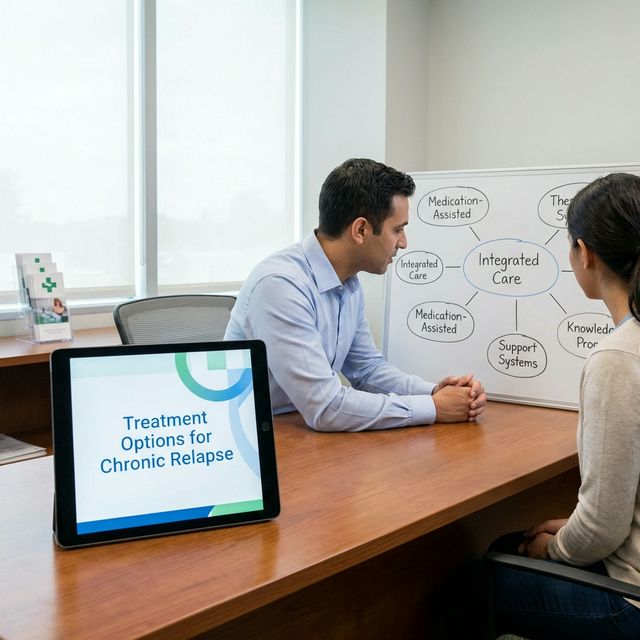
- Medication-assisted treatment, when combined with intensive behavioral therapy, can break the relapse cycle for many individuals.
- Environmental factors, including housing instability and toxic relationships, must be addressed for treatment to succeed.
Understanding Chronic Relapse
Chronic relapse refers to a pattern of repeated episodes of substance use following periods of treatment and abstinence. While relapse is common in addiction recovery, with rates estimated between 40 and 60 percent for substance use disorders, chronic relapse describes a cycle where an individual has been through treatment multiple times, often three or more episodes, without achieving sustained sobriety. This pattern can be demoralizing for the individual and their loved ones, but it is important to understand that it reflects the complexity of the disease rather than a lack of willpower or motivation.
From a neurobiological perspective, chronic relapse often indicates that the brain's reward circuitry has been profoundly altered by sustained substance use. The prefrontal cortex, which governs decision-making and impulse control, may have suffered significant damage that requires extended periods of abstinence and intensive therapeutic intervention to repair. Additionally, deeply ingrained neural pathways that associate environmental cues with substance use can trigger automatic relapse responses that override conscious intentions to stay sober.
At Trust SoCal in Orange County, the clinical team has extensive experience working with individuals who have cycled through treatment multiple times. Rather than applying the same approach that did not work previously, the team conducts a thorough review of past treatment experiences to identify what went wrong, what was missing, and what needs to change. This fresh perspective often reveals previously unaddressed issues that were undermining recovery.
Why Previous Treatment May Not Have Worked
When someone has been through rehab multiple times without achieving lasting sobriety, it is worth examining why prior treatment episodes did not produce the desired outcome. One of the most common reasons is insufficient treatment duration. If previous stays were limited to 28 or 30 days without adequate step-down care, the individual may not have had enough time to develop the skills, insights, and behavioral changes necessary for sustained recovery.
Another frequent issue is undiagnosed or undertreated co-occurring mental health conditions. Depression, anxiety, PTSD, bipolar disorder, ADHD, and personality disorders all significantly increase the risk of relapse when they are not properly identified and treated alongside the substance use disorder. A person may leave rehab feeling physically stable but continue to struggle with untreated psychiatric symptoms that eventually drive them back to substances for relief.
Inadequate aftercare planning is another common contributor to chronic relapse. Treatment does not end when you walk out the door of a residential facility. Without a robust aftercare plan that includes continued therapy, support group participation, medication management, sober housing, and relapse prevention strategies, the gains made in treatment can erode quickly upon return to the community.
- 1Treatment duration was too short for the severity of the addiction.
- 2Co-occurring mental health disorders were not adequately addressed.
- 3Aftercare planning was insufficient or not followed.
- 4The individual returned to the same environment and social network that supported their addiction.
- 5Medication-assisted treatment was not offered or was discontinued prematurely.
- 6Trauma was not identified or processed during treatment.
- 7The treatment modality did not align with the individual's learning style or cultural background.
Specialized Treatment Approaches for Chronic Relapse
Individuals with chronic relapse histories often benefit from treatment approaches that differ from standard programming. Extended care programs, which provide structured treatment for six months to a year, offer the time needed for deep behavioral change and neurological healing. Research published in the journal Drug and Alcohol Dependence found that clients in long-term residential treatment had significantly better outcomes than those in shorter programs, with the benefits most pronounced among individuals with histories of multiple treatment episodes.
Contingency management is another evidence-based approach that has shown particular effectiveness for chronic relapsers. This behavioral intervention provides tangible rewards, such as vouchers or prizes, for maintaining sobriety as verified through drug testing. While it may seem simplistic, contingency management leverages the same reward pathways that addiction hijacks, creating positive reinforcement for recovery-oriented behavior.
Intensive case management that addresses the social determinants of health, including housing, employment, legal issues, and family dynamics, is also critical for this population. Many chronic relapsers face environmental barriers to recovery that clinical treatment alone cannot overcome. A comprehensive approach that coordinates clinical care with social services produces better long-term outcomes than either intervention in isolation.
Research shows that each treatment episode, even if it ends in relapse, builds knowledge, skills, and motivation that contribute to eventual long-term recovery. No treatment experience is wasted.
The Role of Medication in Breaking the Relapse Cycle
For individuals with chronic opioid or alcohol relapse, medication-assisted treatment can be a game-changer. Long-acting injectable naltrexone (Vivitrol) is particularly useful for chronic relapsers because it blocks the effects of opioids and reduces alcohol cravings for an entire month, eliminating the daily decision to take or skip a pill. Buprenorphine maintenance has also demonstrated strong efficacy for individuals who have relapsed repeatedly after periods of abstinence.
The key to successful medication use in chronic relapse cases is integration with comprehensive behavioral treatment. Medication alone does not teach coping skills, repair relationships, or address trauma. However, by reducing the biological drive to use substances, medication creates a window of stability during which the individual can engage more fully in therapeutic work. At Trust SoCal in Fountain Valley, medication management is closely coordinated with individual and group therapy to maximize effectiveness.
It is also worth noting that some chronic relapsers have never been offered MAT or were discouraged from using it by previous treatment providers or 12-step sponsors. If you have relapsed multiple times without medication support, this may be a critical missing piece in your recovery plan. Speak with a physician who specializes in addiction medicine to explore whether MAT is appropriate for your situation.
Addressing Environmental Triggers
One of the most frequently overlooked factors in chronic relapse is the environment the person returns to after treatment. If someone completes a 30-day program and returns to the same house, the same neighborhood, and the same social circle where substance use is normalized, relapse is almost inevitable regardless of the quality of treatment they received. Changing one's environment is one of the most powerful relapse prevention strategies available.
Sober living homes provide a structured, substance-free living environment that bridges the gap between residential treatment and independent living. For chronic relapsers, an extended stay in sober living, often six months to a year, can provide the stability needed to establish new routines, build sober friendships, and develop the life skills that support long-term recovery. Trust SoCal partners with reputable sober living facilities throughout Orange County to ensure continuity of care.
Geographic relocation, while not always feasible, can also be beneficial for individuals whose local environment is deeply associated with substance use. Moving to a new area provides a clean slate, free from the people, places, and patterns that trigger cravings. Southern California, with its recovery-supportive community and year-round outdoor activities, is a popular destination for individuals seeking a fresh start.
Hope for Chronic Relapsers
If you or someone you love has been through treatment multiple times, it is natural to feel discouraged. But chronic relapse does not mean that recovery is impossible. It means that the right combination of treatment intensity, duration, modality, medication, and environmental support has not yet been found. With each treatment episode, clinicians learn more about what works and what does not, and this information guides more effective future interventions.
Many individuals who eventually achieve long-term sobriety had multiple treatment episodes before finding the approach that worked for them. Recovery stories are rarely linear; they are marked by setbacks, learning experiences, and renewed commitment. What matters is the willingness to try again and the willingness to try something different. If previous approaches have not worked, it is time to explore new options.
Contact Trust SoCal at (949) 280-8360 to discuss treatment options specifically designed for individuals with chronic relapse histories. The admissions team can review your treatment history, identify potential gaps in previous care, and recommend a program tailored to break the cycle.
I went to rehab five times before something finally clicked. The difference was not that I tried harder the fifth time. The difference was that the program finally addressed the things that none of the other programs had touched.
— Trust SoCal Alumni

Rachel Handa, Clinical Director
Clinical Director & Therapist