Key Takeaways
- Tramadol produces a dual withdrawal syndrome: typical opioid withdrawal symptoms plus atypical symptoms including anxiety, panic attacks, paranoia, hallucinations, and seizures related to its serotonin and norepinephrine effects.
- The seizure risk during tramadol withdrawal is higher than with other opioids, making medical supervision essential even for individuals who used the medication as prescribed.
- Tramadol withdrawal symptoms typically begin within 24 hours, peak between days 2 and 4, and the acute phase resolves within 7 to 14 days, though psychological symptoms may persist longer.
- Treatment involves a gradual taper, symptom management medications, seizure precautions, and transition to ongoing addiction treatment.
- Many individuals develop tramadol dependence through legitimate pain management prescriptions and are surprised by the difficulty of discontinuation.
Understanding Tramadol's Unique Pharmacology
Tramadol (brand name Ultram) is classified as an atypical opioid because its mechanism of action differs from traditional opioids like oxycodone, hydrocodone, and morphine. While tramadol does bind to mu-opioid receptors to produce pain relief, it also inhibits the reuptake of serotonin and norepinephrine, giving it properties similar to certain antidepressant medications. This dual mechanism is responsible for tramadol's unique withdrawal profile.
Tramadol was initially marketed as having low abuse potential, and it was not classified as a controlled substance in the United States until 2014, when rising abuse rates prompted the DEA to place it in Schedule IV. By that time, tramadol had been widely prescribed for moderate pain conditions, and many patients had developed significant dependence without adequate warning about the drug's addictive properties.
At Trust SoCal in Fountain Valley, we frequently work with individuals who began taking tramadol for legitimate pain management and discovered, often after years of use, that they could not stop without experiencing severe withdrawal symptoms. The combination of opioid and antidepressant-like withdrawal effects makes tramadol discontinuation more complex than withdrawal from traditional opioids and requires specialized medical knowledge.
Tramadol is estimated to be roughly one-tenth as potent as morphine, leading many prescribers and patients to underestimate its dependence potential. However, the dual mechanism of action means that tramadol withdrawal can be more complex and unpredictable than withdrawal from more potent opioids.
Typical vs. Atypical Tramadol Withdrawal Symptoms
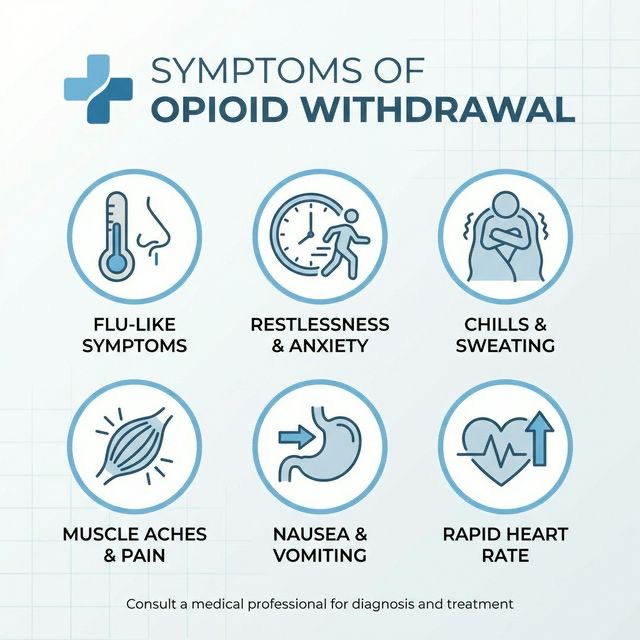
Tramadol withdrawal produces two distinct categories of symptoms, and understanding this distinction is critical for safe medical management. Typical opioid withdrawal symptoms, caused by the cessation of mu-opioid receptor activation, include muscle aches, sweating, chills, nausea, diarrhea, insomnia, anxiety, and cravings. These symptoms are similar to withdrawal from other opioids, though generally less physically intense than withdrawal from more potent drugs like fentanyl or heroin.
Atypical withdrawal symptoms arise from the abrupt cessation of serotonin and norepinephrine reuptake inhibition and are unique to tramadol among opioids. These symptoms include severe anxiety and panic attacks, paranoia, depersonalization, confusion, hallucinations (visual and auditory), extreme agitation, numbness and tingling in the extremities, and seizures. These atypical symptoms may occur independently or alongside typical opioid withdrawal symptoms.
The seizure risk during tramadol withdrawal is particularly concerning because it can occur even in individuals who used tramadol at prescribed doses. The risk is elevated in individuals with a history of seizures, those who discontinue abruptly, those using high doses, and those who combine tramadol with other medications that lower the seizure threshold. This risk mandates medical supervision during any tramadol discontinuation.
- 1Typical symptoms: muscle aches, sweating, chills, nausea, diarrhea, insomnia, restlessness, yawning, cravings
- 2Atypical symptoms: severe anxiety, panic attacks, paranoia, hallucinations, confusion, depersonalization
- 3Neurological symptoms: seizures, numbness, tingling, brain zaps (electric shock sensations)
- 4Psychological symptoms: depression, emotional instability, irritability, cognitive difficulty
Tramadol Withdrawal Timeline
The tramadol withdrawal timeline follows a general pattern, though individual experiences vary based on dose, duration of use, whether extended-release or immediate-release formulations were used, and individual metabolic factors. Understanding the expected timeline helps patients and families prepare for the process and maintain motivation through the most challenging phases.
For immediate-release tramadol, withdrawal symptoms typically begin within 12 to 24 hours of the last dose. Extended-release formulations may delay onset to 24 to 48 hours. Early symptoms include anxiety, restlessness, flu-like body aches, and sweating. Peak symptoms generally occur between days 2 and 4, when both typical opioid withdrawal and atypical serotonergic symptoms may be present simultaneously.
The acute withdrawal phase typically resolves within 7 to 14 days, though some individuals experience a protracted withdrawal syndrome lasting weeks to months. Protracted symptoms most commonly include insomnia, anxiety, depression, and intermittent cravings. These lingering symptoms are manageable with ongoing clinical support but can trigger relapse if the individual is not engaged in continuing care.
Seizures during tramadol withdrawal can occur at any point during the acute phase and have been reported even in individuals with no prior seizure history. Never stop tramadol abruptly. A gradual, medically supervised taper is the safest approach.
Medical Management of Tramadol Withdrawal
Medical management of tramadol withdrawal requires addressing both the opioid and serotonergic components of the withdrawal syndrome. A gradual dose taper is the foundation of safe tramadol discontinuation, typically reducing the dose by 10 to 25 percent every few days based on symptom response. This approach minimizes the risk of seizures and severe atypical symptoms.
Adjunctive medications play an important role in symptom management. Clonidine can help manage autonomic symptoms including sweating, elevated blood pressure, and anxiety. Anti-seizure precautions, including the potential use of anticonvulsant medications, are implemented as part of the detox protocol. Non-addictive sleep aids, anti-nausea medications, and muscle relaxants address specific symptom clusters.
The use of buprenorphine (Suboxone) for tramadol withdrawal requires careful clinical consideration. Because tramadol is a relatively weak mu-opioid agonist, the decision to initiate buprenorphine depends on the severity of opioid withdrawal symptoms and the individual's overall clinical picture. For some patients, buprenorphine may be beneficial; for others, a direct tramadol taper may be more appropriate. Trust SoCal's medical team makes these determinations based on individualized assessment.
From Detox to Ongoing Recovery
Completing tramadol detox is an important milestone but represents only the beginning of the recovery journey. Many individuals who developed tramadol dependence through legitimate pain management must also address the underlying pain condition that led to the prescription, develop non-opioid pain management strategies, and process the psychological impact of discovering they had become dependent on a medication they trusted.
Trust SoCal's comprehensive treatment programs in Orange County provide a seamless transition from medical detox to ongoing therapy and skills development. Our clinical team integrates pain psychology, cognitive behavioral therapy for pain management, physical rehabilitation approaches, and addiction-specific therapy to address the full spectrum of needs presented by individuals recovering from tramadol dependence.
Whether tramadol dependence developed through prescribed use or recreational misuse, evidence-based treatment is available and effective. Contact Trust SoCal at (949) 280-8360 for a confidential assessment and information about our tramadol detox and treatment programs. Recovery from tramadol addiction is achievable with the right medical and therapeutic support.
If you developed tramadol dependence through prescribed use for pain management, your treatment plan should include alternative pain management strategies. Trust SoCal's multidisciplinary team can help develop a comprehensive approach to both addiction recovery and ongoing pain control.

Rachel Handa, Clinical Director
Clinical Director & Therapist