Key Takeaways
- Fentanyl withdrawal symptoms typically begin 12 to 30 hours after the last dose and peak between 36 and 72 hours, lasting 5 to 10 days in the acute phase.
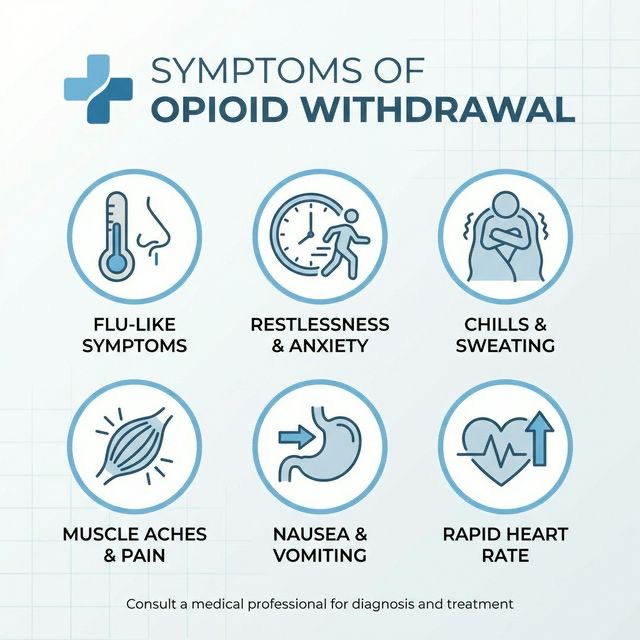
- Symptoms include severe muscle aches, gastrointestinal distress, insomnia, intense cravings, anxiety, and autonomic nervous system dysregulation.
- Fentanyl's lipophilic nature means it can accumulate in body fat, sometimes producing unpredictable or prolonged withdrawal timelines compared to other opioids.
- Medication-assisted treatment with buprenorphine or methadone is the gold standard for managing fentanyl withdrawal safely and reducing fatal relapse risk.
- Self-detox from fentanyl carries an extremely high relapse and overdose mortality rate, making medical supervision essential.
Why Fentanyl Withdrawal Is Uniquely Challenging
Fentanyl is a synthetic opioid estimated to be 50 to 100 times more potent than morphine and roughly 50 times more potent than heroin. Its extreme potency means that even short-term use can produce significant physical dependence, and the withdrawal syndrome it triggers is among the most intense of any opioid. For individuals and families across Southern California confronting fentanyl addiction, understanding the withdrawal process is an essential step toward recovery.
The illicit fentanyl supply in Orange County and throughout California has become the dominant driver of opioid overdose deaths. According to the California Department of Public Health, fentanyl-related overdose fatalities increased by more than 1,000 percent between 2016 and 2023. Many individuals who develop fentanyl dependence initially encountered the drug unknowingly, as it is frequently pressed into counterfeit pills designed to resemble prescription medications.
At Trust SoCal in Fountain Valley, our medical team has extensive experience managing fentanyl withdrawal using evidence-based protocols tailored to the unique pharmacological profile of synthetic opioids. The withdrawal process, while undeniably difficult, is safely manageable with proper medical supervision and medication support.
Fentanyl withdrawal should never be attempted without medical supervision. The risk of relapse during unsupported withdrawal is extremely high, and returning to use after even a brief period of abstinence can be fatal due to rapid tolerance loss.
Fentanyl Withdrawal Symptoms: Early Phase (12-36 Hours)
The early phase of fentanyl withdrawal typically begins within 12 to 30 hours after the last dose, though onset can vary based on the amount used, duration of use, individual metabolism, and whether the fentanyl was pharmaceutical-grade or illicit. Because fentanyl is highly lipophilic, meaning it dissolves readily in fat tissue, it can accumulate in the body and release gradually, sometimes delaying or extending withdrawal onset compared to heroin or prescription opioids.
Initial symptoms closely resemble a severe flu combined with escalating anxiety. Individuals commonly report profuse sweating alternating with chills and goosebumps, a runny nose and watering eyes, frequent yawning despite complete inability to sleep, and an agitated restlessness that makes it impossible to find a comfortable position. Muscle aches, particularly in the legs and lower back, develop rapidly and can range from moderate discomfort to severe cramping.
The psychological symptoms during early withdrawal are equally distressing. Anxiety intensifies quickly, and many individuals describe a pervasive sense of dread and impending doom. Irritability and emotional volatility make it difficult to interact with family members or clinical staff without support. These early symptoms, while not yet at peak intensity, are often severe enough to drive relapse within the first 24 hours if the individual is not in a medically supervised environment.
- Profuse sweating and chills alternating in waves
- Runny nose, watery eyes, and excessive yawning
- Muscle aches and cramping, especially in legs and back
- Insomnia and inability to rest despite exhaustion
- Anxiety, agitation, and emotional instability
- Dilated pupils and increased heart rate
- Low-grade fever and elevated blood pressure
Peak Withdrawal Symptoms (36-72 Hours)
The peak phase of fentanyl withdrawal represents the most physically and psychologically intense period of the detox process. Gastrointestinal symptoms dominate this phase, with severe nausea progressing to repeated vomiting and explosive diarrhea. These GI symptoms create a significant risk of dehydration and electrolyte imbalances that require medical monitoring and intravenous fluid support in some cases.
Abdominal cramps during peak withdrawal can be excruciating, often compared to severe food poisoning combined with the worst flu imaginable. The combination of GI distress with the ongoing muscle pain, insomnia, and autonomic dysregulation creates an overwhelming physical experience that is virtually impossible to endure without medical support. This is the period when the vast majority of self-detox attempts fail, as the drive to relieve suffering becomes overpowering.
Cravings during peak withdrawal reach their maximum intensity. The brain, deprived of the opioid it has become dependent upon, generates overwhelming urges to use that feel biological rather than volitional. At Trust SoCal, our medical team administers medications including buprenorphine that directly address these cravings while simultaneously relieving the physical symptoms of withdrawal, making this critical period far more manageable.
Peak fentanyl withdrawal symptoms typically last 48 to 72 hours. While this period feels interminable to the individual experiencing it, the acute phase does resolve. Medical detox medications can reduce symptom severity by 60 to 80 percent compared to unmedicated withdrawal.
Late and Post-Acute Withdrawal (Days 5-30+)
After the acute phase resolves around days 5 to 10, many individuals experience a protracted withdrawal syndrome that can persist for weeks or even months. This post-acute withdrawal syndrome (PAWS) is particularly common with fentanyl due to its accumulation in body fat, which can release small amounts of the drug back into the bloodstream during physical activity or weight loss, occasionally triggering mild withdrawal-like episodes.
Post-acute symptoms are less severe than the acute phase but can significantly impact quality of life and recovery motivation. Persistent insomnia, fatigue, difficulty concentrating, emotional flatness or depression, and intermittent cravings are the most commonly reported PAWS symptoms. These symptoms reflect the ongoing neurological healing process as the brain gradually restores its natural opioid production and receptor sensitivity.
Managing PAWS effectively requires ongoing treatment that extends well beyond the initial detox period. At Trust SoCal, our treatment programs include individual therapy, group support, medication management when indicated, and holistic approaches including exercise programming, nutritional support, and mindfulness training that together support the neurological recovery process and reduce the risk of relapse during this vulnerable period.
- 1Days 5-7: Acute symptoms gradually diminish, appetite slowly returns, sleep may begin to normalize with medication support
- 2Days 7-14: Physical symptoms largely resolve, but emotional volatility, cravings, and fatigue persist
- 3Days 14-30: Mood stabilization begins, concentration improves, but sleep disturbances and intermittent cravings may continue
- 4Days 30-90+: Ongoing neurological healing, gradual return of natural energy and emotional regulation, periodic cravings triggered by environmental cues
Medical Treatment Options for Fentanyl Withdrawal
Evidence-based medical treatment for fentanyl withdrawal centers on medication-assisted treatment (MAT), which combines FDA-approved medications with counseling and behavioral therapies. The primary medications used for fentanyl withdrawal management include buprenorphine (Suboxone), methadone, and various adjunctive medications that address specific symptoms like insomnia, anxiety, and GI distress.
Buprenorphine induction for fentanyl withdrawal requires careful timing and clinical expertise. Because fentanyl lingers in the body longer than heroin, premature buprenorphine administration can trigger precipitated withdrawal, an acute worsening of symptoms caused by buprenorphine displacing residual fentanyl from opioid receptors. Trust SoCal's medical team uses validated assessment scales and emerging micro-dosing protocols to safely initiate buprenorphine while minimizing the risk of precipitated withdrawal.
Adjunctive medications used during fentanyl detox include clonidine for autonomic symptoms like sweating and elevated blood pressure, anti-nausea medications, muscle relaxants for cramping, and non-addictive sleep aids. This multi-medication approach addresses the full spectrum of withdrawal symptoms and significantly improves patient comfort, treatment retention, and outcomes compared to unmedicated detox.
If you or a loved one is struggling with fentanyl dependence, do not attempt to withdraw without medical support. Contact Trust SoCal at (949) 280-8360 for a confidential assessment and information about our medically supervised fentanyl detox program in Fountain Valley.
Factors That Influence Fentanyl Withdrawal Severity
The severity and duration of fentanyl withdrawal vary considerably between individuals based on several key factors. Understanding these variables helps clinical teams customize detox protocols and helps patients set realistic expectations for the process ahead.
Duration and amount of fentanyl use are the most significant predictors of withdrawal severity. Individuals who have used fentanyl daily for months or years will generally experience more intense and prolonged withdrawal than those with shorter use histories. The route of administration also matters, as individuals who inject or smoke fentanyl typically develop more severe physical dependence than those who use it intranasally, though all routes produce significant dependence with regular use.
Co-occurring mental health conditions such as anxiety disorders, depression, or PTSD can intensify the psychological symptoms of withdrawal and complicate the recovery process. Polysubstance use involving benzodiazepines, alcohol, or stimulants alongside fentanyl creates additional withdrawal risks that require specialized medical management. At Trust SoCal, our intake assessment identifies all of these factors to develop an individualized detox plan that addresses the full complexity of each client's situation.
- Duration and frequency of fentanyl use
- Daily dosage amount and route of administration
- Whether pharmaceutical or illicit fentanyl was used
- Previous withdrawal experiences and detox history
- Co-occurring mental health disorders
- Polysubstance use patterns
- Individual metabolism, body composition, and overall health
- Availability of social support during withdrawal
Moving from Detox to Long-Term Recovery
Medical detox is the essential first step in fentanyl addiction treatment, but it is not a standalone solution. Detox addresses the physical dependence but does not resolve the underlying behavioral, psychological, and social factors that drive addiction. Without ongoing treatment following detox, the relapse rate for fentanyl use disorder exceeds 85 percent within the first year.
Trust SoCal provides a seamless transition from medically supervised detox into comprehensive residential and outpatient treatment programs. Our clinical approach integrates cognitive behavioral therapy, dialectical behavior therapy, trauma-informed care, family therapy, and medication management into individualized treatment plans that address each client's unique constellation of needs. Group therapy and peer support provide the community connection that strengthens recovery motivation.
Recovery from fentanyl addiction is absolutely possible with the right support. Thousands of individuals across Orange County and Southern California have achieved sustained sobriety through evidence-based treatment programs that begin with safe, medically supervised detox. If you are ready to take the first step, contact Trust SoCal at (949) 280-8360 to speak with an admissions specialist who can guide you through the process.

Rachel Handa, Clinical Director
Clinical Director & Therapist