Key Takeaways
- Telehealth IOP and outpatient programs provide real-time, interactive therapy sessions through secure video platforms.
- Virtual treatment is most appropriate for individuals with mild to moderate substance use disorders or as a step-down from in-person care.
- Research shows that telehealth addiction treatment can produce outcomes comparable to in-person care for appropriate candidates.
- Telehealth eliminates transportation barriers and allows treatment to continue during work, travel, or family obligations.
The Rise of Telehealth in Addiction Treatment
Telehealth for addiction treatment existed before the COVID-19 pandemic, but it was largely underutilized. Regulatory changes enacted during the public health emergency, including expanded prescribing authority for buprenorphine and relaxed state licensing requirements, accelerated adoption dramatically. By 2022, the majority of addiction treatment providers in the United States offered some form of telehealth services, and many of those changes have been made permanent through subsequent legislation.
The expansion of telehealth has been particularly meaningful for individuals who face barriers to in-person treatment. People living in rural areas with limited access to addiction specialists, individuals with disabilities that make travel difficult, working professionals who cannot take extended time off, and parents without childcare options can now access evidence-based addiction treatment from their homes. This increased accessibility has the potential to reduce the treatment gap, which sees only about 10 percent of people with substance use disorders receiving any form of treatment.
At Trust SoCal, telehealth services complement the in-person programs offered at the Fountain Valley facility. Virtual programming includes individual therapy, group counseling, medication management appointments, and IOP sessions delivered through HIPAA-compliant video platforms. The clinical team maintains the same standards of care regardless of the delivery format.
How Virtual Treatment Sessions Work
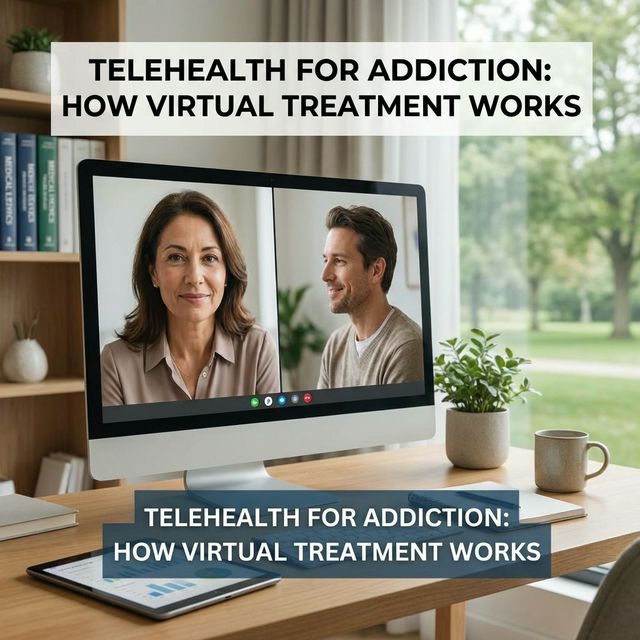
Virtual addiction treatment sessions are conducted through secure, HIPAA-compliant video conferencing platforms. Clients log in at their scheduled time using a computer, tablet, or smartphone with a camera and microphone. The sessions are live and interactive, not pre-recorded, meaning you are engaging in real-time with a licensed clinician or therapist who can see and hear you just as they would in an office setting.
Group therapy sessions in a virtual format typically include six to twelve participants and a facilitator. Breakout rooms can be used for smaller group exercises, and the chat function allows participants to share resources or ask questions without interrupting the speaker. While the dynamics differ somewhat from in-person groups, many clients report that virtual groups feel surprisingly intimate and connected once they adjust to the format.
Medication management through telehealth involves video appointments with a physician or psychiatric nurse practitioner who can assess your symptoms, review lab results, adjust medication dosages, and prescribe or renew medications. Following regulatory changes, buprenorphine for opioid use disorder can now be prescribed via telehealth without requiring an initial in-person visit, which has dramatically improved access to this life-saving medication.
Set up a dedicated, private space for your telehealth sessions. Use headphones for privacy, ensure reliable internet, and treat the session with the same seriousness you would an in-person appointment.
Who Is a Good Candidate for Telehealth Treatment?
Telehealth addiction treatment is not appropriate for everyone, and determining candidacy requires a clinical assessment. Generally, telehealth is best suited for individuals with mild to moderate substance use disorders who have a stable living environment, access to technology, and the self-motivation to engage in treatment without the external structure of an in-person facility. It is also an excellent option for clients stepping down from residential or in-person PHP programs who want to continue their recovery without disrupting their return to daily life.
Individuals who require medical detox, have severe substance use disorders with a high risk of medical complications, or lack a safe and private space for sessions are generally better served by in-person treatment. Similarly, clients with severe co-occurring mental health disorders that require daily psychiatric monitoring or those in crisis may need the higher level of support that in-person programming provides.
Trust SoCal's admissions team evaluates each caller to determine whether telehealth or in-person treatment is the most clinically appropriate option. This assessment considers substance use severity, mental health status, home environment, support system, treatment history, and personal preferences. Call (949) 280-8360 for a free, confidential assessment.
- 1Individuals stepping down from residential or PHP who need continued support.
- 2Working professionals who cannot take time off for in-person treatment.
- 3Parents or caregivers with childcare responsibilities.
- 4People in rural areas with limited access to addiction treatment providers.
- 5Individuals with physical disabilities or mobility limitations.
- 6Clients seeking aftercare or relapse prevention support following primary treatment.
Effectiveness of Telehealth Compared to In-Person Treatment
A growing body of research supports the effectiveness of telehealth for addiction treatment. A meta-analysis published in the Journal of Substance Abuse Treatment found that telehealth-delivered interventions produced outcomes comparable to in-person treatment across multiple measures, including treatment retention, substance use reduction, and patient satisfaction. The researchers noted that client engagement was the strongest predictor of outcomes regardless of delivery format.
One advantage of telehealth that is often overlooked is its impact on treatment retention. Because virtual sessions eliminate transportation barriers and scheduling conflicts, clients are more likely to attend sessions consistently. Higher session attendance correlates directly with better treatment outcomes. For clients in Orange County and surrounding areas, the ability to attend an IOP session from home after a long workday rather than fighting traffic to a clinic can make the difference between staying in treatment and dropping out.
That said, telehealth does have limitations. The absence of a physical treatment environment means clients are responsible for creating their own structure, which can be challenging for individuals with poor self-regulation or chaotic home environments. Drug testing, which is an important accountability measure in outpatient treatment, requires coordination with local labs rather than on-site collection. These limitations are manageable but must be accounted for in the treatment plan.
Virtual IOP Programs at Trust SoCal
Trust SoCal offers a virtual Intensive Outpatient Program that provides the same clinical rigor as the in-person IOP. The virtual IOP meets three to five evenings per week for three to four hours per session, making it compatible with work and school schedules. Programming includes process groups, psychoeducation workshops, individual therapy, and family sessions, all delivered through a secure video platform.
Each virtual IOP client is assigned a primary therapist who coordinates their care, monitors progress, and adjusts the treatment plan as needed. Clients also have access to psychiatric services for medication management and case management for aftercare planning. Drug testing is coordinated with local laboratory providers to ensure accountability while maintaining the convenience of virtual participation.
The virtual IOP is particularly popular among clients who have completed residential treatment at Trust SoCal and are transitioning back to their lives in Southern California. It provides continuity of care with the same clinical team, eliminating the disruption of transferring to a new provider and starting over with a new therapist.
Technology Requirements and Privacy Considerations
Participating in telehealth addiction treatment requires a device with a camera and microphone, a stable internet connection, and a private space where you can speak freely without being overheard. Most telehealth platforms work on computers, tablets, and smartphones, and do not require special software. Your treatment team will provide instructions for accessing the platform and a test session to ensure everything works before your first clinical session.
Privacy is a critical concern in telehealth addiction treatment, and all sessions at Trust SoCal are conducted on HIPAA-compliant platforms that use end-to-end encryption. Your treatment records, including session notes and video recordings if applicable, are protected under both HIPAA and 42 CFR Part 2, which provides additional confidentiality protections specifically for substance use disorder treatment records. You should also take steps to protect your own privacy by using headphones, choosing a private room, and avoiding public WiFi networks for sessions.
If you do not have reliable internet or a private device, ask your treatment team about community resources that may provide access to technology for healthcare purposes.

Rachel Handa, Clinical Director
Clinical Director & Therapist