Key Takeaways
- IOP provides nine or more hours of structured clinical programming per week, typically spread across three to five days.
- IOP is designed for individuals who need more support than weekly therapy but do not require the intensity of PHP or residential treatment.
- Evening and weekend IOP scheduling options allow clients to maintain work, school, and family responsibilities during treatment.
- IOP combines group therapy, individual counseling, psychoeducation, and relapse prevention planning in a flexible outpatient format.
What Is an Intensive Outpatient Program?
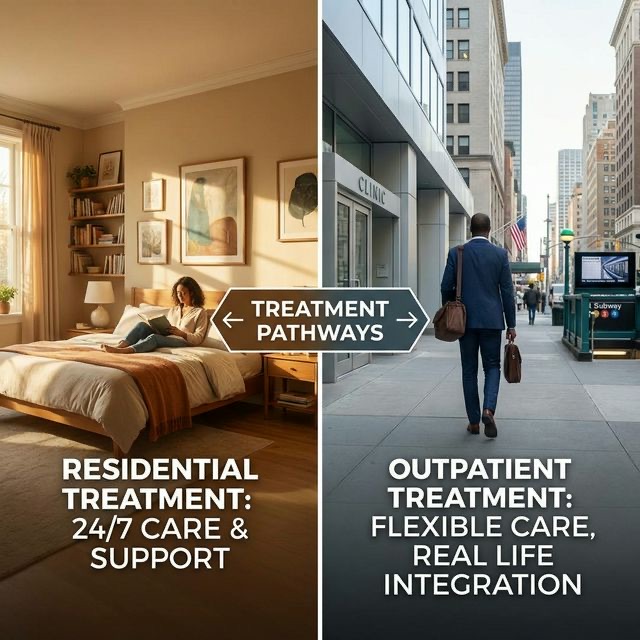
An intensive outpatient program, or IOP, is a structured level of addiction treatment that provides clinical care several times per week without requiring clients to live at the treatment facility. Intensive outpatient programs typically involve nine to twelve hours of programming per week, spread across three to five sessions. This level of care is more intensive than standard weekly therapy but less demanding than partial hospitalization or residential treatment, making it an ideal option for individuals who need substantial clinical support while maintaining their daily routines.
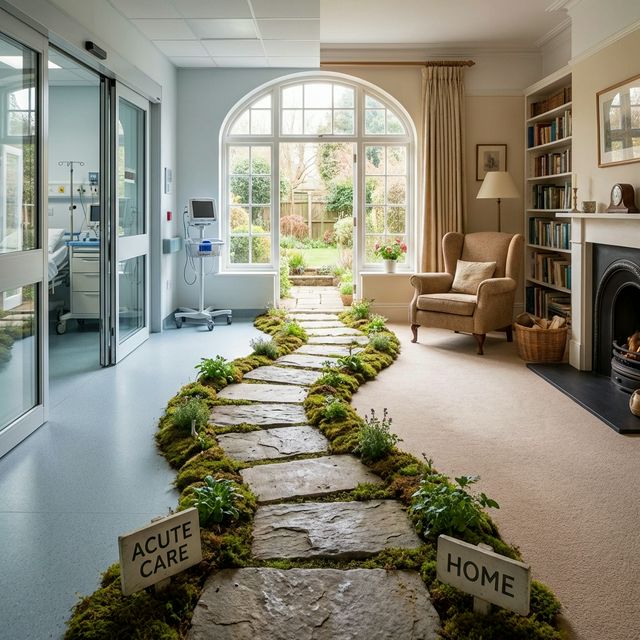
IOP is widely recognized as a critical component of the addiction treatment continuum. It can serve as an entry point for individuals with mild to moderate substance use disorders, a step-down from PHP or residential treatment, or a maintenance level of care for those in early recovery who benefit from ongoing structured support. The flexibility of IOP programming has made it one of the most popular treatment options in Southern California and across the nation.
At Trust SoCal in Orange County, our IOP programming is designed to deliver high-quality clinical care within a schedule that accommodates the realities of daily life. We offer morning and evening track options to ensure that work, school, and family obligations do not become barriers to receiving the treatment you need.
How IOP Differs from Other Levels of Care
Understanding where IOP fits within the treatment continuum helps clarify its purpose and value. In the ASAM continuum of care, IOP occupies Level 2.1, positioned between standard outpatient therapy and partial hospitalization. Each level of care provides a different balance of clinical intensity and personal freedom, and moving between levels based on changing needs is a normal part of the recovery process.
IOP vs. Standard Outpatient Therapy
Standard outpatient therapy typically involves one to two sessions per week, totaling two to four hours of clinical contact. IOP provides three to four times that amount, with a structured combination of group therapy, individual sessions, and psychoeducation. The increased contact in IOP provides more opportunities for skill development, peer support, and therapeutic processing, which is particularly important during the early months of recovery when the risk of relapse is highest.
IOP vs. Partial Hospitalization (PHP)
PHP involves five to six hours of daily programming, five to seven days per week, compared to IOP's three to four hours, three to five days per week. PHP also typically includes more frequent individual therapy sessions and greater psychiatric access. Clients in IOP generally have more stable clinical presentations and greater capacity for self-management than those in PHP. Many clients move from PHP to IOP as a planned step-down when their clinical team determines they are ready for increased independence.
What Happens During IOP Sessions
IOP programming is built around group therapy, which serves as the primary therapeutic modality. Groups are facilitated by licensed clinicians and typically include six to twelve participants, creating an environment conducive to peer connection, shared learning, and accountability. Group topics rotate through a curriculum that covers relapse prevention, coping skills, emotional regulation, communication, and recovery lifestyle development.
Individual therapy sessions are scheduled weekly or biweekly within IOP, providing personalized attention for treatment planning, goal setting, and processing issues that may not be appropriate for the group setting. These one-on-one sessions allow your therapist to monitor your progress closely and adjust your treatment plan as your needs evolve throughout the program.
Treat IOP sessions with the same priority as a work meeting or medical appointment. Consistent attendance is one of the strongest predictors of positive treatment outcomes, and each missed session represents lost therapeutic momentum.
Core Therapeutic Components
IOP at Trust SoCal incorporates evidence-based therapeutic approaches including cognitive-behavioral therapy, dialectical behavior therapy skills, motivational enhancement, and relapse prevention planning. Psychoeducation groups provide essential knowledge about the science of addiction, the recovery process, and strategies for managing common challenges. Process groups create space for clients to share their experiences, receive feedback, and practice interpersonal skills in a supportive environment.
Many IOP programs also include family therapy sessions, recognizing that recovery does not happen in isolation. Family involvement helps repair relationships damaged by addiction, improves communication, and builds a home environment that supports sobriety. Trust SoCal's family programming is available to IOP clients and their loved ones throughout the treatment process.
Who Benefits from IOP?
IOP serves a diverse population of individuals at various stages of recovery. The program is particularly well-suited for people stepping down from residential treatment or PHP who need continued therapeutic support during the transition back to daily life. It also benefits individuals with mild to moderate substance use disorders whose clinical assessment indicates that a lower intensity of care is appropriate for their needs.
Working professionals, students, and parents often find that IOP provides the therapeutic depth they need without requiring them to put their entire lives on hold. The ability to attend treatment in the morning or evening while maintaining employment, education, and family caregiving responsibilities makes IOP accessible to people who might otherwise delay or avoid treatment entirely.
Individuals who have completed a primary treatment episode and are navigating early recovery also benefit from IOP as a maintenance level of care. The regular therapeutic contact provides structure and accountability during a period when many people feel vulnerable to relapse. Continuing in IOP for several months after stepping down from a higher level of care is associated with significantly better long-term outcomes.
Scheduling Flexibility: Morning and Evening Options
One of the defining advantages of IOP is its scheduling flexibility. Most quality treatment centers offer multiple track options to accommodate different lifestyles. Morning tracks typically run from nine in the morning to noon, allowing clients to attend work or school in the afternoon. Evening tracks usually run from six to nine in the evening, making them ideal for individuals with daytime obligations.
Trust SoCal offers both morning and evening IOP tracks at our Orange County facility. This flexibility ensures that treatment fits into your life rather than requiring your life to stop. Our admissions team works with each client to identify the schedule that best supports consistent attendance and engagement throughout the program.
How Long Does IOP Last?
The duration of IOP varies based on individual clinical needs, treatment progress, and insurance authorization. Most clients participate in IOP for eight to twelve weeks, though some benefit from a longer engagement. The program is designed to be responsive to your evolving needs, with the frequency and intensity of sessions adjusted as you progress in your recovery.
As you approach the end of IOP, your treatment team will work with you to develop a comprehensive aftercare plan. This plan may include stepping down to standard weekly outpatient therapy, continuing medication management, attending community support groups, and engaging with alumni programming. The goal is to ensure that you have a clear, actionable plan for maintaining your recovery after IOP concludes.
Research from the Journal of Substance Abuse Treatment shows that clients who complete at least eight weeks of IOP have significantly lower relapse rates at six months compared to those who leave the program early.
Finding Quality IOP Treatment in Southern California
When selecting an IOP program, evaluate the same factors you would for any treatment program: licensing, accreditation, staff credentials, evidence-based practices, and aftercare planning. Additionally, consider practical factors like location, parking, session scheduling, and whether the program offers the flexibility you need to maintain your daily responsibilities.
Trust SoCal's IOP in Fountain Valley provides comprehensive clinical programming in a welcoming, community-oriented environment. As part of our full continuum of care, clients can seamlessly step down from PHP or residential treatment into IOP with the same clinical team, ensuring continuity and consistency throughout the recovery process. Contact our admissions team for a confidential assessment and to learn more about how IOP can support your recovery journey.

Courtney Rolle, CMHC
Clinical Mental Health Counselor