Key Takeaways
- Seasonal affective disorder affects approximately 5 percent of the U.S. population and is characterized by recurrent depressive episodes that follow a seasonal pattern, most commonly worsening during fall and winter months.
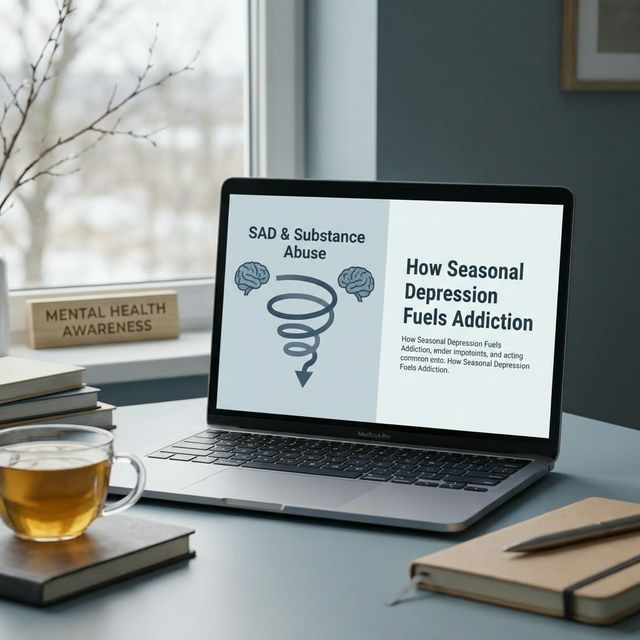
- The predictable onset of SAD creates a cyclical relapse pattern where substance use escalates during depressive seasons and may partially remit during summer, masking the underlying addiction.
- Light therapy, a first-line treatment for SAD, can be safely and effectively combined with addiction treatment to address the biological basis of seasonal mood changes.
- Year-round aftercare planning that anticipates seasonal vulnerability is essential for sustained recovery in individuals with co-occurring SAD and substance use disorders.
Understanding Seasonal Affective Disorder
Seasonal affective disorder is a subtype of major depressive disorder characterized by a predictable seasonal pattern of onset and remission. The most common presentation involves depressive episodes that begin in late fall or early winter and resolve in spring, though a less common summer-onset pattern also exists. SAD is more than the mild winter blues that many people experience; it is a clinical mood disorder that can significantly impair functioning, relationships, and quality of life.
The biological basis of SAD centers on reduced sunlight exposure during shorter winter days, which disrupts circadian rhythms, decreases serotonin production, and increases melatonin levels. These neurochemical changes produce the characteristic symptoms of winter-pattern SAD: persistent sadness, loss of interest in activities, fatigue, increased sleep, carbohydrate craving, weight gain, and social withdrawal.
While Southern California enjoys more sunlight than many regions, SAD still affects individuals in Orange County and the surrounding areas. Reduced daylight hours during winter months, combined with the societal expectations of holiday cheer that can intensify feelings of depression, create conditions where seasonal mood changes can trigger or worsen substance use patterns.
The Seasonal Cycle of SAD and Substance Use
The cyclical nature of SAD creates a distinctive interaction with substance use that can be difficult to recognize. As fall approaches and depressive symptoms begin, substance use may gradually increase as the individual unconsciously self-medicates worsening mood. Alcohol consumption rises during longer evenings spent indoors. Cannabis use may increase as a response to deepening sadness and social withdrawal. Stimulants may be used to combat the fatigue and low energy characteristic of winter-pattern SAD.
When spring arrives and mood naturally improves, substance use may decrease, creating the illusion that the addiction was merely a seasonal coping behavior that has resolved on its own. This cyclical pattern can persist for years before the individual or their loved ones recognize that a treatable mood disorder is driving a recurring substance use pattern.
Research published in the Journal of Clinical Psychiatry found that individuals with seasonal affective disorder are approximately twice as likely to develop alcohol use disorder compared to those without SAD, with peak alcohol consumption closely tracking the seasonal pattern of depressive symptoms.
Holiday Season Risks
The holiday season presents particular challenges for individuals with co-occurring SAD and substance use disorders. The convergence of seasonal depression with the social pressures, family stressors, and ubiquitous alcohol availability of the holiday period creates a high-risk window that requires proactive management.
Social gatherings where alcohol is central, financial stress from gift-giving and holiday expenses, grief over lost relationships or absent family members, and the cultural expectation of happiness during a time of genuine depression all compound SAD symptoms and increase substance use triggers. At Trust SoCal, we help clients develop holiday-specific coping plans that address these predictable challenges.
- Increased social pressure to drink at holiday gatherings and office parties
- Heightened grief and loneliness during a season that emphasizes family connection
- Financial stress from holiday spending that adds to existing anxiety
- Disrupted routines including irregular sleep, meals, and exercise patterns
- Cultural messaging that magnifies the gap between expected happiness and experienced depression
- Reduced access to support systems as therapists and support groups may have modified holiday schedules
Integrated Treatment for SAD and Addiction
Treatment for co-occurring SAD and addiction benefits from addressing the biological, psychological, and behavioral dimensions of both conditions within a coordinated framework. At Trust SoCal in Orange County, our dual diagnosis program incorporates SAD-specific interventions alongside comprehensive addiction treatment.
Light therapy using specialized light boxes that deliver 10,000 lux of broad-spectrum light is a first-line treatment for SAD that can be easily integrated into addiction treatment settings. Morning light therapy sessions help normalize circadian rhythms, boost serotonin production, and reduce the depressive symptoms that drive substance use. This safe, non-pharmacological intervention begins working within days to weeks and has no addiction potential.
Cognitive-behavioral therapy adapted for SAD helps clients identify and challenge the negative thought patterns specific to seasonal depression, such as catastrophizing about winter, over-identifying with low energy states, and retreating into hibernation behaviors. CBT also addresses the substance use patterns that have become associated with seasonal mood changes, building alternative coping strategies for navigating depressive seasons.
Year-Round Recovery Planning
Because SAD is by definition a recurring condition, recovery planning must account for the predictable return of depressive symptoms in vulnerable seasons. This proactive approach distinguishes effective dual diagnosis treatment from programs that address only the immediate crisis without planning for future vulnerability.
Trust SoCal develops seasonally aware aftercare plans with each client, identifying the specific months and triggers that historically signal the onset of SAD symptoms and increased substance use risk. These plans include scheduled increases in therapeutic support during vulnerable periods, light therapy protocols to begin before symptoms onset, and social engagement strategies to counteract the withdrawal tendency of winter depression.
If you or someone you care about struggles with depression and substance use that follows a seasonal pattern, contact Trust SoCal at (949) 280-8360. Understanding the seasonal nature of your symptoms is the first step toward breaking the cycle of recurring depression and relapse.
Begin light therapy and increase therapeutic support two to four weeks before your historical SAD onset. Proactive intervention is far more effective than reactive treatment once depression has fully set in.

Kristin Stevens, LCSW
Licensed Clinical Social Worker