Key Takeaways
- The self-medication hypothesis proposes that individuals choose specific substances based on the particular mental health symptoms they are trying to manage.
- Self-medication provides temporary symptom relief but ultimately worsens both the mental health condition and creates a new problem: addiction.
- Common self-medication patterns include alcohol for anxiety, stimulants for depression, opioids for emotional pain, and cannabis for PTSD symptoms.
- Breaking the self-medication cycle requires professional treatment that provides safer, more effective alternatives for managing psychiatric symptoms.
Understanding Self-Medication
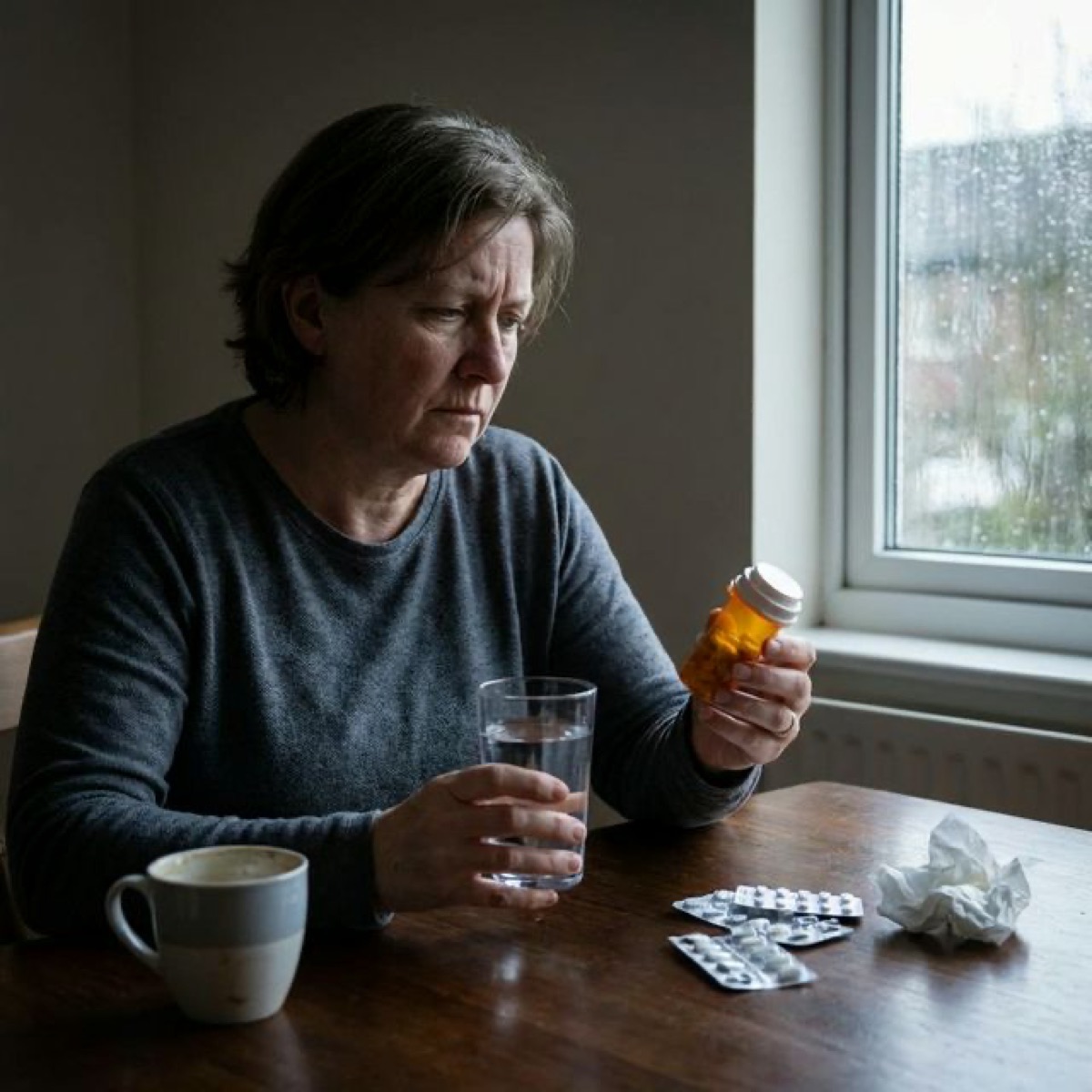
Self-medication is the use of alcohol, drugs, or other substances to manage the symptoms of an undiagnosed or untreated mental health condition. The self-medication hypothesis, first proposed by Dr. Edward Khantzian in the 1980s, suggests that individuals do not choose substances randomly. Instead, they gravitate toward substances whose pharmacological effects specifically address the symptoms causing them the most distress.
This framework has transformed the way clinicians understand addiction, shifting the focus from substance use as a moral failing to substance use as a misguided attempt at symptom management. When viewed through this lens, addiction becomes more comprehensible and treatment becomes more compassionate and effective.
At Trust SoCal in Orange County, we approach every client's substance use history with curiosity rather than judgment. Understanding what symptoms a person was trying to manage with substances provides critical diagnostic information and helps us design treatment plans that offer safer, more effective alternatives.
Why People Turn to Self-Medication
Multiple factors drive individuals toward self-medication rather than professional mental health treatment. Barriers to accessing care, including cost, insurance limitations, geographic availability, and long wait times, leave many people without viable alternatives. In the United States, the average delay between the onset of mental health symptoms and first treatment contact is eleven years.
Stigma plays an equally powerful role. Many individuals fear the social consequences of seeking mental health treatment, including judgment from family, friends, or employers. Substances, by contrast, are socially available and often socially encouraged, particularly alcohol. Using a drink to unwind after a stressful day carries less perceived stigma than scheduling a therapy appointment.
Lack of awareness is another major factor. Many individuals experiencing anxiety, depression, or trauma symptoms do not recognize them as medical conditions that warrant treatment. They may view their suffering as a normal part of life, a personal weakness, or something they should be able to handle on their own. Substances become their default coping strategy because they are unaware that better options exist.
Individuals do not become addicted to drugs or alcohol. They become addicted to escaping the emotional pain that they do not know how to process.
— Dr. Gabor Mate, physician and addiction expert
Common Self-Medication Patterns
The substances people choose for self-medication typically align with the specific symptoms they are trying to manage. Recognizing these patterns can help clinicians identify underlying mental health conditions that may have gone undiagnosed for years.
Alcohol for Anxiety and Social Discomfort
Alcohol is the most commonly used substance for self-medication, particularly among individuals with anxiety disorders. Its GABA-enhancing effects produce rapid anxiolysis, social disinhibition, and muscle relaxation. For someone with generalized anxiety or social phobia, these effects can feel like a revelation, the first time they have experienced relief from constant worry.
The progression from occasional anxiolytic use to dependence can be gradual and insidious. What begins as a glass of wine before a social event becomes a requirement for any stressful situation, then a daily necessity, then a round-the-clock compulsion. Meanwhile, rebound anxiety during withdrawal ensures that the person feels worse without alcohol than they did before they started drinking.
Stimulants for Depression and ADHD
Stimulants including cocaine, methamphetamine, and misused prescription medications like Adderall are commonly used to self-medicate depression and undiagnosed ADHD. These substances temporarily restore energy, motivation, and concentration by flooding the brain with dopamine and norepinephrine.
For individuals with depression, stimulants can feel like the antidote to their persistent lethargy and anhedonia. For those with undiagnosed ADHD, they provide the focus and productivity that has always eluded them. In both cases, the relief is short-lived, and the post-use crash deepens the very symptoms the person was trying to escape.
Opioids for Emotional and Physical Pain
Opioids produce a profound sense of warmth, comfort, and emotional numbness that makes them powerfully appealing to individuals suffering from emotional pain, whether from depression, trauma, grief, or chronic stress. The euphoric effect of opioids can feel like an emotional anesthetic, temporarily removing all distress.
This emotional numbing effect is particularly dangerous because it does not resolve the underlying pain. Instead, it prevents the brain from processing and healing from painful experiences. When the opioid wears off, the emotional pain returns with added intensity, driving escalating use and rapid progression to dependence.
Cannabis for PTSD and Insomnia
Cannabis is increasingly used to self-medicate PTSD symptoms, insomnia, and chronic anxiety. Its calming effects and ability to suppress REM sleep, the sleep stage during which nightmares typically occur, make it appealing to trauma survivors. However, REM suppression disrupts the brain's natural memory-processing function, potentially preventing resolution of traumatic memories.
While some individuals report short-term benefits from cannabis use, research on its long-term effects on mental health conditions shows mixed results. Heavy cannabis use is associated with increased anxiety, amotivational syndrome, and in vulnerable individuals, psychotic symptoms. In Southern California, where cannabis is easily accessible, clinicians must carefully assess its role in each client's symptom picture.
The Consequences of Self-Medication
Self-medication carries predictable consequences that extend far beyond the development of addiction itself. The underlying mental health condition, deprived of proper treatment, continues to worsen. Neurochemical changes caused by chronic substance use create new psychiatric symptoms or intensify existing ones. The person finds themselves managing not one condition but two, each feeding the other.
Physical health consequences accumulate as well. Liver damage from alcohol, cardiovascular strain from stimulants, respiratory problems from smoking, and the risk of overdose from opioids add layers of medical complexity. Social consequences including relationship breakdown, job loss, and legal problems compound the emotional burden.
Perhaps most tragically, self-medication delays proper treatment, sometimes by years or decades. The longer mental health conditions go untreated, the more entrenched they become and the more damage accumulates in every area of the person's life. Early intervention and proper treatment could prevent much of this suffering.
If you recognize yourself in these patterns of self-medication, this awareness itself is a crucial first step. You are not weak or broken. You have been managing genuine suffering with the only tools available to you. Better tools exist, and professional help can provide them.
Breaking the Self-Medication Cycle
Breaking the cycle of self-medication requires replacing substances with safer, more effective strategies for managing mental health symptoms. This process begins with proper diagnosis and typically involves a combination of medication management, psychotherapy, and lifestyle modifications.
Proper Psychiatric Diagnosis
The first step in breaking the self-medication cycle is identifying and accurately diagnosing the underlying mental health condition. Many individuals who have been self-medicating for years have never received a formal psychiatric evaluation. A comprehensive assessment can reveal conditions like anxiety disorders, depression, PTSD, ADHD, or bipolar disorder that have been driving substance use.
At Trust SoCal, our intake process includes thorough psychiatric screening that examines symptom history, family mental health history, and the relationship between psychiatric symptoms and substance use. This information guides the development of a treatment plan that addresses root causes rather than just surface behaviors.
Healthy Coping Alternatives
Therapy provides evidence-based coping strategies that are more effective and sustainable than substance use. Cognitive behavioral therapy teaches clients to manage anxious thoughts without alcohol. Dialectical behavior therapy provides distress tolerance skills that replace the emotional numbing of opioids. Mindfulness practices offer present-moment awareness that reduces the need for chemical escape.
Building a repertoire of healthy coping strategies takes time and practice. Our treatment program at Trust SoCal introduces these skills gradually, with clinicians helping clients identify which strategies work best for their specific symptoms and learning style.
From Self-Medication to Self-Care
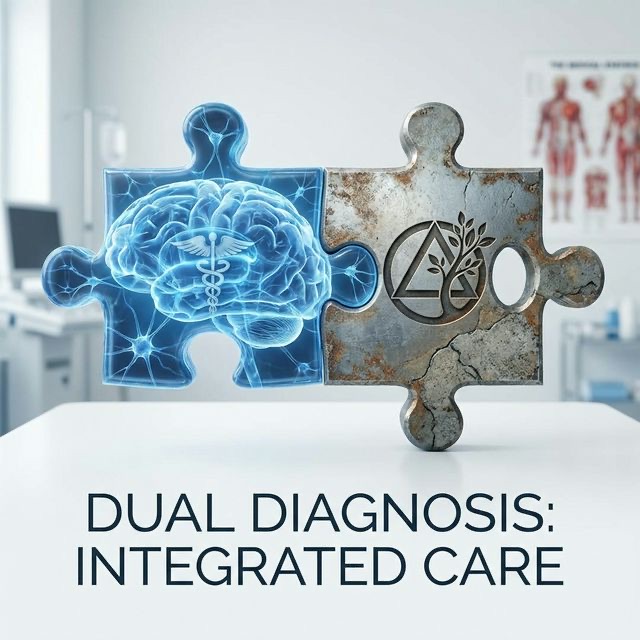
The transition from self-medication to genuine self-care is at the heart of dual diagnosis recovery. Self-medication is reactive, using substances to suppress symptoms after they arise. Self-care is proactive, engaging in daily practices that prevent symptoms from reaching crisis levels.
Effective self-care for mental health includes regular exercise, consistent sleep schedules, nutritious eating, social connection, creative expression, time in nature, and ongoing therapeutic support. These practices build resilience over time, reducing both the intensity of mental health symptoms and the vulnerability to substance use.
Trust SoCal helps clients develop personalized self-care plans that they can maintain long after formal treatment ends. Our goal is not merely sobriety but genuine wellness, equipping each individual with the understanding and skills to manage their mental health effectively without relying on substances.
Finding Help in Orange County
If you have been using substances to manage anxiety, depression, trauma, or other mental health symptoms, professional treatment can offer you safer and more effective alternatives. Trust SoCal provides comprehensive dual diagnosis care from our Fountain Valley location, serving clients throughout Orange County and Southern California.
Our admissions team understands that reaching out for help can feel overwhelming. We will walk you through the process step by step, from insurance verification to treatment planning, making the path to recovery as clear and accessible as possible. Contact us today for a confidential conversation about your needs.

Madeline Villarreal, Counselor
Counselor