Key Takeaways
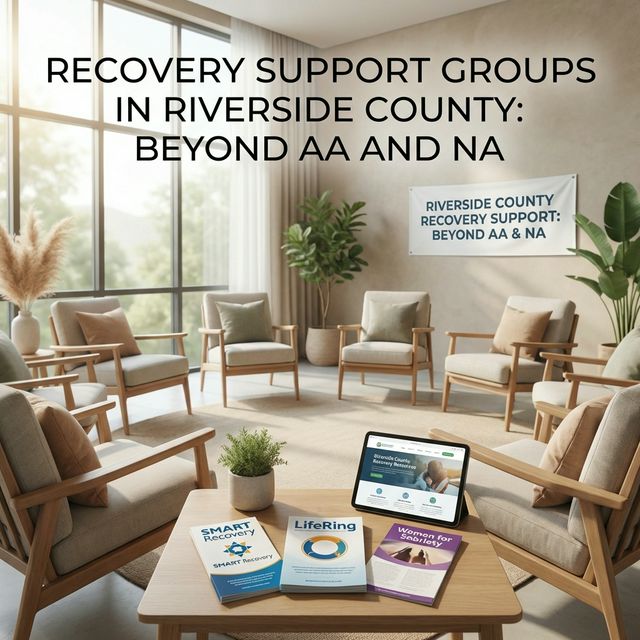
- Recovery support groups extend well beyond AA and NA, with multiple evidence-based alternatives available in Riverside County.
- SMART Recovery uses cognitive behavioral techniques and is secular, appealing to individuals who prefer a science-based approach.
- Celebrate Recovery combines faith-based principles with a structured recovery program and is widely available in churches throughout the county.
- Peer support is most effective when combined with professional treatment, creating a comprehensive recovery ecosystem.
- Finding the right support group often requires trying several options to discover the best personal fit.
The Importance of Peer Support in Recovery
Peer support groups play a vital role in addiction recovery by providing community, accountability, shared experience, and hope. While professional treatment addresses the clinical dimensions of addiction, peer support meets the deeply human need for connection and belonging that is essential to sustained recovery. Research consistently shows that individuals who participate in recovery support groups have better long-term outcomes than those who rely on professional treatment alone.
Riverside County's size and diverse population support a wide range of recovery support options that go well beyond the traditional 12-step framework. Whether you are drawn to science-based approaches, faith-based programs, mindfulness-oriented recovery, or peer support tailored to specific populations, options exist within the county or through accessible online platforms.
The key is finding a group that resonates with your personal values, beliefs, and recovery needs. There is no single right way to participate in recovery support, and many individuals attend multiple types of groups to benefit from different perspectives and approaches.
SMART Recovery
SMART Recovery (Self-Management and Recovery Training) is a science-based addiction recovery support program that uses cognitive behavioral therapy principles and motivational techniques. Unlike 12-step programs, SMART Recovery does not use the concept of powerlessness, does not require belief in a higher power, and does not assign labels like alcoholic or addict.
The program is organized around four points: building and maintaining motivation, coping with urges, managing thoughts, feelings, and behaviors, and living a balanced life. Meetings are facilitated by trained volunteers and follow a structured format that includes check-ins, educational presentations, and group discussions focused on practical problem-solving.
SMART Recovery meetings are available in person at several locations in Riverside County and through a robust online meeting platform that offers gatherings at virtually every time of day and night. The program is particularly popular among younger adults, individuals with a scientific or secular worldview, and those who have not connected with 12-step approaches.
SMART Recovery offers a free online meeting schedule at smartrecovery.org. Online meetings are a convenient way to explore the program without committing to an in-person group.
Celebrate Recovery
Celebrate Recovery is a faith-based recovery program that originated at Saddleback Church in Lake Forest, California, and has grown to include over 35,000 groups worldwide. The program addresses a broad range of hurts, habits, and hang-ups, including substance addiction, codependency, eating disorders, and other compulsive behaviors.
The program follows eight recovery principles based on the Beatitudes and integrates 12-step concepts within a Christian framework. Meetings typically include large group worship, teaching, and small gender-specific breakout groups for sharing and accountability. The program is welcoming to individuals at all stages of faith and does not require church membership or prior religious involvement.
Numerous churches throughout Riverside County host Celebrate Recovery programs, making it one of the most widely available recovery support options in the area. The program's holistic approach to recovery, addressing spiritual, emotional, and relational dimensions alongside substance use, appeals to many individuals seeking a comprehensive framework for life change.
Refuge Recovery and Dharma Recovery
For individuals drawn to mindfulness and Buddhist philosophy, Refuge Recovery and its successor Dharma Recovery offer meditation-based approaches to addiction recovery. These programs use the Four Noble Truths of Buddhism as a framework for understanding addiction and the Eightfold Path as a guide for living in recovery.
Meetings include guided meditation, readings from program literature, and group discussion. The approach emphasizes mindfulness as a tool for observing cravings, thoughts, and emotions without acting on them, developing compassion for oneself and others, and cultivating a life of intentional purpose and connection.
While in-person meetings in Riverside County may be less numerous than AA or Celebrate Recovery, online options provide robust access to these mindfulness-based recovery communities. Many individuals find that adding a meditation-based meeting to their weekly schedule complements other recovery support activities.
Specialized Support Groups
Riverside County also offers recovery support groups tailored to specific populations and needs. Veterans in recovery can connect with peer support through VA programs and veteran-specific recovery groups that understand the unique challenges of military service and its relationship to substance use. Women's recovery groups provide safe spaces for addressing issues like trauma, domestic violence, and parenting in recovery that may be difficult to discuss in mixed-gender settings.
Young people's recovery groups, including Young People in Alcoholics Anonymous and SMART Recovery Young Adults, create environments where individuals in their teens and twenties can connect with peers who share their generational experiences. LGBTQ-affirming recovery groups provide inclusive spaces where individuals can be open about their identity without fear of judgment.
The variety of specialized groups reflects the reality that recovery is not one-size-fits-all. Connecting with a group where you feel understood, welcomed, and represented enhances engagement and promotes the sense of belonging that supports long-term recovery.
- Veterans recovery groups through VA and community organizations
- Women-specific recovery support groups
- Young People in AA and SMART Recovery Young Adults
- LGBTQ-affirming recovery meetings
- Spanish-language recovery support groups
- Dual diagnosis support groups for co-occurring disorders
Integrating Support Groups with Professional Treatment
Recovery support groups are most effective as a complement to professional treatment, not a replacement for it. Treatment programs like Trust SoCal in Fountain Valley encourage clients to begin attending support group meetings during treatment and help them identify groups that align with their personal values and recovery goals.
The combination of professional treatment and peer support creates a comprehensive recovery ecosystem. Treatment provides clinical expertise, evidence-based therapy, and medical care, while support groups offer ongoing community, accountability, and the lived experience of peers who have walked the same path. Together, they address the full spectrum of needs in recovery.
For Riverside County residents seeking treatment that integrates with community-based recovery support, contact Trust SoCal at (949) 280-8360. Their clinical team will help you develop a recovery plan that includes both professional care and peer support tailored to your individual needs and preferences.
Kristin Stevens, LCSW
Licensed Clinical Social Worker