
Key Takeaways
- Riverside County provides every ASAM level of care from early intervention through medically managed inpatient treatment.
- The county operates a robust behavioral health system with multiple access points for residents seeking addiction services.
- Insurance options including Medi-Cal, PPO plans, and county-funded programs cover most treatment costs.
- Orange County facilities along the 91 corridor offer additional specialized programs within a short drive.
- JCAHO-accredited facilities like Trust SoCal in Fountain Valley provide high-quality care accessible to Riverside County residents.
Understanding the Drug Rehab Landscape in Riverside County
Riverside County spans more than seven thousand square miles from the edges of Los Angeles and Orange Counties to the Arizona border, making it one of the largest counties in California. With a population exceeding 2.4 million residents, the county faces significant substance use challenges that mirror statewide trends in opioid misuse, methamphetamine dependency, and alcohol use disorders. The sheer geographic size of the county means that treatment resources are distributed unevenly, with most facilities concentrated in the western portion near the cities of Riverside, Corona, and Moreno Valley.
The Riverside University Health System Behavioral Health department serves as the primary public behavioral health authority for the county. This system coordinates access to substance use treatment for Medi-Cal beneficiaries and uninsured residents through a network of county-operated and contracted treatment providers. For individuals with private insurance, a separate network of licensed treatment facilities offers programs ranging from luxury residential care to standard outpatient counseling.
Choosing the right rehab program in Riverside County requires understanding the different levels of care, evaluating facility credentials, and determining what your insurance will cover. Many residents also discover that looking beyond county lines, particularly toward Orange County where JCAHO-accredited facilities like Trust SoCal operate, significantly expands their options for specialized and evidence-based treatment.
Riverside County Behavioral Health operates a 24/7 helpline at 951-686-HELP (4357) that connects callers with local treatment resources, crisis services, and referral assistance.
Levels of Care Available in Riverside County
The American Society of Addiction Medicine defines a continuum of care that guides clinical placement decisions based on the severity of an individual's substance use disorder, co-occurring conditions, and recovery environment. Riverside County offers services across most levels of this continuum, though availability can vary by location and funding cycles.
Medical detox programs provide the supervised withdrawal management that many individuals need before entering structured treatment. Facilities in western Riverside County offer detox services for alcohol, opioids, benzodiazepines, and stimulants, typically lasting three to ten days depending on the substance and severity of dependence.
Residential and Inpatient Programs
Residential treatment centers in Riverside County offer immersive recovery environments where clients live on-site for 30, 60, or 90 days while participating in daily therapeutic programming. These programs combine individual counseling, group therapy, psychoeducation, and holistic wellness activities in a structured setting that removes individuals from environments associated with substance use.
Inpatient programs with medical oversight are available for individuals with complex medical needs or severe co-occurring psychiatric conditions. These programs provide round-the-clock nursing care and psychiatric consultation alongside addiction-specific therapy. The warm climate of the Inland Empire supports outdoor therapeutic activities year-round, which many programs incorporate into their treatment models.
- Twenty-four-hour clinical supervision and medical support
- Individual therapy sessions three to five times per week
- Process groups, psychoeducation, and life skills training
- Family programming including therapy sessions and educational workshops
- Aftercare planning and sober living placement assistance
Outpatient and Intensive Outpatient Programs
Outpatient programs in Riverside County allow individuals to live at home or in sober living while attending treatment sessions during the day or evening. Standard outpatient care typically involves one to three sessions per week, while intensive outpatient programs require nine to fifteen hours of weekly participation spread across three to five days.
Partial hospitalization programs provide the highest level of outpatient care, with five to six hours of daily programming that includes medication management, group therapy, and individual counseling. These programs serve as an effective step-down from residential care or as a primary treatment option for individuals whose clinical needs do not require 24-hour supervision.
Insurance and Payment Options for Riverside County Residents
Navigating insurance coverage for addiction treatment can feel overwhelming, but Riverside County residents have several pathways to fund their recovery. Most private PPO insurance plans cover substance use treatment under mental health parity laws established by the Affordable Care Act. These plans typically cover detox, residential treatment, and outpatient services, though benefits vary by plan and provider network.
Medi-Cal covers addiction treatment services through the Drug Medi-Cal Organized Delivery System, which Riverside County participates in. Eligible residents can access a full range of services including withdrawal management, residential treatment, outpatient counseling, medication-assisted treatment, and recovery support services at little to no out-of-pocket cost.
Trust SoCal in Fountain Valley accepts most major PPO insurance plans and offers complimentary insurance verification for Riverside County residents considering treatment. Their admissions team can be reached at (949) 280-8360 to help you understand your coverage and explore your options.
Call the number on the back of your insurance card and ask specifically about your behavioral health benefits. Request information about in-network versus out-of-network coverage, deductible amounts, and any prior authorization requirements for residential treatment.
Why Some Riverside Residents Choose Orange County Treatment
While Riverside County has a growing network of treatment providers, many residents find that Orange County facilities offer advantages that enhance their recovery outcomes. The drive from central Riverside to Fountain Valley takes approximately 45 minutes via the 91 freeway, making Orange County programs easily accessible for both residential and outpatient care.
Therapeutic distance is a well-documented concept in addiction treatment. Putting geographic space between yourself and the people, places, and routines associated with substance use can reduce early relapse risk. For Riverside County residents, Orange County provides enough distance to disrupt old patterns while remaining close enough for family involvement in treatment.
Trust SoCal, located in Fountain Valley at the heart of Orange County, is a JCAHO-accredited treatment center offering medical detox, residential programs, partial hospitalization, and intensive outpatient care. The facility's clinical team specializes in evidence-based modalities including cognitive behavioral therapy, dialectical behavior therapy, and EMDR, providing Riverside County residents with access to specialized care that may not be available in their immediate area.
Choosing the Right Rehab Facility
Selecting a treatment center is one of the most important decisions you will make in your recovery journey. Start by verifying that any facility you are considering is licensed by the California Department of Health Care Services and accredited by a recognized body such as the Joint Commission or CARF International. These credentials indicate that the facility meets established clinical and safety standards.
Beyond credentials, consider the treatment philosophy, staff qualifications, client-to-therapist ratios, and the specific therapeutic modalities offered. A quality program should be willing to answer your questions transparently, provide information about their clinical outcomes, and offer a clear treatment plan tailored to your individual needs.
Visit facilities in person whenever possible, or request a virtual tour. Pay attention to the physical environment, the demeanor of staff, and the overall atmosphere. Recovery is hard work, and the environment where you do that work matters significantly.
- Verify DHCS licensing and JCAHO or CARF accreditation
- Ask about evidence-based treatment modalities used in programming
- Inquire about staff credentials and client-to-therapist ratios
- Request information about average length of stay and completion rates
- Confirm that aftercare planning begins during treatment, not at discharge
Taking the First Step Toward Recovery
The decision to seek treatment for addiction is both courageous and life-changing. Riverside County residents have multiple pathways to begin their recovery, whether through the county behavioral health system, a private treatment facility, or an accredited center in neighboring Orange County. The most important step is reaching out for help.
Trust SoCal's admissions team understands the unique challenges facing Riverside County residents and is available around the clock to answer questions, verify insurance, and help coordinate the intake process. You can reach the team at (949) 280-8360 to begin a confidential conversation about your treatment options.
Addiction is a chronic but treatable condition, and recovery is possible at any stage. Whether you are seeking help for yourself or a loved one, the resources described in this guide represent real, accessible pathways to a healthier and more fulfilling life.
Recovery is not a race. You don't have to feel guilty if it takes you longer than you thought it would.
— Unknown
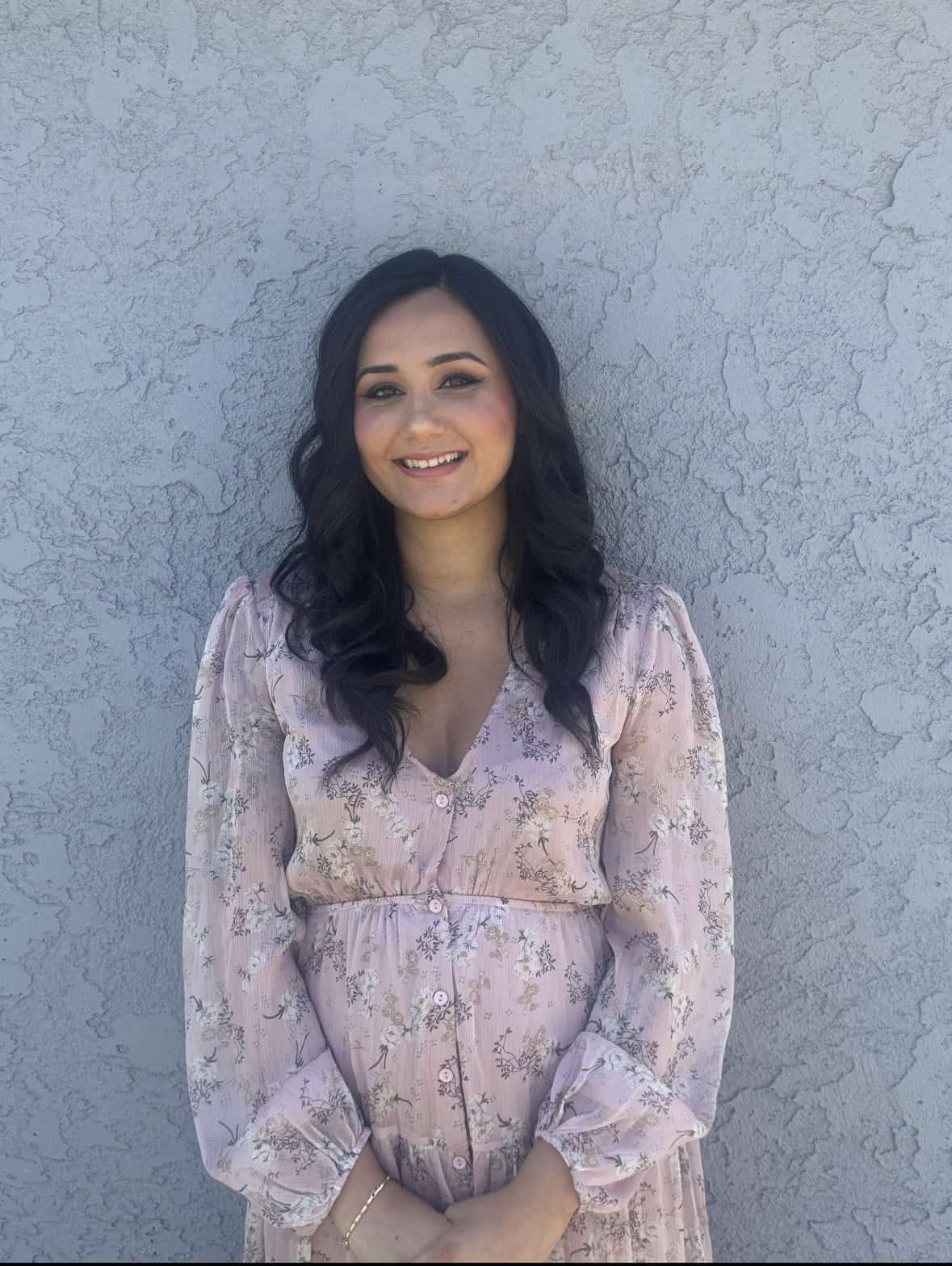
Rachel Handa, Clinical Director
Clinical Director & Therapist