Key Takeaways
- Approximately 80 percent of individuals who currently use heroin report that their opioid use began with prescription painkillers, establishing a clear epidemiological pipeline from medical to illicit opioid use.
- The transition typically occurs when prescription access is restricted or becomes too expensive, while the individual's physical dependence and escalating tolerance drive them to seek cheaper, more accessible alternatives.
- The contamination of the heroin supply with fentanyl has made this transition dramatically more lethal, as individuals transitioning from prescription opioids encounter a substance orders of magnitude more potent than what they are accustomed to.
- Prevention strategies include prescription monitoring programs, prescriber education, early identification of at-risk patients, and making medication-assisted treatment accessible before the transition to illicit opioids occurs.
- Treatment is effective at every point along the pipeline, from early prescription dependence through heroin and fentanyl addiction, and should be sought as early as possible.
How the Opioid Pipeline Begins
The opioid pipeline most commonly begins with a legitimate medical encounter. A surgery, sports injury, dental procedure, workplace accident, or chronic pain condition leads to a prescription for an opioid painkiller such as oxycodone, hydrocodone, or codeine. For most patients, the prescription serves its intended purpose and is discontinued without incident. For a significant minority, however, the experience of opioid analgesia activates the brain's reward system in a way that initiates a trajectory toward dependence.
Several factors increase vulnerability to this trajectory. Genetic predisposition to addiction, which accounts for approximately 40 to 60 percent of addiction risk, plays a significant role. Co-occurring mental health conditions, particularly depression, anxiety, and PTSD, make the mood-elevating properties of opioids especially appealing beyond their analgesic effects. High-dose prescriptions, prescriptions lasting longer than three days for acute conditions, and inadequate follow-up monitoring all increase the risk of dependence developing.
In Orange County and throughout Southern California, the prescription opioid epidemic reached its peak in the early 2010s, when overprescribing was widespread and the addictive potential of these medications was consistently underestimated by both prescribers and patients. While prescribing practices have improved significantly, the population of individuals who became dependent during this period continues to drive demand for illicit opioids.
The CDC reports that the number of opioid prescriptions in the United States peaked at 255 million in 2012, enough for every American adult to have their own bottle. While prescriptions have declined significantly since then, the legacy of that era continues to fuel the illicit opioid market.
The Transition from Prescription to Illicit Opioids
The transition from prescription opioid dependence to illicit opioid use typically occurs at a critical juncture where the individual's need for opioids outstrips their ability to obtain them through medical channels. This happens when the prescribing physician reduces or discontinues the prescription, when insurance coverage changes or expires, when the individual's tolerance has increased beyond what the prescription provides, or when regulatory tightening makes prescription opioids harder to obtain.
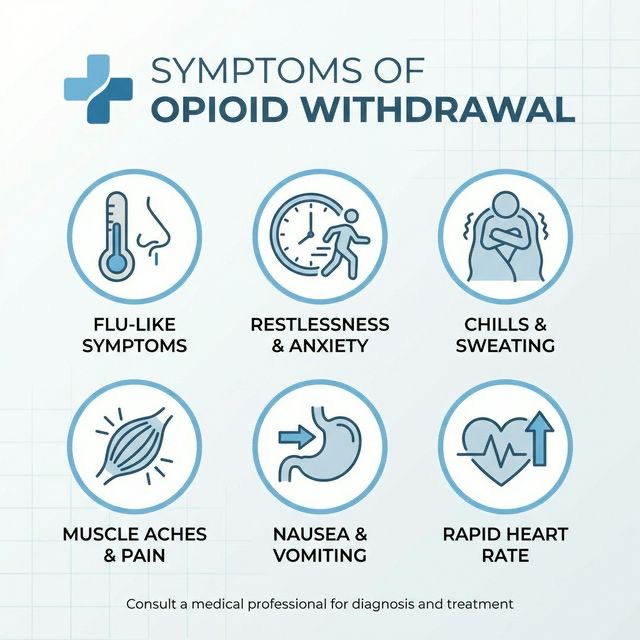
At this juncture, the individual faces a painful choice. Stopping opioid use means enduring withdrawal symptoms and the return of underlying pain or mental health conditions. Continuing to obtain prescription opioids through doctor shopping, emergency room visits, or the black market becomes increasingly expensive and difficult. Heroin, which provides an equivalent opioid effect at a fraction of the cost, becomes an economically rational alternative for someone driven by physical dependence.
The economic disparity is stark. A single 30 mg oxycodone pill on the black market may cost $30 to $80, while a dose of heroin producing equivalent effects costs $5 to $10. For an individual with advanced tolerance who requires multiple pills daily to avoid withdrawal, the financial pressure toward heroin or illicit fentanyl is immense. This economic reality drives the pipeline regardless of the individual's initial intentions or social background.
Fentanyl: The Pipeline's Deadliest Destination
The current opioid crisis has been dramatically reshaped by the proliferation of illicitly manufactured fentanyl. Individuals who transitioned from prescription opioids to heroin in the 2010s and early 2020s now face a heroin supply that has been largely replaced by or contaminated with fentanyl. This shift has made the pipeline exponentially more lethal.
Fentanyl is approximately 50 to 100 times more potent than morphine and 50 times more potent than heroin. An individual who developed tolerance to prescription opioids and transitioned to heroin may encounter fentanyl that overwhelms even their developed tolerance. The margin between an effective dose and a fatal dose of fentanyl is microscopic, and the inconsistent mixing of fentanyl into the drug supply means that a dose that was tolerable yesterday may be lethal today.
In Orange County, fentanyl has become the dominant opioid in the illicit drug supply, and counterfeit pills pressed to resemble prescription medications are a major vector for fentanyl exposure. Individuals who believe they are purchasing prescription opioids on the black market may unknowingly receive fentanyl-containing counterfeits that are orders of magnitude more potent than the genuine medication. Trust SoCal's medical team is experienced in treating individuals at every point along the prescription-to-fentanyl pipeline.
Counterfeit prescription pills containing fentanyl are visually indistinguishable from genuine pharmaceuticals. The DEA reports that 6 out of 10 counterfeit pills tested in 2023 contained a potentially lethal dose of fentanyl. Never take prescription opioids that were not dispensed by a licensed pharmacy.
Breaking the Pipeline Through Prevention and Early Intervention
Preventing the progression from prescription opioids to illicit drugs requires intervention at multiple points along the pipeline. Prescription monitoring programs (PDMPs), which track opioid prescriptions across pharmacies and prescribers, have been implemented in all 50 states to identify patients receiving multiple prescriptions and prescribers with outlier prescribing patterns.
Prescriber education has produced significant changes in opioid prescribing practices. Guidelines from the CDC and medical specialty organizations now recommend non-opioid pain management as the first-line approach for most conditions, shorter courses when opioids are prescribed, lower starting doses, and regular reassessment of continued opioid therapy. These changes have substantially reduced new opioid prescriptions, though they must be balanced against the needs of patients with legitimate pain conditions.
Early identification of individuals developing opioid dependence is critical for preventing the transition to illicit use. Signs include running out of prescriptions early, requesting early refills, reporting lost or stolen medications, and expressing anxiety about prescription continuation. When dependence is identified, referral to addiction medicine specialists and initiation of medication-assisted treatment with buprenorphine can prevent the progression to illicit opioids. Trust SoCal serves as a treatment resource for individuals and prescribers throughout Orange County.
- Prescription monitoring programs to identify at-risk prescribing patterns
- Evidence-based prescribing guidelines limiting opioid duration and dose
- Expanded access to non-opioid pain management including physical therapy and interventional procedures
- Early screening for opioid misuse and dependence during routine medical visits
- Rapid access to medication-assisted treatment when dependence is identified
- Naloxone distribution to individuals prescribed opioids long-term
- Public education about the risks of prescription opioid misuse
- Insurance coverage for addiction treatment without prior authorization barriers
Treatment at Every Stage of the Pipeline
Effective opioid addiction treatment is available at every point along the prescription-to-heroin-to-fentanyl pipeline, and earlier intervention consistently produces better outcomes. For individuals in the early stages of prescription opioid dependence, outpatient medication-assisted treatment with buprenorphine may be sufficient. For those who have progressed to heroin or fentanyl use, more intensive treatment including medical detox, residential programming, and comprehensive therapeutic support is typically necessary.
Trust SoCal provides a full continuum of opioid addiction treatment in Orange County, from medical detox through residential treatment, partial hospitalization, intensive outpatient, and ongoing aftercare. Our medication-assisted treatment protocols use buprenorphine and naltrexone to address the neurobiological dimension of opioid addiction while our clinical team delivers evidence-based therapy to address the behavioral, psychological, and social dimensions.
If you or someone you love is at any point along the opioid pipeline, from struggling to manage a prescription to actively using heroin or fentanyl, professional treatment can change the trajectory. The sooner treatment begins, the less damage accumulates and the stronger the foundation for lasting recovery. Call Trust SoCal at (949) 280-8360 for a confidential assessment and information about our opioid addiction treatment programs.
You do not need to wait until your situation becomes desperate to seek help. Individuals who enter treatment earlier in the opioid addiction trajectory consistently achieve better outcomes, require less intensive intervention, and recover more quickly. Early intervention is the most powerful tool in addiction medicine.

Rachel Handa, Clinical Director
Clinical Director & Therapist