Key Takeaways
- California recorded over 7,300 opioid-related overdose deaths in 2022, with Southern California counties accounting for a disproportionate share.
- Orange County fentanyl-related deaths increased more than tenfold between 2016 and 2022, transforming the demographic profile of overdose victims.
- Medication-assisted treatment remains the most effective intervention for opioid use disorder, reducing mortality by approximately 50 percent.
- California's Naloxone Distribution Project provides free naloxone to community organizations, schools, and individuals across Southern California.
- Treatment resources including medical detox, MAT, and residential programs are available throughout Orange County for individuals at all stages of opioid addiction.
The Opioid Epidemic in Southern California
The opioid epidemic has devastated communities across the United States for over two decades, and Southern California has experienced some of the most severe consequences. What began as a prescription opioid crisis in the late 1990s evolved into a heroin crisis in the 2010s and has now entered its most lethal phase with the proliferation of illicitly manufactured fentanyl and its analogs. For families across Orange County, Los Angeles, San Bernardino, and Riverside counties, understanding the scope of this crisis and the resources available is essential.
California recorded over 7,300 opioid-related overdose deaths in 2022, representing a dramatic increase from approximately 2,000 in 2015. Southern California counties have borne a disproportionate burden, driven by the region's proximity to drug trafficking routes, large population centers, and the pervasive availability of fentanyl in the illicit drug supply. The crisis crosses all demographic boundaries, affecting every age group, income level, and community.
At Trust SoCal in Fountain Valley, we work daily with individuals and families who are confronting the opioid epidemic firsthand. Our mission is to provide not only treatment but also education and community connection that can prevent future tragedies and support recovery for those already affected.
Local Opioid Statistics: Orange County and Beyond
Orange County has experienced a particularly dramatic transformation in its opioid crisis profile. Historically known as a community where prescription opioid abuse was the primary concern, the county has seen fentanyl rapidly displace other opioids as the leading cause of overdose death. The Orange County Health Care Agency reports that fentanyl was involved in the majority of opioid-related fatalities in 2022, a stark change from just five years earlier.
The demographic profile of opioid overdose victims in Orange County has shifted significantly. While earlier phases of the epidemic primarily affected middle-aged adults with chronic pain conditions, fentanyl-driven deaths are increasingly concentrated among younger adults aged 18 to 35. Many victims had no prior history of injection drug use, having been exposed to fentanyl through counterfeit pills purchased via social media platforms.
Los Angeles County, the most populous county in the nation, recorded over 2,500 opioid-related deaths in 2022. San Bernardino and Riverside counties in the Inland Empire have experienced comparable per-capita increases. Across the Southern California region, the trend is consistent: fentanyl has transformed a serious public health problem into an acute crisis requiring urgent, coordinated response.
The California Overdose Surveillance Dashboard provides real-time data on overdose deaths and emergency department visits by county. This public resource helps communities understand local trends and allocate prevention resources effectively.
Understanding the Three Waves of the Opioid Epidemic
Public health officials describe the opioid epidemic as unfolding in three distinct waves, each driven by a different class of opioids. Understanding this progression provides context for the current crisis and informs treatment and prevention strategies.
Wave One: Prescription Opioids (1990s-2010)
The first wave began in the late 1990s when pharmaceutical companies aggressively marketed opioid painkillers, particularly OxyContin, while minimizing addiction risks. Prescribing rates soared, and millions of Americans developed opioid dependence through legitimate medical treatment. By 2012, enough opioid prescriptions were written annually to provide every American adult with their own bottle of pills.
In Southern California, pain management clinics, orthopedic practices, and emergency departments became unwitting conduits for opioid dependence. Affluent communities like those in Orange County were particularly affected because residents had greater access to healthcare and pain management specialists who were prescribing opioids liberally.
Wave Two: Heroin (2010-2016)
As prescribing practices tightened and prescription monitoring programs reduced access to pharmaceutical opioids, many dependent individuals transitioned to heroin, which was cheaper and more readily available. Heroin overdose deaths in California more than tripled between 2010 and 2016, with Southern California experiencing particularly sharp increases.
This wave shattered stereotypes about heroin users. Many individuals who transitioned to heroin were suburban residents, professionals, and parents who had never imagined themselves using an injectable street drug. The transition from prescription pills to heroin represented not a choice but a consequence of untreated opioid dependence driving desperate measures.
Wave Three: Synthetic Opioids (2016-Present)
The current and most deadly wave is defined by illicitly manufactured fentanyl and its analogs. Fentanyl's extreme potency, low production cost, and ease of smuggling have made it the dominant opioid in the illicit market. Unlike heroin, which requires poppy cultivation and extensive processing, fentanyl is synthesized entirely from chemicals in laboratory settings, making supply virtually unlimited.
The fentanyl wave has introduced a new dimension of risk because the drug appears not only in the opioid supply but has contaminated cocaine, methamphetamine, and counterfeit pills sold as benzodiazepines, stimulants, and other medications. This cross-contamination means that individuals who have never intentionally used opioids can be fatally exposed through substances they believed to be entirely different drugs.
Risk Factors Specific to Southern California
Several factors make Southern California particularly vulnerable to the opioid epidemic. Geographic proximity to the Mexican border, through which the majority of illicit fentanyl enters the country, ensures a consistent and inexpensive supply. The region's large, diverse population includes communities with varying levels of access to healthcare, addiction treatment, and harm reduction services.
Cultural factors also play a role. The pressure to maintain high levels of professional performance, the normalization of prescription medication use for managing stress and pain, and the social isolation that can accompany the region's car-dependent, sprawling geography create conditions where opioid misuse can develop and persist without detection.
Additionally, housing instability and homelessness, which are acute problems throughout Southern California, create environments where substance use disorders worsen rapidly and treatment access becomes prohibitively difficult. Individuals experiencing homelessness face exponentially higher rates of opioid overdose death compared to housed populations, underscoring the intersection of addiction with broader social determinants of health.
Treatment Resources for Opioid Addiction in Southern California
Southern California offers a robust network of opioid addiction treatment resources ranging from emergency harm reduction services to long-term residential treatment programs. Understanding the available options empowers individuals and families to access appropriate care at any stage of the addiction trajectory.
Medical Detox and Medication-Assisted Treatment
Medical detox facilities throughout Orange County provide supervised withdrawal management using evidence-based protocols. Medication-assisted treatment with buprenorphine, methadone, or naltrexone is available through both residential treatment centers and outpatient opioid treatment programs. Trust SoCal in Fountain Valley offers medical detox with seamless transition into MAT-supported residential or outpatient treatment.
The California Department of Health Care Services maintains a treatment locator that helps individuals find MAT providers by zip code. Medi-Cal covers MAT for qualifying residents, and most commercial insurance plans are required to cover substance abuse treatment under the Mental Health Parity and Addiction Equity Act.
Naloxone Access and Distribution
California's Naloxone Distribution Project provides free naloxone to community organizations, schools, and individuals throughout Southern California. Pharmacies statewide can dispense naloxone without a prescription under a standing order from the state's Surgeon General. Many Orange County fire departments now carry and administer naloxone on emergency calls.
Community-based naloxone distribution has proven to be one of the most effective interventions for reducing opioid overdose mortality. Organizations such as the Orange County Needle Exchange Program and various harm reduction coalitions provide naloxone training and distribution at no cost to community members.
Prevention and Community Response
Effective response to the opioid epidemic requires coordinated action across healthcare, law enforcement, education, and community sectors. In Orange County, collaborative initiatives including the Orange County Opioid Task Force bring together stakeholders from multiple disciplines to develop and implement evidence-based prevention and response strategies.
School-based prevention programs that educate young people about the specific risks of fentanyl-contaminated drugs have become increasingly important. These programs emphasize that a single pill obtained outside of a pharmacy can contain a lethal dose of fentanyl, countering the misconception that pill form medications are inherently safer than powdered or injectable drugs.
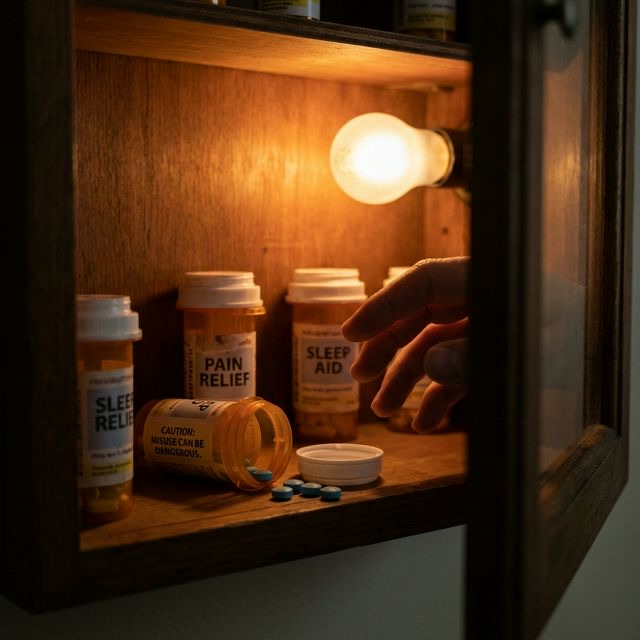
Families can contribute to prevention by maintaining open communication about drug risks, properly storing and disposing of prescription medications, keeping naloxone accessible in the home, and knowing the signs of opioid use and overdose. At Trust SoCal, we provide community education resources and family support services as part of our commitment to addressing the opioid epidemic from every angle.
The DEA's One Pill Can Kill campaign provides educational materials specifically designed for parents and young adults about the dangers of counterfeit pills. These free resources are available at dea.gov and can be downloaded for community distribution.
Getting Help: Trust SoCal Opioid Treatment Programs
Trust SoCal in Fountain Valley provides comprehensive opioid addiction treatment for individuals and families across Southern California. Our programs are designed to address the full spectrum of opioid use disorders, from prescription painkiller dependence to heroin and fentanyl addiction, using evidence-based approaches that combine medical, therapeutic, and holistic interventions.
Our treatment continuum includes medically supervised detox, medication-assisted treatment, residential treatment, intensive outpatient programming, and extended aftercare. Each client receives an individualized treatment plan developed by our multidisciplinary clinical team, ensuring that co-occurring mental health conditions, trauma history, and social needs are addressed alongside the addiction itself.
If the opioid epidemic has touched your family, you do not have to navigate it alone. Contact Trust SoCal today for a free, confidential consultation. Our admissions team can verify insurance coverage, answer questions about the treatment process, and facilitate a smooth transition into care for you or your loved one.

Madeline Villarreal, Counselor
Counselor