Key Takeaways
- Fentanyl has become the primary driver of opioid overdose deaths in Bexar County, present in the majority of fatal overdoses and often mixed into other substances like heroin, cocaine, and counterfeit pills.
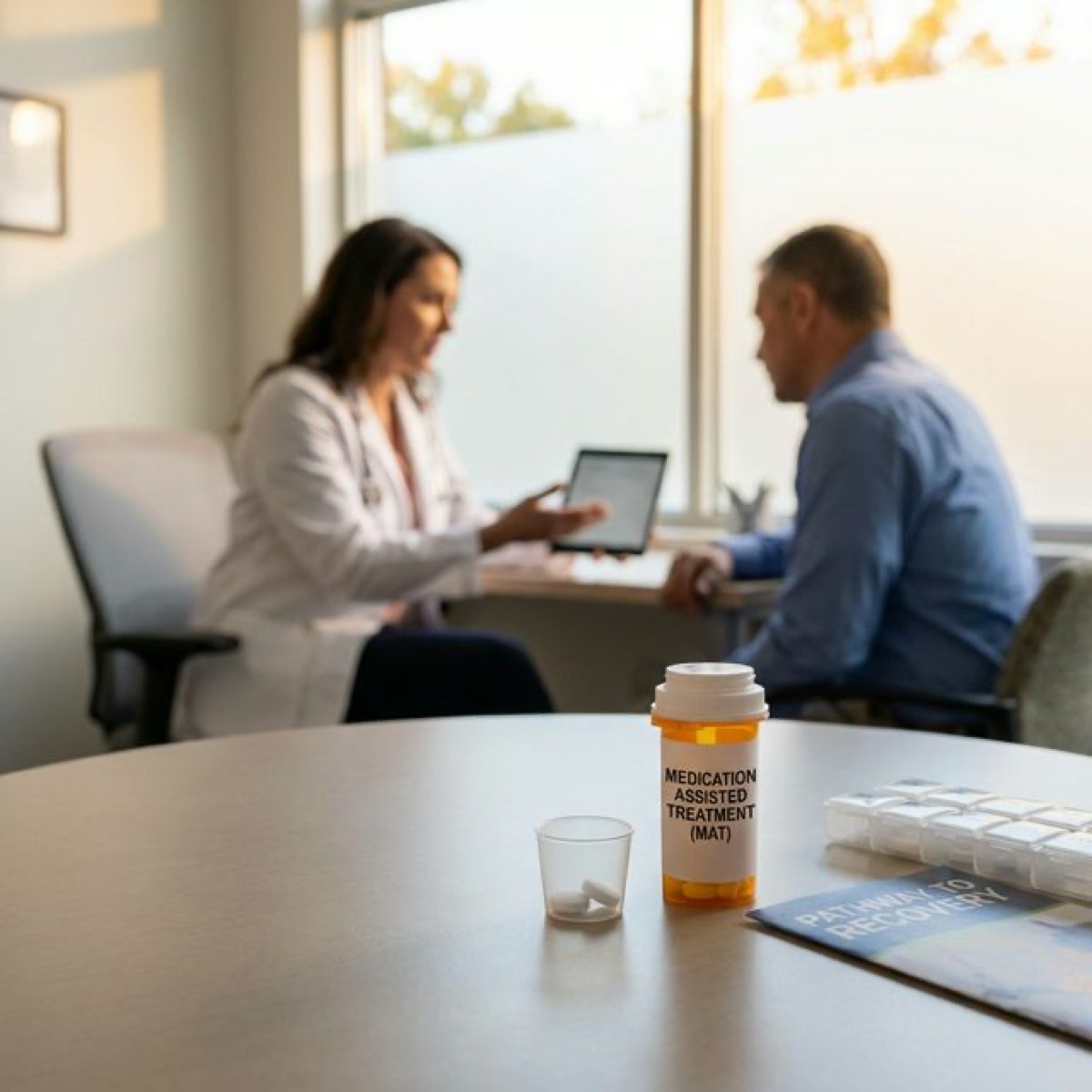
- Medication-assisted treatment (MAT) with buprenorphine, methadone, or naltrexone combined with behavioral therapy is the most effective evidence-based treatment for opioid use disorder and significantly reduces overdose risk.
- Naloxone (Narcan) nasal spray is available without a prescription at San Antonio pharmacies and can reverse opioid overdoses. Carrying naloxone and learning proper administration can save lives.
- San Antonio offers multiple pathways to MAT access through office-based buprenorphine prescribers, federally certified opioid treatment programs, and emergency department bridge programs.
- Long-term recovery from opioid addiction requires ongoing medication, behavioral therapy, and community support. Treatment should be viewed as chronic disease management rather than a one-time event.
- Trust SoCal provides comprehensive opioid addiction treatment for Bexar County residents seeking specialized care in California or interested in out-of-state recovery options.
The Scope of the Opioid Epidemic in Bexar County
Bexar County, encompassing San Antonio and surrounding communities with a combined population of over 2 million residents, is experiencing an opioid epidemic of unprecedented severity. Opioid-related overdose deaths have risen dramatically since 2015, with the crisis accelerating significantly after 2019 when illicitly manufactured fentanyl began dominating the local drug supply. The Bexar County Medical Examiner's Office has documented a stark transformation: while earlier waves of the epidemic involved prescription opioids and heroin, today's overdose deaths are predominantly caused by fentanyl and fentanyl analogs.
The geographic distribution of opioid-related death and illness across Bexar County mirrors patterns of socioeconomic inequality. Communities with lower median household incomes, higher poverty rates, and limited access to healthcare have experienced disproportionate impacts. However, the opioid crisis transcends economic boundaries. Affluent areas including the North Star and Medical Center neighborhoods have also seen rising opioid-related hospitalizations and overdose deaths. Fentanyl's infiltration into counterfeit prescription pills — pills made to look like legitimate Xanax, Percocet, or other pharmaceutical opioids — means that even individuals who do not identify as opioid users face overdose risk.
San Antonio's position on major drug trafficking routes, including I-37, I-35, and US-77, along with the proximity of the Port of Corpus Christi, means that fentanyl and other illicit opioids are abundant and inexpensive in the local market. The Drug Enforcement Administration has identified the San Antonio area as a distribution hub for fentanyl destined for communities throughout central and south Texas. Combating the opioid crisis in Bexar County therefore requires not only robust treatment infrastructure but coordinated public health, harm reduction, and law enforcement responses.
Fentanyl is now mixed into heroin, cocaine, methamphetamine, and counterfeit pills in the San Antonio area. Any illicit substance use carries overdose risk. If you or someone you know uses drugs, carrying naloxone and having a plan for overdose response can save lives.
Understanding Medication-Assisted Treatment for Opioid Addiction
Medication-assisted treatment, or MAT, represents the most effective and evidence-based approach to treating opioid use disorder. MAT combines FDA-approved medications — buprenorphine, methadone, or naltrexone — with counseling and behavioral therapies. Decades of rigorous clinical research have conclusively demonstrated that MAT reduces opioid use, decreases overdose mortality by 50% or more, reduces criminal activity, improves social functioning, and dramatically increases treatment retention compared to abstinence-only approaches. Despite overwhelming evidence, MAT remains underutilized in Bexar County and throughout Texas.
Buprenorphine, a partial opioid agonist, has revolutionized opioid treatment accessibility by allowing prescription in standard office-based settings. Any physician, nurse practitioner, or physician assistant with appropriate DEA registration can prescribe buprenorphine for opioid use disorder. This means Bexar County residents can receive buprenorphine from their primary care doctor, a psychiatrist, or an addiction specialist without needing to visit a specialized clinic daily. The San Antonio area has a growing network of buprenorphine prescribers, particularly through federally qualified health centers and addiction medicine specialists.
Methadone, a long-acting synthetic opioid, can only be dispensed through federally certified Opioid Treatment Programs (OTPs). San Antonio has multiple operational OTPs that provide daily medication dispensing, counseling, and close medical supervision. While daily clinic visits can be burdensome, methadone is particularly effective for individuals with severe opioid addiction or those who have not responded to other medications. As patients stabilize and demonstrate medication adherence, they can earn take-home doses, reducing clinic visit frequency.
Extended-Release Naltrexone and Other MAT Options
Naltrexone is an opioid antagonist that blocks opioid effects at the receptor level. The extended-release injectable form, Vivitrol, is administered once monthly and eliminates daily medication management.
- Vivitrol is best suited for highly motivated individuals who have completed medical detoxification and are committed to abstinence.
- Vivitrol requires patients to be opioid-free for 7 to 14 days before the first injection, making it a lower-relapse-risk option than daily oral medications.
- Several San Antonio treatment centers and outpatient clinics offer Vivitrol, and most insurance plans including Texas Medicaid cover the medication.
- Combining Vivitrol with intensive behavioral therapy and recovery support produces optimal outcomes for individuals choosing the naltrexone pathway.
Naloxone Access and Overdose Prevention
Naloxone, commonly known by the brand name Narcan, is a medication that rapidly reverses opioid overdoses by displacing opioids from receptors in the brain. When administered immediately during an overdose, naloxone can restore breathing within two to three minutes. Naloxone is available as a nasal spray that requires no special training to administer, making it a critical harm reduction tool. In Texas, naloxone is available without a prescription at most pharmacies under a standing order issued by the Texas Commissioner of State Health Services.
San Antonio residents should carry naloxone if they use opioids or have family members or close friends who use opioids. Free naloxone is available through several Bexar County harm reduction organizations, community health centers, and addiction treatment programs. Training in naloxone administration is widely available through treatment centers, harm reduction organizations, and public health agencies. Proper training ensures that if an overdose occurs, bystanders can administer naloxone quickly and contact emergency medical services.
It is important to understand that naloxone only works on opioid receptors — it does not reverse overdoses from benzodiazepines, alcohol, or stimulants. However, if someone is overdosing on a combination of substances including opioids, naloxone may still save their life. Always call 911 after administering naloxone and remain with the person until emergency responders arrive.
Ask your pharmacist about naloxone availability at San Antonio-area pharmacies. Many offer naloxone nasal spray without requiring a prescription. Keep naloxone stored somewhere accessible, and make sure family members know where it is located.
Treatment Pathways and Clinical Decision-Making
When an individual in Bexar County develops an opioid use disorder and decides to seek treatment, the initial clinical assessment should guide placement decisions. A comprehensive assessment considers the severity of opioid use, presence of withdrawal symptoms, medical complications, psychiatric comorbidity, psychosocial factors, and prior treatment history. This assessment should determine whether the person needs medical detoxification, what level of care is appropriate, and which MAT medication is the best fit.
For individuals with significant physical dependence, medical detoxification is typically the appropriate starting point. Medical detox provides 24-hour nursing care, physician oversight, and symptom management to safely manage the physical withdrawal process. After detox, individuals can transition to residential treatment, intensive outpatient care, or office-based MAT depending on their clinical presentation and needs.
The ideal treatment approach for most individuals with opioid use disorder is initiation of MAT as early as possible, ideally during or immediately after medical detox. Delaying MAT initiation increases relapse risk. Quality treatment programs in San Antonio are increasingly adopting "medication first" approaches that begin medication during detox or at admission to residential care rather than waiting for abstinence or lengthy counseling periods.
If you are struggling with opioid addiction and are ready to start treatment, contact the SAMHSA National Helpline at 1-800-662-4357. Counselors can help identify MAT providers in the San Antonio area and connect you with appropriate care.
Accessing Treatment in San Antonio and Beyond
San Antonio residents with opioid addiction have multiple treatment options within Bexar County. However, accessing the right program at the right time can be challenging. Public and nonprofit programs often have wait lists, while private programs vary widely in quality and accessibility. Insurance coverage is a significant factor — individuals with private insurance often have better access to office-based buprenorphine, while Medicaid beneficiaries may be limited to publicly funded facilities.
Some Bexar County residents, particularly those seeking specialized dual diagnosis treatment, military-competent care, or simply geographic distance from their using environment, choose out-of-state treatment. Trust SoCal in Fountain Valley, California provides comprehensive opioid addiction treatment including medical detox, residential programming, MAT coordination, family involvement, and detailed aftercare planning for Bexar County residents. Our clinical team understands the specific challenges facing San Antonio families and is experienced in coordinating insurance, travel logistics, and ongoing care coordination with Texas providers.
Whether you choose a local San Antonio program or decide that out-of-state treatment is right for your situation, the most important thing is to take action quickly. Every day spent in active opioid addiction carries overdose risk, and treatment can make a life-saving difference. Call (949) 280-8360 to speak with Trust SoCal's admissions team about opioid treatment options.
Building Long-Term Recovery Support
Treatment initiation is a critical first step, but sustained recovery requires ongoing support. Individuals with opioid addiction should expect to remain on medication-assisted treatment for an extended period, typically years rather than months. Research shows that individuals who discontinue MAT prematurely have high relapse rates. The goal is not abstinence from medication but rather sustained abstinence from illicit opioid use, improved health, and restored social and occupational functioning.
San Antonio has a growing recovery community with hundreds of support group meetings weekly. Twelve-step programs like Narcotics Anonymous and SMART Recovery groups provide peer support and accountability. Some individuals benefit from recovery coaching, peer support specialists, or sober living arrangements. Ongoing individual or group therapy helps address underlying trauma, mental health conditions, and life skills development. Connecting with multiple layers of support — medication, therapy, peer community, and recovery resources — creates overlapping protection against relapse.

Kristin Stevens, LCSW
Licensed Clinical Social Worker