Key Takeaways
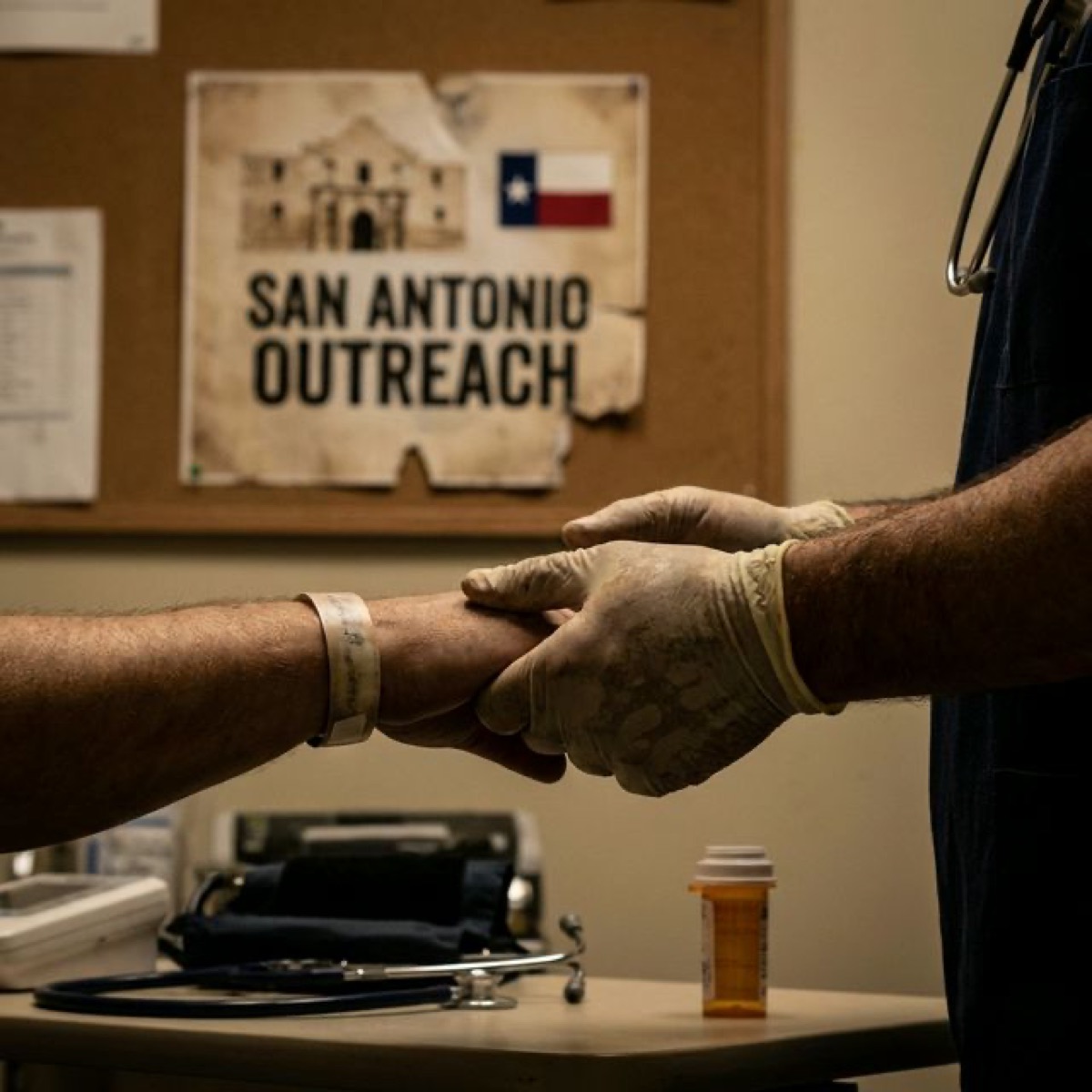
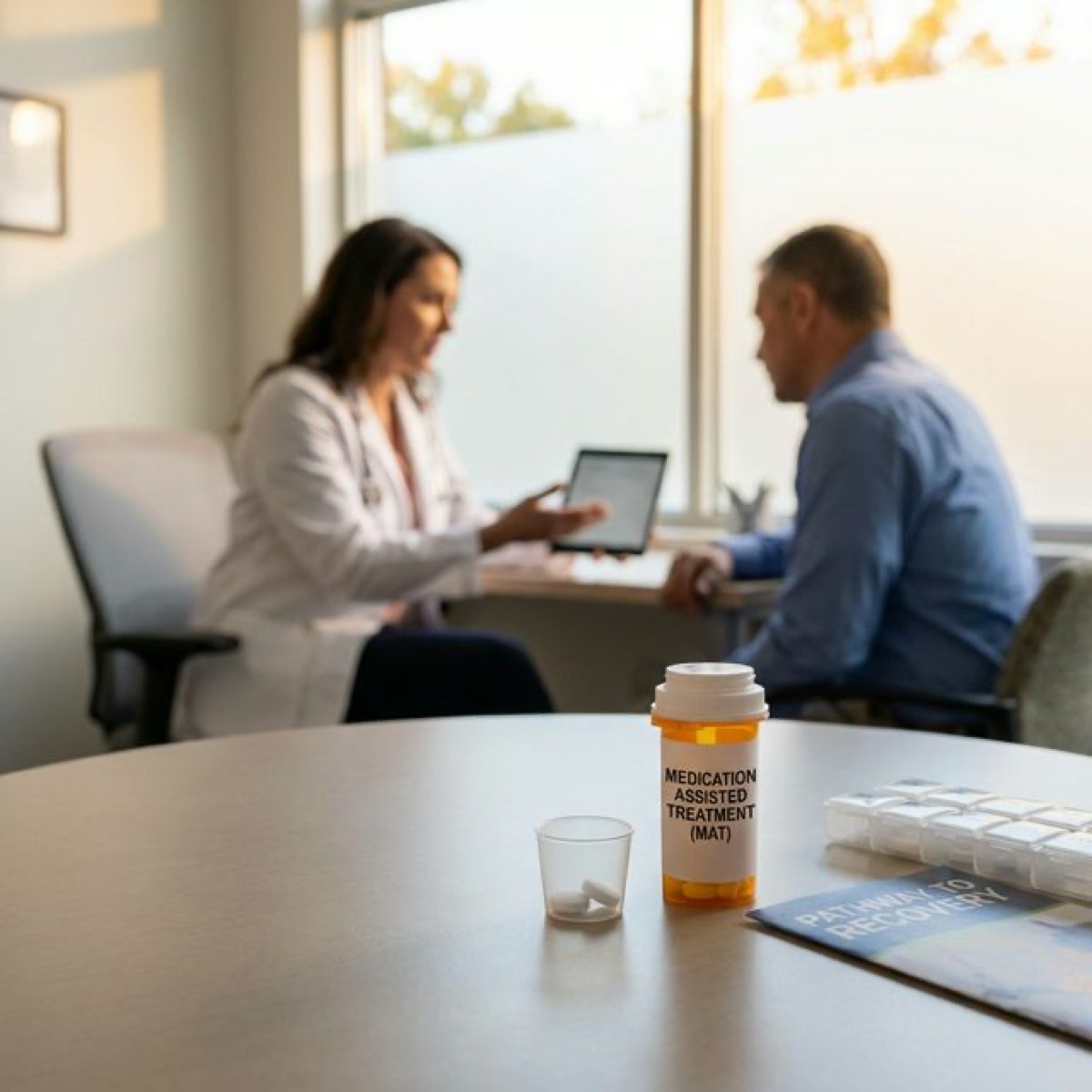
- Medication-assisted treatment (MAT) combining medication with behavioral therapy is the gold standard for opioid use disorder and produces the best long-term outcomes.
- Buprenorphine can be prescribed in office-based settings by qualified providers and offers flexibility and accessibility for San Antonio residents.
- Methadone through federally certified Opioid Treatment Programs (OTPs) remains highly effective, particularly for individuals with severe addiction.
- Naltrexone in extended-release injectable form (Vivitrol) is a non-controlled alternative for motivated individuals who have completed detox.
- San Antonio has growing access to all three MAT medications through various public and private providers.
- Long-term medication maintenance, not rapid tapering, produces the best sustained recovery outcomes.
The Evidence for Medication-Assisted Treatment
Medication-assisted treatment represents the most thoroughly researched and evidence-supported approach to treating opioid use disorder. Decades of clinical trials, observational studies, and real-world implementation data consistently demonstrate that MAT significantly improves outcomes compared to abstinence-only treatment. Individuals on MAT experience 50% or greater reduction in ongoing opioid use, dramatically decreased overdose mortality, reduced engagement in criminal activity, improved employment and housing stability, and enhanced social relationships.
The biological basis for MAT is well-established. Opioid use disorder involves complex changes in brain chemistry, particularly in opioid receptor systems that regulate reward, stress response, and pain perception. Opioid medications like buprenorphine and methadone restore homeostasis to these brain systems, reducing cravings and withdrawal symptoms while blocking euphoric effects of additional opioid use. This biological correction, combined with behavioral therapy, addresses both the neurobiological and behavioral dimensions of opioid addiction.
Despite overwhelming evidence, significant stigma and misconceptions persist around MAT. Some individuals and providers mistakenly believe that MAT simply replaces one drug with another. In reality, MAT is a form of medication management—similar to insulin for diabetes or antihypertensive medications for high blood pressure—designed to treat a chronic disease of brain chemistry. MAT is not a relapse; it is a medically sound treatment for a serious medical condition.
The Substance Abuse and Mental Health Services Administration (SAMHSA) and the National Institute on Drug Abuse (NIDA) endorse MAT as the most effective treatment for opioid use disorder.
Buprenorphine: Office-Based Treatment in San Antonio
Buprenorphine is a partial opioid agonist that has transformed access to opioid addiction treatment by allowing prescription in standard medical offices. Any physician, nurse practitioner, or physician assistant with appropriate DEA registration (a simple additional application) can prescribe buprenorphine for opioid use disorder. This means San Antonio residents can receive buprenorphine from their primary care doctor, a psychiatrist, addiction specialist, or community health center without needing to visit a specialized opioid treatment clinic daily.
The dosing of buprenorphine typically begins at 4 to 8 mg on the first day and titrates upward based on clinical response, with most individuals stabilizing at 12 to 24 mg daily. Buprenorphine is typically combined with naloxone (marketed as Suboxone) to reduce abuse potential. As a partial agonist, buprenorphine produces a ceiling effect on respiratory depression, making it safer than full opioid agonists in case of overdose. This safety profile has made buprenorphine increasingly popular among prescribers and patients.
San Antonio has a growing network of buprenorphine prescribers, including federally qualified health centers, addiction medicine specialists, and primary care providers. Finding a knowledgeable prescriber who provides adequate counseling and monitoring is essential. Quality buprenorphine prescribers conduct comprehensive assessments, establish clear treatment plans with measurable goals, monitor adherence and urine drug screens, manage side effects, and coordinate with therapy and psychosocial support services.
Buprenorphine Prescribing and Monitoring in Bexar County
Buprenorphine treatment works best when combined with behavioral support and psychosocial services. Quality prescribers in San Antonio coordinate with counselors, therapists, and case managers.
- Initial assessment should include comprehensive biopsychosocial evaluation, urine drug screen, and medical history.
- Treatment plans should specify target dose, monitoring frequency, expectations for therapy participation, and goals for behavioral change.
- Ongoing monitoring typically includes monthly or quarterly office visits, regular urine drug screening, and pill counts.
- Psychosocial support including individual or group counseling significantly improves treatment retention and outcomes.
Methadone Treatment Through Opioid Treatment Programs
Methadone is a long-acting synthetic opioid that was the first medication approved for treating opioid addiction in the 1960s and remains highly effective. Methadone can only be dispensed through federally certified Opioid Treatment Programs (OTPs), which must comply with strict federal regulations regarding medication dispensing, dosing, counseling, and monitoring. San Antonio has multiple OTPs that serve Bexar County residents and individuals from surrounding areas.
During the initial stabilization phase of methadone treatment, patients typically visit the clinic daily to receive directly observed doses under staff supervision. This high level of monitoring ensures medication compliance and allows counselors to monitor for signs of continued drug use, mental health complications, or medical problems. As patients stabilize and demonstrate consistent compliance and behavioral change, they earn take-home privileges, reducing clinic visit frequency to two or three times weekly and eventually to twice monthly for long-term stable patients.
Methadone dosing typically begins at 20 to 30 mg daily and increases gradually based on clinical response and withdrawal symptom control, with most patients stabilizing at 60 to 100 mg daily. Higher doses produce stronger blockade of opioid effects and greater reduction in cravings. Optimal dosing should be individualized based on clinical response rather than using lower doses to expedite rapid tapering. Research shows that patients maintained on adequate methadone doses have significantly better outcomes than those on subtherapeutic doses.
Methadone treatment is particularly appropriate for individuals with severe opioid addiction, those who have failed buprenorphine trials, or those who need the structure and monitoring provided by OTP programs.
Extended-Release Naltrexone (Vivitrol)
Naltrexone is an opioid antagonist that works by blocking opioid receptors, preventing opioids from producing their euphoric and reinforcing effects. The extended-release injectable form, Vivitrol, is administered as a single intramuscular injection once monthly. Because naltrexone has no inherent abuse potential and produces no high, it appeals to some patients concerned about medication side effects or the symbolic significance of taking a medication containing an opioid.
Vivitrol requires patients to be opioid-free for 7 to 14 days before the first injection, as administering naltrexone to someone with opioid in their system can precipitate acute withdrawal. This requirement makes Vivitrol most appropriate for highly motivated individuals who have completed medical detoxification and are committed to maintaining abstinence. Some clinicians view Vivitrol as particularly suitable for individuals in early recovery with strong psychosocial support networks.
San Antonio treatment centers offering Vivitrol typically combine the monthly injection with weekly or biweekly individual therapy and regular group counseling. Insurance coverage, including Texas Medicaid, generally supports Vivitrol treatment. However, the upfront commitment to detox and injection schedules means Vivitrol is less appropriate than buprenorphine or methadone for individuals in active acute addiction.
Choosing the Right MAT Medication for Your Situation
The choice between buprenorphine, methadone, and naltrexone should be individualized based on severity of addiction, medical factors, psychiatric comorbidity, psychosocial support, and personal preferences. Individuals with very severe opioid addiction, long history of use, prior failed treatment attempts, or significant psychosocial instability often do best with methadone's higher level of monitoring and structure. Those with milder to moderate addiction, stable housing and employment, or strong family support may thrive with office-based buprenorphine.
Healthcare providers in San Antonio should discuss all three options with patients and allow patient preferences to guide treatment selection, as engagement and retention are significantly influenced by treatment fit. Some individuals benefit from trying one medication and switching to another if the first choice produces unmanageable side effects or inadequate treatment response. Treatment should not be viewed as static — adjustments based on clinical response are appropriate and expected.
Avoid programs that insist on detoxification before starting MAT or that pressure patients to taper off medication quickly. Evidence supports starting MAT as early as possible and maintaining medication for extended periods.
Moving Beyond Stigma: MAT as Essential Medical Care
Medication-assisted treatment is not a moral failing or a shortcut to recovery—it is essential medical care for a serious chronic disease. Just as a person with diabetes must take insulin to survive and thrive, a person with opioid use disorder requires medication to restore brain chemistry and prevent overdose death. The misconception that true recovery requires abstinence from all medications is not supported by medical evidence and perpetuates stigma that prevents individuals from accessing life-saving treatment.
San Antonio residents and families should feel empowered to seek MAT without shame or self-judgment. Call (949) 280-8360 if you have questions about MAT options or if you are considering treatment.

Kristin Stevens, LCSW
Licensed Clinical Social Worker