Key Takeaways
- Islam's prohibition of intoxicants is clear, but Islamic theology also emphasizes that God is Al-Ghaffar (the Repeatedly Forgiving), providing hope for those struggling with addiction.
- The five daily prayers (salat) provide a structured daily rhythm that supports recovery through mindfulness, discipline, and regular connection with God.
- Tawbah (repentance) in Islam is an ongoing process available to every Muslim at every moment, paralleling the continuous nature of addiction recovery.
- Cultural stigma around addiction in many Muslim communities can be a barrier to seeking help, making culturally sensitive treatment essential.
- Trust SoCal provides culturally sensitive care that respects Islamic practices and can integrate them into individualized treatment. Call (949) 280-8360.
The Islamic Understanding of Addiction and Intoxicants
The Quran is explicit in prohibiting intoxicants (khamr), stating in Surah Al-Ma'idah (5:90): "O you who believe, intoxicants, gambling, stone altars, and divining arrows are but defilement from the work of Satan, so avoid them that you may be successful." This clear prohibition means that substance use carries significant spiritual weight in Islam. However, Islamic scholars distinguish between the act of using intoxicants and the condition of addiction, recognizing that compulsive dependence involves a loss of voluntary control that diminishes moral culpability.
Islamic theology emphasizes that God is both just and merciful. While sin is taken seriously, God's mercy is described as encompassing all things (Quran 7:156). The names of God include Al-Ghaffar (the Repeatedly Forgiving), Ar-Rahman (the Most Compassionate), and At-Tawwab (the Acceptor of Repentance). For a Muslim struggling with addiction, these divine attributes provide assurance that recovery and forgiveness are always possible, no matter how many times a person has fallen.
The Prophet Muhammad (peace be upon him) taught that "every son of Adam sins, and the best of sinners are those who repent." This hadith normalizes the reality of human imperfection and positions repentance as the defining feature of a person's character, not the absence of sin. For Muslims in recovery, this teaching counters the shame and despair that can accompany addiction, replacing them with hope and the motivation to continually return to the path of recovery.
Despite Islam's clear prohibition of intoxicants, addiction affects Muslim communities worldwide. The National Survey on Drug Use and Health reports that substance use disorders occur across all religious and cultural groups. Stigma within Muslim communities can prevent individuals from seeking the help they need.
Salat and Daily Structure in Recovery
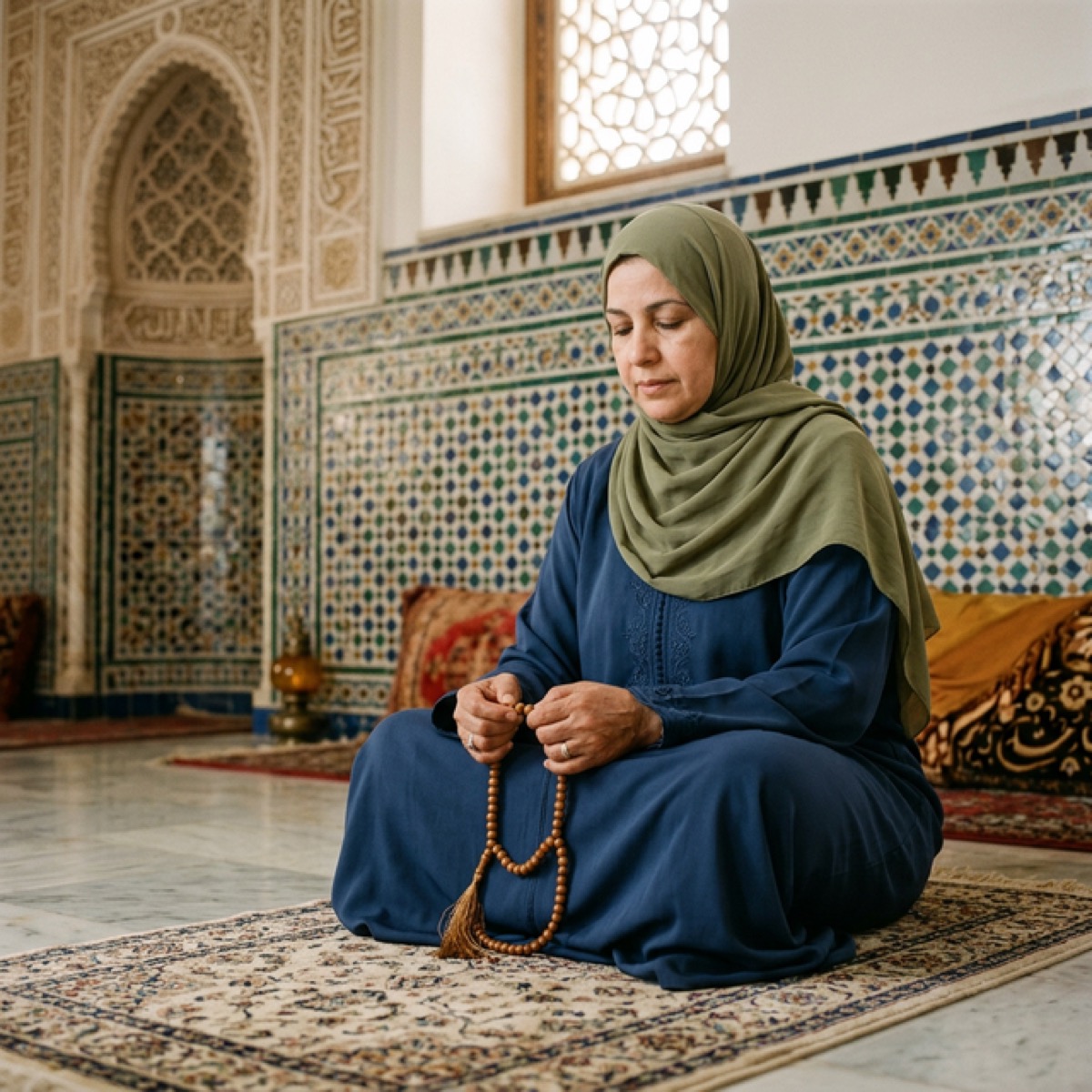
The five daily prayers (salat) required of every Muslim provide a built-in recovery structure that is remarkably well-suited to addiction recovery. Performed at dawn (Fajr), midday (Dhuhr), afternoon (Asr), sunset (Maghrib), and night (Isha), these prayers divide the day into manageable segments and provide regular moments of mindfulness, self-reflection, and connection with God. For a person in recovery, the discipline of maintaining prayer times creates rhythm, accountability, and frequent opportunities to reorient toward recovery goals.
The physical components of salat, including standing, bowing, and prostration (sujood), provide a form of embodied mindfulness that grounds the practitioner in the present moment. Research on mindfulness-based interventions for addiction has shown that practices that combine mental focus with physical awareness can reduce cravings and improve emotional regulation. The prostration in sujood, where the forehead touches the ground, is described by many Muslims as a moment of profound humility and surrender that directly parallels the recovery principle of surrendering to a power greater than oneself.
Wudu (ablution), the ritual washing performed before prayer, serves as a transitional practice that marks the shift from ordinary activity to sacred time. For individuals in recovery, wudu can function as a mindfulness practice that interrupts automatic thought patterns and creates a moment of intentional presence. The physical act of washing also carries symbolic significance: purification, renewal, and preparation for communion with God.
How Islamic Daily Practices Support Recovery
Several daily Islamic practices align naturally with evidence-based recovery strategies.
- Five daily prayers: Provide structure, mindfulness, and regular spiritual connection throughout the day
- Wudu (ablution): Functions as a mindfulness transition practice interrupting compulsive thought patterns
- Dhikr (remembrance of God): Repetitive devotional phrases that calm the nervous system and redirect attention
- Quran recitation: Provides comfort, guidance, and cognitive engagement during moments of craving
- Fasting during Ramadan: Builds discipline, self-control, and awareness of one's relationship with desire
- Du'a (personal supplication): Direct conversation with God about struggles, fears, and hopes for recovery
Tawbah: The Islamic Process of Repentance and Return
Tawbah (repentance) in Islam is a structured process that parallels the recovery journey. Islamic scholars identify several conditions for sincere tawbah: (1) recognizing and acknowledging the sin; (2) feeling genuine remorse; (3) ceasing the sinful behavior immediately; (4) making a firm resolve not to return to the behavior; and (5) if the sin harmed another person, seeking their forgiveness and making amends. This process mirrors the recovery steps of admitting the problem, taking moral inventory, making amends, and committing to changed behavior.
What makes tawbah especially relevant to addiction recovery is that Islamic theology explicitly states that God does not tire of forgiving those who sincerely repent, even if they sin and repent repeatedly. The Quran states: "Say, O My servants who have transgressed against themselves, do not despair of the mercy of God. Indeed, God forgives all sins" (39:53). For a Muslim in recovery who has relapsed, this assurance that God's mercy is inexhaustible provides motivation to return to recovery rather than surrendering to despair.
The community dimension of tawbah is also significant. While personal repentance is between the individual and God, the process of making amends to those harmed by addiction is a communal practice. Seeking forgiveness from family members, friends, and community members harmed by one's addiction is both a spiritual obligation and a practical step in rebuilding trust and relationships damaged by substance use.
If you are a Muslim in recovery, remember that the door of tawbah is always open. A relapse is not a permanent failure; it is an opportunity for renewed repentance and return. God's mercy encompasses all things.
Addressing Stigma in Muslim Communities
Perhaps the greatest barrier to addiction recovery in Muslim communities is cultural stigma. Because Islam clearly prohibits intoxicants, many Muslims feel that admitting to addiction is admitting to deliberate disobedience of God's commands. Families may view a member's addiction as bringing shame upon the entire family. Community members may distance themselves from individuals with substance use problems rather than offering support. This stigma can prevent Muslims from seeking help, lead to secrecy and isolation, and make recovery more difficult.
Progressive Muslim leaders and organizations are working to address this stigma by reframing addiction as a medical and spiritual condition rather than a moral failure. Imam-led educational programs, Friday khutbah (sermons) addressing addiction, and the establishment of Muslim recovery support groups are all contributing to a cultural shift. The recognition that the Prophet Muhammad taught compassion for the suffering and that Islam's emphasis on community support applies to those struggling with addiction is gradually changing attitudes.
For Muslim families, culturally competent family therapy that understands Islamic values and family dynamics is essential. Family therapy can help family members move from shame and anger to understanding and support, while also addressing any family patterns that may contribute to or enable addiction. Trust SoCal provides culturally sensitive care that understands Muslim family dynamics and can coordinate with imams and community leaders. Call (949) 280-8360.
Stigma in Muslim communities can prevent people from seeking help for addiction. If you are a Muslim struggling with substance use, know that seeking treatment is an act of courage and faith, not a sign of weakness. God's mercy is available to all who seek it.
Integrating Islamic Practice with Evidence-Based Treatment
Islamic spiritual practices are highly compatible with evidence-based addiction treatment. The mindfulness inherent in salat and dhikr aligns with mindfulness-based relapse prevention. The structured daily routine of Islamic practice supports the routine and discipline that clinical treatment emphasizes. The moral inventory process in recovery parallels the Islamic practice of muhasabah (self-accounting). Cognitive-behavioral therapy's emphasis on changing thought patterns resonates with the Islamic teaching to "guard your thoughts, for thoughts become actions."
Trust SoCal works with clients of all faith backgrounds and can create treatment plans that integrate Islamic practices such as prayer, Quran recitation, fasting schedules, and dietary requirements. Our clinical team can coordinate with local imams and Islamic centers to ensure comprehensive spiritual support alongside evidence-based treatment. We understand that halal dietary laws, gender considerations in treatment settings, and prayer schedules are important aspects of care for Muslim clients.
When seeking treatment, Muslim clients should ask about halal food options, prayer space availability, gender-separated programming options, and the treatment center's experience with Muslim clients. Trust SoCal accommodates these needs. Call (949) 280-8360.
Finding Muslim-Informed Addiction Treatment
Muslims seeking addiction treatment should look for programs that combine clinical expertise with cultural competence. Ask whether the program can accommodate Islamic dietary requirements, provide space for daily prayers, respect gender norms, and demonstrate understanding of Islamic values and community dynamics. Programs that coordinate with local mosques and imams can provide more comprehensive care.
Several organizations specifically serve Muslim communities: the Millati Islami program adapts the 12 steps to Islamic theology, replacing references to a generic Higher Power with references to Allah. Muslim peer support groups are available in some metropolitan areas and online. Local imams can often provide referrals to treatment providers who understand the Muslim community. Trust SoCal welcomes Muslim clients and provides culturally sensitive care. Call (949) 280-8360.

Trust SoCal Editorial Team, Clinical Review Board
Editorial & Clinical Review