Key Takeaways
- The LDS Addiction Recovery Program (ARP) adapts the 12 steps to LDS theology, centering each step on the Atonement of Jesus Christ as the source of healing power.
- The Word of Wisdom, the LDS health code prohibiting alcohol, tobacco, tea, and coffee, creates a cultural context where abstinence is normative and supported.
- LDS bishops and stake presidents play a significant pastoral role in addiction recovery, providing ecclesiastical support alongside the ARP program.
- The LDS emphasis on family and eternal relationships provides powerful motivation for recovery and strong family support systems.
- Trust SoCal respects all faith traditions and can coordinate with LDS ecclesiastical leaders to support recovery. Call (949) 280-8360.
The LDS Addiction Recovery Program
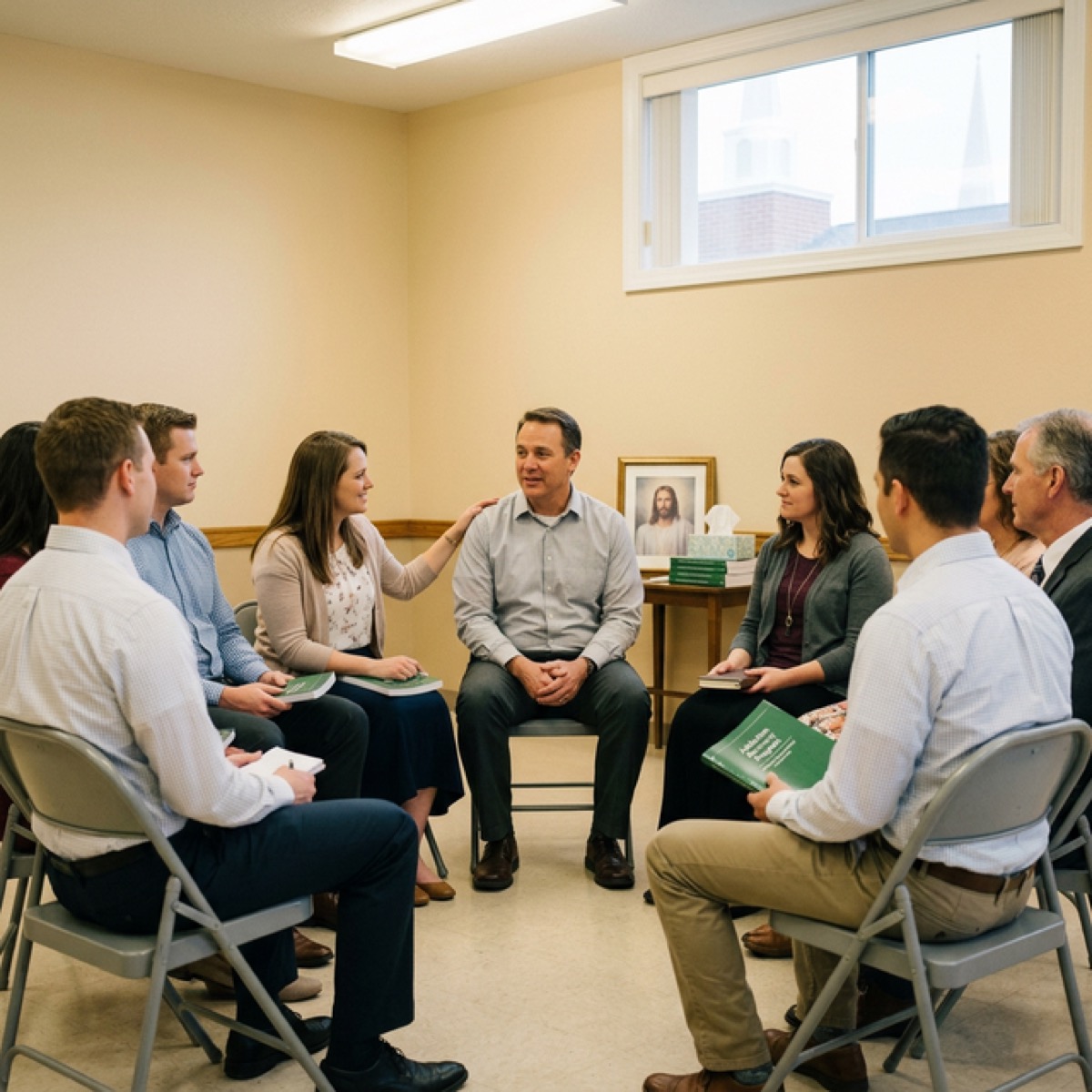
The Church of Jesus Christ of Latter-day Saints operates the Addiction Recovery Program (ARP), a 12-step program that adapts each step to LDS theology and centers the recovery process on the Atonement of Jesus Christ. The program guide, available for free through the Church, pairs each of the 12 steps with specific scriptural references from the Book of Mormon, Doctrine and Covenants, and Bible, along with guidance from LDS prophets and apostles. ARP meetings are held in LDS meetinghouses and facilitated by called missionaries or trained leaders.
The ARP program emphasizes that the Atonement of Jesus Christ provides not only forgiveness for sins but also healing power for the wounds of addiction. This theological framework means that recovery is understood not merely as abstinence from substances but as a process of spiritual healing made possible through Christ's sacrifice. Participants are encouraged to develop a personal relationship with the Savior as the foundation of their recovery.
ARP meetings are open to anyone, regardless of LDS membership, and address a range of addictive behaviors including substance abuse, pornography addiction, gambling, and other compulsive behaviors. Separate meetings are available for family members and loved ones of those struggling with addiction. The program is offered at no cost, reflecting the LDS Church's commitment to making recovery support accessible.
The LDS Addiction Recovery Program is available for free through the Church of Jesus Christ of Latter-day Saints. Meetings are held worldwide, and the program guide is available in multiple languages at addictionrecovery.churchofjesuschrist.org.
The Word of Wisdom and LDS Culture
The Word of Wisdom, a health code received by revelation in 1833, prohibits the use of alcohol, tobacco, tea, coffee, and harmful substances. Adherence to the Word of Wisdom is required for temple worthiness, the highest level of active participation in the LDS Church. This creates a cultural context in which abstinence from alcohol and tobacco is normative, socially supported, and reinforced through religious observance.
This abstinence culture provides significant advantages for recovery. LDS members in recovery from alcohol use disorder do not face the social pressure to drink that exists in many other cultural contexts. Church events, social gatherings, and family celebrations do not include alcohol. Friends and family members are likely to be supportive of sobriety because they practice it themselves. This cultural infrastructure of abstinence provides a protective environment that supports long-term recovery.
However, the same culture that supports abstinence can create challenges around stigma and shame. Because substance use is a clear violation of the Word of Wisdom and affects temple worthiness, LDS members who develop addiction may experience intense shame and fear of ecclesiastical consequences. They may hide their addiction rather than seeking help, and family members may feel that the addiction reflects a failure of faith or moral character. Addressing this shame and creating safe spaces for honest disclosure are important aspects of recovery within LDS communities.
Navigating Recovery Within LDS Culture
LDS members in recovery face unique cultural dynamics that treatment providers should understand.
- Abstinence culture provides strong social support for sobriety
- Word of Wisdom adherence is tied to temple worthiness, creating high stakes around disclosure
- Bishops provide both pastoral support and ecclesiastical authority, which can complicate the recovery relationship
- Family expectations around righteousness can increase shame and delay help-seeking
- The emphasis on self-reliance can conflict with the vulnerability required in recovery
- Service opportunities within the Church provide purpose and structure during recovery
The Role of Ecclesiastical Leaders in Recovery
LDS bishops and stake presidents play a significant role in the recovery process for Church members. When a member discloses a substance use problem, the bishop provides pastoral care, guidance, and may implement informal or formal disciplinary measures depending on the severity and circumstances. Bishops can refer members to the ARP program, connect them with LDS Family Services for professional counseling, and provide ongoing ecclesiastical support throughout recovery.
The bishop's dual role as both spiritual counselor and ecclesiastical authority creates a complex dynamic. On one hand, the bishop provides a consistent, caring relationship and spiritual guidance that supports recovery. On the other hand, the authority dimension of the relationship may make members reluctant to be fully honest about their struggles, fearing disciplinary consequences. Effective bishops navigate this tension with compassion, prioritizing the member's healing while fulfilling their ecclesiastical responsibilities.
Trust SoCal understands the importance of ecclesiastical relationships for LDS clients and can coordinate with bishops and stake presidents (with the client's consent) to ensure that clinical treatment and ecclesiastical support work together rather than at cross purposes. Call (949) 280-8360 to discuss how we can support your recovery within your LDS faith context.
If you are an LDS member seeking addiction treatment, consider speaking with your bishop early in the process. Most bishops will respond with compassion and can connect you with the ARP program and other resources. Honesty with ecclesiastical leaders, while difficult, often leads to better support.
Family, Eternal Relationships, and Recovery Motivation
The LDS emphasis on the eternal nature of family relationships provides powerful motivation for recovery. LDS theology teaches that family bonds can extend beyond death through temple ordinances, meaning that the family unit has eternal significance. For LDS members struggling with addiction, the desire to maintain or restore their temple worthiness and preserve their eternal family relationships can be a profound motivator for recovery.
LDS families often provide strong support for recovery, driven by both love and the theological importance of family. However, family dynamics can also complicate recovery. Perfectionism, high expectations, and the shame associated with addiction within an LDS family can create pressure that feels overwhelming. Family members may struggle to balance unconditional love with firm boundaries. Family therapy that understands LDS cultural and theological dynamics can help families navigate these challenges and become effective recovery support systems.
The LDS Church provides a companion program for family members of those struggling with addiction. The Addiction Recovery Program for Family Members offers support, education, and a framework for healthy boundaries within an LDS theological context.
Integrating LDS Faith with Evidence-Based Treatment
The LDS ARP program, while valuable, is a peer support program and not a substitute for professional addiction treatment when clinical care is needed. Many LDS members benefit from combining ARP attendance with professional treatment including medical detoxification, residential or outpatient treatment, individual therapy, medication-assisted treatment, and family therapy. The combination of clinical care and faith-based support provides the most comprehensive foundation for recovery.
Some LDS members may have reservations about medication-assisted treatment, viewing medications as inconsistent with the Word of Wisdom or as "replacing one substance with another." Education about the medical nature of addiction and the evidence supporting MAT can help address these concerns. Church leaders have affirmed that medication prescribed by a physician for a medical condition is consistent with the Word of Wisdom.
The LDS ARP program is a peer support resource, not a substitute for professional treatment. If you are experiencing withdrawal symptoms, severe cravings, or co-occurring mental health conditions, seek clinical treatment alongside ARP participation.
Finding LDS-Sensitive Addiction Treatment
LDS members seeking addiction treatment should look for programs that understand LDS culture, can accommodate religious practices (such as Sabbath observance, prayer, and Scripture study), and are willing to coordinate with ecclesiastical leaders. Treatment in Utah and other areas with large LDS populations often comes with built-in cultural competence, but quality programs elsewhere can also provide LDS-sensitive care.
Trust SoCal works with clients from all faith backgrounds, including LDS members. Our clinical team can accommodate Sabbath observance, coordinate with bishops and stake presidents (with your consent), and integrate ARP principles alongside evidence-based treatment. Our Southern California location is accessible to the significant LDS population in the region. Call (949) 280-8360 to discuss how we can support your recovery within your LDS faith context.

Trust SoCal Editorial Team, Clinical Review Board
Editorial & Clinical Review