Key Takeaways
- The National Institute on Drug Abuse (NIDA) recommends a minimum of 90 days in treatment for the best long-term outcomes.
- Medical detox typically lasts 5 to 10 days depending on the substance and severity of dependence.
- Residential treatment programs range from 30 to 90 days, with longer stays associated with significantly lower relapse rates.
- Partial hospitalization programs (PHP) usually last 4 to 6 weeks and provide a structured step-down from residential care.
- Intensive outpatient programs (IOP) generally run 8 to 12 weeks and allow clients to maintain work and family obligations.
- Aftercare and continuing support should be viewed as an ongoing commitment rather than a time-limited phase of treatment.
How Long Is Rehab? Understanding Treatment Duration
How long is rehab? It is one of the first questions nearly every person asks when they begin exploring addiction treatment options. The desire to know how long the process will take is natural, whether you are considering treatment for yourself or researching options for a loved one. The honest answer is that there is no single timeline that applies to everyone, because addiction is a complex, chronic condition that affects each person differently.
Treatment duration depends on several critical factors: the type of substance used, how long the addiction has persisted, the presence of co-occurring mental health disorders, previous treatment attempts, and the strength of the individual's support system. A person with a mild alcohol use disorder and strong family support may follow a different timeline than someone with a decade-long opioid addiction complicated by PTSD and depression.
At Trust SoCal in Fountain Valley, California, we design individualized treatment plans that address each client's unique circumstances. While we will outline general timeframes for each level of care in this guide, the most important takeaway is that effective treatment takes time, and rushing the process almost always leads to poorer outcomes.
According to the National Institute on Drug Abuse (NIDA), treatment lasting less than 90 days is of limited effectiveness. Research consistently shows that longer durations of treatment produce better outcomes across all measures of recovery.
Medical Detox: The First 5 to 10 Days
The first phase of rehab for most people is medical detoxification, commonly referred to as detox. This medically supervised process helps your body safely eliminate substances while managing withdrawal symptoms. Detox is not treatment itself but rather the essential first step that stabilizes you physically so you can engage in the therapeutic work ahead.
The duration of detox varies significantly depending on the substance. Alcohol detox typically lasts 5 to 7 days, with peak withdrawal symptoms occurring between 24 and 72 hours after the last drink. Opioid detox generally takes 5 to 10 days, while benzodiazepine withdrawal may require a longer, carefully tapered protocol lasting 7 to 14 days or more. Stimulant detox tends to be shorter in acute physical symptoms but can involve prolonged psychological withdrawal.
At Trust SoCal, our medical team uses evidence-based protocols including appropriate medications to ensure that detox is as safe and comfortable as possible. Around-the-clock monitoring by nurses and physicians means that any complications, such as seizures or delirium tremens during alcohol withdrawal, are identified and treated immediately.
Detox Timelines by Substance
Understanding how long detox lasts for different substances helps set realistic expectations. While individual experiences vary, these general timelines are based on clinical research and our experience treating thousands of clients at our Orange County facility.
- Alcohol: 5-7 days, with peak symptoms at 24-72 hours. Delirium tremens risk is highest at 48-72 hours.
- Opioids (heroin, fentanyl, prescription painkillers): 5-10 days, with early symptoms appearing within 8-24 hours of last use.
- Benzodiazepines: 7-14+ days, often requiring a gradual taper to prevent seizures.
- Methamphetamine and stimulants: 3-5 days for acute physical symptoms, though fatigue and depression may persist for weeks.
- Marijuana: 3-7 days for physical symptoms, though sleep disturbances and irritability can last 2-3 weeks.
Residential Treatment: 30, 60, or 90 Days
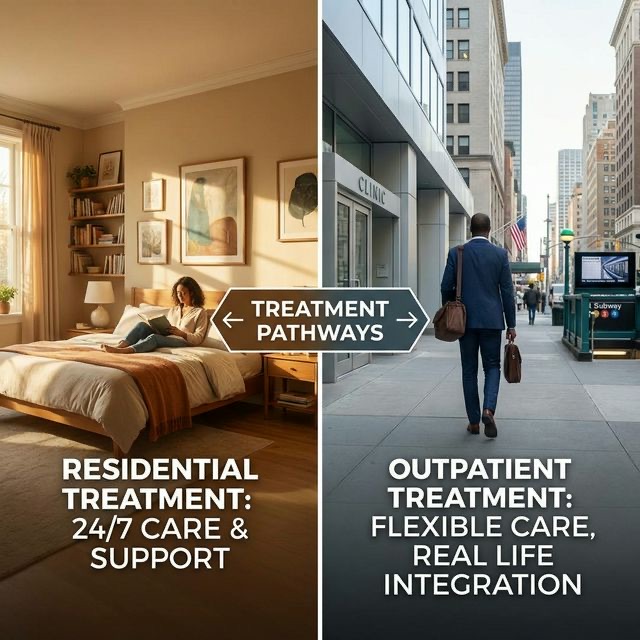
After completing detox, most individuals transition to residential (inpatient) treatment. This is the core of how long rehab takes for many people. Residential programs provide 24-hour structured care in a therapeutic environment, removing clients from the triggers and stressors of daily life so they can focus entirely on recovery.
Residential treatment programs at Trust SoCal are available in 30-day, 60-day, and 90-day formats. The appropriate length is determined by the clinical team based on your assessment results, substance use history, and progress during treatment. While 30-day programs are the most common starting point, research strongly supports longer stays for individuals with severe or long-standing addictions.
During residential treatment, clients participate in a full schedule of evidence-based therapies including individual counseling, group therapy, cognitive-behavioral therapy, trauma processing, and holistic wellness activities. The structured environment helps establish healthy routines and coping skills that become the foundation of long-term sobriety.
30-Day vs. 60-Day vs. 90-Day Programs
The debate between shorter and longer treatment stays is well-documented in addiction research. Each duration serves different needs, and understanding the distinctions helps you make an informed decision about how long rehab should be for your situation.
- 30-Day Programs: Best suited for individuals with mild to moderate substance use disorders, first-time treatment seekers with strong external support systems, or those stepping down from a completed detox with minimal complications.
- 60-Day Programs: Appropriate for individuals with moderate to severe addiction, those with co-occurring mental health disorders that require additional time to stabilize, or people who have relapsed after a previous 30-day program.
- 90-Day Programs: Recommended by NIDA as the minimum for best outcomes. Ideal for individuals with chronic, severe addiction, polysubstance use, limited social support, or multiple prior treatment attempts.
Research published in the Journal of Substance Abuse Treatment found that clients who completed 90 days or more of residential treatment were 1.5 times more likely to maintain sobriety at one year compared to those who completed only 30 days.
Partial Hospitalization Programs (PHP): 4 to 6 Weeks
A partial hospitalization program, or PHP, serves as a step-down from residential treatment while maintaining a high level of clinical intensity. PHP typically runs 5 to 6 days per week for 5 to 6 hours per day, lasting 4 to 6 weeks on average. Clients attend structured programming during the day and return to a sober living environment or their own home in the evenings.
PHP is an important component of how long rehab lasts overall because it bridges the gap between the fully immersive residential environment and the independence of outpatient care. Clients continue to receive individual therapy, group counseling, psychiatric services, and skills-building workshops while gradually reintegrating into daily responsibilities.
At Trust SoCal, our PHP program in Fountain Valley, Orange County, maintains the same clinical rigor as our residential program while allowing clients to practice recovery skills in real-world settings. This transitional period is critical for building confidence and testing coping strategies before full independence.
Intensive Outpatient Programs (IOP): 8 to 12 Weeks
Intensive outpatient programs represent the next step down in the continuum of care and typically last 8 to 12 weeks. IOP usually involves 3 to 5 sessions per week, each lasting 3 to 4 hours. This level of care allows clients to maintain employment, attend school, care for family members, and fulfill other obligations while continuing to receive structured treatment.
IOP is appropriate for individuals who have completed residential treatment and PHP, those with milder substance use disorders who do not require 24-hour supervision, or people who need flexibility in their treatment schedule. The extended duration of IOP, often lasting 2 to 3 months, provides consistent therapeutic support during the vulnerable early months of recovery when relapse risk is highest.
The curriculum in Trust SoCal's IOP includes relapse prevention training, cognitive-behavioral skills groups, process groups for emotional exploration, life skills development, and connections to community support resources. Clients also continue individual therapy sessions on a weekly basis throughout the IOP phase.
Many clients find that transitioning gradually through PHP and IOP rather than jumping directly from residential to independent living significantly improves their confidence and long-term recovery outcomes.
Outpatient Treatment and Aftercare: An Ongoing Commitment
Standard outpatient treatment and aftercare represent the final phase in the continuum of care, but this phase has no defined end date. Recovery from addiction is a lifelong process, and ongoing support significantly reduces the risk of relapse. Outpatient sessions may occur once or twice per week initially, gradually decreasing in frequency as the individual demonstrates sustained progress.
Aftercare planning begins during residential treatment and is refined throughout PHP and IOP. A comprehensive aftercare plan typically includes ongoing individual therapy, participation in 12-step or alternative recovery support groups, alumni programming offered by the treatment center, sober social activities, and regular check-ins with a sponsor or recovery coach.
Trust SoCal's alumni program keeps graduates connected to the recovery community through regular events, online support groups, and access to clinical resources. Research consistently shows that continued engagement with aftercare services for at least one year following primary treatment is associated with significantly better outcomes and lower relapse rates.
Building a Long-Term Recovery Plan
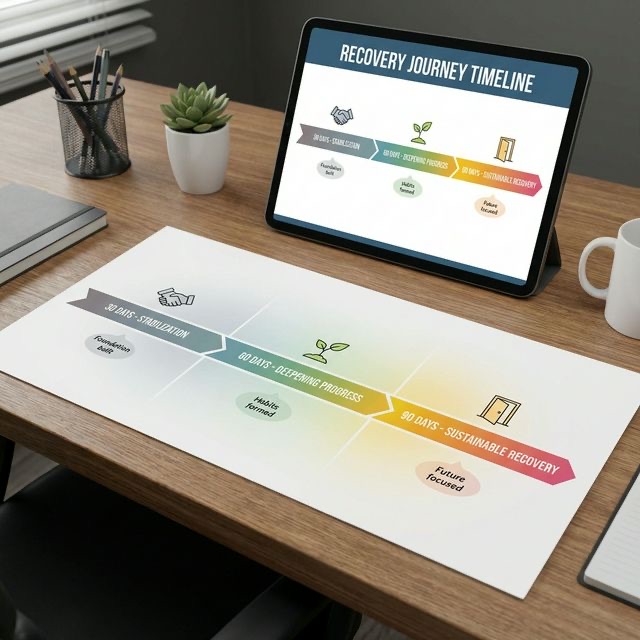
The total time commitment for a comprehensive treatment journey from detox through active aftercare typically spans 6 to 12 months. When you add up 7 to 10 days of detox, 30 to 90 days of residential care, 4 to 6 weeks of PHP, and 8 to 12 weeks of IOP, you arrive at a total structured treatment period of approximately 4 to 7 months. Adding the first year of aftercare brings the total closer to 12 to 18 months of intentional recovery work.
This may sound like a significant investment of time, and it is. But compared to the years or decades that addiction takes from your life, health, relationships, and potential, the time spent in treatment is a remarkably small price to pay for freedom from substance dependence.
Factors That Influence How Long Rehab Takes
Several key factors determine the optimal length of treatment for each individual. Understanding these variables helps explain why treatment duration is personalized rather than standardized across all clients.
The severity and duration of addiction is perhaps the most significant factor. A person who has been struggling with addiction for 20 years will generally require longer treatment than someone in the early stages of problematic use. The type of substance matters as well. Opioid and benzodiazepine addictions often require longer treatment periods due to the complexity of withdrawal and the high relapse rates associated with these substances.
Co-occurring mental health conditions such as depression, anxiety, PTSD, or bipolar disorder add another layer of complexity that often necessitates extended treatment. Dual-diagnosis treatment requires time to stabilize both conditions simultaneously, and rushing this process increases the risk of relapse. Your treatment history also plays a role. Individuals who have attempted treatment before may benefit from longer programs that address what did not work previously.
- Severity and duration of substance use
- Type of substance (opioids and benzodiazepines often require longer treatment)
- Presence of co-occurring mental health disorders
- Previous treatment attempts and relapse history
- Strength of family and social support systems
- Employment, housing, and financial stability
- Motivation and engagement in the treatment process

Rachel Handa, Clinical Director
Clinical Director & Therapist