

Key Takeaways
- Washington DC and Maryland have established addiction treatment networks anchored by Georgetown, Johns Hopkins, and Howard University medical centers.
- DC Medicaid and Maryland Health Care Plan provide extensive coverage for substance abuse treatment including residential care.
- The DC-Baltimore corridor has experienced significant increases in opioid-related deaths, particularly involving fentanyl.
- Neighborhoods like Northeast Baltimore and areas around the Anacostia River in DC have been disproportionately affected by the addiction crisis.
- Many DC and Baltimore residents find that geographic relocation to California treatment provides the fresh start needed for sustained recovery.
- Trust SoCal serves clients from the DC-Baltimore region at (949) 280-8360 with personalized treatment plans and family support.
The Addiction Crisis in Washington DC and Baltimore
Washington DC and Baltimore face an addiction crisis that rivals some of the most affected cities in America, with opioids leading the charge but cocaine, methamphetamine, and alcohol misuse also contributing significantly. The Nation's Capital, despite its concentrated wealth and world-class medical infrastructure, has struggling neighborhoods where substance abuse affects tens of thousands of residents. Baltimore, with its historic working-class communities and ongoing economic challenges, has witnessed some of the highest overdose death rates on the East Coast in recent years.
The geography of addiction in the DC-Baltimore region tells an important story. Southeast and Northeast Washington, historically disinvested communities, face visible drug activity and elevated overdose rates. In Baltimore, neighborhoods like West Baltimore, Canton, and Federal Hill have been hit hard. However, substance abuse does not respect zip codes—residents in affluent areas like Georgetown, Bethesda, and Canton also struggle with addiction, often privately and with less public visibility. The interplay between resource availability and unmet need creates a complex landscape for families seeking treatment.
Despite these challenges, the DC-Baltimore region has significant medical and research infrastructure dedicated to addressing addiction. Georgetown University, Johns Hopkins University School of Medicine, Howard University, and the University of Maryland all conduct addiction research and operate treatment programs. The National Institutes of Health, headquartered in Bethesda, Maryland, funds addiction research that advances treatment nationally. For residents considering their options, understanding both local resources and alternatives like Trust SoCal can open pathways to lasting recovery.
The District of Columbia and Baltimore City both report overdose death rates exceeding 20-25 per 100,000 population, among the highest in the nation and significantly above the national average.
Opioids and Fentanyl in the DC-Baltimore Drug Supply
Fentanyl has transformed the overdose crisis in DC and Baltimore, making the illicit drug supply exponentially more dangerous. Like other East Coast cities, the DC-Baltimore region has seen fentanyl contamination spread from heroin to cocaine, methamphetamine, and counterfeit prescription pills. This unpredictable contamination means that anyone using street drugs faces immediate risk of fatal overdose. Public health agencies throughout the region have made naloxone (Narcan) distribution a priority, but supply always lags behind need.
- Fentanyl is present in over 80% of opioid overdose deaths in DC and Baltimore.
- Cocaine and counterfeit pills often contain lethal amounts of fentanyl in the DC-Baltimore drug supply.
- DC Department of Health and Baltimore City Health Department distribute thousands of naloxone kits annually.
- The presence of fentanyl analogs makes overdose prevention and treatment more complex.
Neighborhoods Most Affected in DC and Baltimore
Washington DC neighborhoods bearing the heaviest burden of addiction include Southeast DC near the Anacostia River, Northeast DC along North Capitol Street and beyond, and parts of the U Street Corridor. These historically Black neighborhoods have disproportionately borne the brunt of substance abuse, law enforcement, and incarceration. In Baltimore, West Baltimore neighborhoods west of Frederick Avenue, Canton, and areas near the Inner Harbor have experienced devastating overdose epidemics. Yet addiction crosses every neighborhood boundary, affecting wealthy residents in Cleveland Park, Cleveland Heights, and Federal Hill just as much, though often with more discretion.
- Southeast DC has consistently high overdose rates linked to opioid and cocaine use.
- Northeast Baltimore neighborhoods report overdose rates three to five times the national average.
- Gentrifying neighborhoods like Canton and H Street are seeing increasing rates of substance use despite rising property values.
- Young adults in Bethesda, Silver Spring, and Arlington show elevated rates of prescription opioid misuse.
Healthcare Infrastructure in DC and Maryland
The DC-Baltimore region possesses world-class medical institutions. Georgetown University Hospital, Johns Hopkins Medicine (the largest employer in Maryland), Howard University Hospital, and the University of Maryland Medical Center all operate comprehensive addiction medicine programs. Johns Hopkins Bayview Medical Center operates a respected addiction services department. The National Institutes of Health and National Center for Health Statistics provide research infrastructure that advances addiction treatment understanding. This concentration of expertise provides excellent local care options while also making collaborative relationships with out-of-state programs like Trust SoCal possible.
- Johns Hopkins addiction medicine program is internationally recognized for clinical innovation.
- Georgetown University operates specialized treatment for healthcare professionals and high-net-worth individuals.
- Howard University serves a historically Black population with culturally competent addiction treatment.
- The DC Department of Behavioral Health coordinates a network of community-based treatment providers.
Local Addiction Treatment Options in DC and Baltimore
The DC-Baltimore region offers a comprehensive array of addiction treatment options spanning the full continuum from medical detox through long-term recovery support. These programs range from major hospital-based services to community health centers to private residential facilities. Many are accessible via the MARC commuter rail, Metro system, and regional transit, making treatment reachable for residents across Maryland and Virginia suburbs. However, like most major cities, demand often exceeds supply, and waitlists can delay critical care.
The DC Department of Behavioral Health and the Maryland Department of Health both operate comprehensive networks of licensed treatment providers. Residents can access helplines for bed availability and program matching. Community health centers throughout Northeast Washington, Southeast Baltimore, and surrounding communities provide screening, referral, and treatment services in multiple languages. The challenge for many families is navigating this complex system while in crisis, which is where organizations like Trust SoCal provide valuable guidance.
For Baltimore residents weighing treatment options, both local care and out-of-state programs deserve consideration. Trust SoCal serves clients from the DC-Baltimore region with personalized treatment plans, insurance verification through MD Health Care Plan and DC Medicaid, and dedicated support for families managing long-distance treatment. Call (949) 280-8360 to explore all available options and begin the path to recovery.
Residential treatment beds in DC and Baltimore can have waitlists of 2-4 weeks during peak demand periods. If you or a loved one needs immediate help, Trust SoCal at (949) 280-8360 can often provide faster access to comprehensive care.
Hospital-Based Detox and Inpatient Programs
Medical detoxification is the foundation of treatment, and the DC-Baltimore region has several hospital-based detox programs equipped with 24-hour medical supervision. These programs manage withdrawal safely, typically over 5-7 days, and then transition clients to residential treatment for intensive therapy. Johns Hopkins Bayview, Georgetown University Hospital, and Howard University Hospital all operate dedicated detox services integrated with broader addiction treatment programs.
- Johns Hopkins Bayview operates comprehensive medically supervised detoxification with psychiatric co-occurring disorder support.
- Georgetown University Hospital detox includes psychiatric evaluation and medication-assisted treatment initiation.
- Howard University Hospital provides culturally affirming detox services for the DC community.
- Many programs offer stepped transitions from detox to residential to outpatient care on a single campus.
Medication-Assisted Treatment (MAT) in DC and Maryland
Medication-assisted treatment has become increasingly available throughout DC and Maryland, with hundreds of waivered providers prescribing buprenorphine, methadone available through certified treatment programs, and naltrexone offerings expanding. This proven approach to opioid addiction has transformed outcomes for countless DC and Baltimore residents. DC Medicaid and Maryland Health Care Plan both provide comprehensive coverage for MAT, removing financial barriers to this critical treatment.
- Over 400 providers in Maryland are waivered to prescribe buprenorphine (Suboxone).
- Methadone clinics operate in Northeast DC, Southeast DC, and throughout Baltimore.
- Long-acting injectable naltrexone (Vivitrol) is available through addiction medicine clinics across the region.
- Buprenorphine can be initiated in office-based, hospital, and residential treatment settings.
Outpatient and Intensive Outpatient Programs
Intensive outpatient programs throughout the DC-Baltimore region allow individuals to receive treatment while maintaining work and family responsibilities. These programs typically meet 3-5 days per week and are accessible via Metro, MARC rail, and local transit. Community health centers in all neighborhoods provide bilingual outpatient counseling, group therapy, and recovery support services.
- DC Department of Behavioral Health operates multiple outpatient clinics accessible via Metro.
- Baltimore City Health Department provides outpatient services in every neighborhood.
- The Gavin Foundation operates Maryland outpatient programs in Baltimore and surrounding communities.
- Suburban outpatient options in Arlington, Alexandria, Bethesda, and Silver Spring serve Maryland and Virginia residents.
Insurance Coverage: DC Medicaid, Maryland Health Care Plan, and Private Insurance
Washington DC and Maryland have among the most comprehensive substance abuse insurance coverage in the nation. DC Medicaid and the Maryland Health Care Plan (now called Maryland Medical Assistance Program) both cover the full continuum of addiction treatment services including medical detox, residential programs, outpatient counseling, and medication-assisted treatment with minimal out-of-pocket costs for eligible residents. Private insurers operating in DC and Maryland are required by state law to cover substance abuse treatment at parity with other medical conditions.
For DC residents with employer-sponsored insurance, major carriers including Blue Cross Blue Shield, United Healthcare, Aetna, and Kaiser Permanente all provide comprehensive substance abuse coverage. Many of these plans include out-of-network benefits that can apply to treatment in other states including California, meaning that programs like Trust SoCal may be financially accessible to DC workers. The Mental Health Parity and Addiction Equity Act further ensures that addiction treatment cannot be covered less generously than other medical conditions.
Trust SoCal's admissions team specializes in verifying insurance benefits for clients throughout the DC-Baltimore region, including those with DC Medicaid, Maryland Medical Assistance, and private insurance plans. By calling (949) 280-8360, residents can receive a free, confidential insurance verification detailing coverage for both local and out-of-state treatment options. Understanding your benefits before seeking treatment removes a major barrier to care.
Maryland law requires insurance coverage for substance abuse treatment without prior authorization for the first 5 days of inpatient care, and DC requires coverage of a comprehensive assessment and initial treatment planning session before any denials can be issued.
DC Medicaid Coverage for Addiction Treatment
DC Medicaid provides generous coverage for substance abuse treatment. Eligible District residents can access medical detox, residential treatment, partial hospitalization, intensive outpatient programs, individual and group counseling, and all FDA-approved medications for addiction. The program covers services both within DC and, in some cases, at out-of-state facilities when medical necessity can be demonstrated. Understanding your DC Medicaid benefits is the first step toward accessing treatment.
- DC Medicaid covers unlimited inpatient detoxification when medically necessary.
- Residential treatment is covered for extended stays based on clinical need with prior authorization.
- Outpatient services including counseling and group therapy have no visit limits.
- All three FDA-approved medications for opioid use disorder are covered by DC Medicaid.
Maryland Medical Assistance Program Coverage
Maryland's Medical Assistance Program provides substance abuse benefits to eligible residents throughout the state. Coverage includes medical detox, residential treatment, partial hospitalization, intensive outpatient programs, and medication-assisted treatment. Like DC Medicaid, the Maryland program has expanded to cover services at out-of-state facilities when local options are unavailable or have lengthy waitlists. Prior authorization is required for some services but can often be expedited for urgent treatment needs.
- Maryland Medical Assistance covers inpatient detox and residential treatment with prior authorization.
- Outpatient services are covered without visit limits across the state.
- Medication-assisted treatment is covered through the full duration of treatment.
- Out-of-state treatment authorization is possible when medical necessity is documented.
Using DC and Maryland Insurance for Out-of-State Treatment
Many DC and Baltimore residents are surprised to learn that their insurance may cover treatment at out-of-state facilities like Trust SoCal. PPO plans from major insurers typically include out-of-network benefits that apply nationwide. Programs like Trust SoCal have experience obtaining authorization for clients from DC and Maryland, managing the clinical documentation and prior authorization process on the client's behalf.
- PPO plans from DC and Maryland insurers typically provide out-of-network coverage nationwide.
- Trust SoCal verifies DC Medicaid and Maryland Medical Assistance benefits at no cost by calling (949) 280-8360.
- Out-of-state treatment authorization is often granted when local waitlists exceed 14 days.
- Some employers in DC and Maryland offer robust EAP benefits that can supplement insurance coverage.
Arlington, Alexandria, and Northern Virginia Treatment Resources
The Northern Virginia communities of Arlington and Alexandria, while part of the DC metropolitan area, operate their own addiction treatment infrastructure under Virginia state oversight. These affluent, high-pressure communities have experienced rising rates of prescription opioid misuse and alcohol use disorder. Access to treatment in Arlington and Alexandria is generally strong, with multiple outpatient providers, medication-assisted treatment options, and proximity to DC hospital-based programs. However, the educational and professional cultures in these communities can sometimes create barriers to treatment-seeking due to stigma.
Arlington County and the City of Alexandria both operate robust community health services that include addiction treatment. Northern Virginia medical centers including Arlington Hospital, Inova Fairfax Hospital, and Alexandria Hospital all provide addiction services. Residents of Arlington and Alexandria often benefit from the option of traveling to California for treatment to escape the high-pressure work environments and social networks that may drive continued substance use. Trust SoCal serves Arlington and Alexandria residents with the same comprehensive care provided to clients from DC and Baltimore.
The proximity of Arlington and Alexandria to DC via Metro allows residents to access DC-based treatment resources, but many residents of these communities find that geographic distance from Northern Virginia removes key triggers and provides the fresh-start environment needed for successful recovery. Call Trust SoCal at (949) 280-8360 to discuss whether local treatment or California-based care might be the best option for your circumstances.
Arlington County Addiction Services
Arlington County operates a comprehensive addiction services network under the Department of Human Services. Outpatient programs are widely available, medication-assisted treatment providers are accessible, and connections to hospital-based detox through Arlington Hospital and Inova Fairfax ensure a full continuum of care. Arlington's affluent demographics mean that private addiction medicine practices also serve residents seeking discreet, personalized care.
- Arlington County provides outpatient addiction treatment at multiple locations accessible via Metro.
- Inova Fairfax operates comprehensive addiction medicine including medication-assisted treatment.
- Private addiction medicine practices in Arlington serve professionals and high-net-worth individuals.
- Family-focused treatment programs are available throughout Arlington County.
Alexandria and Surrounding Southern Maryland Communities
Alexandria, like Arlington, provides accessible addiction treatment through city health services and hospital-based programs. The City of Alexandria Health Department operates outpatient addiction services, and Alexandria Hospital provides detox and inpatient treatment. The surrounding communities including Silver Spring, Bethesda, Columbia, and other Maryland suburbs all have addiction treatment resources, though many residents find value in seeking treatment away from these communities to avoid the professional and social circles that may undermine recovery.
- Alexandria Health Department operates outpatient addiction counseling and group therapy.
- Alexandria Hospital provides medically supervised detox integrated with psychiatric care.
- Silver Spring and Bethesda have numerous private addiction medicine practices.
- Columbia, Maryland offers family-focused treatment programs in a planned community setting.
Why DC and Baltimore Residents Choose California Treatment
While DC and Baltimore offer excellent local treatment resources, a growing number of residents are choosing to travel to California for addiction treatment. This decision reflects a recognition that geographic distance from the environments where substance use occurred can be a powerful catalyst for recovery. When every neighborhood corner, workplace, and social circle is associated with substance use, starting fresh in a completely different geographic and cultural environment can make early recovery feel achievable rather than impossible.
California's Southern California region, specifically Orange County where Trust SoCal is located, offers a combination of factors supporting recovery. The year-round warm climate enables outdoor activities that promote physical and mental health. The cultural diversity and relaxed pace of Southern California contrasts sharply with the intense professional environments of DC and the struggling neighborhoods of Baltimore. Most importantly, geographic distance eliminates the temptation to leave treatment prematurely or maintain relationships with people who might undermine recovery efforts.
Travel from DC and Baltimore to Southern California is straightforward, with direct flights from Ronald Reagan Washington National Airport and Baltimore/Washington International Airport to John Wayne Airport in Orange County taking approximately 5.5 hours. Trust SoCal coordinates all travel logistics, airport pickup, and integration into treatment. For families considering out-of-state treatment, the investment often pays dividends through sustained recovery and return to healthy, productive living.
Many of Trust SoCal's most successful clients come from DC and Baltimore. The combination of geographic distance from triggers, excellent clinical care, and a recovery-friendly California environment creates powerful momentum for lasting sobriety.
The Geographic Cure and Environmental Reset
Addiction creates powerful neurological associations between environmental cues and drug-seeking behavior. Research in addiction neuroscience confirms that by removing oneself from the geographic location where substance use occurred, cue-triggered cravings diminish significantly. This is not a shortcut to recovery—it must be combined with evidence-based clinical treatment—but rather a strategic advantage that removes constant environmental triggers. For DC and Baltimore residents, this principle has profound implications.
- Environmental cues trigger cravings through conditioned neurological responses that diminish with distance.
- Clients who travel for treatment are significantly less likely to leave programs against medical advice.
- Geographic distance removes the option to access substances or maintain relationships with using peers.
- New environments encourage development of new routines, habits, and social connections that support sobriety.
Southern California's Year-Round Climate and Recovery Advantages
The contrast between harsh DC-Baltimore winters and Southern California's temperate year-round weather is profound for recovery. Seasonal affective disorder, which affects a significant portion of Mid-Atlantic residents, can trigger depression and relapse. In Orange County, Trust SoCal clients participate in outdoor therapy, beach walks, yoga in sunshine, and activities that naturally boost mood and support holistic healing. This climate advantage cannot be replicated in the Northeast.
- Orange County averages 280+ sunny days annually compared to DC/Baltimore's ~200.
- Outdoor activities including beach therapy, hiking, and surfing complement clinical treatment.
- Vitamin D from natural sunlight supports mood regulation and mental health.
- The relaxed Southern California pace reduces stress during vulnerable early recovery.
Trust SoCal's Specialized Care for DC-Baltimore Clients
Trust SoCal has developed specific expertise in serving clients from the DC-Baltimore region, understanding the unique stressors of high-pressure professional environments, the impacts of major urban addiction crises, and the cultural factors that shape life in these communities. The clinical team is experienced in working with Capitol Hill staffers, federal employees, healthcare professionals, attorneys, and others from demanding careers. Family involvement is prioritized with telehealth therapy options connecting DC-Baltimore loved ones to treatment planning.
- Admissions coordinators experienced with DC Medicaid and Maryland insurance streamline intake.
- Clinical staff understand the professional and cultural pressures unique to DC and Baltimore communities.
- Aftercare planning includes connections to DC-Baltimore recovery meetings and alumni groups.
- Family therapy via telehealth includes loved ones back home in Maryland, DC, and Northern Virginia.
Evidence-Based Treatment at Trust SoCal for East Coast Clients
Trust SoCal incorporates the full spectrum of evidence-based addiction treatment modalities proven effective through rigorous clinical research. These approaches address the underlying psychological, social, neurological, and spiritual factors driving addiction. The program combines clinical rigor with holistic wellness, creating comprehensive treatment that matches or exceeds the best programs available in DC and Baltimore, delivered in a recovery-supportive environment that the East Coast cannot provide.
Cognitive-behavioral therapy, dialectical behavior therapy, trauma-informed care, medication-assisted treatment, and motivational interviewing form the foundation of Trust SoCal's clinical programming. These modalities are complemented by experiential therapies including equine-assisted therapy, art and music therapy, yoga, meditation, nutritional counseling, and fitness programming. For DC and Baltimore residents, this combination of clinical sophistication and holistic healing is powerful.
Trauma-Informed Treatment for Urban Addiction
A significant percentage of individuals from DC and Baltimore struggling with substance use have experienced trauma, including interpersonal violence, witnessing drug-related violence in neighborhoods, experiences with law enforcement, or childhood trauma. Trauma-informed care ensures that every aspect of treatment—from intake procedures to group therapy dynamics—is designed to avoid re-traumatization and promote healing. Trust SoCal applies this principle to all clients regardless of background.
- EMDR (Eye Movement Desensitization and Reprocessing) processes traumatic memories.
- Somatic experiencing helps clients reconnect with bodies and release stored trauma.
- Group therapy is carefully structured to maintain emotional safety for all participants.
- Trauma-informed care improves treatment retention and long-term recovery outcomes.
Medication-Assisted Treatment at Trust SoCal
Trust SoCal provides medication-assisted treatment with buprenorphine, methadone, and naltrexone for clients from DC and Baltimore. The medical team manages the transition from street use to MAT, optimizes medication dosing, and integrates medication with intensive behavioral therapy. For clients on existing MAT in DC or Baltimore, treatment can transition seamlessly upon arrival in California.
- Buprenorphine initiation and optimization occurs within the first week of treatment.
- Methadone can be continued or initiated based on clinical assessment.
- Injectable naltrexone (Vivitrol) is available for highly motivated clients preferring opioid-free treatment.
- Medication-assisted treatment is integrated with therapy and holistic wellness programming.
Holistic and Experiential Therapies in Southern California Setting
Southern California's temperate climate and natural beauty provide an ideal setting for holistic therapies that are difficult to implement in the Northeast. Yoga on the beach, meditation overlooking the ocean, equine-assisted therapy with horses, art therapy with creative expression, and fitness programming all support recovery in ways that office-based counseling cannot achieve alone. These modalities are grounded in evidence while leveraging the unique advantages of the California setting.
- Beach-based yoga and meditation sessions promote mindfulness and stress reduction.
- Equine-assisted therapy builds trust and emotional awareness through interaction with horses.
- Art and music therapy provide creative outlets for processing difficult emotions.
- Fitness programming and nutritional counseling support physical recovery alongside mental health treatment.
Building a Recovery Network for DC and Baltimore Residents
Whether a DC or Baltimore resident completes treatment locally or at Trust SoCal in California, building a strong recovery support network is essential for sustained sobriety. Both cities have vibrant recovery communities with thousands of weekly meetings, sober social events, and peer support services accessible via Metro and local transit. Trust SoCal's aftercare planning team helps clients returning home identify the specific meetings, groups, and resources that best support their continued recovery.
The recovery community in DC reflects the city's diversity with meetings in multiple languages, meetings for specific professions, and various formats including traditional 12-step, SMART Recovery, and others. Baltimore's recovery community is equally robust with neighborhood-specific meetings and community-based peer support organizations. For clients returning after Trust SoCal treatment, these local resources become the continuation of clinical support, creating an ongoing community of recovery.
Trust SoCal creates personalized aftercare plans for every client, including connections to DC-Baltimore recovery meetings, peer support groups, outpatient providers, and sober living options. Call (949) 280-8360 to learn more about continuing care.
12-Step and Alternative Recovery Meetings in DC and Baltimore
The Nation's Capital and Baltimore both host hundreds of Alcoholics Anonymous, Narcotics Anonymous, and alternative recovery meetings weekly. DC meetings occur in historic locations throughout the District, from downtown churches to Northeast and Southeast community centers. Baltimore's meetings are spread throughout the city and surrounding counties. For those preferring alternatives to 12-step programs, SMART Recovery, Refuge Recovery, and LifeRing meetings are available. The diversity of options ensures everyone can find community aligned with their values.
- DC hosts over 500 AA meetings weekly across the metropolitan area.
- Baltimore provides daily NA meetings in multiple neighborhoods.
- SMART Recovery groups offer science-based alternatives at several DC and Baltimore locations.
- Professional and young people's meetings cater to specific demographics.
Sober Living and Transitional Housing
Sober living homes bridge the gap between residential treatment and independent living, providing structured, substance-free environments with peer support and accountability. DC and Baltimore have numerous sober living options ranging from basic shared housing to upscale residences with professional management. For individuals returning after Trust SoCal treatment, sober living provides essential structure during vulnerable early months of recovery.
- DC Department of Behavioral Health maintains a list of certified sober living residences.
- Baltimore sober living homes in Federal Hill, Canton, and other neighborhoods offer community and structure.
- Sober living monthly costs typically range from $600-$2,000 depending on location and amenities.
- Most require participation in recovery meetings and drug testing as conditions of residency.
Starting Your Recovery Journey from DC or Baltimore
The decision to seek treatment is one of the most courageous choices a person can make, and DC and Baltimore residents have more options than ever before. Whether local programs, Maryland or DC-based facilities, or Trust SoCal in Southern California represents the best path depends on individual circumstances, family needs, and recovery goals. The most important thing is to take action now. Addiction is progressive and worsens without treatment, but recovery is absolutely possible for everyone who seeks it.
Trust SoCal's admissions team is available around the clock to answer questions, verify DC Medicaid, Maryland Medical Assistance, or private insurance coverage, and help residents explore all treatment options. The initial call is free, confidential, and carries no obligation. Many of Trust SoCal's staff members are in recovery themselves and understand the fear and uncertainty that accompany treatment-seeking. They can provide compassionate guidance to move from contemplation to action.
If you or someone you love in DC, Baltimore, Northern Virginia, or Maryland is struggling with addiction, do not wait for circumstances to worsen. Reach out to Trust SoCal at (949) 280-8360 or contact local resources including DC Department of Behavioral Health Helpline at 1-888-793-9100 or SAMHSA National Helpline at 1-800-662-4357. Recovery begins with a single phone call, and a brighter future is within reach.
Ready to begin recovery? Call Trust SoCal at (949) 280-8360 for a free, confidential consultation with our admissions team. We're available 24/7 to help DC-Baltimore residents explore all treatment options.
Getting Started with Trust SoCal
The intake process at Trust SoCal is designed to be smooth and stress-free for clients traveling from DC and Baltimore. A single phone call to (949) 280-8360 begins a process that includes insurance verification, clinical assessment, travel coordination, and immediate integration into treatment. The admissions team handles all logistics so clients and families can focus on recovery.
- Call (949) 280-8360 for a free, no-obligation insurance verification and clinical assessment.
- DC Medicaid and Maryland Medical Assistance coverage can often be confirmed within 24 hours.
- Travel assistance including flight booking and airport pickup is coordinated by our team.
- Admissions coordinators are available 24/7, including weekends and holidays.
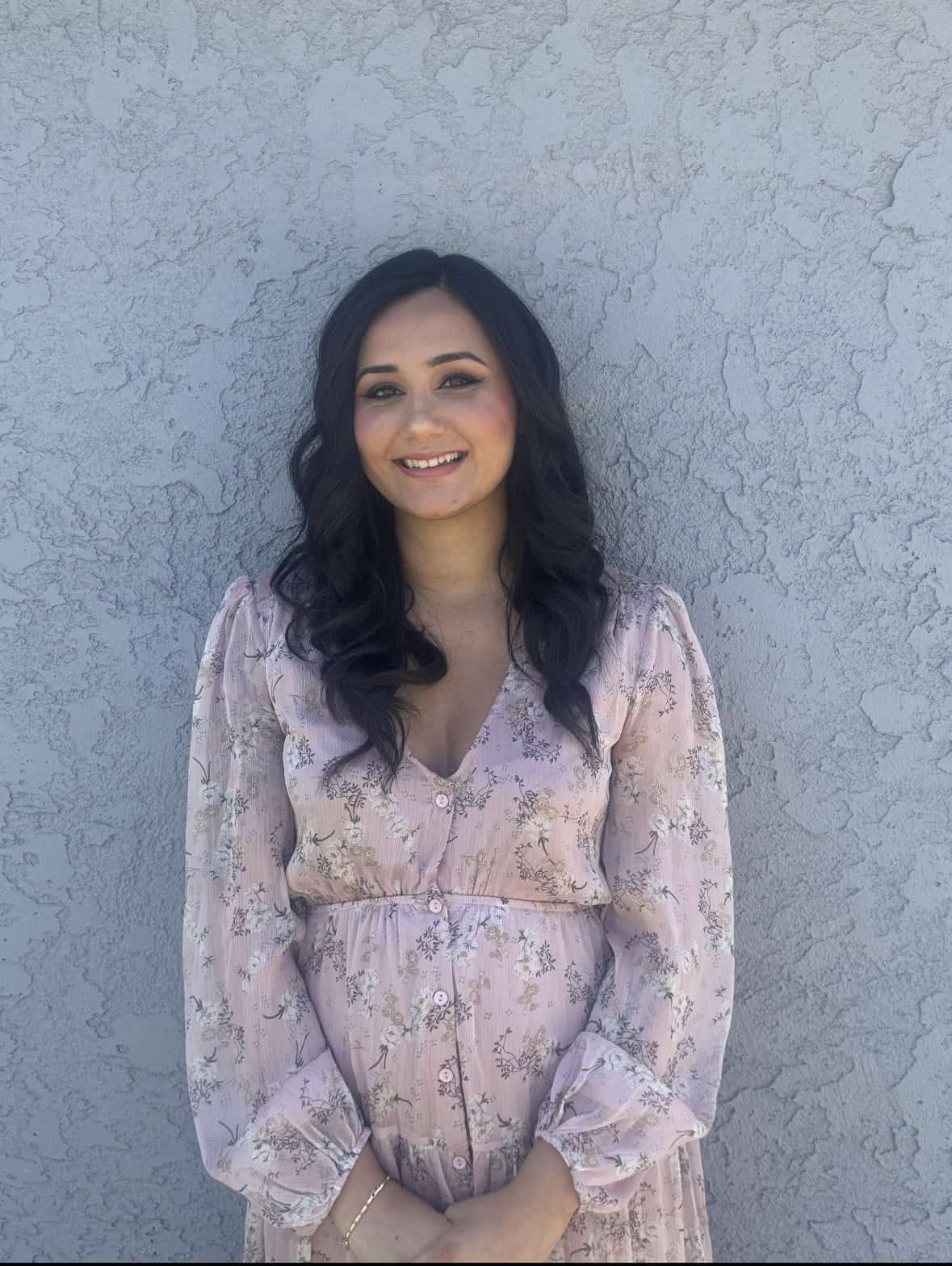
Rachel Handa, Clinical Director
Clinical Director & Therapist