

Key Takeaways
- Boulder County has several licensed treatment facilities offering medical detox, residential programs, and evidence-based outpatient care.
- The altitude and outdoor environment in Boulder support unique recovery modalities including wilderness therapy, hiking-based recovery, and nature-based healing.
- Colorado uses the SMART Act and comprehensive licensing requirements to ensure treatment quality, but capacity limitations often mean waitlists during peak seasons.
- Many Boulder residents choose to travel for treatment to escape the close-knit community and local triggers that can complicate early recovery.
- Trust SoCal serves Boulder clients seeking specialized programs and geographic separation in sunny Southern California.
Understanding Addiction in Boulder County
Boulder, Colorado is home to approximately 108,000 residents and sits at an elevation of 5,430 feet in Boulder County. The city is known for its progressive culture, outdoor recreation, and wellness focus, yet it is not immune to substance abuse issues. Boulder County, with a population of over 330,000, has experienced rising rates of opioid addiction, methamphetamine use, and polysubstance abuse, particularly among young adults and professionals.
The local community tends to be health-conscious, which can sometimes mask addiction problems. The culture of wellness and self-sufficiency means that some Boulder residents delay seeking treatment, hoping to resolve addiction through diet, exercise, or meditation. However, addiction is a medical and psychological condition that requires professional intervention, not just lifestyle changes.
Boulder County Public Health tracks substance abuse trends and regularly reports increases in emergency department visits for opioid overdoses and stimulant use. The arrival of fentanyl in the local supply has significantly increased the risk of fatal overdoses. Understanding the local landscape is the first step toward recovery.
Boulder County has experienced a 40% increase in opioid-related emergency department visits over the past five years, with fentanyl now present in the majority of seized substances.
Treatment Options Available in Boulder County
Boulder County offers a range of treatment options across the continuum of care. Facilities in the Boulder area include both community-based nonprofit programs and private treatment centers. Understanding each level of care will help you or your loved one choose the right program for your specific needs.
Medical Detoxification
Medical detoxification in Boulder County is available through both hospital systems and standalone detox facilities. The Boulder Community Hospital Behavioral Health unit provides acute stabilization, psychiatric evaluation, and medication-assisted treatment (MAT) for opioid withdrawal. Detox programs in the Boulder area typically last 5 to 10 days, depending on the substance and severity of dependence.
- 24/7 medical supervision and nursing care
- Medication options including buprenorphine, methadone, and naltrexone for opioid dependence
- Assessment for co-occurring mental health conditions
- Transition planning to appropriate next level of care
Residential and Inpatient Treatment
Residential treatment programs in Boulder County provide 30 to 90-day structured recovery experiences. Many programs leverage Boulder's natural environment and integrate outdoor activities, yoga, meditation, and mindfulness-based approaches into their clinical model. Programs range from secular to faith-based, and from general addiction treatment to specialized tracks for professionals, young adults, and those with co-occurring disorders.
- Evidence-based therapy including cognitive-behavioral therapy (CBT) and dialectical behavior therapy (DBT)
- Wilderness and experiential therapy components
- Yoga, meditation, and mindfulness practices
- Nutrition and fitness programming
- Family therapy and communication workshops
Outpatient Programs (PHP, IOP, Standard OP)
Outpatient programs in Boulder allow individuals to maintain their living situation while attending structured treatment. Partial hospitalization programs (PHP) typically meet 5 to 6 days per week, while intensive outpatient programs (IOP) meet 3 to 5 days per week. These are appropriate for individuals with stable housing, employment, and social support.
- Flexible scheduling that accommodates work and family responsibilities
- Individual therapy, group therapy, and psychiatry appointments
- Medication management services
- Aftercare and relapse prevention focus
Insurance, Medicaid, and Paying for Treatment in Boulder
Colorado Medicaid (known as Health First Colorado) covers substance abuse treatment for qualifying individuals and families. Many private insurance plans, obtained through the Health Insurance Marketplace or employer-sponsored coverage, also cover addiction treatment. Before enrolling in any program, verify your insurance coverage and ask about the facility's acceptance of your specific plan.
For uninsured individuals, Boulder County offers several low-cost and sliding-scale options. The Boulder County Department of Public Health and Environment can connect individuals with available resources. Additionally, SAMHSA's national helpline (1-800-662-4357) provides free referrals 24/7.
Contact your insurance provider before seeking treatment to understand your substance abuse benefits, including coverage for medical detox, residential programs, and outpatient care. Ask about any prior authorization requirements or network restrictions.
Colorado State Licensing and Facility Verification
All addiction treatment facilities in Colorado are regulated by the Colorado Department of Human Services, Office of Behavioral Health. Facilities must be licensed and meet strict standards for clinical staff qualifications, patient safety, and program content. Before enrolling, verify the facility holds a current state license and ideally has national accreditation from organizations like The Joint Commission (TJC) or CARF.
Colorado also has a strong regulatory framework for sober living homes through the Housing Works program. Not all sober homes are licensed, so ask specifically whether any residential living arrangement is part of a formal program or merely a private arrangement.
Be cautious of treatment facilities that promise guaranteed abstinence, claim their program is the "only way," or pressure you to commit to extended lengths of care before a thorough assessment. Reputable programs conduct comprehensive evaluations and offer individualized treatment plans.
Boulder's Outdoor and Holistic Recovery Scene
Boulder's culture of wellness and outdoor recreation has fostered innovative, holistic approaches to addiction treatment. Many treatment facilities in the Boulder area integrate evidence-based clinical care with experiential and natural modalities. Wilderness therapy programs, trail-based recovery groups, and nature-based healing practices are embedded in the local treatment landscape.
While these approaches should always be combined with evidence-based clinical care (therapy, medication management, psychiatric services), the integration of outdoor activity and nature exposure can support the recovery process. Studies show that outdoor time, physical activity, and group-based experiential activities can reduce stress, improve mood, and strengthen peer connections—all factors that support sustained recovery.
Wilderness and Experiential Therapy
Several Boulder-area programs offer wilderness therapy components where participants engage in multi-day hiking or outdoor expeditions as part of their treatment. These experiences are facilitated by licensed clinical staff and are designed to build confidence, improve problem-solving, and deepen peer connections. Wilderness experiences are not a substitute for therapy but rather an adjunctive modality that complements clinical care.
- Multi-day wilderness expeditions in the Rocky Mountains
- Clinical facilitators present throughout experiential activities
- Integration with individual and group therapy
- Appropriate for clients with no outdoor experience
Community-Based Recovery Groups
Beyond formal treatment, Boulder has a vibrant recovery community. Twelve-step meetings (AA, NA, MA) are widely available, and newer modalities like SMART Recovery, Refuge Recovery, and secular recovery meetings have grown in popularity. Trail-based recovery groups that meet for hiking while discussing recovery principles have emerged as a popular addition to the recovery landscape.
- Daily 12-step meetings throughout Boulder County
- SMART Recovery and secular recovery meetings
- Trail-based peer support groups
- Online recovery communities with local chapters
Why Some Boulder Residents Seek Treatment Out of State
Despite the available local treatment options, some Boulder residents choose to seek addiction treatment outside of Colorado. Boulder is a relatively small, tight-knit community where social circles overlap significantly. Early recovery requires distance from old friends, places, and situations associated with substance use. For some people, remaining in Boulder during early recovery presents significant relapse risks.
Additionally, Boulder's wellness-focused culture can create unique pressures. Some individuals feel shame about not being able to resolve addiction through self-care practices and benefit from a fresh start in a new environment. Southern California, particularly Orange County, offers treatment facilities with specialized programs for professionals, outdoor enthusiasts, and individuals seeking a more temperate climate during recovery.
Trust SoCal in Fountain Valley, California regularly serves clients from the Boulder area. The transition from the Rocky Mountain environment to Southern California's coastal climate can be therapeutic for some individuals. Call (949) 280-8360 for information about Boulder-specific programming and Colorado client support.
The flight from Denver International Airport to Orange County Airport (SNA) is approximately 2.5 hours. Many Boulder residents find that the geographic and environmental change supports their early recovery work.
Getting Started: Your Next Steps in Boulder Recovery
The first step is reaching out. Whether you choose a local Boulder program or decide that treatment outside of Colorado is right for you, the commitment to recovery is what matters most. Contact a local treatment provider for a clinical assessment, call Colorado's SAMHSA helpline for referrals, or speak with your primary care physician about treatment options.
If you are considering out-of-state treatment in Southern California, Trust SoCal offers free confidential assessments and can verify your insurance within minutes. Our admissions team has extensive experience working with Boulder and Colorado clients and understands the unique challenges of mountain town recovery. Call (949) 280-8360 to speak with an admissions counselor.
Recovery is possible, and it happens every day in Boulder. Whether you choose local treatment or seek a fresh start elsewhere, the most important decision is the decision to get help.
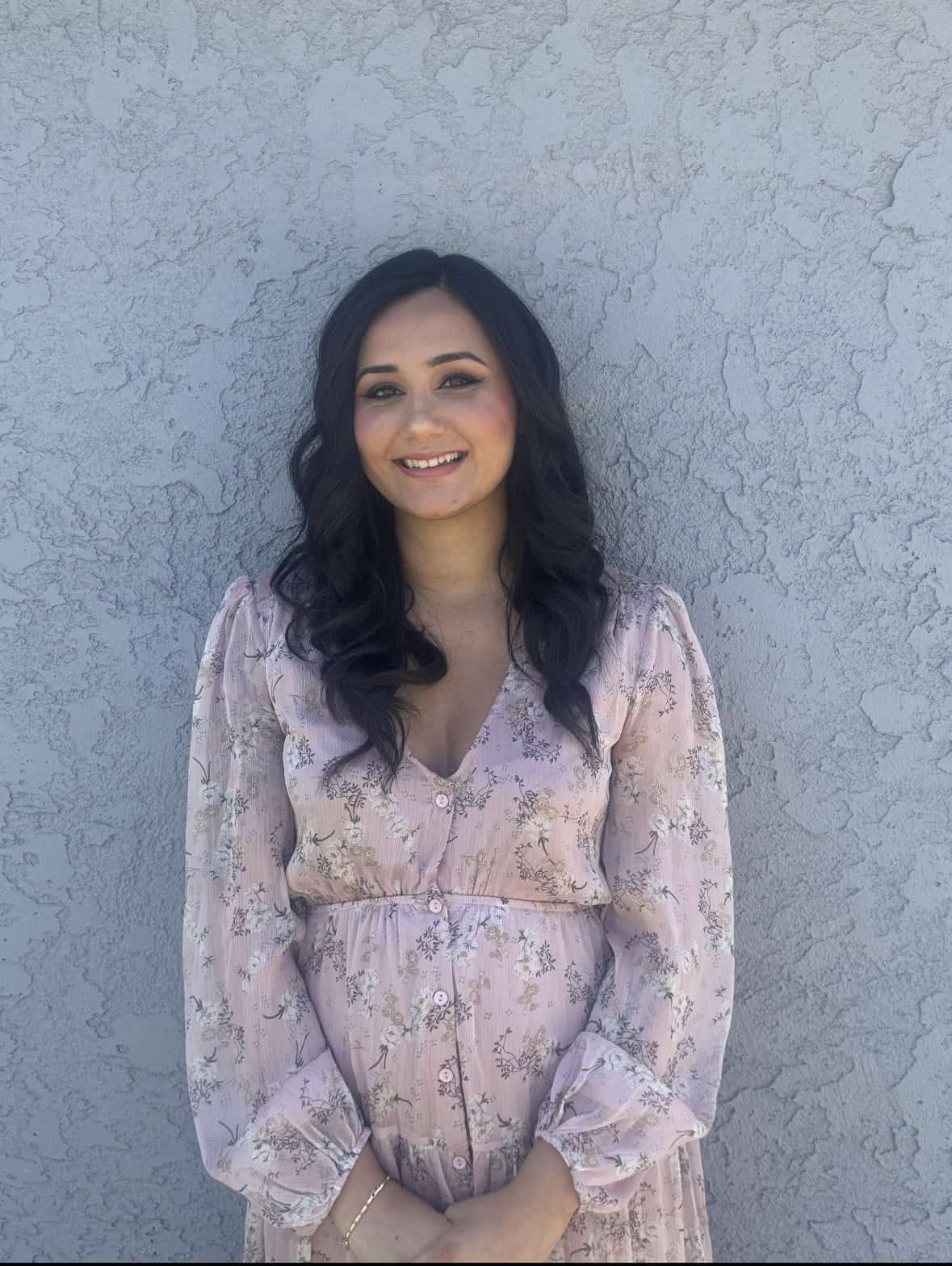
Rachel Handa, Clinical Director
Clinical Director & Therapist
