
Key Takeaways
- Alcohol is the most commonly treated substance use disorder in Riverside County, requiring specialized clinical approaches.
- Medical detox is essential for individuals with moderate to severe alcohol dependence due to the risk of dangerous withdrawal complications.
- Murrieta residents can access outpatient treatment locally and residential programs in the broader region.
- Medications such as naltrexone, acamprosate, and disulfiram can significantly reduce relapse rates when combined with therapy.
- Long-term recovery from alcohol addiction requires ongoing aftercare planning, support group participation, and lifestyle changes.
Understanding Alcohol Addiction in Murrieta and Southwest Riverside County
Murrieta, a city of roughly 115,000 residents in the rapidly growing southwest corner of Riverside County, faces the same alcohol-related challenges that affect suburban communities across Southern California. The social acceptability of alcohol, its legal status, and its pervasive presence in restaurants, social gatherings, and nearby Temecula wine country create an environment where problematic drinking can develop gradually and go unrecognized for years.
Alcohol use disorder exists on a spectrum from mild to severe, and many individuals who need treatment do not fit the stereotypical image of an alcoholic. A parent who relies on wine every evening to manage stress, a professional who binge drinks on weekends, or a retiree whose daily cocktails have steadily increased over time may all be experiencing alcohol use disorder. The diagnostic criteria focus on patterns of impaired control, social impairment, risky use, and physiological dependence rather than the specific type or amount of alcohol consumed.
Recognizing alcohol use disorder in yourself or a loved one is the first step toward recovery. Common signs include drinking more or longer than intended, unsuccessful attempts to cut down, spending significant time obtaining, using, or recovering from alcohol, experiencing cravings, and continuing to drink despite negative consequences in relationships, work, or health.
According to SAMHSA data, alcohol is involved in more treatment admissions in Riverside County than any single illicit drug. This underscores the importance of accessible, quality alcohol treatment in communities like Murrieta.
The Importance of Medical Detox for Alcohol Addiction
Alcohol withdrawal is one of the few substance withdrawal syndromes that can be life-threatening. Individuals with moderate to severe alcohol dependence who stop drinking abruptly are at risk for seizures, delirium tremens, and other dangerous medical complications. Medical detox provides physician-supervised withdrawal management with medications that prevent these complications and minimize discomfort.
A typical alcohol detox program lasts five to ten days, during which a medical team monitors vital signs, administers medications as needed, and provides nutritional support. Benzodiazepines such as chlordiazepoxide or lorazepam are commonly used to prevent seizures and manage the autonomic hyperactivity that characterizes alcohol withdrawal. Thiamine and other vitamins are administered to prevent Wernicke-Korsakoff syndrome, a serious neurological condition associated with chronic alcohol use.
While Murrieta does not have freestanding medical detox facilities within city limits, accredited programs in the region provide this essential service. Trust SoCal in Fountain Valley offers medically managed alcohol detox in a comfortable, supportive environment with round-the-clock medical supervision. Their clinical team has extensive experience with alcohol withdrawal management and initiates treatment planning during the detox phase to ensure a seamless transition to ongoing care.
Treatment Options for Alcohol Addiction
Following detox, individuals benefit from structured treatment that addresses the psychological, behavioral, and social dimensions of alcohol addiction. The appropriate level of care depends on the severity of the addiction, the presence of co-occurring mental health conditions, the individual's support system, and their living environment.
Residential Treatment
Residential programs provide 24-hour care in a substance-free environment where individuals can focus entirely on recovery without the distractions and triggers of daily life. Programs typically last 30 to 90 days and include individual therapy, group counseling, psychoeducation, family programming, and holistic wellness activities. For individuals with severe alcohol use disorder or those who have relapsed after previous treatment attempts, residential care offers the intensive support needed to break entrenched patterns.
Outpatient and Intensive Outpatient Programs
Outpatient treatment allows individuals to live at home or in sober living while attending therapy sessions during the day or evening. Intensive outpatient programs provide nine to fifteen hours of weekly programming including group therapy, individual counseling, and relapse prevention education. These programs are appropriate for individuals with mild to moderate alcohol use disorder or as a step-down from residential care.
Several outpatient providers in the Murrieta-Temecula area offer alcohol-specific programming, and additional options are available in the broader Riverside County region and neighboring Orange County.
Medication-Assisted Treatment for Alcohol Use Disorder
Three FDA-approved medications are available for the treatment of alcohol use disorder. Naltrexone, available as a daily pill or monthly injection, reduces the rewarding effects of alcohol and decreases cravings. Acamprosate helps maintain abstinence by normalizing brain chemistry disrupted by chronic alcohol use. Disulfiram creates an unpleasant physical reaction when alcohol is consumed, serving as a deterrent to drinking.
These medications are most effective when combined with behavioral therapy and should be prescribed and monitored by a physician with experience in addiction medicine. Not every individual with alcohol use disorder requires medication, but for many, it provides a significant advantage in achieving and maintaining sobriety.
- Naltrexone reduces cravings and the pleasurable effects of alcohol
- Acamprosate supports brain chemistry normalization after chronic use
- Disulfiram creates aversive physical reactions to alcohol consumption
- Medications should be combined with therapy for optimal effectiveness
Building a Recovery Life in Murrieta
Long-term recovery from alcohol addiction requires more than completing a treatment program. It demands building a new lifestyle that supports sobriety through community connection, healthy habits, and ongoing personal growth. Murrieta offers several resources that support this ongoing recovery journey.
AA meetings are held daily at multiple locations in Murrieta and neighboring Temecula, providing free peer support and a structured program of recovery. The local recovery community is active and welcoming, with regular sober social events, service opportunities, and fellowship gatherings that help individuals build meaningful connections outside of drinking culture.
Physical health is an important component of alcohol recovery, as chronic drinking takes a significant toll on the body. Murrieta's warm climate, community parks, hiking trails, and fitness facilities support an active lifestyle that enhances both physical and mental well-being. Many people in recovery discover a passion for fitness, outdoor activities, or sports that becomes a cornerstone of their sober life.
Getting Started with Alcohol Rehab
Taking the first step toward alcohol rehab can feel overwhelming, but help is just a phone call away. Trust SoCal's admissions team at (949) 280-8360 provides free, confidential consultations for Murrieta residents seeking alcohol treatment. They will assess your situation, verify your insurance benefits, and recommend an appropriate level of care based on your individual needs.
You deserve a life free from alcohol dependence, and effective treatment can help you achieve it. Whether you need medical detox, residential treatment, or outpatient support, quality care is accessible from Murrieta through both local providers and accredited facilities in the region.
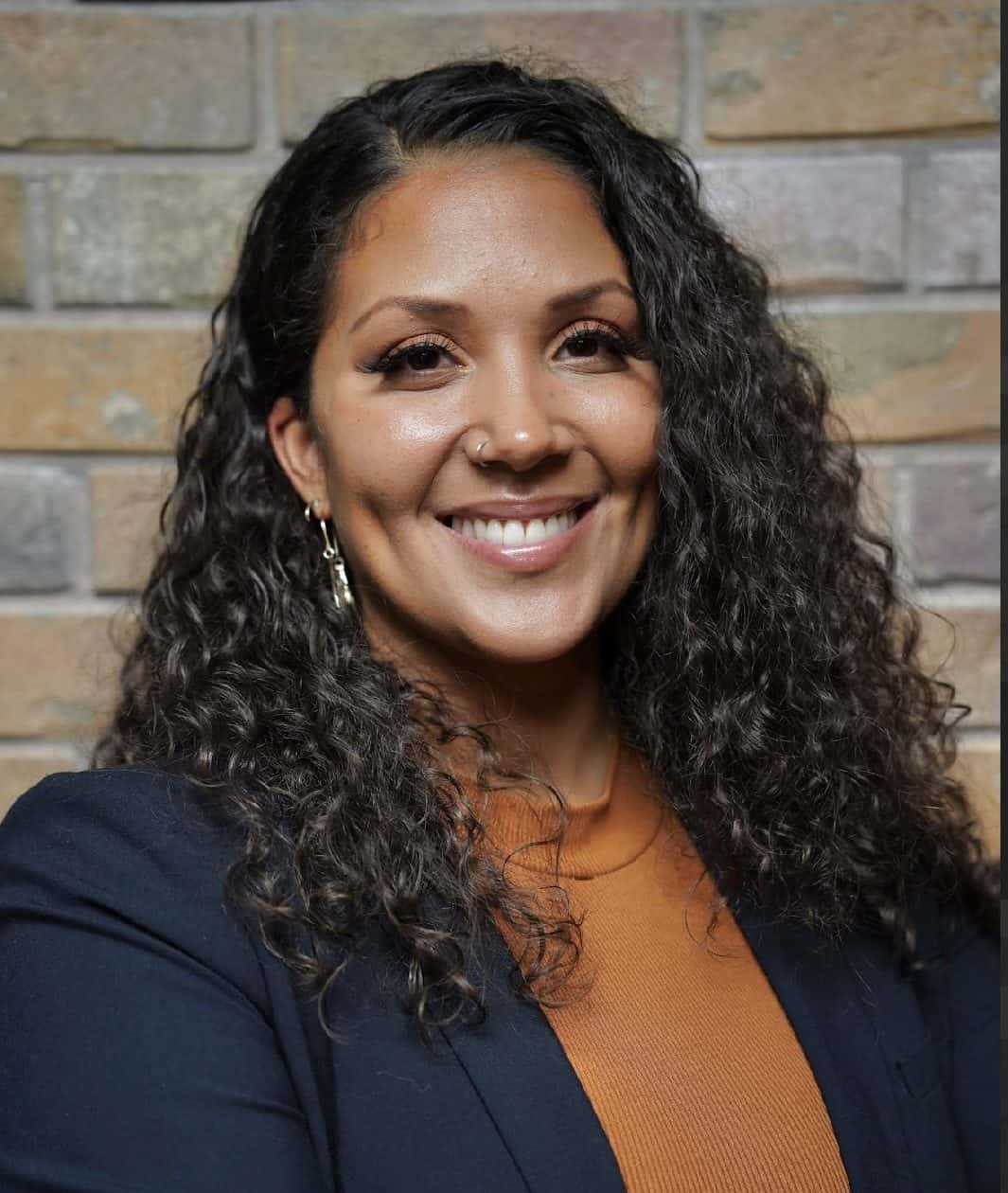
Courtney Rolle, CMHC
Clinical Mental Health Counselor