Key Takeaways
- Adults with ADHD are two to three times more likely to develop a substance use disorder compared to the general population.
- The dopamine deficiency that underlies ADHD symptoms creates a neurobiological vulnerability to substances that boost dopamine levels.
- Properly prescribed ADHD medication actually reduces addiction risk by addressing the underlying dopamine deficit that drives self-medication.
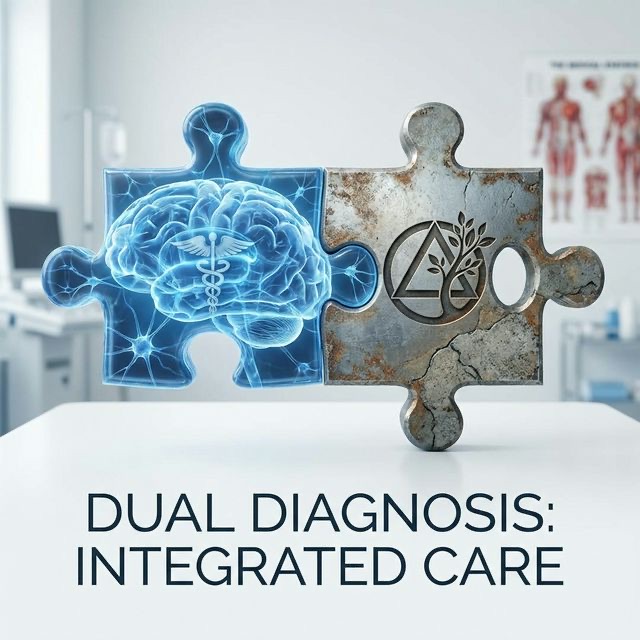
- Treatment must address both ADHD and addiction simultaneously, as untreated ADHD symptoms are a major relapse risk factor.
The Connection Between ADHD and Addiction
Attention deficit hyperactivity disorder and addiction are connected by shared neurobiology, overlapping risk factors, and a pattern of self-medication that begins long before most individuals receive proper diagnosis. Research published in the journal Biological Psychiatry estimates that 25 percent of adults seeking treatment for substance use disorders also meet diagnostic criteria for ADHD, a rate five to ten times higher than in the general population.
The connection between ADHD and addiction is rooted in the dopamine system. ADHD is fundamentally a disorder of dopamine regulation, the same neurotransmitter system that substances of abuse hijack to produce their rewarding effects. This shared neurochemistry helps explain why individuals with ADHD are so vulnerable to the allure of substances that temporarily restore normal dopamine function.
At Trust SoCal in Orange County, our clinical team screens every client for ADHD during the intake process. Identifying and treating ADHD alongside addiction is essential for long-term recovery because untreated ADHD symptoms consistently undermine sobriety efforts.
How ADHD Increases Addiction Risk
ADHD increases addiction risk through several interconnected mechanisms that span neurobiology, behavior, and developmental history. Understanding these pathways helps explain why ADHD is one of the strongest psychiatric risk factors for substance use disorders.
Dopamine Deficiency and Reward-Seeking
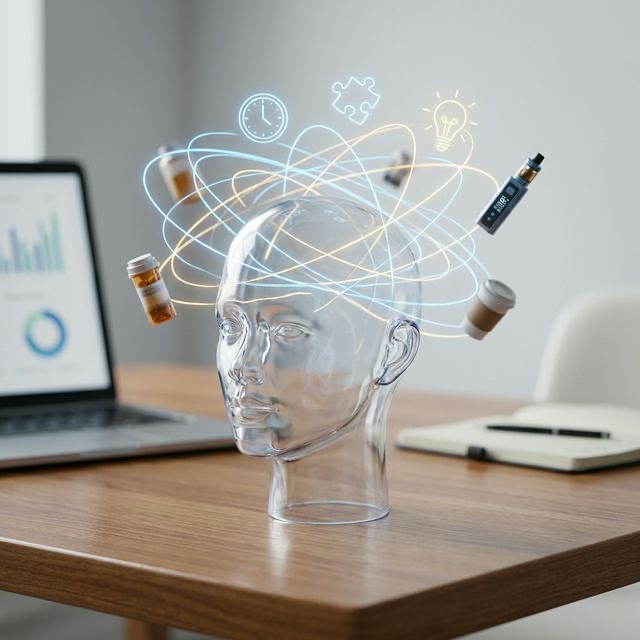
The core neurobiological feature of ADHD is insufficient dopamine signaling in the prefrontal cortex and reward circuits. This deficit produces the characteristic symptoms of inattention, restlessness, and difficulty sustaining effort on tasks that lack immediate reward. It also creates a chronic sense of understimulation that drives individuals toward high-intensity, high-reward experiences.
Substances provide the intense dopamine surge that the ADHD brain chronically lacks. Stimulants like cocaine and methamphetamine directly flood the dopamine system, while alcohol, opioids, and nicotine activate reward circuits through indirect mechanisms. For someone with untreated ADHD, the first experience with these substances can feel like finding a missing piece of their neurochemistry.
Impulsivity and Poor Executive Function
Impulsivity is a cardinal feature of ADHD that directly increases addiction vulnerability. Individuals with ADHD are more likely to try substances when offered, less likely to consider long-term consequences before using, and more prone to escalating use patterns once they begin. These behavioral tendencies reflect impaired prefrontal cortex function rather than character flaws.
Executive function deficits also make it harder for individuals with ADHD to implement the organizational and planning skills that recovery requires. Keeping appointments, following treatment plans, maintaining daily routines, and managing medications all demand the executive capacities that ADHD compromises.
Emotional Dysregulation
Although not included in the formal diagnostic criteria, emotional dysregulation is now recognized as a core feature of ADHD. Individuals with ADHD experience emotions more intensely, react more quickly to emotional stimuli, and have greater difficulty returning to emotional baseline. This volatility creates distress that motivates substance use as a means of emotional management.
The combination of intense emotions and limited coping skills makes individuals with ADHD particularly vulnerable to using substances in response to frustration, rejection, boredom, or interpersonal conflict. These situations arise frequently in daily life, creating repeated opportunities for substance use to become a habitual response.
Common Substances of Abuse in ADHD
While individuals with ADHD may misuse any substance, certain patterns are particularly common. Nicotine is the most frequently used substance among adults with ADHD, with smoking rates roughly double those of the general population. Nicotine stimulates dopamine release and temporarily improves attention and working memory, making it a powerful form of self-medication.
Alcohol is the second most commonly misused substance, often used to manage the anxiety, social difficulties, and sleep problems that accompany ADHD. Cannabis is also widely used for its calming effects, though it tends to worsen inattention and executive function deficits over time.
Stimulant misuse presents a unique concern. While properly prescribed stimulant medication reduces addiction risk, non-medical use of prescription stimulants or illicit stimulants carries significant dangers including cardiovascular complications, psychosis, and rapid development of dependence.
Contrary to popular belief, research consistently shows that treating ADHD with prescribed stimulant medications during childhood and adolescence reduces the risk of later substance use disorders by addressing the dopamine deficit that drives self-medication.
Diagnosing ADHD in Addiction Treatment
Diagnosing ADHD in individuals with active substance use disorders requires careful clinical assessment because substance use can produce symptoms that mimic ADHD, including difficulty concentrating, restlessness, disorganization, and impulsivity. Stimulant withdrawal, in particular, can closely resemble ADHD.
A valid ADHD diagnosis requires evidence that symptoms were present before the age of twelve, prior to the onset of substance use. Clinicians review childhood school records, gather collateral information from family members, and use validated screening instruments designed for adult ADHD to establish whether ADHD is an independent condition.
At Trust SoCal, our comprehensive assessment process includes specific ADHD screening protocols. When ADHD is identified, it is incorporated into the integrated treatment plan from the earliest stages of care, ensuring that both conditions receive appropriate attention.
Treating ADHD and Addiction Together
Effective treatment for co-occurring ADHD and addiction addresses both conditions simultaneously through a combination of medication management, skills training, and behavioral therapy.
If you have ADHD and are in recovery, work with your treatment team to develop a structured daily routine. Predictable schedules reduce the decision fatigue and chaos that can trigger both ADHD symptoms and substance cravings.
Medication Considerations
The question of whether to prescribe stimulant medications to individuals with addiction histories is complex. Non-stimulant options like atomoxetine, guanfacine, and bupropion are often tried first because they carry no abuse potential. However, when these medications prove insufficient, carefully monitored extended-release stimulant formulations may be considered.
Extended-release formulations are preferred over immediate-release stimulants because they produce a gradual, sustained dopamine increase rather than the rapid spike that is associated with abuse potential. Close monitoring, limited prescription quantities, and regular medication counts help ensure safe use.
Skills Training and Structure
Executive function coaching helps individuals with ADHD develop the organizational skills that recovery demands. This includes strategies for time management, breaking large tasks into manageable steps, using calendars and reminders, and creating structured daily routines that support both ADHD management and sobriety.
These practical skills are as important as psychotherapy in ensuring long-term success. Without the ability to organize their lives, attend appointments, and maintain healthy routines, individuals with ADHD face enormous obstacles in sustaining recovery regardless of their motivation.
ADHD-Specific Relapse Prevention
Relapse prevention for individuals with ADHD must account for the unique vulnerabilities that the condition creates. Boredom and understimulation are major relapse triggers for this population, so recovery plans should include engaging activities that provide healthy dopamine stimulation such as exercise, creative pursuits, competitive sports, or skill-building hobbies.
Environmental modifications are also critical. Reducing exposure to substances, minimizing unstructured time, and surrounding oneself with supportive people who understand both ADHD and recovery can significantly reduce relapse risk. Technology tools including reminder apps, medication alarms, and digital calendars can compensate for executive function challenges.
Support groups that address both ADHD and addiction provide the dual understanding that this population needs. Trust SoCal connects clients with resources in the Orange County recovery community that can support the specific challenges of living with both conditions.
Getting Help for ADHD and Addiction
If you suspect that undiagnosed or untreated ADHD is contributing to your substance use, you are not alone. Many adults with ADHD go undiagnosed for decades, only discovering their condition when they seek help for addiction. A proper diagnosis can be transformative, providing explanation for lifelong struggles and opening the door to effective treatment.
Trust SoCal offers comprehensive assessment and integrated treatment for co-occurring ADHD and substance use disorders from our Fountain Valley facility. Contact our admissions team to learn how we can help you or a loved one address both conditions for a stronger, more sustainable recovery.

Amy Pride, MFTT
Marriage & Family Therapy Trainee