Overview
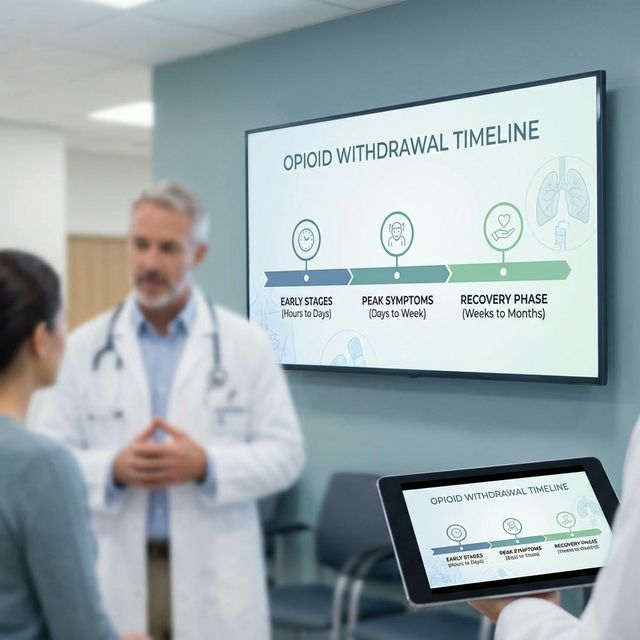
Opioid withdrawal is an intensely uncomfortable process that occurs when someone who has developed physical dependence on opioids, whether prescription painkillers like oxycodone and hydrocodone or illicit substances like heroin, stops using or significantly reduces their dosage. While opioid withdrawal is rarely life-threatening in otherwise healthy individuals, the severity of symptoms often drives people back to use, making medically supervised detox a critical component of successful recovery. At Trust SoCal, our JCAHO-accredited detox program uses medication-assisted treatment (MAT) and evidence-based comfort care protocols to help clients manage opioid withdrawal safely and with significantly reduced discomfort. The timeline and severity of opioid withdrawal depend on several factors, including the specific opioid used, the duration and amount of use, the method of administration, individual metabolism, and whether the person has co-occurring physical or mental health conditions. Short-acting opioids like heroin and immediate-release oxycodone tend to produce withdrawal symptoms more quickly but for a shorter duration, while long-acting opioids like methadone and extended-release formulations can delay the onset of withdrawal but produce a more prolonged syndrome. Understanding these differences is essential for developing an effective detox plan. If you or a loved one is struggling with opioid dependence, our admissions team at Trust SoCal is available 24 hours a day at (949) 280-8360 to help you understand your options and take the first step toward recovery. Opioid withdrawal does not have to be a barrier to getting clean, and with the right medical support, the process can be managed effectively and compassionately.