Key Takeaways
- Fentanyl-laced counterfeit pills represent the most urgent youth substance abuse threat in San Diego County.
- Evidence-based school prevention programs reduce initiation rates when implemented consistently.
- Early intervention during adolescence produces better long-term outcomes than waiting until addiction is fully established.
- Parents play the most significant role in preventing youth substance abuse through communication and monitoring.
- Trust SoCal offers young adult programming for individuals aged 18 and older who need treatment.
Youth Substance Abuse Prevention in San Diego County
Youth substance abuse prevention in San Diego County has taken on renewed urgency as fentanyl-laced counterfeit pills infiltrate teenage social circles throughout the region. From high schools in La Jolla and Carlsbad to middle schools in Escondido and Chula Vista, communities are confronting the reality that a single experimental pill purchase can be fatal when illicit fentanyl is involved.
San Diego County's prevention infrastructure includes school-based education programs, community coalition efforts, parent education initiatives, and early intervention services designed to reach young people before experimentation becomes dependence. These programs operate on the understanding that prevention is not only the most effective approach to substance abuse but also the most cost-effective.
This guide examines the prevention landscape in San Diego County, highlights the most pressing threats facing local youth, and provides practical guidance for parents, educators, and community members who want to protect young people from the devastating consequences of substance use.
The Fentanyl Threat to San Diego Youth
The emergence of illicit fentanyl in the drug supply has transformed the risk landscape for San Diego youth. Counterfeit pills manufactured to look identical to legitimate pharmaceuticals like Percocet, Xanax, and Adderall are now widely available through social media platforms and contain unpredictable, often lethal doses of fentanyl. A teenager who takes what they believe is a prescription pill obtained from a peer may unknowingly ingest a fatal dose of synthetic opioid.
San Diego County has recorded fentanyl-related deaths among teenagers and young adults at alarming rates in recent years. These deaths often involve individuals with no history of opioid use who made what they perceived as a low-risk decision to try a pill at a party or purchased from a classmate through social media messaging.
Prevention messaging for today's youth must address this new reality directly. The "just say no" approach, while well-intentioned, is insufficient when young people face substances that can kill on first use. Effective prevention now requires honest conversations about the specific dangers of counterfeit pills and the impossibility of knowing what a street-purchased pill actually contains.
Any pill not dispensed by a licensed pharmacy may contain a lethal dose of fentanyl. There is no way to determine the contents of a pill by its appearance, taste, or smell. One pill can kill.
School-Based Prevention Programs
San Diego County's school districts implement various evidence-based prevention curricula designed to delay substance use initiation, build refusal skills, and promote healthy decision-making among students. These programs are most effective when delivered consistently over multiple grade levels rather than as one-time assemblies or presentations.
Evidence-Based Curricula in San Diego Schools
Programs like LifeSkills Training, Too Good for Drugs, and Project Alert have demonstrated effectiveness in reducing substance use initiation rates when implemented with fidelity. These curricula address not only drug knowledge but also social-emotional competencies including stress management, assertiveness, decision-making, and media literacy that reduce vulnerability to substance use.
Several San Diego school districts have supplemented standard prevention curricula with fentanyl-specific education modules developed in response to the current crisis. These modules include information about counterfeit pills, social media drug purchasing risks, and naloxone awareness, presented in age-appropriate formats for middle and high school students.
Peer Education and Student Leadership
Peer education programs in San Diego high schools train student leaders to serve as prevention advocates within their social networks. Research shows that messages delivered by peers are often more credible and influential than those delivered by adults, particularly during adolescence when peer influence peaks.
Student-led organizations like Friday Night Live and similar programs in North County and South Bay schools create substance-free social alternatives including concerts, sporting events, and community service projects. These programs address the social motivations behind substance use by providing engaging alternatives that fulfill the need for belonging and excitement without chemical substances.
Community Prevention Coalitions
San Diego County supports multiple community prevention coalitions that bring together schools, law enforcement, healthcare providers, faith communities, and parent organizations to coordinate substance abuse prevention efforts. These coalitions operate in specific geographic areas including North County, South Bay, East County, and Central San Diego, tailoring their approaches to local needs and demographics.
Community coalitions conduct environmental prevention strategies that go beyond individual education to change the conditions that enable youth substance use. These strategies include advocating for responsible alcohol outlet density, supporting enforcement of underage sales laws, promoting prescription drug take-back programs, and reducing youth exposure to substance-related advertising and social media content.
The San Diego Prevention Coalition Network facilitates collaboration among local coalitions and provides training, technical assistance, and data analysis that strengthen prevention efforts across the county. This network approach ensures that effective strategies developed in one community are shared and adapted for use in others.
The Role of Parents and Families
Parents are the single most influential factor in whether a young person initiates substance use. Research consistently demonstrates that parental communication about substance use expectations, monitoring of teen activities and social connections, and modeling of responsible behavior reduce youth substance use risk more effectively than any school or community program alone.
Effective parent communication about substances is ongoing, honest, and age-appropriate. Rather than relying on a single "talk," prevention experts recommend regular conversations that begin in late elementary school and continue through high school, adapting to address the specific substances and risks relevant to each developmental stage.
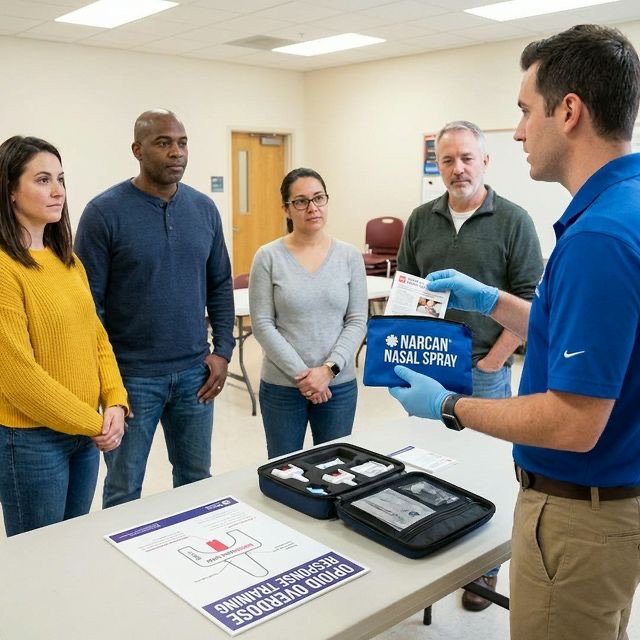
Consider keeping naloxone in your home and teaching your teenager how to use it. Even if your child does not use substances, they may witness an overdose among peers and have the knowledge and tools to save a life.
Practical Communication Strategies
Start conversations about substances during natural moments rather than formal sit-down discussions. A news story about a local overdose, a scene in a movie, or a question about something heard at school can all serve as entry points for meaningful dialogue. Ask open-ended questions and listen without judgment to understand your teen's existing knowledge and attitudes.
Be honest about the risks of current substances including fentanyl without relying on scare tactics that may undermine credibility. Young people can detect exaggeration and may dismiss all prevention messages if they perceive the information as manipulative. Factual, direct communication builds trust and makes it more likely that your teen will come to you with questions or concerns.
- Establish clear expectations about substance use and communicate consequences consistently
- Know your teen's friends, their parents, and where your teen spends time
- Monitor social media activity and discuss the risks of purchasing substances online
- Keep prescription medications locked and dispose of unused medications promptly
- Model responsible alcohol use or abstinence in your own behavior
Early Intervention for Youth Already Using Substances
When prevention efforts do not prevent initiation, early intervention becomes critical. Adolescent substance use progresses more rapidly than adult use due to ongoing brain development, meaning that early detection and response can prevent the escalation from experimentation to dependence.
Signs that a teenager may be using substances include sudden changes in friend groups, declining academic performance, increased secrecy about activities and phone use, changes in sleep patterns, unexplained mood swings, and physical signs such as bloodshot eyes, unusual smells, or unexplained weight changes.
San Diego County offers adolescent-specific substance abuse assessment and treatment through multiple providers. The county's Behavioral Health Services department maintains a youth services directory that helps families locate age-appropriate treatment that addresses the developmental needs of adolescents rather than simply applying adult treatment models to younger populations.
Treatment Options for Young Adults in San Diego
For young adults aged eighteen and older who have progressed beyond the prevention stage, formal addiction treatment may be necessary. San Diego offers outpatient and intensive outpatient programs designed for young adults, as well as residential programs that address the unique developmental and social challenges facing this age group.
Trust SoCal in Fountain Valley, Orange County, provides young adult programming that addresses substance use alongside the developmental tasks of emerging adulthood including identity formation, career development, relationship skills, and emotional independence. Located approximately ninety minutes from San Diego via I-5, the facility offers the therapeutic distance that many young adults need to break free from substance-using social networks.
Family involvement in young adult treatment is essential. Trust SoCal's family programming helps parents and siblings understand addiction as a medical condition, establish healthy boundaries, and develop communication patterns that support long-term recovery rather than enabling continued substance use.
Building a Prevention-Oriented Community
Substance abuse prevention is a community responsibility that extends beyond schools and families. Local businesses, faith organizations, recreational facilities, and civic leaders all play roles in creating environments that protect young people and provide healthy alternatives to substance use.
Volunteering with a local prevention coalition, supporting after-school programs, advocating for youth-friendly community spaces, and staying informed about substance use trends are all meaningful ways that San Diego community members can contribute to the prevention mission. Every adult who takes an active interest in the well-being of young people strengthens the protective factors that keep them safe.
San Diego County publishes annual youth substance use data through its Epidemiology and Immunization Services department. These reports are available online and provide valuable context for understanding local trends and informing prevention efforts.

Amy Pride, MFTT
Marriage & Family Therapy Trainee