Key Takeaways
- San Diego County provides every level of addiction care from detox through aftercare.
- Proximity to Orange County along the I-5 corridor expands treatment choices significantly.
- Verifying insurance coverage early can prevent delays and reduce out-of-pocket costs.
- Dual-diagnosis programs are essential for individuals with co-occurring mental health conditions.
Understanding Drug Rehab Options in San Diego County
Drug rehab in San Diego County encompasses a broad spectrum of services designed to meet individuals wherever they are in the addiction cycle. From the coastal communities of Pacific Beach and La Jolla to the inland neighborhoods of Escondido and El Cajon, treatment centers offer medical detox, residential programs, partial hospitalization, and intensive outpatient services tailored to different substance dependencies.
San Diego County ranks among the most populated counties in California and, unfortunately, faces significant substance use challenges related to opioids, methamphetamine, and alcohol. According to county health data, emergency department visits for drug-related incidents have risen steadily, underscoring the urgent need for accessible, evidence-based treatment options throughout the region.
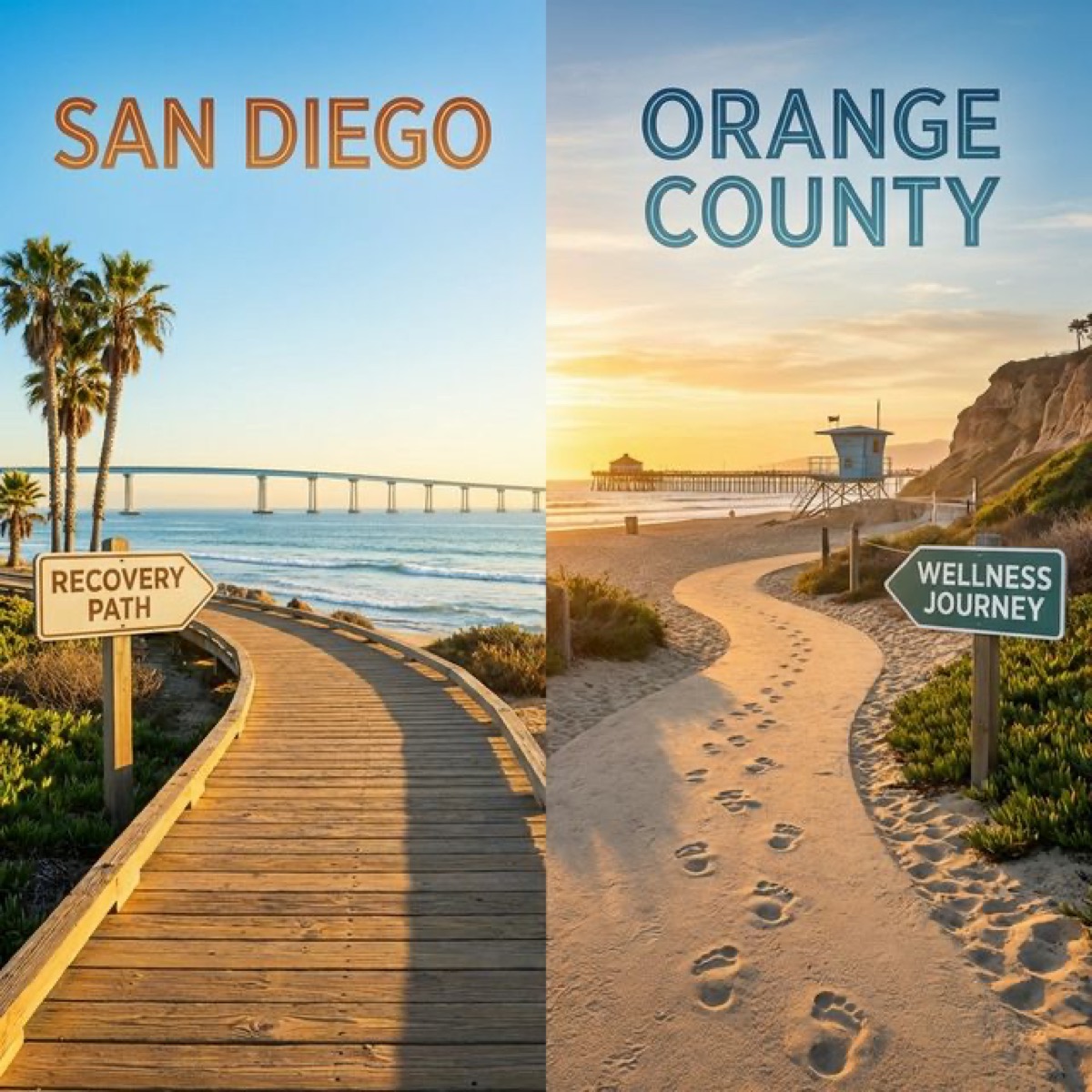
Choosing the right rehab program means evaluating clinical qualifications, treatment philosophy, location, and insurance acceptance. Many San Diego residents also look south to the I-5 corridor toward Orange County, where facilities like Trust SoCal in Fountain Valley provide specialized care within an easy drive from most San Diego neighborhoods.
San Diego County has over 200 licensed substance use treatment facilities, but quality and approach vary widely. Always verify state licensing and accreditation before enrolling.
Levels of Care Available in San Diego
The American Society of Addiction Medicine outlines a continuum of care that starts with early intervention and extends through medically managed intensive inpatient treatment. San Diego County offers resources at every point along this continuum, making it possible for individuals to step up or step down in care intensity as their recovery progresses.
Medical detox programs in areas like Hillcrest and Mission Valley provide supervised withdrawal management for substances such as alcohol, benzodiazepines, and opioids. These programs typically last three to seven days and serve as the critical first step before transitioning into a structured treatment program.
Inpatient and Residential Treatment
Inpatient rehab centers in San Diego County typically offer 30-, 60-, or 90-day programs where clients live on-site and participate in daily therapy sessions, group counseling, and holistic wellness activities. Facilities in North Park and surrounding areas combine clinical rigor with the mild Southern California climate that supports outdoor therapeutic programming.
Residential treatment removes individuals from environments that may trigger relapse and immerses them in a recovery-focused community. Many programs incorporate cognitive behavioral therapy, dialectical behavior therapy, and motivational interviewing alongside experiential therapies like art, music, and equine-assisted treatment.
- Twenty-four-hour medical supervision and psychiatric support
- Structured daily schedules including individual and group therapy
- Family programming and weekend visitation options
- Transition planning that includes step-down care and sober living referrals
Outpatient and Intensive Outpatient Programs
Outpatient programs allow individuals to continue working or attending school while receiving treatment during evening or weekend hours. Intensive outpatient programs in San Diego generally require nine to twelve hours of weekly participation and focus on relapse prevention, coping skills, and peer accountability.
Partial hospitalization programs bridge the gap between inpatient and standard outpatient care by providing five to six hours of daily programming without overnight stays. These programs are particularly valuable for individuals who have completed residential treatment and need continued clinical structure.
Specialized Populations and Programs
San Diego has a large military and veteran population due to its proximity to Camp Pendleton, Naval Base San Diego, and Marine Corps Air Station Miramar. Several rehab facilities offer specialized programming for active-duty service members and veterans dealing with substance use disorders often intertwined with post-traumatic stress disorder and traumatic brain injury.
Young adult programs in neighborhoods like Pacific Beach and Ocean Beach address the unique pressures facing individuals aged eighteen to twenty-five, including college-related drinking culture and social media influences. Gender-specific programs and LGBTQ-affirming treatment tracks are also widely available across the county.
Dual-diagnosis programs have become the standard of care in San Diego, recognizing that approximately half of all individuals with a substance use disorder also experience a co-occurring mental health condition. Integrated treatment addresses both conditions simultaneously rather than treating them in isolation.
How Insurance Covers Drug Rehab in San Diego
Most major insurance providers in California, including Blue Cross Blue Shield, Aetna, Cigna, and Kaiser Permanente, cover substance use treatment under mental health parity laws. The Affordable Care Act requires marketplace plans to include addiction treatment as an essential health benefit, meaning many San Diego residents have coverage they may not realize.
Medi-Cal, California's Medicaid program, covers a wide range of addiction treatment services through the Drug Medi-Cal Organized Delivery System. San Diego County participates in this system, which means eligible residents can access detox, residential treatment, outpatient services, and medication-assisted treatment at little to no cost.
Verifying your insurance benefits before selecting a facility can prevent billing surprises. Trust SoCal in Fountain Valley, just up the I-5 from San Diego, accepts most major PPO plans and offers complimentary insurance verification to help prospective clients understand their coverage.
Call your insurance company and ask for your behavioral health benefits summary. Request details on in-network versus out-of-network coverage, copay amounts, and any prior authorization requirements.
The I-5 Corridor: Expanding Your Treatment Options
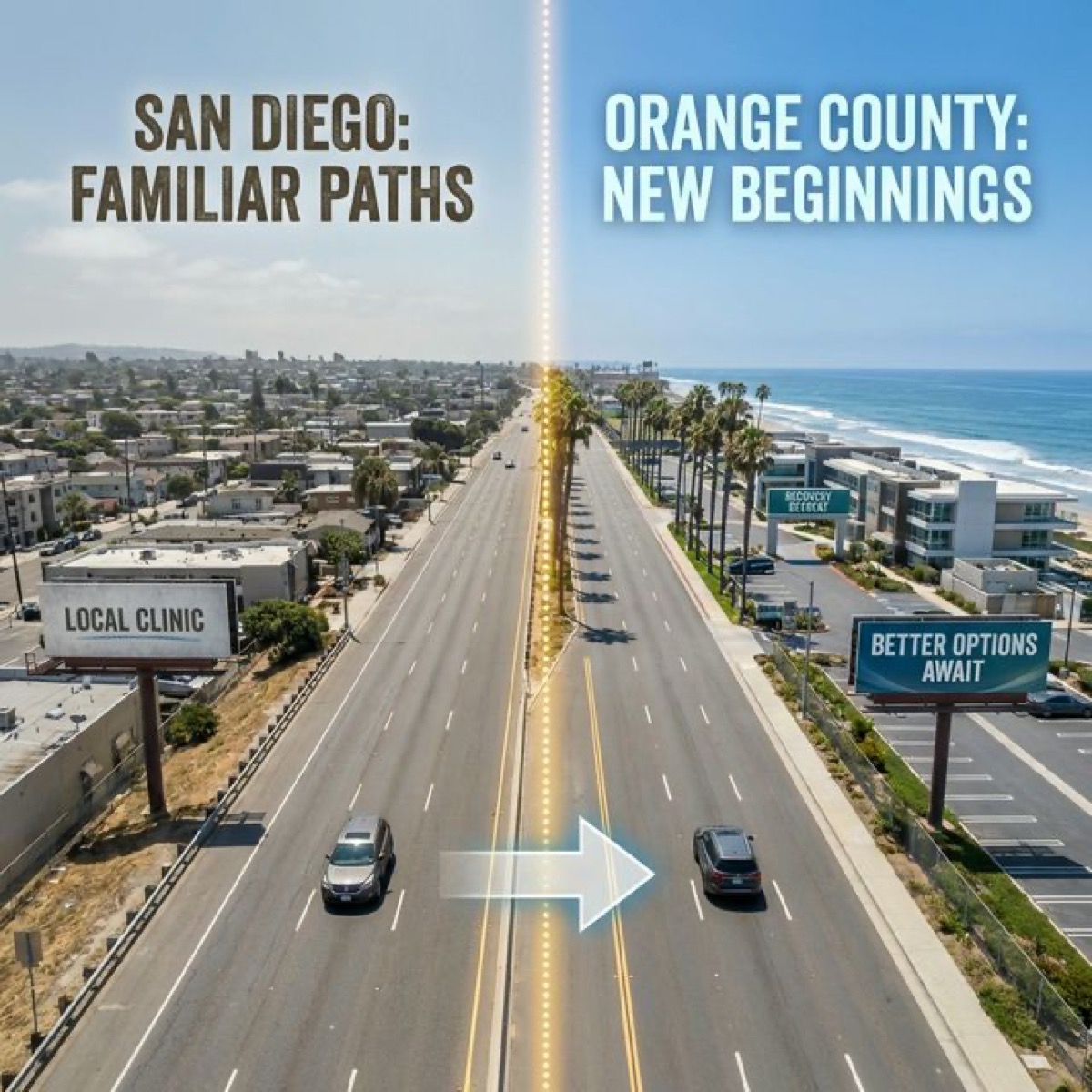
One of the advantages of living in San Diego County is the easy access to treatment centers throughout Southern California via the I-5 corridor. The drive from downtown San Diego to Fountain Valley in Orange County takes approximately ninety minutes, opening up a wider selection of specialized programs that may not be available locally.
Traveling outside your immediate community for treatment can actually enhance recovery outcomes. Research suggests that geographic distance from triggering environments, social networks associated with substance use, and easy access to dealers can reduce early relapse risk and provide the fresh start many individuals need.
Trust SoCal, located in Fountain Valley at the heart of Orange County, offers comprehensive addiction treatment including medical detox, residential care, and outpatient programming. San Diego residents frequently choose Orange County facilities for the combination of clinical quality and therapeutic distance from their home environment.
What to Look for in a San Diego Rehab Center
Choosing the right rehab involves more than reading online reviews. Look for programs that are licensed by the California Department of Health Care Services and accredited by organizations like the Joint Commission or CARF International. These certifications indicate that a facility meets rigorous clinical and safety standards.
Ask about staff credentials, therapist-to-client ratios, and the specific evidence-based modalities used in treatment. A quality program should be able to clearly articulate its treatment philosophy and provide outcome data or client satisfaction metrics when asked.
- Verify state licensing through the DHCS online portal
- Confirm that the facility offers medically supervised detox if needed
- Ask about average length of stay and program completion rates
- Inquire about aftercare planning and alumni support services
- Request a tour of the facility or attend a virtual open house
Red Flags to Watch For
Be cautious of facilities that guarantee specific outcomes, pressure you to enroll immediately, or refuse to provide licensing information. Legitimate treatment centers welcome questions and encourage families to take the time needed to make an informed decision.
Patient brokering, where third parties receive referral fees for sending clients to specific facilities, is illegal in California. If someone offers you free housing, transportation, or other incentives to enter a particular program, this is a significant warning sign that the facility may not have your best interests at heart.
Starting Your Recovery Journey Today
The first step toward recovery is often the hardest, but San Diego County offers multiple pathways to get started. The county's Access and Crisis Line operates around the clock and can connect callers with local treatment resources, crisis intervention, and referrals to appropriate levels of care.
Whether you choose a program in Pacific Beach, a residential facility near Balboa Park, or decide that the therapeutic distance of an Orange County center like Trust SoCal is the right fit, the most important thing is to take action. Addiction is a progressive disease, and early intervention significantly improves long-term outcomes.
Trust SoCal's admissions team is available to help San Diego residents navigate their options, verify insurance, and arrange transportation from anywhere in the county. Reaching out for help is not a sign of weakness but rather the bravest step you can take toward reclaiming your life.
The opposite of addiction is not sobriety. The opposite of addiction is connection.
— Johann Hari

Rachel Handa, Clinical Director
Clinical Director & Therapist