Key Takeaways
- Addiction is classified as a chronic, relapsing brain disorder by NIDA, ASAM, and the WHO, meaning that multiple treatment episodes are clinically expected rather than exceptional.
- Research published in the Journal of Substance Abuse Treatment indicates that each treatment episode produces cumulative benefits, with individuals showing improved outcomes in subsequent attempts even after relapse.
- Counting rehab visits as "failures" reflects a misunderstanding of chronic disease management and discourages individuals from re-entering treatment when they need it most.
- Approximately 40-60% of individuals with substance use disorders experience relapse, a rate comparable to other chronic conditions like hypertension and diabetes.
- Each treatment episode provides an opportunity to reassess what is working, adjust the treatment plan, and address factors that contributed to relapse.
The Stigma of "Going Back" to Rehab
Few phrases in addiction coverage carry as much implicit judgment as "returned to rehab for the third time" or "checked into treatment again." When media outlets report that a celebrity has re-entered treatment, the framing invariably implies escalating failure, as if each treatment episode is evidence that the person is increasingly broken or unwilling to change. This narrative is not just inaccurate; it actively harms the broader population of individuals struggling with substance use disorders by reinforcing the stigma around treatment re-entry and discouraging people from seeking help when they need it most.
The shame associated with returning to treatment is one of the most significant barriers to re-engagement. Individuals who have relapsed after completing a treatment program often report feeling like they have "wasted" their previous treatment, disappointed their family, or proven that they are "beyond help." These feelings are intensified by a cultural narrative that frames addiction recovery as a single pass-fail test rather than the ongoing process that chronic disease management requires. The result is that many people delay returning to treatment for months or years after a relapse, during which time their substance use escalates, their health deteriorates, and their risk of overdose death increases dramatically.
Reframing multiple treatment episodes as a normal and expected part of recovery is not about lowering standards or making excuses. It is about aligning public understanding with clinical reality. When a person with diabetes has a blood sugar crisis despite ongoing treatment, we do not count it as their "fifth failure." We adjust their medication, modify their diet, and continue managing the condition. Addiction deserves the same evidence-informed, compassion-driven approach. At Trust SoCal in Orange County, we welcome patients at every stage of their recovery journey, including those who are returning to treatment after a relapse. Call (949) 280-8360, and we will meet you where you are.
The Chronic Disease Model: Why Multiple Episodes Are Expected
The chronic disease model of addiction, endorsed by every major medical and psychiatric organization worldwide, fundamentally reframes how we understand treatment outcomes. Under this model, addiction is understood as a chronic condition with a fluctuating course, meaning that periods of remission and periods of symptom recurrence are both expected features of the disease trajectory. This does not mean that treatment is ineffective. To the contrary, treatment significantly improves outcomes, reduces substance use, decreases mortality, and improves quality of life. But it does mean that a single treatment episode is unlikely to produce permanent resolution for many individuals, just as a single course of blood pressure medication rarely produces lifelong normotension without ongoing management.
The data strongly supports this perspective. A landmark longitudinal study by Dennis and colleagues, published in Evaluation Review, followed over 1,300 individuals with substance use disorders for up to eight years. The researchers found that the average person required three to four treatment episodes before achieving sustained recovery of one year or more. Importantly, each treatment episode was associated with incremental improvements in substance use, employment, mental health, and quality of life, even when the episode was followed by relapse. This finding demonstrates that treatment benefits accumulate over time, and that each episode contributes to the eventual achievement of sustained recovery rather than representing an isolated failure.
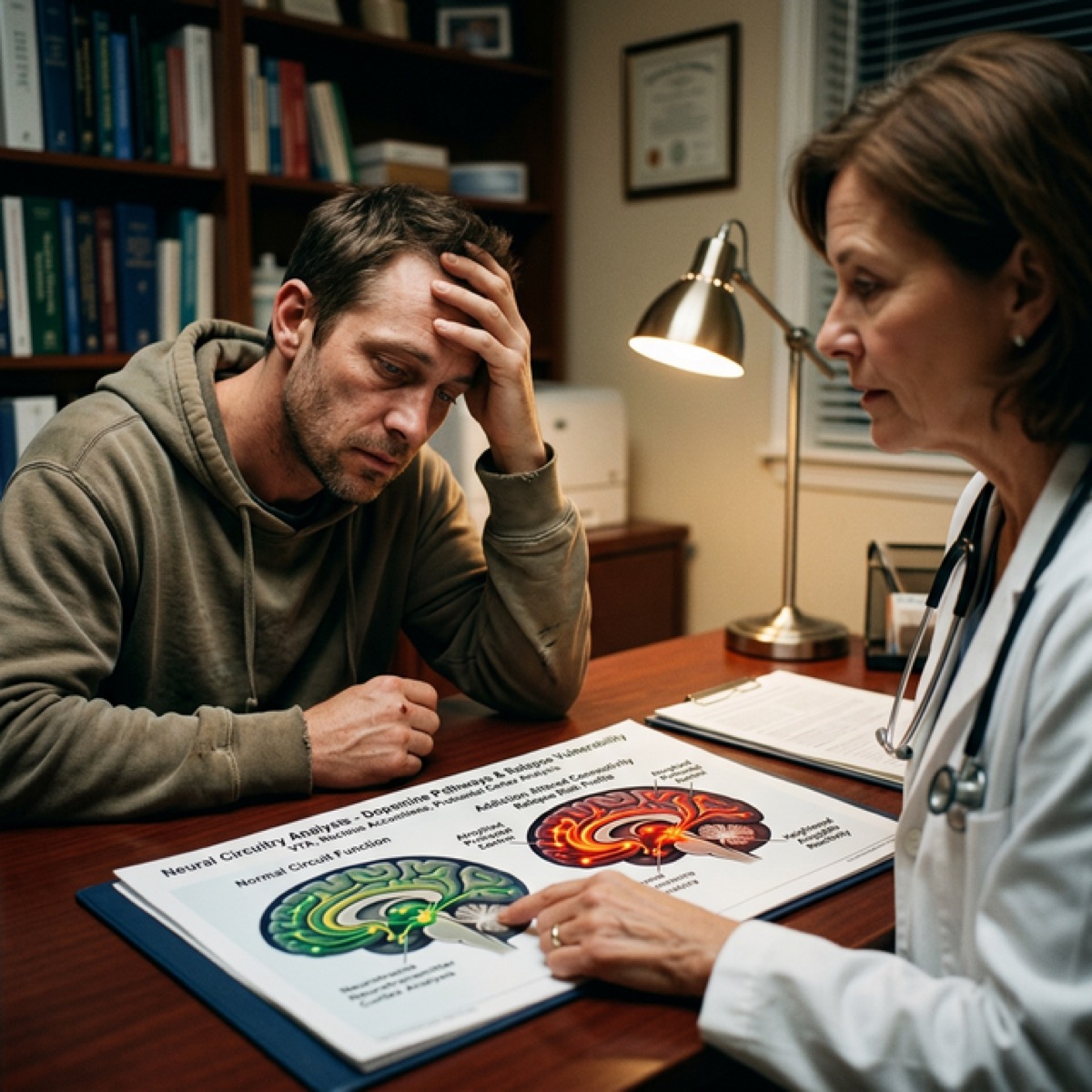
The biological basis for cumulative treatment benefits is well-established. Each period of treatment provides an opportunity for partial neurobiological recovery. Dopamine receptor density begins to increase during abstinence. Prefrontal cortex function gradually improves. Stress response systems begin to normalize. While relapse interrupts these processes, the gains are not entirely erased. Subsequent treatment episodes build on the neurological progress made during prior episodes, creating a cumulative trajectory toward brain recovery that supports increasingly sustained periods of sobriety.
Research by Dennis et al. found that the average person with a substance use disorder required 3-4 treatment episodes before achieving one year of sustained recovery. Each episode produced measurable improvements even when followed by relapse.
What Changes Between Treatment Episodes
One of the most clinically valuable aspects of returning to treatment is the opportunity to reassess and adjust the treatment plan based on what happened during the relapse. A second or third treatment episode is not a repetition of the first. An experienced clinical team will conduct a thorough re-assessment examining the specific circumstances that preceded the relapse, the adequacy of the previous treatment plan, the presence of unaddressed co-occurring conditions, and changes in the patient's life circumstances, relationships, and support systems. This analysis often reveals critical factors that were missed or underemphasized in prior treatment.
Common findings during re-assessment include undiagnosed or undertreated co-occurring mental health disorders such as PTSD, bipolar disorder, or anxiety disorders that were driving continued substance use. It is estimated that approximately 50% of individuals with substance use disorders also have a co-occurring mental health condition, according to SAMHSA, and failure to adequately treat both conditions simultaneously is one of the most common reasons for treatment failure. Other frequent findings include inadequate aftercare planning, premature discharge, return to high-risk environments, lack of medication-assisted treatment when clinically indicated, and insufficient family or social support.
Each re-entry into treatment is also an opportunity to build on the skills and insights gained in previous episodes. Patients who return to treatment are not starting from zero. They bring accumulated knowledge about their addiction, their triggers, their patterns, and what worked and did not work in previous recovery attempts. A skilled clinical team leverages this accumulated self-knowledge to design a more targeted and effective treatment plan. At Trust SoCal, our treatment team in Fountain Valley takes a comprehensive approach to re-assessment, examining every dimension of the patient's situation to design a plan that addresses the specific factors that contributed to their most recent relapse.
Common Factors Addressed in Subsequent Treatment Episodes
The following factors are frequently identified and addressed when individuals return to treatment after relapse.
- Undiagnosed or undertreated co-occurring disorders (depression, anxiety, PTSD, bipolar disorder) that were driving continued substance use
- Inadequate medication-assisted treatment, either not offered when indicated or discontinued too early
- Premature step-down from intensive treatment to outpatient care before adequate stabilization
- Return to high-risk environments, relationships, or social networks that trigger use
- Insufficient aftercare planning or failure to engage with recommended continuing care
- Unresolved trauma that was not adequately addressed in previous treatment
- New life stressors (job loss, divorce, grief) that exceeded existing coping capacity
From Shame to Strategy: Reframing the Recovery Journey
The shift from viewing multiple treatment episodes as failure to viewing them as a normal part of chronic disease management is not just a semantic change. It has practical implications for how individuals, families, and treatment providers approach recovery. When relapse is met with shame and judgment, the individual is less likely to seek help quickly, more likely to hide their substance use, and more vulnerable to the escalation cycle that leads to overdose and death. When relapse is met with compassion and clinical pragmatism, the individual can re-engage with treatment rapidly, minimizing the harm and building on previous progress.
For families and loved ones, this reframing is equally important. Watching someone you love return to treatment can be heartbreaking, and it is natural to feel frustrated, afraid, or hopeless. But understanding that multiple treatment episodes are clinically normal can transform that frustration into informed patience. Families who understand the chronic disease model are better equipped to provide the consistent, compassionate support that helps their loved one stay engaged with recovery over the long haul. Family therapy, Al-Anon, and educational programming can help families develop these skills and perspectives.
At Trust SoCal, we have seen firsthand that the journey to sustained recovery is rarely a straight line. Many of our most successful patients are individuals who returned to treatment after one or more relapses, each time bringing greater self-awareness, stronger motivation, and a clearer understanding of what they need to sustain their recovery. We honor every step of that journey and provide the clinical expertise to make each treatment episode more effective than the last. If you or someone you love needs to return to treatment, please know that reaching out is an act of courage, not an admission of defeat. Call us at (949) 280-8360.
Returning to treatment after relapse is not a sign of failure. It is the single most important step a person can take to protect their life and continue their recovery journey.
— American Society of Addiction Medicine (ASAM)

Trust SoCal Editorial Team, Clinical Review Board
Editorial & Clinical Review