Key Takeaways
- The South Bay, including Torrance, Redondo Beach, and Hermosa Beach, offers outpatient treatment, counseling, and active recovery meeting communities.
- Residential treatment facilities are more concentrated in Orange County, just minutes south of the South Bay via the 405.
- Torrance Memorial and Providence Little Company of Mary hospitals provide crisis intervention and referrals for substance abuse.
- Trust SoCal in Fountain Valley is roughly 20 minutes from Torrance, making it a convenient residential treatment option for South Bay residents.
Substance Abuse Resources in Torrance and the South Bay
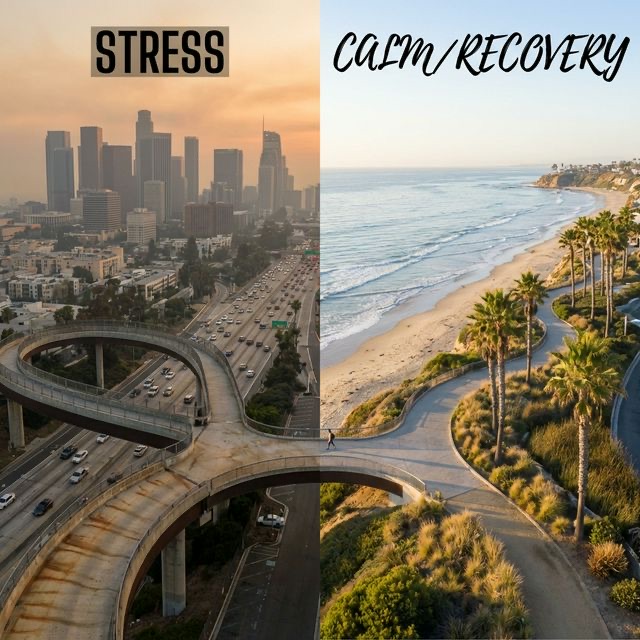
Substance abuse resources in Torrance and the South Bay serve one of Los Angeles County's most desirable coastal communities. The South Bay, encompassing Torrance, Redondo Beach, Hermosa Beach, Manhattan Beach, El Segundo, and surrounding cities, is often associated with an active, health-conscious lifestyle. Beneath that image, however, substance use disorders affect residents of every demographic.
The South Bay offers a mix of outpatient treatment providers, hospital-based intervention services, and a well-established recovery meeting network. For residential and detox-level care, the area's proximity to Orange County provides additional options just a short drive south on the 405 freeway.
This guide outlines the key substance abuse resources available to South Bay residents and explains how to access the right level of care for individual needs.
Local Treatment Providers in the South Bay
Outpatient treatment providers in the South Bay include licensed therapists, psychiatrists, and counseling centers specializing in substance use disorders. Practices in Torrance, Redondo Beach, and Manhattan Beach offer individual therapy, group counseling, and medication-assisted treatment for alcohol and opioid dependence.
Intensive outpatient programs in the area typically meet three to five times per week for three to four hours per session. These programs allow individuals to maintain employment and family responsibilities while receiving structured clinical care during evenings or mornings.
Hospital-Based Services
Torrance Memorial Medical Center and Providence Little Company of Mary Medical Center in Torrance both provide emergency department services for acute intoxication, overdose, and withdrawal crises. Social workers in these facilities connect patients with outpatient resources and residential treatment referrals upon discharge.
Hospital-based psychiatric units can also stabilize individuals experiencing co-occurring mental health crises. Following stabilization, a warm handoff to an addiction treatment provider ensures continuity of care and reduces the likelihood of a patient falling through the cracks.
Counseling and Therapy Practices
Licensed clinical social workers, marriage and family therapists, and professional counselors throughout the South Bay specialize in addiction and co-occurring disorders. Many offer telehealth sessions alongside in-person appointments, increasing access for individuals with transportation or scheduling challenges.
When selecting a therapist, look for credentials such as LCSW, LMFT, LPCC, or CADC, along with specific training in evidence-based addiction treatment modalities like cognitive behavioral therapy, motivational interviewing, or EMDR for trauma-related substance use.
Recovery Meetings and Community Support
The South Bay recovery community is active and welcoming, with twelve-step meetings held daily in Torrance, Redondo Beach, Hermosa Beach, and neighboring cities. The beach communities have a particularly strong tradition of outdoor recovery gatherings, including meetings held in parks and near the strand.
Narcotics Anonymous, Alcoholics Anonymous, and Cocaine Anonymous all maintain meeting schedules in the South Bay. Newcomers can find welcoming groups at venues throughout Torrance's civic center area, along the Redondo Beach waterfront, and in community centers across the region.
Recovery community events, including sober beach volleyball, surf sessions, and group runs along the Marvin Braude Bike Trail, provide social connection and physical activity. These events demonstrate that sobriety in the South Bay is not only possible but genuinely enjoyable.
Many South Bay AA and NA groups maintain active social media pages where members share meeting updates, sober event schedules, and words of encouragement.
Residential Treatment Options Near the South Bay
The South Bay itself has limited residential treatment capacity. Most licensed residential addiction treatment facilities in the region are concentrated in Orange County and central Los Angeles. For South Bay residents, the geographic advantage is significant: Orange County treatment centers are closer than many LA-based options.
Fountain Valley, Huntington Beach, Costa Mesa, and Newport Beach all host residential rehab programs accessible in 15 to 30 minutes from Torrance via the 405 south. This proximity allows families to visit regularly and participate in therapy sessions, which strengthens outcomes.
Trust SoCal's Fountain Valley campus at 16537 Elm Cir is approximately 12 miles from central Torrance. The facility offers medical detox, residential treatment, and step-down to intensive outpatient care, providing a complete continuum under one clinical team.
Substance Abuse Trends in the South Bay
The South Bay experiences substance abuse patterns that mirror broader LA County trends while reflecting the area's unique demographics. Alcohol misuse is particularly prevalent in communities with active bar and restaurant scenes, as social drinking culture can normalize excessive consumption.
Prescription drug misuse, including opioid painkillers and benzodiazepines, affects South Bay residents across age groups. Older adults managing chronic pain and younger adults experimenting with diverted prescriptions both face risks of developing dependence that escalates to addiction.
Fentanyl contamination of illicit drugs has increased overdose deaths across all LA County communities, including the South Bay. Individuals using any illicit substances face heightened risk, underscoring the urgency of accessible treatment and harm reduction services.
Fentanyl has been detected in counterfeit pills and illicit drugs across the South Bay. Naloxone (Narcan) is available without a prescription at most pharmacies and can reverse an opioid overdose.
Insurance and Financial Considerations
Many South Bay residents carry employer-sponsored PPO insurance plans that provide broad coverage for addiction treatment. Under the Affordable Care Act, substance use disorder treatment is classified as an essential health benefit, meaning insurance companies must cover it at parity with medical and surgical care.
Verifying insurance benefits before selecting a treatment program prevents unexpected expenses. Most admissions teams, including the team at Trust SoCal, offer free insurance verification that outlines covered services, copayments, deductibles, and any pre-authorization requirements.
For uninsured or underinsured residents, Medi-Cal provides coverage for addiction treatment services. The application process can be completed online or at LA County social services offices. Some private facilities also offer sliding-scale fees or payment plans for self-pay clients.
Taking Action: Next Steps for South Bay Residents
If substance abuse is affecting your life or the life of someone you love in the South Bay, reaching out for help is the most important step. Start by calling a treatment center for a confidential assessment. You do not need to have a plan fully formed before making that call.
Trust SoCal's admissions team is available around the clock at (949) 280-8360. We serve residents from Torrance, Redondo Beach, Hermosa Beach, Manhattan Beach, and communities throughout the South Bay with compassionate, evidence-based treatment just minutes away in Fountain Valley.
Recovery transforms lives in the South Bay every day. The resources exist, the clinical expertise is available, and a supportive community is waiting. All that remains is taking the first step.
Madeline Villarreal, Counselor
Counselor