Key Takeaways
- Sober living provides structured, substance-free housing that supports the transition from treatment to independent living.
- The Denver-Boulder corridor has over 200 registered sober living homes, but quality and oversight vary significantly.
- CDHS does not license sober living homes the same way it licenses treatment facilities, making independent research essential.
- Costs range from $500 to $3,000 per month depending on location, amenities, and level of structure.
- Combining sober living with outpatient treatment (IOP or OP) produces significantly better long-term outcomes than either alone.
What Is Sober Living and Why Does It Matter?
Sober living homes occupy a critical but often overlooked position in the recovery continuum. They are not treatment facilities. They do not provide clinical services. What they provide is equally essential: a stable, substance-free living environment with peer accountability, house rules, and community support during the fragile early months of sobriety.
Research consistently shows that the transition from residential treatment back to independent living is one of the highest-risk periods for relapse. The structure of daily life in treatment, the removal from triggers, the constant support of peers and staff, all evaporate upon discharge. Sober living homes extend this protective environment while gradually reintroducing the responsibilities and freedoms of normal life.
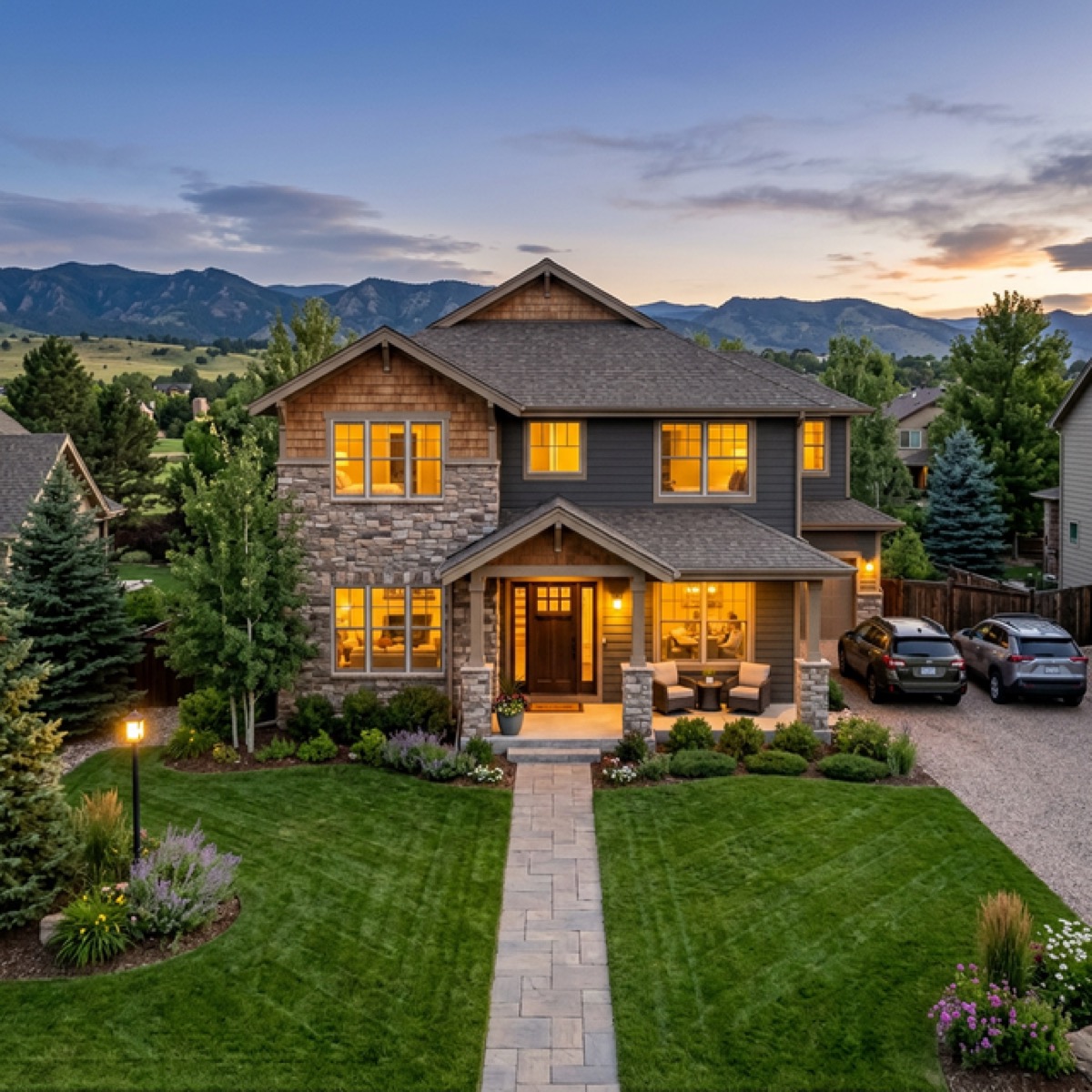
In the Denver-Boulder corridor, sober living has grown into a significant industry, with homes ranging from basic shared houses to upscale residences in neighborhoods like Wash Park, Highlands, and central Boulder. This variety means options exist for most budgets, but it also means quality is inconsistent.
The National Alliance for Recovery Residences (NARR) has established a four-level framework for recovery housing, from peer-run Level 1 homes to clinically integrated Level 4 residences. Look for homes that are NARR-certified or affiliated with the Colorado Association of Recovery Residences (CARR).
Levels of Sober Living: Understanding the Options
Not all sober living homes are created equal. The NARR framework helps residents and families understand what level of support a given home provides. In the Denver-Boulder area, most homes fall into Levels 1 through 3.
Level 1: Peer-Run Recovery Residences
These are democratically run homes where residents share responsibilities for house management. There is no on-site staff, but house rules require sobriety, attendance at recovery meetings, and contribution to household chores and expenses. Level 1 homes are the most affordable option, typically ranging from $500 to $800 per month in the Denver metro area.
Level 2: Monitored Recovery Residences
Level 2 homes have a designated house manager who enforces rules, conducts drug testing, and facilitates house meetings. These homes often require residents to be enrolled in outpatient treatment or actively attending mutual aid meetings. Monthly costs typically range from $800 to $1,500 in neighborhoods like Capitol Hill, Colfax, and Arvada.
- Regular drug and alcohol testing, typically weekly or random.
- Required participation in recovery activities or employment.
- Structured curfews and guest policies.
- House meetings to address community issues and accountability.
Level 3: Supervised Recovery Residences
Level 3 homes provide the highest level of structure outside of clinical treatment. They feature on-site staff, clinical coordination with outpatient providers, and often include life skills programming, job readiness training, and case management. These homes, more common in Boulder and Denver's upscale neighborhoods, range from $1,500 to $3,000 per month.
The Denver-Boulder Sober Living Landscape
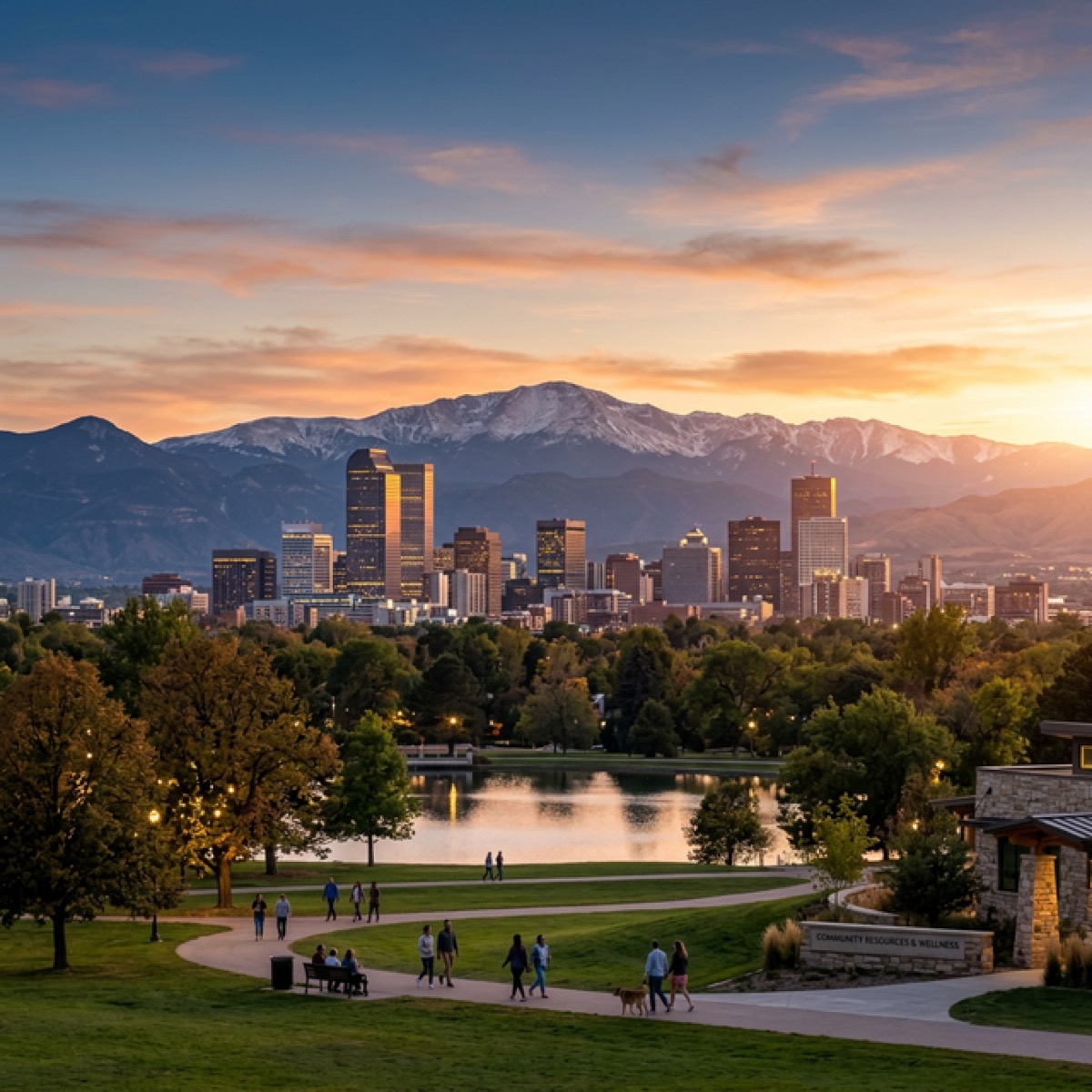
The I-25 and Highway 36 corridors connecting Denver and Boulder have become a concentrated hub for sober living and recovery services. Each area offers distinct advantages depending on an individual's recovery stage, employment situation, and personal preferences.
Denver Metro Neighborhoods
Denver's sober living homes are concentrated in Capitol Hill, Wash Park, Baker, and the Highlands. Capitol Hill, with its dense housing stock, walkable streets, and proximity to hundreds of recovery meetings, has the highest concentration. LoDo and RiNo, while appealing for young professionals, present challenges due to their bar-centric nightlife and restaurant scene.
Be cautious about sober living homes located directly on or near bar-heavy stretches of Broadway, Colfax Avenue, or Larimer Street. Proximity to nightlife districts increases environmental relapse risk, particularly in early recovery.
Boulder and the Highway 36 Corridor
Boulder offers a distinctly different recovery environment. The city's outdoor culture, trail access, and health-conscious population create a natural fit for recovery-oriented living. Sober homes in Boulder tend to emphasize wellness, fitness, and mindfulness practices alongside traditional recovery programming. However, Boulder's high cost of living makes housing significantly more expensive than Denver.
Suburban Options: Lakewood, Arvada, and Aurora
Suburban communities along the I-70 and I-25 corridors offer more affordable sober living options with quieter environments. These homes work well for individuals with vehicles who prefer a calmer setting but still want access to Denver-area employment, outpatient treatment, and recovery meetings.
How to Evaluate a Sober Living Home in Colorado
Because CDHS does not license sober living homes the same way it oversees treatment facilities, residents and families must conduct their own due diligence. The absence of state licensing does not mean a home is substandard, but it does mean that quality assurance falls largely on the consumer.
Several red flags and green flags can help you distinguish well-run homes from those that exist primarily to profit from vulnerable populations.
Always visit a sober living home in person before committing. Speak with current residents, review the house rules in writing, and confirm the drug testing policy. A quality home will welcome your scrutiny.
Green Flags
Quality sober living homes share several characteristics that indicate professionalism and genuine commitment to residents' recovery.
- NARR certification or CARR membership.
- Clear, written house rules and resident agreements.
- Regular, verifiable drug and alcohol testing with consequences for violations.
- Active connection to outpatient treatment providers and recovery community.
- Transparent pricing with no hidden fees or long-term lease traps.
Red Flags
Certain warning signs suggest a home prioritizes revenue over recovery outcomes.
- No drug testing or inconsistent enforcement of sobriety rules.
- Overcrowded rooms exceeding local occupancy codes.
- Aggressive marketing tactics or "patient brokering" schemes tied to insurance billing.
- Lack of transparency about ownership, staffing, or house policies.
- No connection to clinical treatment or recovery support services.
Paying for Sober Living in the Denver-Boulder Area
Unlike clinical treatment, sober living is generally not covered directly by Health First Colorado or most commercial insurance plans. This is an important distinction that catches many families off guard after a loved one completes a treatment program.
However, several financial pathways exist to make sober living accessible, and some treatment programs include transitional housing as part of their aftercare planning.
Self-Pay and Employment Income
Most sober living residents pay monthly rent from employment income. Many homes require that residents obtain employment or enroll in school within a specified period, typically 30 to 60 days after move-in. This employment requirement serves both financial and therapeutic purposes, as structured daily activity is a cornerstone of early recovery.
Scholarships and Subsidized Beds
Some CDHS-funded recovery residences and nonprofit sober living operators in Denver offer reduced-cost or scholarship beds for individuals transitioning from publicly funded treatment. These beds are limited and often have specific eligibility criteria, including completion of a licensed treatment program, active engagement in recovery, and demonstrated financial need.
Treatment Center Aftercare Planning
Reputable treatment centers, including Trust SoCal, incorporate sober living placement into their discharge planning process. For Colorado residents who complete treatment in Southern California, this may involve coordinating a return to a vetted Denver or Boulder sober living home, or facilitating a period of continued sober living in Orange County before returning home.
Combining Sober Living with Outpatient Treatment
The most effective recovery pathway for most individuals involves pairing sober living with concurrent outpatient treatment. This combination provides the clinical support of therapy and group work alongside the real-world practice of sober living in a community setting.
Denver Health, UC Health, and numerous private providers along the Front Range offer IOP and standard outpatient programs that can be attended while living in a sober home. Many sober living homes maintain referral relationships with specific outpatient providers, which can simplify logistics.
Studies show that individuals who spend at least 90 days in sober living while attending outpatient treatment have relapse rates 40 to 60 percent lower than those who return directly to independent living after residential care.
Planning Your Path: Local Sober Living or Extended California Recovery
For Colorado residents completing treatment at Trust SoCal, the decision about where to live during early recovery deserves careful consideration. Some individuals benefit from remaining in Southern California's recovery community for 3 to 6 months of sober living before returning to the Denver-Boulder area. Others are ready to return home and transition into a local sober living home with outpatient support.
Trust SoCal's clinical team works with each client to develop an individualized aftercare plan that considers family proximity, employment, financial resources, and relapse risk factors. Whether your next step is a sober home in Capitol Hill or continued recovery in Orange County, we help you plan for sustainable, long-term sobriety.
Call Trust SoCal at (949) 280-8360 to discuss treatment and sober living options tailored to your situation.

Trust SoCal Editorial Team, Clinical Review Board
Editorial & Clinical Review