Key Takeaways
- San Diego County Behavioral Health Services oversees a network of more than 300 programs serving mental health and substance use needs.
- The Access and Crisis Line at 888-724-7240 is available around the clock for immediate help.
- Medi-Cal recipients have access to a wide range of addiction and mental health services at no cost through the county system.
- Private treatment facilities offer shorter wait times and more individualized care for those with commercial insurance.
- Trust SoCal provides integrated dual-diagnosis treatment for San Diego residents seeking specialized care in nearby Orange County.
Overview of San Diego County Behavioral Health
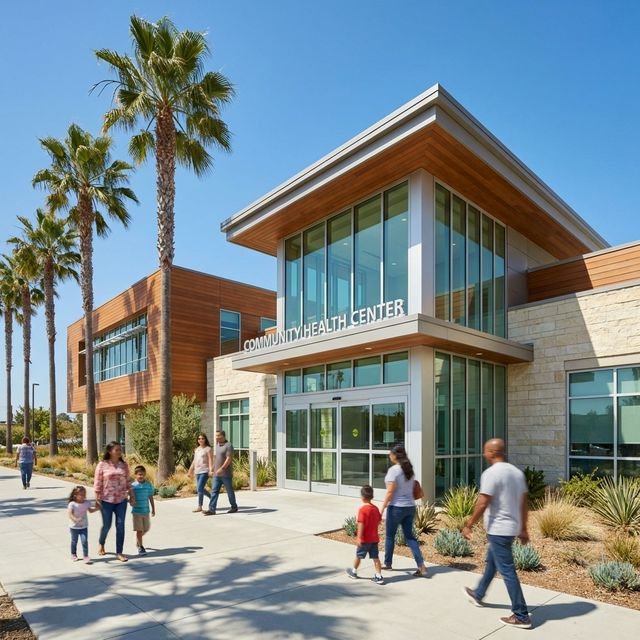
San Diego County Behavioral Health Services is a division of the county Health and Human Services Agency that administers mental health and substance use disorder treatment for residents across the region. With a population exceeding three million people, the county operates one of the most extensive behavioral health networks in the state, encompassing crisis intervention, outpatient treatment, residential care, and prevention programs.
The system serves individuals across the lifespan, from children and adolescents experiencing early behavioral health concerns to older adults dealing with late-onset substance use or chronic mental illness. Services are delivered through a combination of county-operated facilities and contracted community providers, with an emphasis on culturally responsive care that reflects the diverse demographics of San Diego County.
For individuals with Medi-Cal coverage, the county system provides access to substance use treatment through the Drug Medi-Cal Organized Delivery System. This program covers a continuum of services including assessment, detox, residential treatment, outpatient counseling, medication-assisted treatment, and recovery support services. Eligible residents can access these services by calling the county Access and Crisis Line.
Crisis and Emergency Resources
When someone is experiencing a psychiatric emergency or substance-related crisis, immediate help is available through several channels in San Diego County. The Access and Crisis Line, reachable at 888-724-7240, operates twenty-four hours a day, seven days a week, and provides crisis counseling, referrals, and information about available services. Trained counselors can assess the situation and dispatch mobile crisis teams when needed.
The county also operates Psychiatric Emergency Response Teams that pair licensed clinicians with law enforcement officers to respond to behavioral health emergencies in the community. These teams aim to divert individuals in crisis away from the criminal justice system and toward appropriate treatment. Walk-in crisis centers in the central and east county areas provide stabilization services for individuals who need immediate support but do not require hospitalization.
If someone is experiencing a life-threatening emergency, always call 911 first. The Access and Crisis Line at 888-724-7240 is for non-emergency behavioral health crises and referrals.
County-Funded Substance Use Treatment Programs
San Diego County contracts with dozens of community-based organizations to provide substance use treatment at various levels of care. These programs serve primarily uninsured individuals and those with Medi-Cal coverage. Services include outpatient counseling, intensive outpatient programs, residential treatment, withdrawal management, and narcotic treatment programs that offer methadone and buprenorphine maintenance.
Wait times for county-funded programs can vary depending on the level of care needed and current capacity. Residential treatment programs often have the longest wait times, sometimes extending several weeks. During the waiting period, individuals may be connected with outpatient services or peer support to maintain engagement and reduce the risk of continued substance use.
Perinatal substance use programs serve pregnant women and new mothers with priority access to treatment. San Diego County has invested significantly in ensuring that this vulnerable population can access care quickly, recognizing the health implications for both mother and child. Family-centered programs that allow women to bring their children into residential treatment are also available.
- Outpatient treatment with individual and group counseling sessions
- Intensive outpatient programs meeting nine to twelve hours weekly
- Short-term and long-term residential treatment programs
- Medication-assisted treatment with methadone, buprenorphine, or naltrexone
- Perinatal programs with priority admission for pregnant women
- Recovery residences and transitional housing support
Private Treatment Options for San Diego Residents
For individuals with private insurance or the ability to self-pay, private treatment facilities offer advantages including shorter wait times, lower client-to-therapist ratios, and more individualized programming. Private rehab centers in Southern California typically offer amenities and specialized clinical tracks that may not be available in county-funded programs.
Many San Diego residents with commercial PPO insurance choose treatment facilities in Orange County, where the concentration of private rehab centers is among the highest in the nation. Trust SoCal in Fountain Valley offers comprehensive addiction treatment including medical detox, residential care, partial hospitalization, and intensive outpatient programming. Located just seventy-five miles from downtown San Diego, Trust SoCal accepts most major PPO plans and provides integrated dual-diagnosis treatment.
The decision between county-funded and private treatment should be based on individual circumstances including insurance coverage, the severity of the substance use disorder, co-occurring conditions, and personal preferences regarding treatment environment and approach. Both pathways can lead to successful recovery when the program is well-matched to the individual.
Integrated Care for Co-Occurring Disorders
Research shows that approximately half of all individuals with a substance use disorder also experience a co-occurring mental health condition such as depression, anxiety, bipolar disorder, or PTSD. San Diego County has prioritized integrated treatment approaches that address both conditions simultaneously, recognizing that treating them separately leads to poorer outcomes.
County behavioral health clinics throughout the region offer co-occurring disorder services, and many contracted providers are required to screen for and address mental health conditions alongside addiction treatment. However, the depth and quality of integrated care can vary significantly between providers.
For individuals who need intensive dual-diagnosis treatment, specialized private facilities often provide the most comprehensive approach. Trust SoCal clinical team includes psychiatrists, psychologists, and licensed therapists who collaborate to develop treatment plans that address the full spectrum of each client's needs. Contact our admissions team at (949) 280-8360 to learn about our dual-diagnosis programming.
When evaluating treatment programs, ask specifically about how they handle co-occurring mental health conditions. A quality program will include psychiatric assessment and integrated treatment planning from the outset.
Courtney Rolle, CMHC
Clinical Mental Health Counselor