

Key Takeaways
- Oregon Health Plan covers the full continuum of substance use treatment including medical detox, residential, outpatient, and medication-assisted treatment.
- OHP is administered through coordinated care organizations (CCOs) in each county, and coverage and wait times vary by region.
- To qualify for OHP, Oregon residents must meet income requirements (currently 200-250% of federal poverty level depending on category).
- Prescription drug coverage under OHP includes medications for opioid use disorder (buprenorphine, methadone) and alcohol use disorder (naltrexone, acamprosate).
- Wait times at OHP-covered treatment programs can be significant (1-6 weeks or more), but coverage eliminates out-of-pocket costs for eligible individuals.
What Oregon Health Plan Covers for Addiction Treatment
The Oregon Health Plan (OHP), Oregon's Medicaid program, provides comprehensive coverage for substance use disorder treatment. This coverage includes the full continuum of care: medical detoxification, residential treatment, intensive outpatient programs, standard outpatient counseling, medication-assisted treatment, peer support services, and recovery housing support. For Oregonians without commercial insurance, OHP is the primary pathway to accessing treatment.
Coverage is broad, but not unlimited. OHP covers treatment at licensed facilities for up to 90 days of residential care per contract year, with authorization for additional days in some circumstances. Outpatient treatment is typically limited to twice-weekly visits unless intensive outpatient is authorized. Medication-assisted treatment is covered for opioid and alcohol use disorders, including buprenorphine, methadone, and naltrexone. Psychiatric medications for co-occurring mental health conditions are covered.
Each county's coordinated care organization (CCO) manages OHP benefits and determines which providers are in-network. This means coverage and available services vary by county. Multnomah County OHP enrollees may have access to 20+ treatment providers, while rural county OHP enrollees may have 2-3 options. Understanding your specific county's resources is important.
Oregon Health Plan coverage is extensive but comes with wait times. For OHP enrollees wanting faster access, out-of-state private programs are sometimes an option. Call Trust SoCal at (949) 280-8360 to explore both in-state and out-of-state options.
Full List of Covered Services
OHP covers a comprehensive range of addiction treatment services, making it one of the most inclusive substance use coverage programs in the nation.
- Medical detoxification (hospital or freestanding detox centers).
- Residential treatment (30-, 60-, 90-day programs).
- Partial hospitalization programs (PHP).
- Intensive outpatient programs (IOP): 9-15 hours/week.
- Standard outpatient programs: 1-3 visits weekly.
- Medication-assisted treatment (buprenorphine, methadone, naltrexone).
- Individual and group therapy.
- Psychiatric evaluation and medication management.
- Peer support and recovery coaching.
- Family therapy and education.
- Transitional housing and sober living support (in some counties).
Eligibility and Enrollment in Oregon Health Plan
Oregon Health Plan eligibility is based primarily on income. Individuals and families earning up to approximately 200-250% of the federal poverty level qualify, depending on age and category. For a single adult, this means income below approximately $2,600-3,300 per month. Families of four with income below approximately $5,300-6,900 per month qualify. These thresholds adjust annually.
Oregonians can apply for OHP online through the state's Oregon's Health Insurance Marketplace, by mail, or in person at county offices. The application process is straightforward and can be completed in under 30 minutes. Decision timelines are typically 30-45 days. During the waiting period, applicants can receive "presumptive eligibility" allowing immediate access to substance use treatment even before formal approval.
Special enrollment periods exist for individuals experiencing homelessness, recent discharge from incarceration, or other life changes. These allow application outside normal enrollment windows. Pregnant individuals have expanded income limits and immediate coverage availability.
Do not assume you are ineligible for Oregon Health Plan based on income. Contact your county health department or apply online to determine your eligibility. Substance use treatment can begin during the application process through presumptive eligibility.
Income Limits and Categories
OHP has multiple enrollment categories with varying income limits and benefits.
- Standard OHP: 200% of federal poverty level.
- Pregnant OHP: 250% of federal poverty level.
- Breast-feeding OHP: 250% of federal poverty level.
- Kids OHP: 200% of federal poverty level.
- Limited English Proficiency: 200% of poverty level.
Coordinated Care Organizations: Managing OHP in Your County
Oregon's Medicaid program is administered through coordinated care organizations (CCOs) in each county. A CCO is a health insurance plan that accepts OHP members and manages their benefits, including substance use treatment coverage. Common CCOs across Oregon include Trillium Community Health Plan (Portland area), PacificSource (Salem area), Molina Healthcare, and regional options in other counties.
When you enroll in OHP, you will be assigned to a CCO in your county unless you select one. The CCO approves treatment referrals, manages prior authorization, pays providers, and coordinates care. Substance use treatment requires a referral from your primary care provider or a treatment provider can initiate the process directly.
Wait times and provider availability vary significantly by CCO. Trillium in Multnomah County has extensive provider networks and shorter wait times than CCOs in rural counties. Prior authorization requirements vary. Some CCOs require pre-treatment assessments before authorizing residential care; others do not. Understanding your specific CCO's processes helps you navigate the system more effectively.
Your OHP coordinated care organization manages substance use treatment benefits. If you have questions about coverage or wait times, contact your CCO directly. Trust SoCal can help verify your OHP coverage at (949) 280-8360.
Major Oregon CCOs and Service Areas
Each Oregon county is served by one or more coordinated care organizations. Knowing yours helps you understand available services.
- Trillium Community Health Plan: Multnomah, Washington, Clackamas counties.
- PacificSource: Marion, Polk, Yamhill, Lincoln counties.
- Molina Healthcare: Multiple counties including Lane, Douglas, Josephine.
- Health Net: Several Southern Oregon counties.
- Cascade Health Alliance: Central Oregon.
- Wallowa Valley Center for Wellness: Union, Wallowa counties.
Medication-Assisted Treatment Coverage Under OHP
Oregon Health Plan provides comprehensive coverage for medication-assisted treatment (MAT), recognizing it as a first-line treatment for opioid use disorder. Buprenorphine (Suboxone, Subutex) is widely available through office-based opioid treatment (OBOT) providers. Methadone is available through opioid treatment programs (OTPs). Naltrexone for relapse prevention is covered, though less commonly used than buprenorphine or methadone.
Buprenorphine is easier to access than methadone because it can be prescribed in office-based settings by trained providers. Many primary care physicians, addiction medicine specialists, and treatment clinics provide buprenorphine therapy. OHP covers the medication and office visits. Patients typically pay no out-of-pocket cost.
For alcohol use disorder, OHP covers naltrexone (Vivitrol, ReVia), acamprosate (Campral), and disulfiram (Antabuse). These medications reduce cravings or create aversive reactions to alcohol, supporting abstinence. Coverage is straightforward, though psychiatric providers or addiction specialists must prescribe them.
If you have OHP coverage, ask your provider about medication-assisted treatment options. MAT significantly improves treatment outcomes and recovery rates compared to abstinence-only approaches. Call Trust SoCal at (949) 280-8360 to discuss MAT regardless of your insurance status.
Wait Times and Prior Authorization for OHP Treatment
Wait times for OHP-covered treatment vary dramatically by county and program type. In Multnomah County (Portland), wait times for OHP-covered residential treatment range from 2-6 weeks due to high demand and limited capacity. In rural counties, wait times may be shorter simply because fewer people are competing for fewer beds. Some programs have wait lists of several months.
Prior authorization is required for residential treatment and some outpatient programs. The prior authorization process can take several days to a week. Authorized treatment days are typically 30, 60, or 90 days depending on program and medical necessity. Additional days can sometimes be authorized if treatment is progressing well.
For individuals in crisis or with urgent medical needs, expedited authorization is possible. Individuals actively using, in danger of overdose, or unable to wait can sometimes receive same-day or next-day admission to crisis detox or stabilization programs.
Wait times at OHP-covered programs can be lengthy. If you cannot wait and have any commercial insurance, explore out-of-state options. Trust SoCal at (949) 280-8360 can often admit clients within 24 hours.
Typical Authorization and Wait Time Process
Understanding the timeline helps you prepare for admission and manage expectations.
- Initial assessment: Same day or within 2-3 days.
- Provider submits prior authorization: 1-3 days.
- Insurance approves or requests additional information: 1-5 days.
- Authorization granted, client scheduled for admission: 1-14 days average wait.
- Total time from assessment to admission: 5-30 days depending on program.
Navigating the OHP System: Practical Tips
The Oregon Health Plan system is complex, but understanding a few key principles helps you navigate it effectively. First, get a primary care provider as soon as you enroll in OHP. This provider can authorize treatment referrals and coordinate your overall care. Second, be proactive. Call your CCO directly if you have questions rather than waiting for information to come to you. Third, ask about presumptive eligibility if you are applying for OHP and need treatment immediately; you can begin treatment while your application is pending.
When you are ready for treatment, contact your primary care provider or call a treatment provider directly. Many providers can initiate the prior authorization process without requiring a physician referral, though having one speeds the process. Be honest about the severity of your substance use and any co-occurring mental health or medical conditions; this helps the authorization team understand clinical need and approve appropriate levels of care.
If you are denied treatment or face a lengthy wait, ask about alternatives. Can you start with outpatient treatment while waiting for residential? Can you start medication-assisted treatment immediately? Are there other programs in your area with shorter wait times? Your CCO or treatment provider can help navigate these questions.
Need help navigating Oregon Health Plan substance use treatment coverage? Trust SoCal can help verify your OHP coverage and explain your options. Call (949) 280-8360 for free assistance.
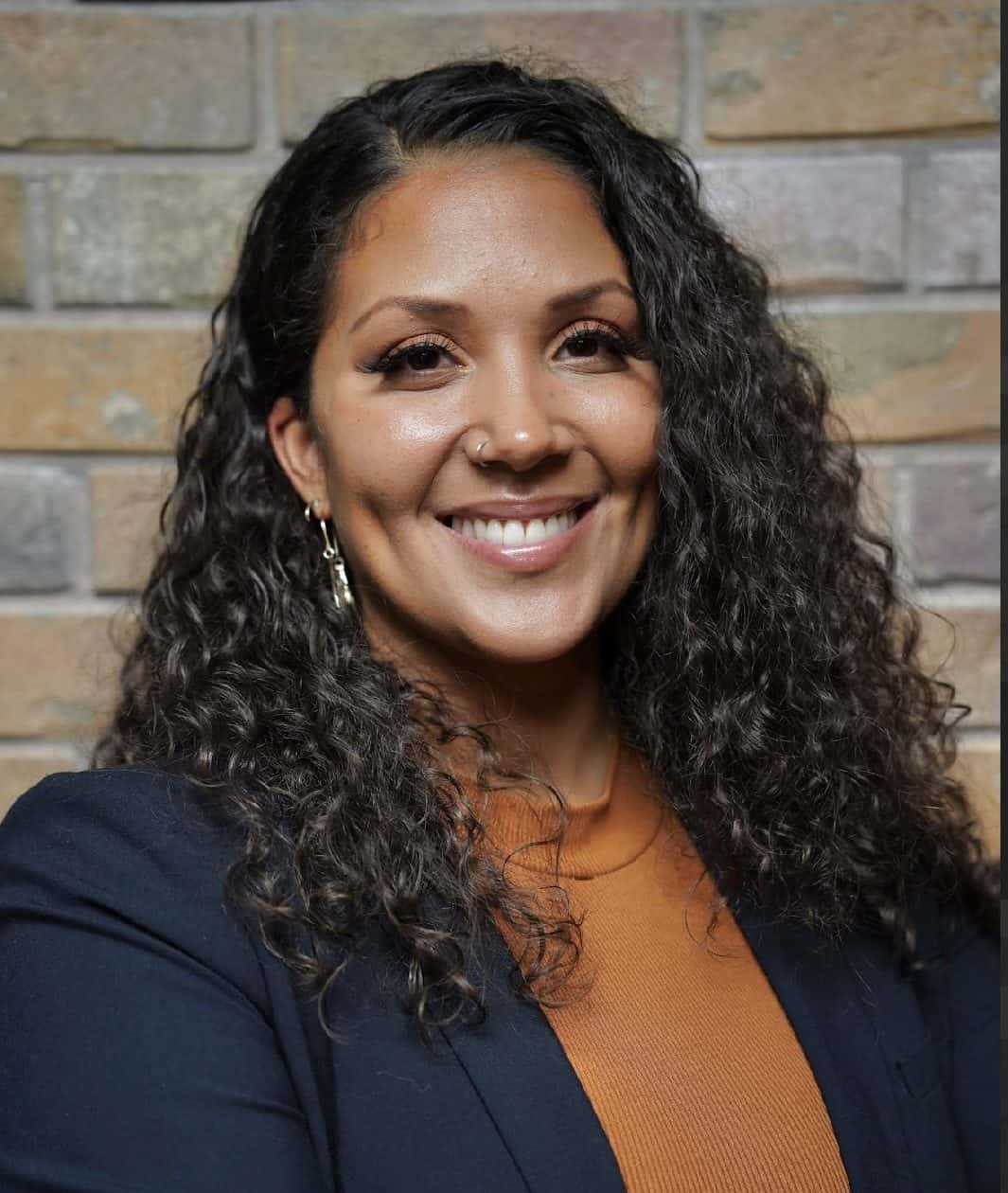
Courtney Rolle, CMHC
Clinical Mental Health Counselor


