Key Takeaways
- Michigan opioid epidemic affects both urban and rural communities
- Fentanyl contamination creates lethal overdose risk statewide
- Comprehensive opioid treatment addresses Michigan crisis
- Overdose survivors require immediate treatment engagement
- Intensive California treatment addresses Michigan opioid addiction
Michigan Opioid Crisis Scope
Michigan faces devastating opioid and fentanyl epidemic affecting communities statewide. Lansing and Detroit experience highest overdose death rates. Heroin, fentanyl, and prescription opioid misuse create crisis-level situations affecting families and communities. Fentanyl contamination of drug supplies has intensified overdose deaths dramatically.
Recognition of opioid crisis severity drives urgent treatment need and comprehensive intervention approaches. Medication-assisted treatment and behavioral support provide evidence-based pathways from opioid addiction. Understanding treatment options enables informed recovery decisions.
Michigan opioid and fentanyl epidemic creates deadly public health crisis requiring comprehensive treatment response.
Medication-Assisted Treatment for Opioid Addiction
MAT using buprenorphine, methadone, or naltrexone provides evidence-based opioid addiction treatment throughout Michigan. These medications block withdrawal and cravings enabling sustained recovery. Combined with behavioral support, MAT produces significantly better outcomes than other approaches.
Accessing MAT services enables opioid addiction treatment. Multiple Michigan providers offer MAT services. Understanding options and insurance coverage enables treatment access. Call Trust SoCal at (949) 280-8360 for assistance.
Michigan MAT Resources
Multiple MAT options available throughout Michigan. Understanding services enables treatment access.
- Buprenorphine through office-based prescribers
- Methadone through specialized clinics
- Naltrexone for abstinence-focused recovery
- Behavioral counseling integrated with medication
- Michigan Medicaid coverage for eligible individuals
Overdose Prevention and Naloxone
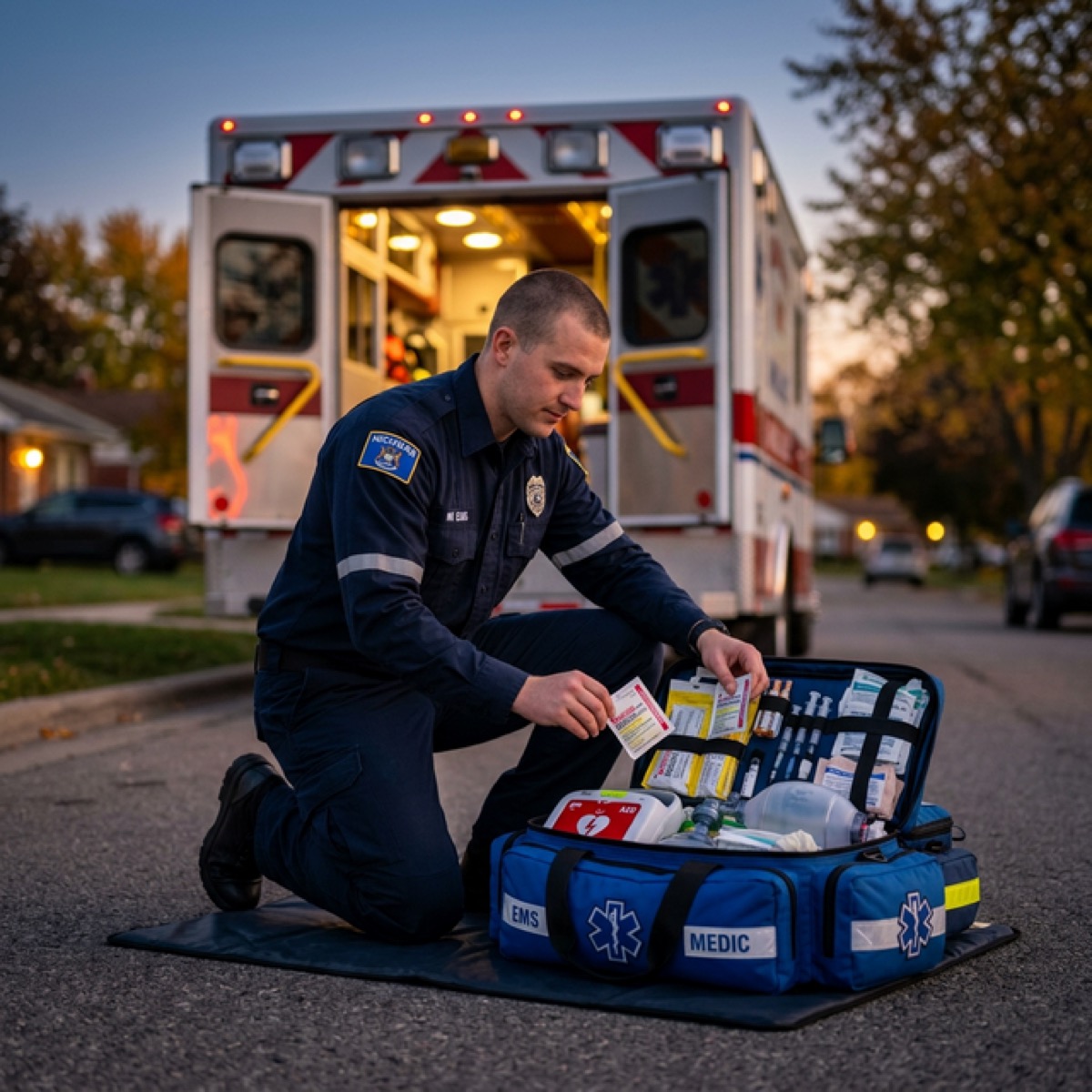
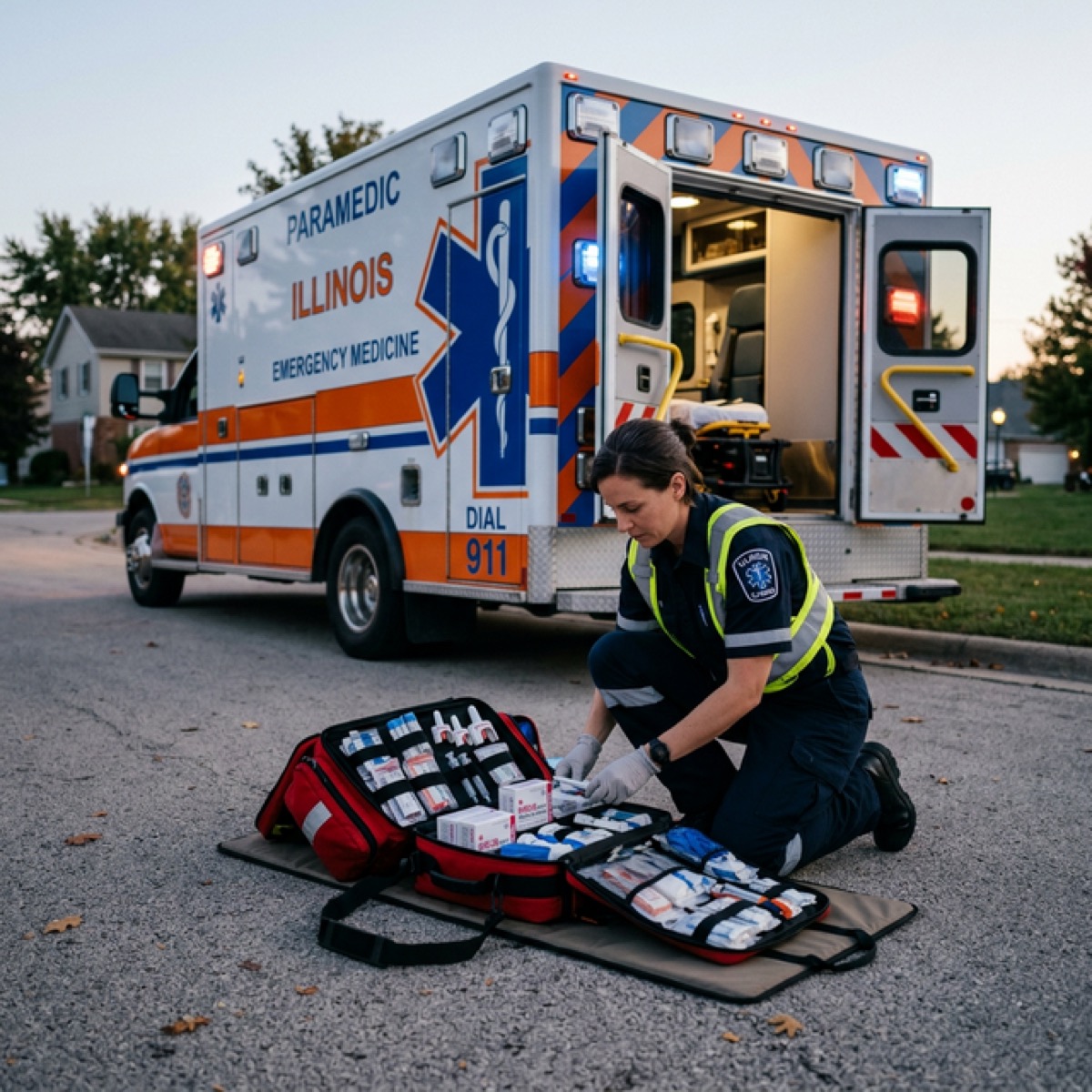
Naloxone (Narcan) nasal spray reverses opioid overdose if administered quickly. Michigan provides naloxone access through pharmacies and harm reduction programs. Overdose education and naloxone availability save lives.
Individuals using opioids and family members should access naloxone and overdose education. Understanding naloxone administration ensures effective overdose reversal. Calling 911 after naloxone ensures emergency medical response.
Naloxone availability and overdose education save lives. Everyone should know overdose signs and naloxone administration.
Treatment After Overdose
Overdose survivors require immediate addiction treatment engagement. Treatment providers should initiate recovery planning during hospitalization. Medication-assisted treatment prevents recurrent overdose.
Comprehensive treatment addressing trauma from overdose experience, psychiatric support, and relapse prevention creates sustainable recovery. Call Trust SoCal at (949) 280-8360 for post-overdose treatment options.
Overdose survivors should immediately engage addiction treatment. MAT prevents recurrent overdose and supports recovery.
Intensive Treatment for Opioid Addiction
Many Michigan residents benefit from intensive residential treatment addressing opioid addiction comprehensively. Intensive treatment provides psychiatric monitoring, medication management, behavioral support, and discharge planning for aftercare integration.
Trust SoCal specializes in opioid addiction treatment with evidence-based protocols addressing medication management, psychiatric stabilization, and behavioral transformation. Our team coordinates with Michigan providers for continued aftercare. Call (949) 280-8360.
Intensive treatment in California saved my life after overdose. Professional care and environmental change enabled lasting recovery from opioid addiction.
— Michigan resident in opioid recovery
Community Resources and Support
Michigan maintains multiple community opioid recovery resources including peer support groups, community coalitions, and recovery housing. These resources provide foundation for sustained recovery following intensive treatment.
Accessing community support strengthens recovery outcomes. Many individuals benefit from combining intensive treatment with ongoing community-based support and peer connection.
Community-based opioid recovery resources complement intensive treatment supporting sustained recovery.

Trust SoCal Editorial Team, Clinical Review Board
Editorial & Clinical Review