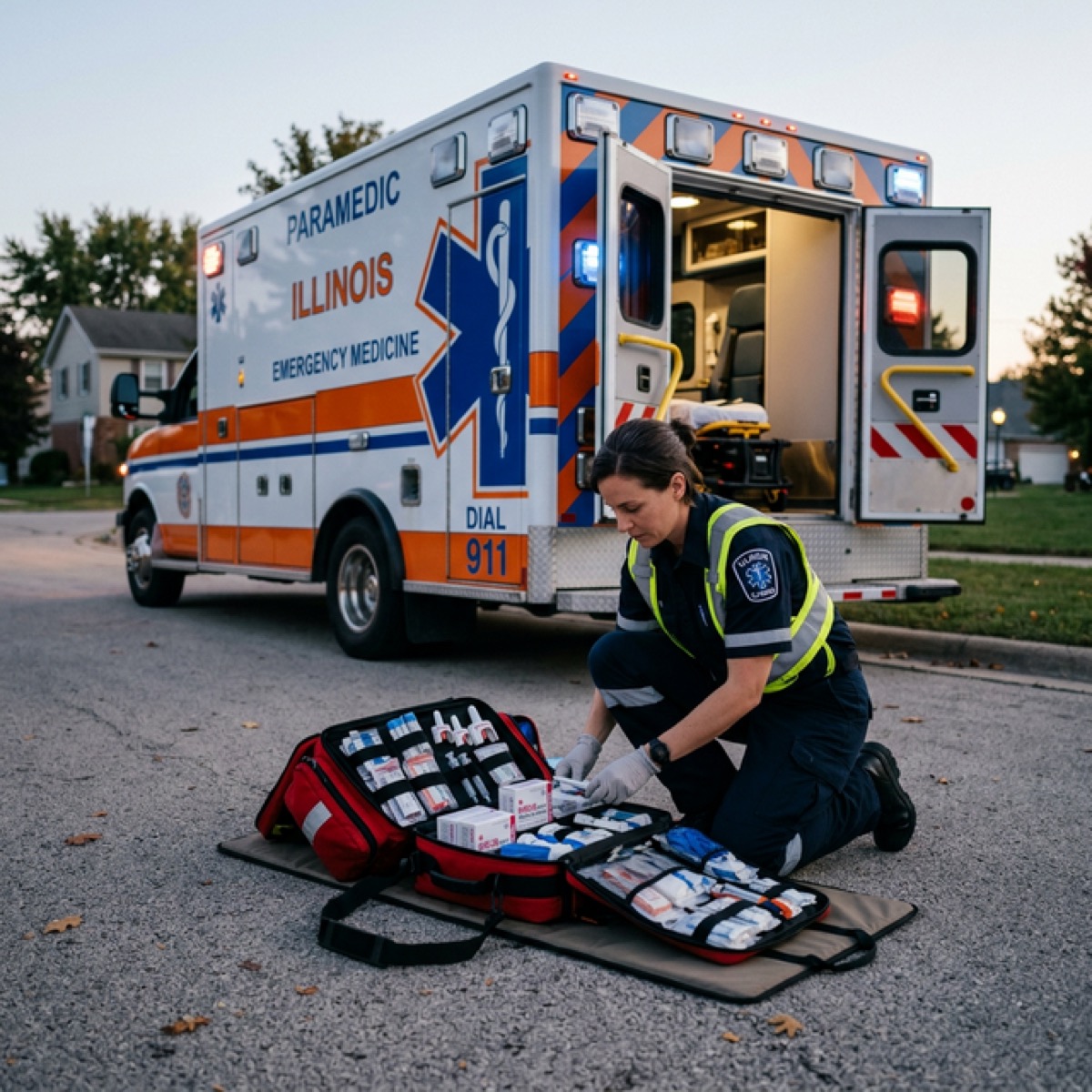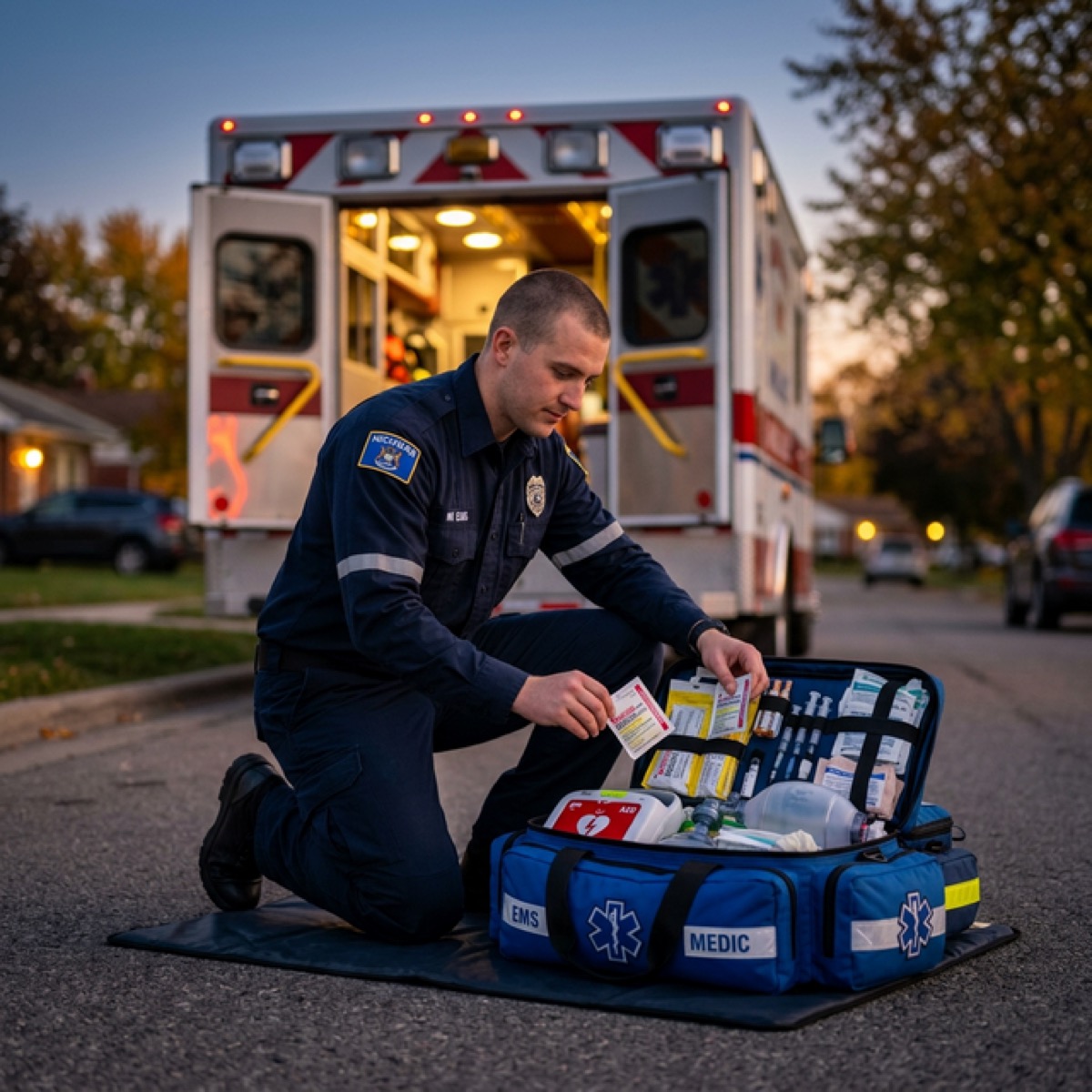
Key Takeaways
- Michigan fentanyl-related deaths increased dramatically over recent years
- Fentanyl contamination makes heroin and cocaine lethal in small amounts
- Naloxone (Narcan) availability and training save lives from opioid overdose
- Overdose does not prevent addiction treatment; it highlights treatment urgency
- Comprehensive opioid addiction treatment prevents fatal overdoses
Michigan Fentanyl Epidemic Overview
Michigan fentanyl-related deaths increased dramatically creating public health emergency. Illicit fentanyl mixed into heroin, cocaine, and counterfeit pills makes these drugs lethal. Detroit and surrounding counties experience highest overdose death rates. Fatal overdoses claim thousands of Michigan residents annually with fentanyl involvement in majority.
Fentanyl's extreme potency combined with unpredictable contamination creates deadly conditions. Users often unaware they are consuming fentanyl. Even experienced users cannot estimate lethal doses. The drug's short duration requires frequent dosing, increasing overdose risk. Recognition of fentanyl threat drives urgent public health response.
Michigan fentanyl epidemic creates deadly public health crisis. Fentanyl contamination makes heroin and cocaine lethal in tiny amounts.
Fentanyl Contamination Across Drug Markets
Illicit fentanyl contaminates heroin, cocaine, counterfeit oxycodone pills, and other street drugs creating overdose risk across substance use. Users intending to purchase one drug often unknowingly receive fentanyl-contaminated product. Street suppliers add fentanyl seeking potency advantage without understanding lethal consequences. Counterfeit pills often contain fentanyl and other dangerous adulterants.
This widespread contamination means even cocaine and methamphetamine users face overdose risk. Overdose prevention education should reach all substance users. Naloxone availability becomes necessary precaution for anyone using street drugs.
Fentanyl contamination extends beyond heroin to cocaine and other drugs creating overdose risk across substance use.
Naloxone Availability and Overdose Response
Naloxone (Narcan) nasal spray reverses opioid overdose if administered quickly. Naloxone blocks opioid receptors instantly reversing overdose symptoms. Overdose reversal provides life-saving intervention converting fatal overdoses to survivable emergencies. Michigan provides naloxone access through pharmacies, harm reduction programs, and community distribution.
Individuals using opioids and families should access naloxone and overdose education. Understanding proper administration ensures effective response. Calling 911 after naloxone ensures emergency medical response. Good Samaritan laws provide legal protection.
Naloxone Administration and Response
Understanding naloxone use and overdose response saves lives. Proper administration ensures survival.
- Obtaining naloxone without prescription through pharmacies
- Training in intranasal naloxone administration
- Recognizing opioid overdose signs
- Administering naloxone nasal spray into nostril
- Calling 911 immediately after administration
Overdose Education and Prevention
Comprehensive overdose prevention education teaches recognition, naloxone administration, and emergency response. Education targets people using opioids, families, first responders, and communities. Effective education reduces stigma enabling life-saving intervention. Many Michigan communities provide free overdose education and naloxone distribution.
Understanding overdose warning signs enables rapid response. Unconsciousness, slow breathing, blue lips, and unresponsiveness indicate overdose. Activating emergency response immediately provides medical intervention. Overdose education should reach all at-risk populations.
Overdose education and naloxone availability save lives. Everyone should know overdose signs and naloxone administration.
Treatment Access After Overdose
Overdose does not prevent addiction treatment; it highlights treatment urgency. Overdose survivors face immediate opportunity for treatment engagement. Hospitals and emergency departments should refer survivors to addiction treatment. Follow-up treatment engagement reduces recurrent overdose risk significantly.
Comprehensive opioid addiction treatment including medication-assisted treatment, behavioral counseling, and recovery support prevents recurrent overdose. Call Trust SoCal at (949) 280-8360 to discuss post-overdose treatment options.
Overdose survivors require immediate addiction treatment engagement. Medication-assisted treatment prevents recurrent overdose.
Why Michigan Residents Travel to California for Recovery
Many Michigan residents surviving overdose benefit from intensive treatment in California addressing overdose trauma, addiction, and co-occurring conditions. Specialized treatment addresses trauma, substance abuse, psychiatric complications, and relapse prevention. Geographic separation combined with intensive treatment creates recovery breakthrough.
Trust SoCal provides specialized treatment for overdose survivors understanding overdose trauma and relapse risk. Our team addresses comprehensive recovery needs. Call (949) 280-8360 to discuss post-overdose treatment options.
Overdose nearly killed me. Intensive treatment in California saved my life and created recovery foundation.
— Michigan resident surviving overdose
Harm Reduction Approaches in Michigan
Harm reduction recognizes that some remain engaged in substance use despite treatment efforts. Harm reduction strategies reduce health and social consequences of continued use including overdose prevention, supervised facilities, and syringe service programs. Michigan supports harm reduction programs including naloxone distribution and drug checking services.
Understanding harm reduction as bridge to treatment rather than barrier enables comprehensive approach. Individuals unable or unwilling to enter treatment immediately benefit from harm reduction reducing overdose death. Harm reduction maintains connection with services providing opportunity for treatment engagement.
Harm Reduction Strategies
Harm reduction approaches reduce overdose deaths. Understanding strategies enables comprehensive response.
- Naloxone distribution and overdose education
- Syringe service programs preventing disease transmission
- Drug checking and fentanyl detection services
- Supervised consumption facilities
- Connection to treatment and recovery support

Trust SoCal Editorial Team, Clinical Review Board
Editorial & Clinical Review