Key Takeaways
- Michigan colleges face significant alcohol and substance abuse among students
- College drinking culture normalizes excessive alcohol use
- Early intervention in college substance abuse prevents long-term addiction
- Campus counseling and peer support help students address abuse
- Intensive treatment benefits students unable to maintain sobriety in college
Substance Abuse on Michigan College Campuses
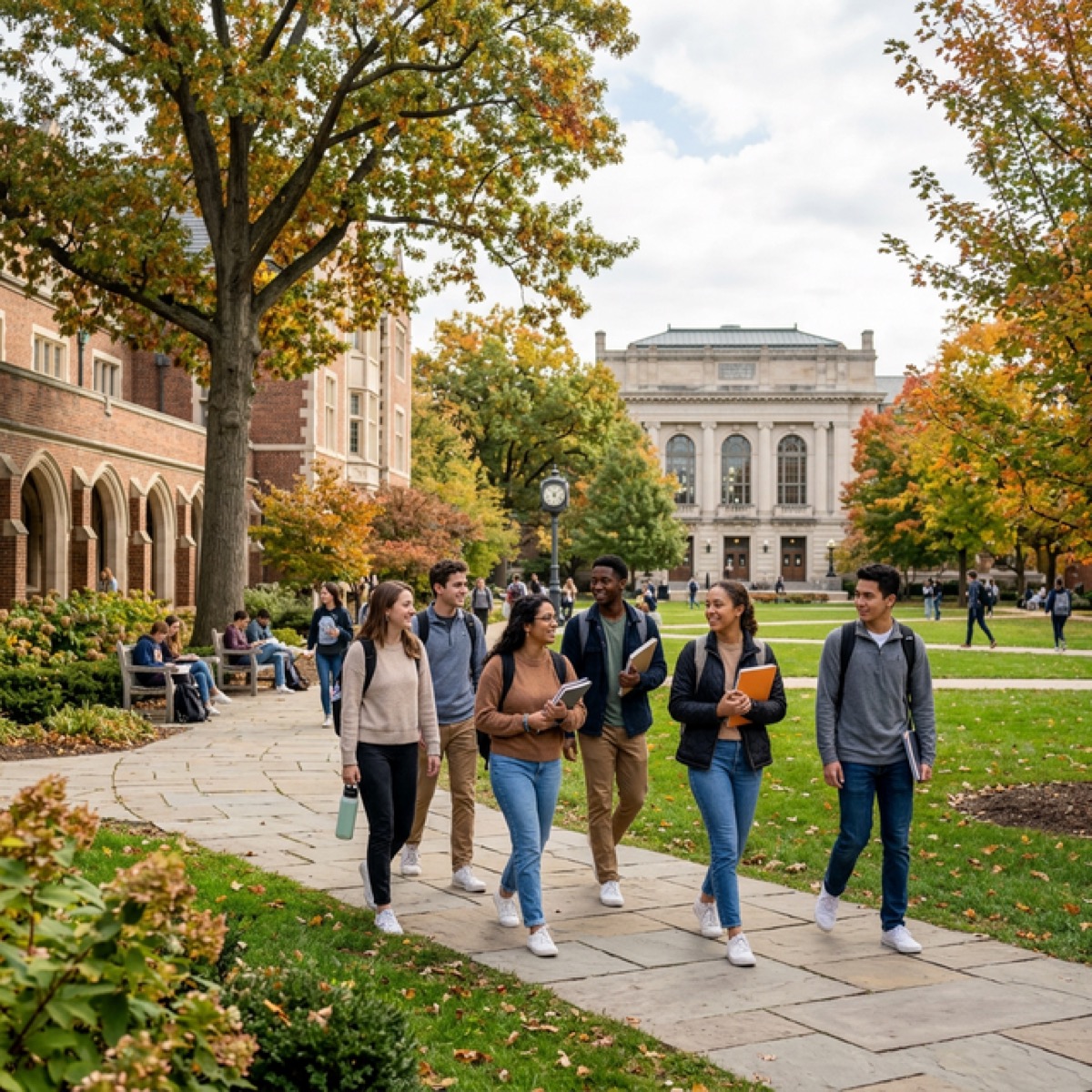
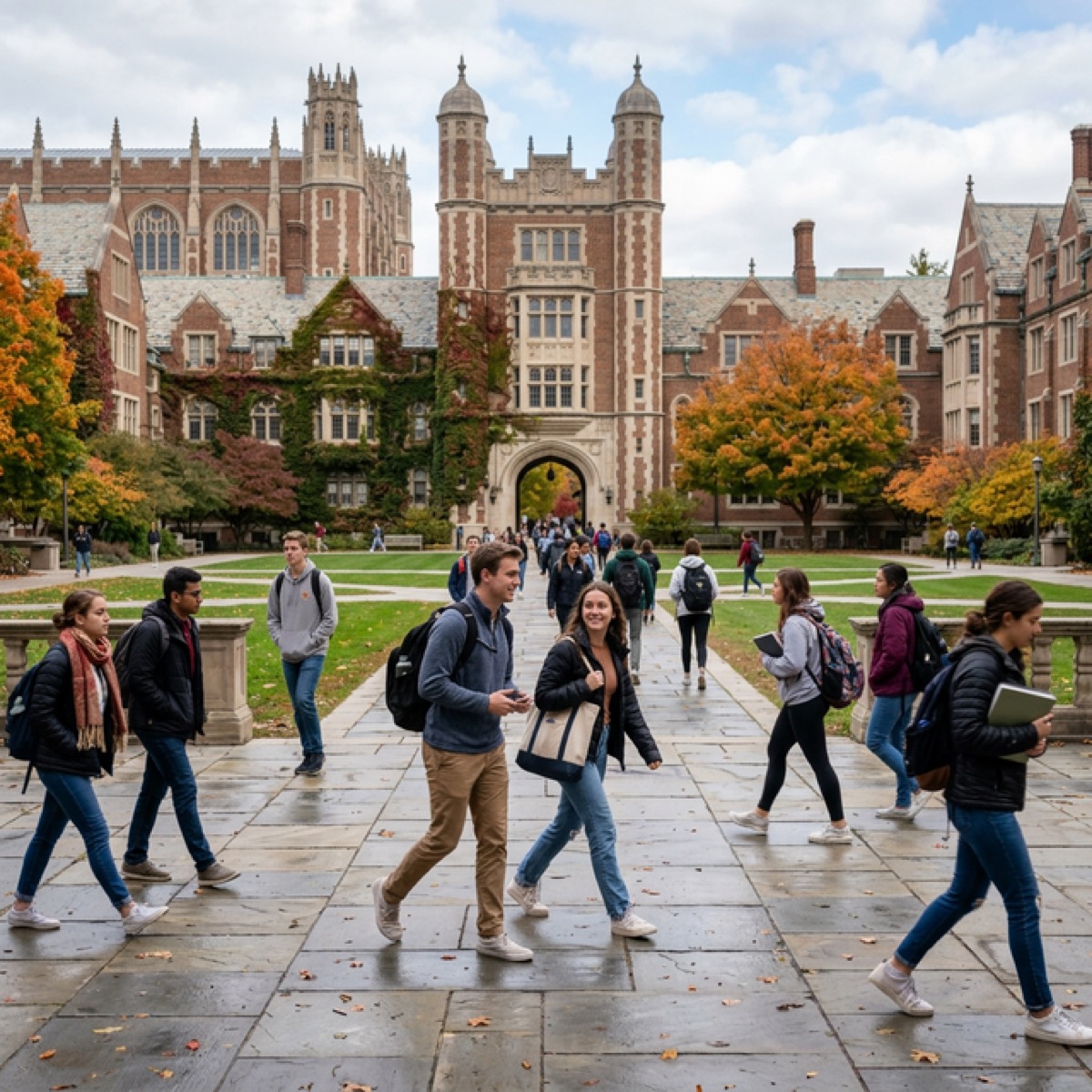
Michigan colleges and universities experience significant alcohol and substance abuse among students. College culture normalizes heavy drinking and recreational drug use. Students at University of Michigan, Michigan State, Western Michigan, and other institutions struggle with alcohol addiction, cocaine use, marijuana, and prescription drug misuse. Early identification and intervention prevent long-term addiction.
College environment creates perfect conditions for substance abuse development through peer influence, financial resources, and reduced supervision. Many students experimenting with substances develop addiction patterns continuing throughout adulthood. Recognition of college substance abuse drives prevention and intervention accessibility.
College substance abuse creates foundation for lifelong addiction. Early intervention and treatment prevent long-term consequences.
College Drinking Culture
Michigan college drinking culture emphasizes social drinking, party attendance, and alcohol-focused socializing. Heavy drinking normalizes, making substance abuse identification difficult. Fraternity and sorority culture traditionally emphasize alcohol and party culture. Campus events often center on alcohol availability.
College students often lack experience recognizing problem drinking. Peer influence drives continued drinking despite consequences. Many continue drinking patterns into adulthood. Educational interventions help students recognize problem drinking.
Recognizing Problem Drinking
Problem drinking in college often goes unrecognized due to culture. Understanding warning signs enables intervention.
- Drinking more frequently or in larger quantities than intended
- Missing classes or academic consequences from drinking
- Blackouts or memory loss during episodes
- Neglecting other activities to drink or recover
- Continued drinking despite relationship or health consequences
Campus Counseling and Support
Michigan college campuses provide counseling services for students struggling with substance abuse. Campus counselors provide assessment, brief intervention, counseling, and referral. Many campuses offer substance abuse prevention and peer support groups.
Understanding campus resources enables help-seeking. Campus counseling maintains confidentiality and provides judgment-free services. Many students benefit from campus counseling combined with peer support. Campus counselors refer to intensive treatment when needed.
Campus counseling services provide confidential assessment and treatment for college substance abuse.
Prescription Drug Misuse in College
Michigan college students misuse prescription opioids, ADHD stimulants, and anxiety medications. Misuse creates addiction risk. Understanding prescription drug risks enables intervention and education.
Students should use prescribed medications only as directed. Campus prescribers should monitor for misuse patterns. Peer education about prescription drug risks prevents misuse.
Prescription drug misuse creates addiction risk for college students. Using medications as directed prevents addiction.
Intensive Treatment for Serious Substance Abuse
College students unable to maintain sobriety in college environment may benefit from intensive treatment. Removing from college setting temporarily enables focused treatment. Intensive treatment provides comprehensive assessment, psychiatric care, addiction treatment, and discharge planning.
Students completing intensive treatment can return to college with strong foundation. Intensive treatment addresses serious abuse preventing addiction derailing education. Trust SoCal treats Michigan college students with specialized programming. Call (949) 280-8360.
Leaving college for intensive treatment saved my academic future. Addressing substance abuse early prevented addiction.
— Michigan college student in recovery
College Reintegration After Treatment
Students completing intensive treatment can return to college with strong recovery foundation. Successful reintegration requires sober housing, ongoing counseling, peer support, and family support. Many colleges provide recovery housing.
Contact campus disability services about accommodations. Building recovery support network strengthens reintegration. Many students successfully return after intensive treatment.
College Reintegration Support
Successful return requires planned support. Understanding planning enables sustained recovery.
- Sober housing or residential recovery community
- Ongoing counseling and mental health services
- Campus-based recovery support groups
- Family involvement and communication
- Academic accommodations supporting recovery

Trust SoCal Editorial Team, Clinical Review Board
Editorial & Clinical Review