Key Takeaways
- Approximately 40% of homeless youth identify as LGBTQ+, primarily due to family rejection, abuse, and aging out of non-affirming foster care systems.
- Homelessness and addiction are mutually reinforcing: homelessness increases substance use risk, and substance use makes escaping homelessness more difficult.
- Survival strategies during homelessness, including sex work and drug dealing, create additional trauma and substance exposure that complicate recovery.
- Housing First approaches, which provide stable housing before or simultaneously with addiction treatment, produce better outcomes than treatment-first models.
- Trust SoCal can help connect LGBTQ+ individuals with housing resources alongside addiction treatment. Call (949) 280-8360.
The Scale of LGBTQ+ Homelessness
LGBTQ+ homelessness is a crisis of staggering proportions that remains largely invisible to the broader public. The Williams Institute at UCLA estimates that LGBTQ+ youth make up approximately 40% of the homeless youth population despite representing only about 7-10% of the overall youth population. This dramatic overrepresentation is driven primarily by family rejection: parents and caregivers who discover their child's LGBTQ+ identity and respond with expulsion, abuse, or withdrawal of financial and emotional support.
Adult LGBTQ+ homelessness is also significant, driven by employment discrimination, housing discrimination, intimate partner violence, mental health crises, and the compounding effects of multiple marginalized identities. Transgender individuals face particularly high rates of homelessness due to severe employment discrimination, lack of affirming shelter options, and the compounding effects of transphobia across multiple life domains. LGBTQ+ seniors face homelessness when they lack the family support systems that often prevent elder homelessness in heterosexual populations.
The COVID-19 pandemic exacerbated LGBTQ+ homelessness as many individuals who were precariously housed lost employment, were trapped with non-affirming family, or lost access to community resources. The economic and social disruptions of the pandemic disproportionately affected marginalized populations, including LGBTQ+ individuals, and the effects continue to ripple through housing instability.
The True Colors United organization reports that LGBTQ+ youth are 120% more likely to experience homelessness than non-LGBTQ+ youth. Family rejection is the leading cause. If you are a parent or caregiver, know that acceptance saves lives.
How Homelessness Drives Addiction
The conditions of homelessness create a perfect storm for substance use initiation and escalation. Exposure to the elements, hunger, sleep deprivation, constant threat of violence, and the psychological weight of hopelessness create an overwhelming need for relief that substances provide. Alcohol provides warmth and dulls the physical discomfort of sleeping outside. Stimulants provide the alertness needed to stay safe when sleeping in dangerous environments. Opioids numb both physical pain and emotional despair. Each substance serves a survival function in the context of homelessness.
The social dynamics of homelessness also promote substance use. Homeless individuals often form communities for mutual protection and social connection, and substance use is frequently embedded in these communities. To belong, to access shared resources, and to participate in the social life of the homeless community may require participating in substance use. Refusing substances can mean isolation, which on the streets can be dangerous.
Survival strategies that homeless LGBTQ+ individuals use, including sex work, drug dealing, and theft, create additional pathways to addiction. Sex work exposes individuals to trauma, violence, and often substance use as a coping mechanism or as a condition of employment. Drug dealing provides income but also constant proximity to substances. These survival strategies create additional layers of trauma and substance exposure that complicate eventual recovery.
The National Alliance to End Homelessness reports that approximately 38% of homeless individuals have alcohol use disorders and 26% have other substance use disorders. Among homeless LGBTQ+ youth, rates are even higher due to compounding stressors.
Pathways from LGBTQ+ Homelessness to Addiction
Multiple mechanisms connect LGBTQ+ homelessness to substance use disorders.
- Self-medication: Using substances to manage the physical and emotional pain of homelessness
- Survival needs: Substances provide warmth, alertness, and pain relief needed for street survival
- Community belonging: Substance use embedded in homeless community social dynamics
- Sex work: Exposure to trauma and substance use as part of survival sex economy
- Drug dealing: Proximity to substances as an income-generating activity
- Victimization: Substance use to cope with violence, sexual assault, and exploitation experienced during homelessness
- Hopelessness: Substances as the only available source of pleasure or relief when the future feels impossible
Barriers to Treatment for Homeless LGBTQ+ Individuals
Homeless LGBTQ+ individuals face extraordinary barriers to accessing addiction treatment. Lack of identification documents, insurance, and a permanent address can make navigating treatment intake processes nearly impossible. Many treatment programs require a stable address for aftercare planning, creating a catch-22 where homelessness prevents treatment entry. Transportation to treatment appointments may be unavailable. The immediate demands of survival, finding food, shelter, and safety, take priority over long-term recovery planning.
Even when treatment is accessible, it may not be safe for LGBTQ+ individuals. Homeless shelters and treatment programs may not be affirming of LGBTQ+ identity. Transgender individuals may be housed according to sex assigned at birth rather than gender identity, creating unsafe and dysphoria-inducing conditions. Staff may not be trained in LGBTQ+ cultural competence. The combination of homelessness and LGBTQ+ identity creates a double barrier that standard treatment programs are often ill-equipped to address.
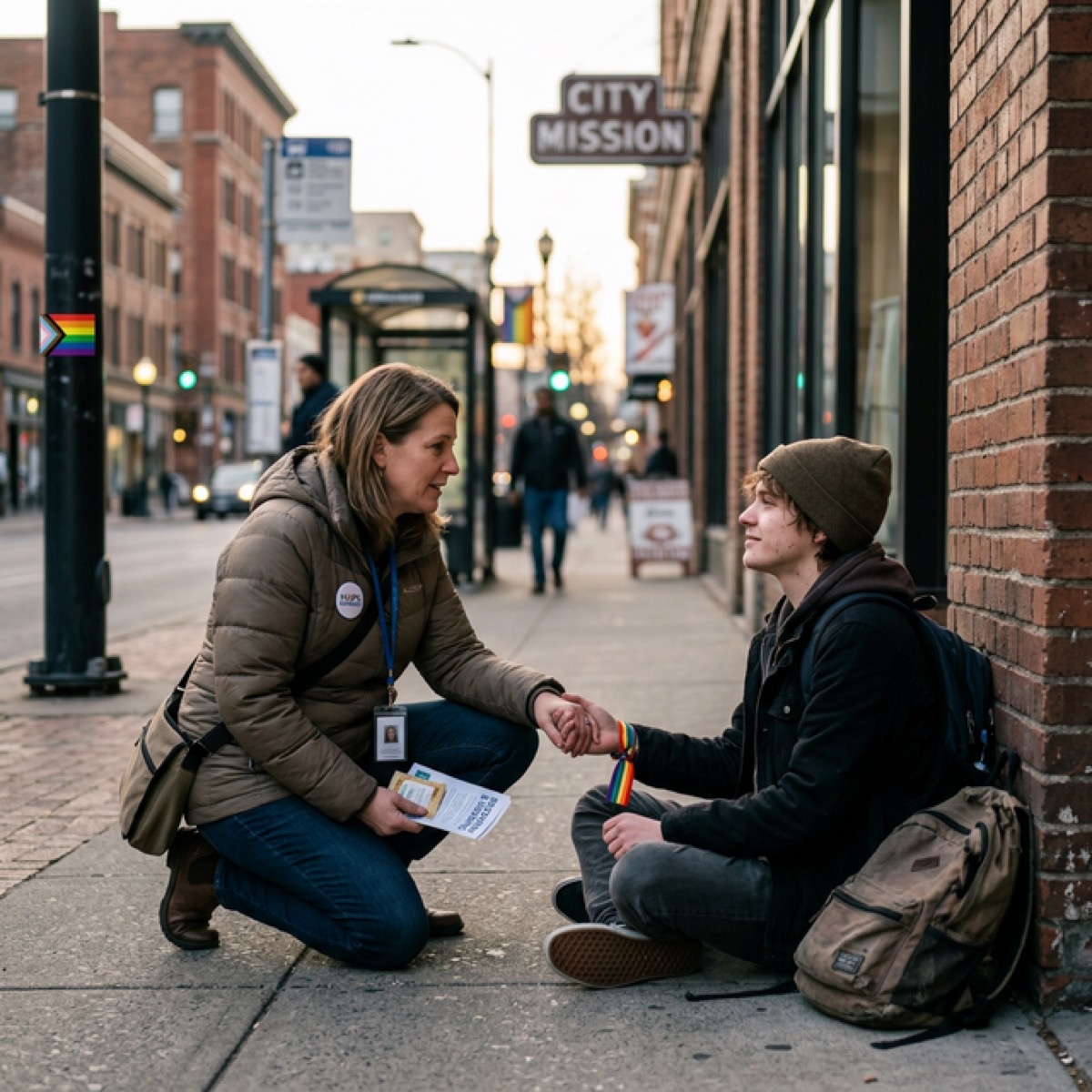
Trust of institutions is often severely damaged for homeless LGBTQ+ individuals. Many have experienced harm from the very systems designed to help them: child welfare, healthcare, shelters, and law enforcement. Rebuilding trust requires patient, consistent, affirming engagement over time. Outreach workers, peer navigators, and drop-in centers that meet people where they are, both literally and figuratively, are often the first point of connection to recovery services.
If you are experiencing homelessness and addiction, call (949) 280-8360. Trust SoCal can help navigate insurance, housing resources, and treatment access. You deserve care regardless of your housing situation.
Housing First: The Evidence-Based Approach
The Housing First model, which provides stable housing as the foundation upon which other services including addiction treatment are built, has strong evidence for effectiveness with homeless populations including LGBTQ+ individuals. Rather than requiring sobriety as a condition of housing (the traditional "treatment first" approach), Housing First provides housing unconditionally and then supports the individual in addressing addiction, mental health, employment, and other needs from a position of stability.
Research consistently shows that Housing First approaches reduce homelessness, reduce substance use, reduce emergency room visits and hospitalizations, and cost less than the alternative of chronic homelessness with its associated emergency services utilization. For LGBTQ+ individuals, affirming Housing First programs that provide LGBTQ+-safe housing environments produce the best outcomes.
The logic of Housing First is straightforward: a person cannot effectively address addiction while simultaneously fighting for survival on the streets. The cognitive resources, emotional bandwidth, and physical health necessary for recovery are unavailable when a person does not know where they will sleep tonight or where their next meal will come from. Stable housing provides the foundation of safety and security from which the challenging work of recovery becomes possible.
Research from the Journal of the American Medical Association found that Housing First programs reduced chronic homelessness by up to 80% and significantly improved substance use and mental health outcomes compared to treatment-first approaches.
Elements of Effective Housing and Recovery Programs for LGBTQ+ Individuals
Programs serving homeless LGBTQ+ individuals in recovery should include these components.
- LGBTQ+-affirming housing that respects gender identity in room assignments and facilities
- Low-barrier entry that does not require sobriety as a condition of housing
- Integrated addiction treatment services available on-site or easily accessible
- Mental health services addressing trauma, depression, anxiety, and identity-related distress
- Case management for navigating benefits, employment, education, and legal issues
- Peer support from other LGBTQ+ individuals who have experienced homelessness and recovery
- Long-term supportive housing options rather than time-limited transitional housing alone
Recovery Is Possible: Stories of Resilience
Despite the enormous challenges, many LGBTQ+ individuals have found pathways from homelessness through addiction to stable, fulfilling lives in recovery. These journeys typically involve a combination of compassionate outreach, access to affirming treatment, stable housing, community connection, and sustained support over time. The resilience of individuals who have survived family rejection, homelessness, addiction, and the myriad traumas associated with these experiences is extraordinary.
Recovery from the intersection of homelessness and addiction is not a linear process. Setbacks are common and expected. Housing may be gained and lost, sobriety may fluctuate, and the effects of trauma may resurface at unexpected moments. What matters is the persistence of connection: the outreach worker who keeps showing up, the treatment program that welcomes the client back after a relapse, the housing program that provides another chance. Recovery happens through relationship and persistence, not through perfection.
If you have experienced homelessness and are struggling with addiction, recovery is possible. It may be a long journey with setbacks, but people who share your experience have found stable housing, lasting sobriety, and meaningful lives. Call (949) 280-8360 to start.
Getting Help
If you or someone you know is experiencing LGBTQ+ homelessness and addiction, several resources can help. The Trevor Project (1-866-488-7386) provides crisis intervention for LGBTQ+ youth. The National Runaway Safeline (1-800-786-2929) helps youth in crisis. Local LGBTQ+ community centers often provide housing referrals and support services. Many cities have LGBTQ+-specific shelters and drop-in centers.
Trust SoCal can help navigate treatment access regardless of housing situation and connect individuals with community resources for housing, employment, and ongoing support. We understand the unique challenges facing LGBTQ+ individuals experiencing homelessness and provide compassionate, affirming care. Call (949) 280-8360.

Trust SoCal Editorial Team, Clinical Review Board
Editorial & Clinical Review