Key Takeaways
- KU Lawrence students have high alcohol and drug use rates compared to national average
- Approximately 70% of KU students report drinking alcohol
- Marijuana and prescription stimulant misuse are common among KU students
- Campus counseling provides support but limited intensive treatment capacity
- Gap year treatment allows intensive recovery before college reintegration
Substance Abuse at University of Kansas
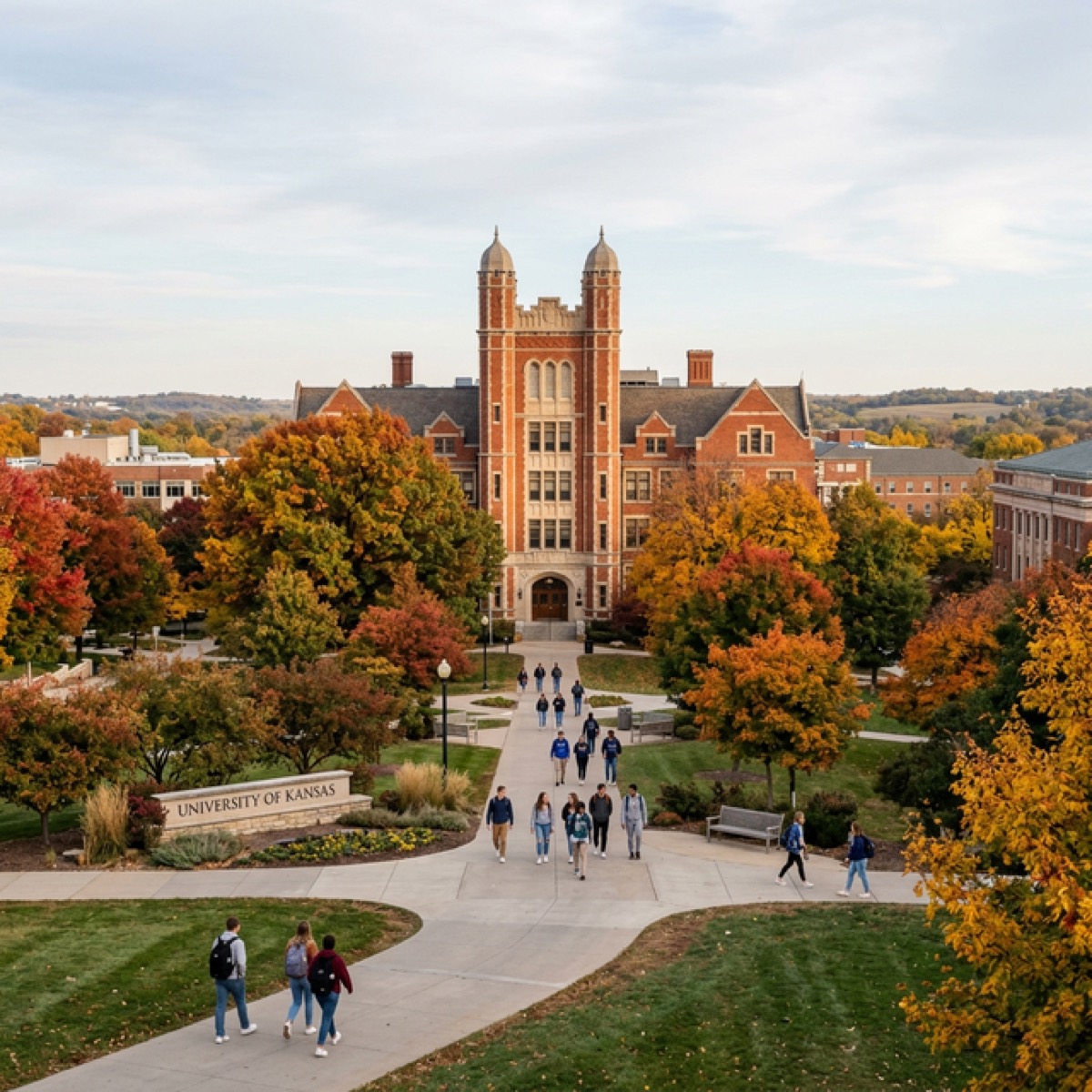
University of Kansas in Lawrence has vibrant party culture with significant student alcohol and drug use. Approximately 70% of KU students report drinking, with 30-40% engaging in binge drinking. Marijuana use is common (20-25% of students use regularly). Prescription stimulant misuse (Adderall, Ritalin) for academic performance and party purposes is prevalent. Emerging opioid use among college students poses increasing overdose risk.
KU's large student population (27,000+), college town environment, and established party reputation create culture normalizing substance abuse. Greek life and residence hall environments particularly associated with heavy use. Social integration at KU often involves substance use, making abstinence challenging for students attempting sobriety.
Approximately 70% of KU students report drinking, with 1,800 college-age students nationally dying from alcohol-related causes annually.
Campus Resources and Limitations
KU provides counseling center services, student wellness programs, and substance abuse education. However, campus counseling has limited appointment availability and cannot provide intensive treatment. KU does not operate residential addiction treatment on campus. Students requiring intensive care must seek private treatment or consider gap year options. Many KU students benefit from gap year treatment before or after college enrollment.
Trust SoCal provides comprehensive gap year treatment for KU students requiring intensive intervention. Call (949) 280-8360 to discuss gap year treatment options.
Available KU Resources
KU provides some student support but limited intensive treatment.
- Counseling and Psychological Services: Therapy and substance abuse counseling
- Student Wellness: Prevention education and information
- Health Services: Medical care for substance-related issues
- Office of Student Conduct: Intervention for policy violations
- Dean of Students: Support for students with behavioral concerns
Gap Year Treatment for KU Students
Many KU students benefit from gap year intensive treatment, allowing recovery before or after college enrollment. Gap year provides geographic distance from college environment, intensive mental health care, and recovery stabilization. Some students take gap year before college, beginning recovery before college begins. Others take gap year after encountering substance abuse issues, addressing emerging addiction before academic standing suffers.
Trust SoCal provides comprehensive gap year treatment including medical detoxification, psychiatric care, behavioral therapy, family involvement, and college reintegration planning. Many students return to KU after treatment with stronger recovery and healthier coping. Call (949) 280-8360 to discuss gap year treatment for KU students.
Gap year treatment allows intensive recovery before/after college experiences, maximizing college success and recovery outcomes.

Trust SoCal Editorial Team, Clinical Review Board
Editorial & Clinical Review