Key Takeaways
- Kratom contains active compounds, primarily mitragynine and 7-hydroxymitragynine, that bind to opioid receptors in the brain and can produce dependence with regular use.
- Despite being sold legally as a supplement in many states, kratom carries genuine addiction potential and withdrawal symptoms that mirror opioid withdrawal.
- Warning signs of kratom addiction include escalating doses, inability to stop despite wanting to, withdrawal symptoms when not using, and neglecting responsibilities.
- Medical detox and structured treatment programs can effectively address kratom dependence using many of the same approaches used for opioid use disorders.
- The lack of FDA regulation means kratom products vary widely in potency and purity, increasing the risk of adverse effects and unpredictable dependence patterns.
What Is Kratom and How Does It Work?
Kratom (Mitragyna speciosa) is a tropical tree native to Southeast Asia whose leaves contain psychoactive compounds that interact with opioid receptors in the brain. The two primary active alkaloids, mitragynine and 7-hydroxymitragynine, produce dose-dependent effects: at low doses, kratom acts as a stimulant, increasing energy and alertness, while at higher doses, it produces sedative and analgesic effects similar to opioid medications.
In the United States, kratom is sold in smoke shops, supplement stores, and online as capsules, powders, extracts, and teas. It is often marketed as a natural alternative for pain management, anxiety relief, or even as an aid for opioid withdrawal. However, these marketing claims are not supported by FDA-approved research, and the agency has issued multiple warnings about kratom's safety profile and addictive potential.
In Orange County and throughout Southern California, kratom use has increased significantly in recent years, particularly among individuals seeking alternatives to prescription opioids or attempting to self-treat opioid withdrawal. At Trust SoCal, our clinical team has observed a growing number of individuals presenting with kratom dependence, often surprised to learn that a product they considered natural and safe has produced a genuine addiction requiring professional treatment.
The FDA has not approved kratom for any medical use. The agency has identified 44 deaths associated with kratom use and has classified it as an opioid. Several states and municipalities have banned kratom sales, though it remains legal in California.
How Kratom Addiction Develops
Kratom addiction develops through the same neurological mechanisms that drive opioid dependence. When 7-hydroxymitragynine binds to mu-opioid receptors in the brain, it triggers dopamine release in the reward pathway, producing feelings of euphoria, pain relief, and well-being. With repeated use, the brain adapts to this artificial stimulation by downregulating its natural opioid production and dopamine sensitivity, leading to tolerance and physical dependence.
Tolerance develops relatively quickly with regular kratom use, often within weeks of daily consumption. Individuals who initially achieved desired effects with 2 to 3 grams may find themselves consuming 15, 20, or even 30 grams daily within months. This escalation pattern is a classic hallmark of addiction and reflects the progressive neuroadaptation occurring in the brain's reward and stress systems.
The transition from regular use to compulsive use often happens gradually. The individual begins using kratom more frequently, increases their dose, begins prioritizing kratom acquisition and use over other activities, and experiences withdrawal symptoms when they miss a dose or attempt to cut back. By the time they recognize the pattern as addiction, physical dependence is firmly established.
Warning Signs of Kratom Addiction
Identifying kratom addiction can be challenging because many users initially view it as a benign herbal supplement rather than a substance with genuine abuse potential. However, the behavioral patterns of kratom addiction closely parallel those of any substance use disorder, and recognizing these signs early is crucial for effective intervention.
Family members and close friends are often the first to notice changes. The individual may become increasingly preoccupied with ensuring their kratom supply, ordering large quantities online, or becoming anxious when their supply runs low. Social activities and responsibilities may take a back seat to kratom use, and the person may become defensive or dismissive when confronted about their consumption patterns.
- Consuming increasingly larger doses to achieve the same effects
- Using kratom multiple times daily on a rigid schedule
- Experiencing withdrawal symptoms such as irritability, muscle aches, nausea, or insomnia when missing a dose
- Failed attempts to reduce or stop kratom use despite wanting to
- Spending significant time and money acquiring kratom products
- Continuing use despite negative effects on health, relationships, or work performance
- Combining kratom with other substances to enhance its effects
- Withdrawal from social activities or hobbies previously enjoyed
Kratom Withdrawal Symptoms and Timeline
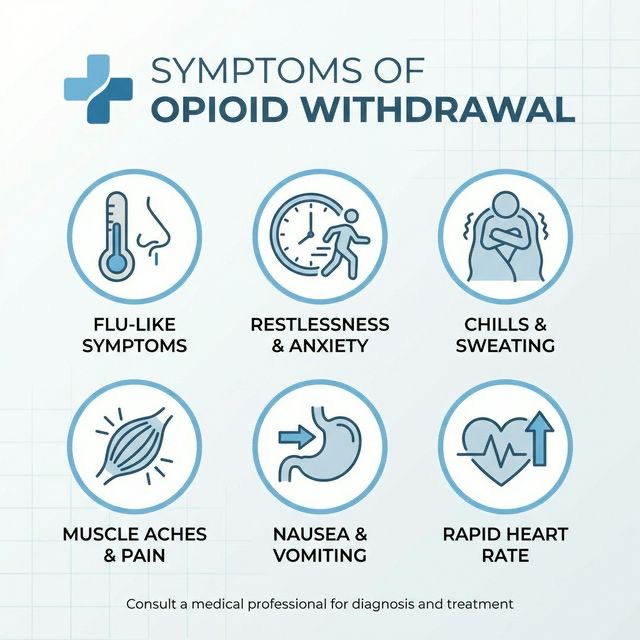
Kratom withdrawal symptoms bear a strong resemblance to opioid withdrawal, though they are generally milder in individuals who have used lower doses. The onset, severity, and duration of withdrawal depend on the amount and frequency of use, the potency of the kratom products consumed, and individual factors such as metabolism and overall health.
Withdrawal symptoms typically begin within 12 to 24 hours of the last dose and may peak between days 2 and 4. The acute withdrawal phase generally lasts 5 to 7 days, though psychological symptoms including mood disturbances, cravings, and sleep difficulties may persist for several weeks. Some heavy, long-term users report more prolonged withdrawal experiences that benefit from medical management.
For individuals who have been using high doses of potent kratom extracts, withdrawal can be quite uncomfortable and may require the same level of medical support used for prescription opioid withdrawal. At Trust SoCal, we provide individualized assessment to determine the appropriate level of medical support for kratom detox, recognizing that withdrawal severity varies significantly between individuals.
- 1Hours 12-24: Onset of anxiety, irritability, muscle aches, and runny nose
- 2Days 1-3: Symptoms intensify to include nausea, sweating, insomnia, and cravings
- 3Days 3-5: Peak symptoms including GI distress, fatigue, emotional instability, and persistent insomnia
- 4Days 5-7: Gradual improvement in physical symptoms, though psychological symptoms persist
- 5Weeks 2-4: Continued improvement with intermittent cravings, mood fluctuations, and sleep disturbances
Individuals who use kratom to self-manage opioid withdrawal should not abruptly stop without medical guidance. Kratom cessation can trigger the return of original opioid withdrawal symptoms in addition to kratom-specific withdrawal.
Treatment Options for Kratom Dependence
Treatment for kratom addiction follows many of the same evidence-based principles used for opioid use disorders. Because kratom acts on opioid receptors, the medical and therapeutic approaches developed for opioid addiction are directly applicable to kratom dependence, though the specific treatment intensity may vary based on the severity of the individual's use pattern.
Medical detox may involve a supervised taper, gradually reducing kratom doses over several days to minimize withdrawal severity, or a transition to buprenorphine for individuals with more severe dependence. Adjunctive medications including clonidine for autonomic symptoms, sleep aids, and anti-nausea medications can significantly improve comfort during the withdrawal process.
Following detox, ongoing treatment through residential or outpatient programming addresses the behavioral and psychological dimensions of kratom addiction. Cognitive behavioral therapy helps individuals identify the triggers and thought patterns that drive compulsive use, while motivational interviewing strengthens internal recovery motivation. At Trust SoCal, our treatment team works with each client to develop a personalized recovery plan that addresses the full scope of their addiction and any co-occurring concerns. Contact us at (949) 280-8360 for a free, confidential assessment.
Why Kratom Is Not a Safe Alternative to Opioids
One of the most persistent myths about kratom is that it represents a safe, natural alternative to prescription opioids for pain management or addiction treatment. While kratom does interact with opioid receptors and can provide temporary pain relief, it carries its own significant risks that undermine any potential benefit as a harm reduction tool.
The lack of FDA regulation means that kratom products sold commercially have no standardized dosing, potency, or purity requirements. Independent laboratory testing has found significant variability in alkaloid content between products and even between batches from the same manufacturer. Contamination with heavy metals, salmonella, and other adulterants has been documented in multiple recalls. Some products have been found to contain undisclosed synthetic opioids.
From a clinical perspective, substituting one opioid-receptor-activating substance for another without medical supervision does not constitute treatment. Effective addiction treatment addresses the neurological, psychological, and social dimensions of the disorder, not merely the choice of substance. At Trust SoCal, we help individuals who have become dependent on kratom transition to evidence-based care that supports genuine, sustainable recovery.
If you started using kratom to manage opioid cravings or chronic pain, professional treatment can address both the kratom dependence and the underlying conditions that led to its use. Trust SoCal offers dual-diagnosis treatment for co-occurring pain conditions and substance use disorders.

Courtney Rolle, CMHC
Clinical Mental Health Counselor