Key Takeaways
- Start by handling practical matters like work leave, childcare, bill payments, and pet care so you can focus fully on recovery.
- Pack comfortable clothing, personal hygiene items, medications in original bottles, and a valid ID. Leave valuables at home.
- Inform a trusted circle of family or friends about your treatment plans so they can provide support and handle any emergencies.
- Approach treatment with an open mind and willingness to engage. The clients who get the most out of rehab are those who participate fully.
Why Preparation Matters for Treatment Success
The decision to enter residential addiction treatment is a courageous step, and taking time to prepare for residential treatment properly can significantly improve your experience and outcomes. When practical matters are handled before you arrive, you can focus your full attention on the therapeutic work of recovery instead of worrying about unfinished business at home. Preparation also helps reduce the anxiety that naturally accompanies a major life transition.
Many people rush into treatment during a crisis moment, which is understandable and sometimes necessary. But if you have even a few days to plan, using that time wisely can make a meaningful difference. This guide walks through the practical, logistical, and emotional steps of preparing for residential treatment at a facility like Trust SoCal in Orange County, so you can walk through the door feeling as ready as possible.
Remember that perfection is not the goal. You do not need to have every detail of your life sorted out before entering rehab. The most important thing is showing up. Everything else can be managed with the help of your treatment team, your support network, and the resources available to you.
Handling Work, School, and Financial Obligations
One of the biggest practical concerns about entering residential treatment is managing time away from work or school. If you are employed, research your options under the Family and Medical Leave Act, which provides eligible employees with up to twelve weeks of unpaid, job-protected leave for medical treatment including substance abuse rehabilitation. You do not need to disclose the specific nature of your treatment to your employer beyond what is necessary for leave approval.
If you are a student, contact your school's dean of students or academic advisor to discuss a medical leave of absence. Most institutions have processes in place that allow students to step away for treatment without academic penalty. Getting these arrangements in place before you enter treatment eliminates a source of stress and ensures your position is protected.
Financial and Legal Preparation
Before entering treatment, set up automatic payments for rent, utilities, and other essential bills so they continue to be paid during your absence. If you have upcoming legal obligations such as court dates, contact your attorney to inform them of your treatment plans. Courts often view voluntary participation in treatment favorably and may grant continuances.
Gather important documents including your insurance card, a valid photo ID, and any legal paperwork that may be relevant. Provide a trusted family member or friend with access to handle any financial emergencies that arise during your stay. Taking care of these details in advance prevents them from becoming distractions during treatment.
What to Pack for Residential Treatment
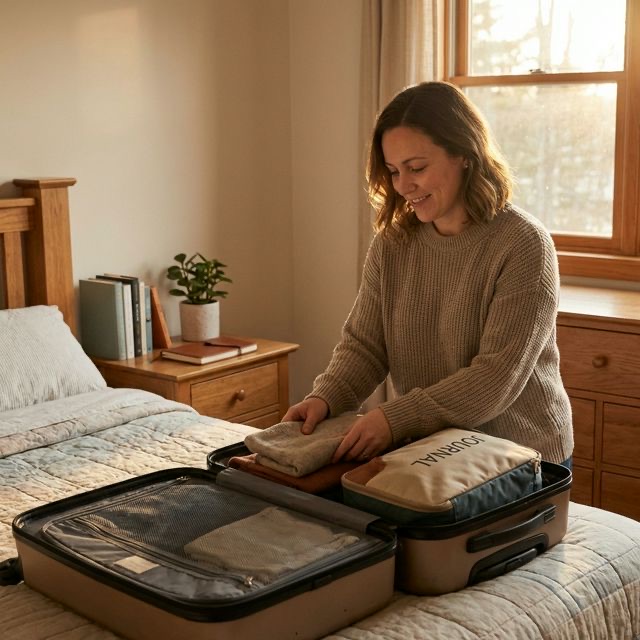
Packing for rehab is simpler than most people expect. Treatment centers provide most of what you need, so the goal is to bring items that keep you comfortable without overloading. Most facilities have restrictions on what is allowed, so always check with your admissions coordinator before packing.
- One week's worth of comfortable, casual clothing appropriate for indoor and outdoor activities
- Personal hygiene items including toothbrush, shampoo, deodorant, and any necessary skincare products
- All current medications in their original prescription bottles with pharmacy labels
- Valid photo identification and insurance card
- A small amount of cash for vending machines or incidentals (usually under $50)
- A journal or notebook and pens for therapeutic writing exercises
- Comfortable sleepwear and a robe or slippers
- Athletic shoes and workout clothing if the facility includes fitness programming
- Photos of loved ones or small personal comfort items
- A list of important phone numbers in case your phone is held during treatment
Do not bring weapons, drugs, alcohol, or drug paraphernalia of any kind. Most facilities also prohibit outside food, supplements, over-the-counter medications (these will be provided by medical staff), provocative clothing, and valuable jewelry. Check with your specific facility for their complete prohibited items list.
Arranging Childcare, Pet Care, and Home Responsibilities
If you have children, arranging reliable childcare is one of the most important steps in preparing for treatment. Identify a trusted family member, friend, or caregiver who can take over daily parenting responsibilities during your absence. Have a clear conversation with them about routines, school schedules, medical needs, and emergency contacts. If necessary, consult with a family law attorney about temporary custody arrangements.
Pet care should also be arranged in advance. Ask a friend, family member, or professional pet sitter to care for your animals during treatment. Provide detailed instructions about feeding schedules, medications, veterinary contacts, and any special needs. Knowing that your pets are well cared for eliminates a significant source of worry.
Other home responsibilities to address include mail collection, plant watering, property security, and informing your landlord if applicable. Creating a checklist and delegating tasks ensures that nothing falls through the cracks while you are focused on your recovery.
Preparing Emotionally for Treatment
Emotional preparation is just as important as logistical planning. It is completely normal to feel anxious, scared, uncertain, or even ambivalent about entering treatment. These feelings do not mean you are not ready or that treatment will not work. They are a natural response to a significant life change and the prospect of confronting difficult emotions without the numbing effect of substances.
One of the most helpful things you can do is write down your reasons for seeking treatment. What do you hope to gain? What has addiction cost you? What would your life look like in recovery? Having these motivations articulated on paper gives you something to return to when doubt creeps in during the early days of treatment. Share these reasons with a trusted person who can remind you of them if you waver.
Talking to Loved Ones About Your Decision
Telling family and close friends about your decision to enter treatment can be emotional for everyone involved. Choose a calm, private setting and be direct about your plans. You do not need to go into extensive detail about your substance use history; simply letting people know that you are getting help and asking for their support is sufficient. Most loved ones will respond with relief and encouragement.
If you have children, speak to them at an age-appropriate level. Young children need reassurance that they are loved and that you will be coming back. Older children and teenagers may have questions and feelings of their own that deserve acknowledgment. Your treatment center's family therapist can provide guidance on how to navigate these conversations before and during treatment.
What to Expect on Your First Day
Knowing what the first day looks like can significantly reduce arrival anxiety. When you arrive at Trust SoCal or another residential facility in Orange County, you will be welcomed by the admissions team who will guide you through the intake process. This includes completing paperwork, undergoing a medical assessment, meeting with a clinician for an initial evaluation, and receiving an orientation to the facility.
Your belongings will be checked for prohibited items, and certain possessions like phones and electronics may be held during the initial phase of treatment. You will be shown to your room, introduced to staff and peers, and given the daily schedule. The first day is focused on getting you settled and comfortable, so do not expect to dive into intense therapy right away.
The most important thing to bring on your first day is willingness. You do not need to have all the answers or a perfect plan for recovery. You just need to show up, be honest, and allow the clinical team to guide you through the process. Everything else will unfold in its own time.
I spent weeks overthinking what to pack and what to say. But when I finally walked through the door, I realized the only thing I really needed was the willingness to try.
— Trust SoCal Alumni
A Pre-Treatment Checklist
Use this comprehensive checklist to ensure you have covered the essential preparations before entering residential treatment. While not every item will apply to everyone, reviewing each category helps you identify any loose ends that need attention.
- 1Research and confirm your insurance coverage for residential treatment, including pre-authorization requirements.
- 2Notify your employer and initiate FMLA leave or other applicable leave, or arrange coverage for your work responsibilities.
- 3Arrange childcare, pet care, and designate a trusted person to handle emergencies.
- 4Set up automatic bill payments or delegate financial management to a trusted individual.
- 5Pack according to the facility's guidelines and confirmed packing list.
- 6Gather medications, insurance cards, identification, and essential documents.
- 7Write down your personal motivations for seeking treatment.
- 8Inform your inner circle and confirm their availability for support.
- 9Address any pending legal obligations with your attorney.
- 10Arrive at the facility on time with an open mind and willingness to engage in the process.

Madeline Villarreal, Counselor
Counselor