Key Takeaways
- Children of addicted parents often develop hypervigilance, people-pleasing, and difficulty trusting others.
- The effects of parental addiction can persist well into adulthood, influencing relationships and mental health.
- Adult children of alcoholics (ACOAs) have an elevated risk for developing their own substance use disorders.
- Therapy modalities including trauma-focused CBT, EMDR, and group therapy offer effective healing pathways.
- Healing is possible at any age, and treatment programs in Southern California provide specialized support.
The Hidden Toll of Parental Addiction
Growing up with an addicted parent means growing up in an environment of unpredictability and emotional chaos. Children in these homes learn early to read moods, manage conflict, and suppress their own needs. While these survival skills may help in childhood, they often create significant challenges in adulthood that affect every area of life.
An estimated 8.7 million children in the United States live with at least one parent who has a substance use disorder. These children experience higher rates of abuse, neglect, and household instability. Many carry invisible wounds that go unrecognized for years because the focus is always on the parent with the addiction.
Understanding these long-term effects is not about assigning blame. It is about recognizing patterns that may be holding you back and taking steps toward healing. Whether you grew up in Orange County or elsewhere, the path forward begins with awareness and the courage to seek support.
The National Association for Children of Addiction reports that one in four children in America grows up in a home where substance abuse is present. These children are the most underserved population in the country.
Common Childhood Experiences
Children in homes affected by addiction often experience a reversal of roles. They may become caretakers for their parents or younger siblings, taking on responsibilities far beyond their developmental capacity. This parentification robs children of their childhood and creates a deep-seated sense that they must earn love through performance and self-sacrifice.
Inconsistency is a hallmark of these homes. A parent may be loving and attentive one day and emotionally unavailable or frightening the next. Children learn that the world is unpredictable and that they must stay alert at all times. This chronic hypervigilance takes a significant toll on developing nervous systems.
Secrecy and shame are also pervasive. Children are often explicitly or implicitly told not to discuss what happens at home. This enforced silence isolates them from peers and trusted adults who might otherwise offer support. The message internalized is that their family, and by extension they themselves, are fundamentally flawed.
Family Roles Children Adopt
Researchers have identified several roles that children in addicted families commonly adopt. The Hero overachieves to bring positive attention to the family. The Scapegoat acts out to divert attention from the addiction. The Lost Child withdraws and tries to become invisible. The Mascot uses humor to diffuse tension. Each role is a survival strategy with its own set of long-term consequences.
These roles are not chosen consciously. They develop as adaptive responses to an environment that demands coping mechanisms beyond what children should need. Understanding which role you played can provide valuable insight into the patterns that continue to shape your adult life.
Long-Term Effects on Adult Relationships
Adults who grew up with addicted parents often struggle with intimacy, trust, and vulnerability. Having learned that the people closest to them were unreliable, they may avoid deep connections or choose partners who replicate familiar dysfunction. These patterns are not conscious choices but deeply ingrained relational templates.
Difficulty identifying and expressing emotions is another common challenge. In homes where emotional expression was unsafe or ignored, children learn to suppress feelings. As adults, they may appear stoic, struggle to communicate needs, or have explosive emotional reactions that seem disproportionate to the situation.
People-pleasing and codependency frequently develop as well. Having spent their childhood trying to manage a parent's mood and behavior, adult children of addicts often continue this pattern in friendships, romantic relationships, and the workplace. They may have difficulty saying no, setting boundaries, or prioritizing their own well-being.
We did not cause our parents' addiction. We cannot cure it. But we can choose to break the cycle by doing the healing work our parents could not do for us.
— Common ACOA reflection
Mental Health and Substance Use Risks
Adult children of alcoholics and addicts face elevated risks for a range of mental health conditions including depression, anxiety, post-traumatic stress disorder, and substance use disorders. The combination of genetic predisposition and environmental trauma creates a particularly high-risk profile.
Research indicates that children of addicted parents are two to four times more likely to develop their own addiction. This increased risk involves both genetic factors and learned behavioral patterns. Growing up watching substance use modeled as a coping mechanism normalizes it in ways that are difficult to counteract without intentional intervention.
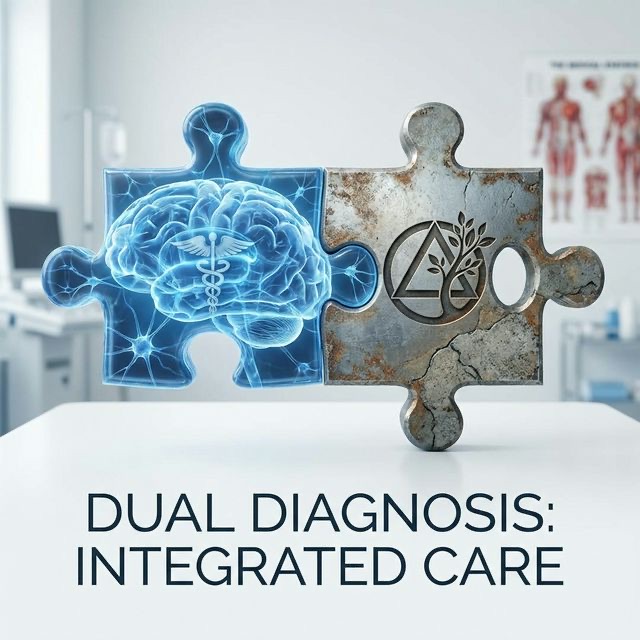
Dual diagnosis, where substance use disorder co-occurs with a mental health condition, is especially common in this population. Effective treatment must address both issues simultaneously. Treatment centers in Southern California, including Trust SoCal, offer integrated dual-diagnosis programs that recognize this connection.
Breaking the Intergenerational Cycle
The most powerful motivation for many adult children of addicts is the desire not to repeat the pattern with their own children. Breaking the intergenerational cycle of addiction requires deliberate effort including therapy, education, and often treatment for any substance use issues that have already developed.
Parenting classes and support groups specifically for ACOAs can provide practical tools for raising children differently. Understanding your own triggers, attachment patterns, and emotional responses helps you respond to your children from a place of awareness rather than automatic reaction.
Pathways to Healing
Healing from the effects of growing up with an addicted parent is a journey that looks different for everyone. There is no single right approach, but several evidence-based modalities have shown strong results for this population. The most important step is the decision to begin.
Individual therapy provides a safe space to process childhood experiences, identify maladaptive patterns, and develop healthier coping strategies. Modalities like cognitive behavioral therapy, trauma-focused CBT, and EMDR (Eye Movement Desensitization and Reprocessing) are particularly effective for addressing the trauma that often underlies adult difficulties.
Support Groups and Community
Adult Children of Alcoholics and Dysfunctional Families (ACA) is a twelve-step program specifically for adults who grew up in addicted or otherwise dysfunctional homes. Meetings are available throughout Orange County and provide a community of people who understand the unique challenges you face. The shared experience of these groups can be profoundly healing.
Online communities and forums have expanded access to support for those who are not ready for in-person meetings or who live in areas with limited resources. Many ACOAs find that hearing other people articulate experiences they thought were unique to them is the beginning of genuine healing.
Professional Treatment Options
For those who have developed their own substance use issues, professional treatment is essential. Trust SoCal in Fountain Valley offers programs that address both the addiction and the underlying trauma of growing up in a dysfunctional home. Therapists who specialize in ACOAs understand the unique dynamics at play.
Family therapy can be beneficial even in adulthood, whether that involves the family of origin, a current partner and children, or both. Addressing long-standing family patterns in a therapeutic setting prevents them from continuing to dictate relationships and choices.
Self-Compassion as a Foundation for Recovery
Many ACOAs carry a harsh inner critic that developed in response to an unpredictable childhood environment. Self-compassion, the practice of treating yourself with the same kindness you would offer a friend, is a foundational skill for healing. It is not self-indulgence; it is a necessary counterbalance to years of internalized shame and self-blame.
Mindfulness practices can support the development of self-compassion. By learning to observe thoughts and feelings without judgment, you can begin to separate your present reality from your childhood programming. Many recovery programs in Southern California incorporate mindfulness as a core therapeutic tool.
Healing does not mean forgetting or excusing what happened. It means processing the pain, understanding its impact, and choosing to build a life that is not defined by someone else's addiction. This is possible at any age and at any stage of life, and support is available when you are ready.
Start a daily practice of writing down three things you appreciate about yourself. Over time, this simple exercise can begin to counteract the negative self-talk that many ACOAs carry from childhood.
Resources for Adult Children of Addicted Parents
If this article resonates with you, know that you are not alone and that help is accessible. Orange County and the broader Southern California region offer extensive resources for adult children of addicts, from twelve-step groups to trauma-specialized therapists to integrated treatment programs.
Taking the first step can feel overwhelming, especially if you have spent your entire life putting others first. But reaching out for help is one of the bravest and most important things you can do, not only for yourself but for every relationship in your life. Your healing matters, and it is never too late to begin.
- Adult Children of Alcoholics and Dysfunctional Families (ACA) meetings in Orange County
- Al-Anon and Nar-Anon family groups
- SAMHSA National Helpline: 1-800-662-4357
- Trust SoCal family therapy programs in Fountain Valley
- Trauma-informed therapists listed through Psychology Today or your insurance provider
Courtney Rolle, CMHC
Clinical Mental Health Counselor