Key Takeaways
- Faith-based rehab and evidence-based treatment are not mutually exclusive; the most effective programs integrate both spiritual and clinical approaches.
- Research shows that individuals with a strong sense of spirituality or religiosity have better addiction treatment outcomes and lower relapse rates.
- The 12-step model is inherently spiritual, with its emphasis on a Higher Power, moral inventory, and service to others, but it is adaptable to all faith traditions.
- Trust SoCal integrates spiritual wellness into treatment through meditation, mindfulness, pastoral counseling, and purpose-driven therapeutic activities.
- California offers a diverse landscape of faith-based rehab options, from strictly religious programs to spiritually inclusive treatment centers.
- Finding meaning and purpose in recovery is a critical protective factor against relapse, regardless of whether that meaning comes from organized religion or personal spirituality.
What Is Faith-Based Rehab in California?
Faith-based rehab in California encompasses a broad spectrum of treatment programs that incorporate spiritual or religious elements into addiction recovery. These programs range from strictly religious facilities operated by churches or religious organizations to clinically sophisticated treatment centers that integrate spiritual wellness as one component of a comprehensive, evidence-based approach.
The common thread across all faith-based rehab programs is the recognition that addiction affects the whole person, including their spiritual life. Many people who struggle with addiction describe a profound sense of spiritual emptiness, a loss of meaning, disconnection from their values, and a feeling that their life lacks purpose. Faith-based treatment addresses these spiritual wounds alongside the physical, psychological, and social dimensions of addiction.
In California, the diversity of available faith-based rehab options reflects the state's cultural and religious diversity. Whether you identify as Christian, Jewish, Muslim, Buddhist, Hindu, or simply spiritual but not religious, there are programs designed to support your recovery journey through the lens of your personal belief system.
A study published in the Journal of Behavioral Medicine found that higher levels of religiosity and spirituality were associated with better substance abuse treatment outcomes, including longer periods of abstinence and greater treatment engagement.
Faith-Based Rehab vs. Evidence-Based Treatment: Finding the Balance
One of the most important distinctions in faith-based rehab is the relationship between spiritual practices and clinical evidence. Some programs rely exclusively on prayer, scripture study, and spiritual counseling without incorporating evidence-based therapeutic modalities. While these programs may be meaningful for some individuals, the most effective faith-based rehab in California combines spiritual growth with proven clinical approaches.
Evidence-based therapies such as cognitive-behavioral therapy, motivational interviewing, trauma-focused therapy, and medication-assisted treatment have decades of research supporting their effectiveness. When these modalities are combined with spiritual practices like meditation, prayer, pastoral counseling, and service work, clients receive a comprehensive treatment experience that addresses every dimension of their being.
At Trust SoCal, we believe that spiritual wellness and clinical excellence are not competing priorities. Our treatment philosophy integrates both, recognizing that each client comes to treatment with their own beliefs, values, and spiritual needs. We never impose a specific religious belief on any client; instead, we create space for each individual to explore and strengthen their own spiritual connection as part of their recovery.
The 12-Step Spiritual Foundation
The 12-step model, pioneered by Alcoholics Anonymous in the 1930s, is arguably the most well-known spiritual approach to addiction recovery. Its emphasis on acknowledging powerlessness over addiction, surrendering to a Higher Power, conducting a moral inventory, making amends, and serving others has helped millions of people achieve and maintain sobriety.
A common misconception about 12-step programs is that they require adherence to a specific religion. In reality, the concept of a "Higher Power" in 12-step philosophy is intentionally broad and personal. For some, the Higher Power is the God of their religious tradition. For others, it may be the collective wisdom of the recovery community, the natural world, or a personal understanding of universal principles. The key element is the willingness to recognize a power greater than one's own willpower and to cultivate humility in the recovery process.
Faith-based rehab in California often builds upon the 12-step spiritual foundation while expanding it to include additional spiritual practices. Programs may incorporate faith-specific study groups, worship services, spiritual direction, and community service opportunities that deepen the spiritual dimensions of recovery beyond what traditional 12-step meetings provide.
The spiritual life is not a theory. We have to live it. The spiritual principles of honesty, open-mindedness, and willingness are the foundation upon which recovery is built.
— Adapted from the Big Book of Alcoholics Anonymous
Mindfulness, Meditation, and Spiritual Practice in Recovery
Beyond traditional religious practices, many faith-based rehab programs in California incorporate mindfulness and meditation as core spiritual disciplines. These practices, drawn from both Eastern contemplative traditions and Western clinical psychology, have a robust evidence base supporting their effectiveness in addiction treatment.
Mindfulness-Based Relapse Prevention (MBRP) is a structured program that teaches clients to observe cravings and difficult emotions without reacting to them. By developing the ability to sit with discomfort rather than immediately seeking relief through substances, clients build the inner resilience that sustains long-term recovery. Meditation practices help calm the nervous system, reduce stress hormones, and strengthen the neural pathways associated with self-regulation.
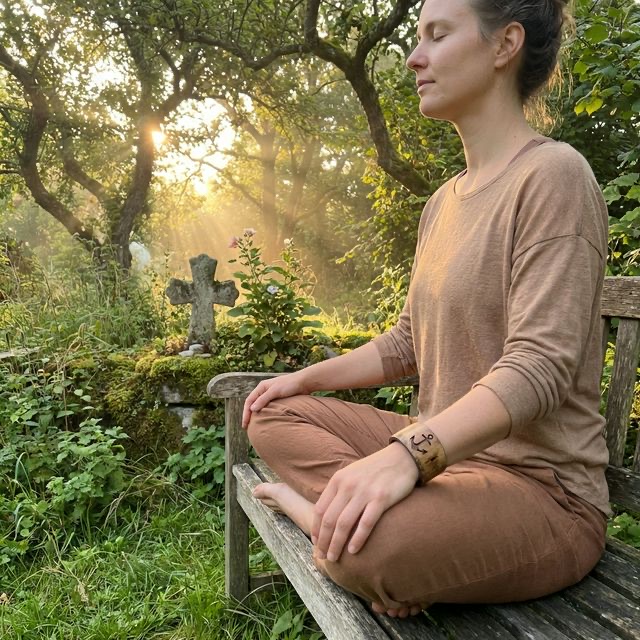
At Trust SoCal, mindfulness and meditation are woven into the daily treatment schedule. Clients begin each morning with guided meditation, learn breathing techniques for managing anxiety and cravings, and practice body scan exercises that rebuild the mind-body connection often severed by addiction. These practices complement both clinical therapy and spiritual growth, creating multiple pathways to healing.
Finding Purpose and Meaning in Recovery
Viktor Frankl, the psychiatrist and Holocaust survivor, observed that human beings can endure almost any suffering if they can find meaning in it. This insight is profoundly relevant to addiction recovery. When people lose their sense of purpose, the emptiness that follows often becomes fertile ground for substance abuse. Conversely, when recovery is anchored to a renewed sense of purpose, the motivation to maintain sobriety becomes intrinsic rather than externally imposed.
Faith-based rehab in California helps clients discover or reconnect with their sense of purpose through spiritual exploration, values clarification exercises, and service to others. Many clients report that their addiction began when they drifted away from their values and that recovery feels most authentic when it includes a return to what matters most to them, whether that is their faith, their family, their community, or their calling.
Trust SoCal's clinical team helps each client articulate their personal values and build a recovery plan that aligns with those values. For some clients, this involves reconnecting with their religious community. For others, it means finding purpose through volunteer work, creative expression, or helping others in recovery. The specific path matters less than the commitment to living a meaningful, purposeful life.
Journaling about your core values and what gives your life meaning is a powerful recovery practice. Many clients find that revisiting these reflections during moments of temptation strengthens their resolve to maintain sobriety.
How Trust SoCal Integrates Spiritual Wellness
Trust SoCal's treatment approach in Fountain Valley, California, integrates spiritual wellness as one pillar of our comprehensive treatment model. We recognize that each client's spiritual needs are unique, and we provide a variety of options for exploring and strengthening the spiritual dimension of recovery.
Our spiritual wellness programming includes daily guided meditation and mindfulness practice, yoga and breathwork sessions, 12-step and alternative recovery meetings, pastoral counseling available upon request, values clarification and purpose-driven therapy, and community service opportunities. We respect clients of all faith backgrounds and those who identify as secular or agnostic. The goal is not to convert anyone to a particular belief system but to help each person access the spiritual resources that support their unique recovery journey.
If you are seeking faith-based rehab in California that does not sacrifice clinical rigor for spiritual practice, Trust SoCal offers a balanced, inclusive approach. Our evidence-based therapies are delivered alongside spiritual wellness opportunities, ensuring that every dimension of your being receives the care and attention it deserves.

Rachel Handa, Clinical Director
Clinical Director & Therapist