

Key Takeaways
- Fort Lauderdale offers a wide range of rehab options including medical detox, residential treatment, PHP, IOP, and intensive outpatient programs across Broward County.
- Florida Medicaid covers substance abuse treatment for qualifying residents, and most private insurance plans are required to provide parity coverage for addiction treatment.
- AHCA (Agency for Health Care Administration) licenses all treatment facilities in Florida, and verification of licensure is essential before enrollment.
- Broward County has over 200 licensed treatment providers, but wait times can be significant during peak demand periods.
- Some Fort Lauderdale residents choose California treatment centers like Trust SoCal for specialized programs, geographic distance from triggers, and access to dual-diagnosis expertise.
Understanding Addiction in Fort Lauderdale and Broward County
Fort Lauderdale, the second-largest city in Florida with over 180,000 residents, sits at the heart of Broward County's thriving coastal economy. The city's year-round warm climate, beautiful beaches, and vibrant nightlife attract millions of visitors annually, creating both opportunities and challenges for substance abuse recovery. Broward County's total population exceeds 1.6 million, making it one of Florida's most populous and economically diverse regions.
The opioid epidemic has hit South Florida particularly hard. According to the Florida Medical Examiners Commission, Broward County consistently records some of the highest opioid-related overdose deaths in the state, with fentanyl being the leading cause. Beyond opioids, methamphetamine use, cocaine addiction, and polysubstance abuse are prevalent throughout the region. The combination of economic prosperity, tourism-driven demand, and geographic proximity to Caribbean drug trafficking routes has created a perfect storm for addiction.
Fort Lauderdale's economy is built on hospitality, real estate, and professional services, which means addiction affects people across all socioeconomic levels—from affluent professionals to service workers. The stigma surrounding addiction can be particularly pronounced in affluent communities, causing many to suffer silently rather than seek help. Understanding the local landscape is the first step toward finding appropriate treatment.
Broward County reported over 2,400 suspected opioid deaths in 2024, with fentanyl involved in 75% of those cases. This crisis-level situation demands accessible, evidence-based treatment options.
Types of Rehab Programs Available in Fort Lauderdale
Fort Lauderdale and surrounding Broward County offer the full continuum of addiction treatment care, from emergency medical detoxification through long-term aftercare and sober living. The city's medical infrastructure is among the best in the state, with major hospital systems offering behavioral health services. Understanding each level of care is essential to selecting the right program for your needs.
Major health systems including Broward Health, Holy Cross Hospital, and Lifecare Hospitals all provide behavioral health and addiction treatment services. The region also has numerous private treatment centers offering specialized programs for executive professionals, LGBTQ individuals, and those with co-occurring mental health conditions. Florida's regulatory framework through AHCA ensures that licensed facilities meet minimum standards for safety, staffing, and clinical protocols.
Medical Detoxification Programs
Medical detoxification is the critical first step for individuals physically dependent on opioids, alcohol, benzodiazepines, or other substances. Fort Lauderdale has several hospital-based and standalone detox facilities offering 24/7 medical supervision, psychiatric evaluation, and medication-assisted treatment (MAT) options. The detox process typically lasts 3 to 10 days, though the duration depends on the substance and individual factors.
- Hospital-based detox at Broward Health and Holy Cross provides acute medical management
- Medication-assisted treatment using buprenorphine, methadone, or naltrexone for opioid dependence
- 24/7 nursing care and vital sign monitoring during withdrawal
- Psychiatric stabilization for co-occurring mental health conditions
- Immediate transition planning to residential or outpatient treatment
Residential and Inpatient Treatment
Residential treatment programs in Fort Lauderdale range from 28 to 90 days and provide a structured, immersive environment for recovery. Programs are scattered throughout Broward County, with higher concentrations in central Fort Lauderdale and in areas like Lauderdale-by-the-Sea and Coral Springs. Many upscale residential centers cater to professionals seeking privacy and specialized programming.
- Individual and group therapy daily using evidence-based modalities (CBT, DBT, motivational interviewing)
- Family therapy and visitation to strengthen support systems
- Holistic therapies including yoga, meditation, art therapy, and equine therapy
- Dual-diagnosis treatment for co-occurring mental health and substance use disorders
- Discharge planning with step-down referrals to PHP, IOP, or sober living arrangements
Partial Hospitalization and Intensive Outpatient Programs
PHP (Partial Hospitalization Programs) provide 6+ hours of daily treatment without overnight stay, while IOP (Intensive Outpatient Programs) offer 3-5 hours per day, typically 3-5 days per week. Both allow individuals to maintain employment or family obligations while receiving structured clinical care. Fort Lauderdale's downtown corridor and beachside areas host multiple PHP and IOP clinics.
- PHP appropriate for step-down from residential or high-risk individuals needing intensive structure
- IOP works well for relapse prevention and maintenance of long-term recovery
- Evening and weekend sessions available for working professionals
- Individual therapy, group sessions, and psychiatric management included
- Many programs accept insurance and offer flexible scheduling
Paying for Rehab in Fort Lauderdale: Insurance and Coverage Options
Cost should never be a barrier to treatment. Fort Lauderdale and Broward County have multiple pathways to fund rehab, including private insurance, Florida Medicaid, commercial programs, and sliding-scale options. The Mental Health Parity and Addiction Equity Act requires most insurance plans to cover substance abuse treatment at the same level as other medical care.
Florida Medicaid (also called Medicaid) covers the full continuum of addiction treatment, including medical detox, residential care, outpatient therapy, and medication-assisted treatment. Eligibility is based on income, household size, and citizenship status. The Substance Abuse and Mental Health Services Administration (SAMHSA) helpline (1-800-662-4357) can connect you with Medicaid-funded treatment in Broward County regardless of ability to pay.
Those with private insurance should call their insurer immediately to understand coverage details, including prior authorization requirements, network providers, and any limits on covered days. Many Fort Lauderdale treatment centers employ insurance specialists who can verify benefits and estimate out-of-pocket costs within minutes.
Before choosing a rehab program, always verify coverage with your insurance company. Ask specifically about substance use disorder benefits, mental health parity, prior authorization requirements, and any exclusions for dual-diagnosis treatment or specialized modalities.
AHCA Licensing and Verifying Treatment Facilities
The Florida Agency for Health Care Administration (AHCA) is responsible for licensing and regulating all substance abuse treatment facilities in the state. This includes residential facilities, outpatient clinics, detox centers, and certain sober living homes. AHCA licensing ensures facilities meet minimum standards for safety, clinical competency, patient rights, and financial accountability.
Before enrolling in any treatment program, verify that the facility holds a current AHCA license by searching the online facility database or contacting AHCA directly. Additionally, look for accreditation from The Joint Commission (TJC) or the Commission on Accreditation of Rehabilitation Facilities (CARF), which signify adherence to rigorous national standards beyond state minimums.
The explosive growth of Florida's treatment industry has unfortunately attracted unscrupulous operators. Patient brokering schemes, unlicensed sober homes, and fraudulent insurance billing are documented problems in South Florida. Protecting yourself means doing due diligence: verify licensure, check staff credentials, ask for outcome data, and be cautious of any facility offering financial incentives to enroll.
Be extremely cautious of any treatment facility offering free housing, gift cards, cash incentives, or other financial benefits to enroll. This practice, known as "patient brokering," is illegal under Florida law (Fla. Stat. 455.061) and indicates the facility prioritizes insurance revenue over patient care quality.
Geographic Variations and Treatment Availability Across Broward County
Broward County spans over 1,200 square miles, from Fort Lauderdale's dense urban core to sprawling suburbs like Plantation, Coral Springs, and Weston. Treatment facilities are distributed across this geography, and where you live will influence access to care. The Fort Lauderdale beachfront and downtown areas host the highest concentration of rehab facilities, while outlying communities sometimes require longer travel times.
The I-95 corridor running north-south through Broward County provides primary access to centralized treatment facilities. Those living in western Broward County (Coral Springs, Plantation, Weston) may find facilities east of the airport more accessible. Those in central Fort Lauderdale can walk to several outpatient clinics. Understanding your location will help identify the most convenient program options.
Downtown Fort Lauderdale and Beachside Treatment Centers
Downtown Fort Lauderdale along Las Olas Boulevard and the beachside areas of Fort Lauderdale Beach, Lauderdale-by-the-Sea, and Deerfield Beach have the highest concentration of treatment facilities. These areas offer luxury residential options, boutique outpatient clinics, and specialized programs for professionals and affluent individuals seeking discreet, high-quality care.
- Multiple residential treatment centers within 5 miles of the beach
- Upscale PHP and IOP programs catering to business professionals
- Private psychiatric practices offering dual-diagnosis treatment
- Excellent access to public transportation and taxi services
Western Broward County (Coral Springs, Plantation, Weston)
Western Broward County is more residential and suburban, with lower treatment facility density than central Fort Lauderdale. However, the area is not underserved—several facilities have opened in recent years in Coral Springs and Plantation to serve this growing population. Residents can access central Fort Lauderdale facilities easily via the I-95 or Sawgrass Expressway.
- Emerging treatment centers in Coral Springs and Plantation
- Strong community health centers offering outpatient addiction services
- Telehealth options expanding access for suburban residents
Why Some Fort Lauderdale Residents Choose California Treatment Centers
Despite Fort Lauderdale's robust treatment infrastructure, a growing number of South Florida residents choose to seek addiction treatment in Southern California, particularly in Orange County. This decision is not a reflection on local programs' quality, but rather a strategic choice based on several clinical and personal factors. Addiction specialists have long recognized that geographic distance from one's home environment can be therapeutic, especially in early recovery.
For many individuals, the combination of Fort Lauderdale's social connections, familiar environments, and easy access to substances makes early recovery more challenging. The temptation to contact old friends, return to familiar bars or clubs, or encounter previous dealers is significantly reduced when hundreds of miles separate the individual from their home city. This geographic separation is called "geographical therapy" in recovery circles, and it works.
Southern California, and specifically Orange County, hosts one of the highest concentrations of licensed, accredited addiction treatment facilities in the United States. The region's strong recovery community, year-round mild climate, and proximity to the Pacific coast create an ideal environment for healing. Trust SoCal, located at 16537 Elm Cir, Fountain Valley, CA 92708, specializes in treating clients from across the country, including many from South Florida. The center's comprehensive dual-diagnosis approach and executive programming have made it a popular choice for Fort Lauderdale professionals. For more information about Trust SoCal's programs, call (949) 280-8360.
Travel from Fort Lauderdale to Southern California is straightforward. Fort Lauderdale-Hollywood International Airport (FLL) offers multiple daily flights to Santa Ana's John Wayne Airport (SNA) or Los Angeles International (LAX), with flight times under 5 hours. Many California treatment centers, including Trust SoCal, assist with travel logistics and offer airport pickup for new clients.
Trust SoCal in Fountain Valley, CA is approximately 4 hours by car from Los Angeles International Airport or 30 minutes from Santa Ana's John Wayne Airport. Many Fort Lauderdale residents find that the geographic separation and immersive environment of California treatment significantly increases their early recovery success.
Taking Your First Step: Starting Recovery in Fort Lauderdale
The first step toward recovery is reaching out for help. If you or a loved one is struggling with addiction in Fort Lauderdale or Broward County, begin by contacting a treatment provider for a clinical assessment. This assessment will evaluate the severity of addiction, presence of co-occurring mental health conditions, medical history, and social support system to determine the appropriate level of care.
You can start by calling your insurance company to understand benefits, contacting the Florida Medicaid program to determine eligibility, or calling a treatment center directly for a confidential consultation. If you're interested in exploring specialized out-of-state options in Southern California, Trust SoCal offers free assessments and rapid insurance verification. Call (949) 280-8360 to speak with an admissions counselor.
Recovery happens every day in Fort Lauderdale and throughout South Florida. Whether you choose a local program or decide that a fresh start in California is right for you, the most important decision is the one to seek help. Do not let fear, stigma, or logistical concerns prevent you from getting the treatment you deserve.
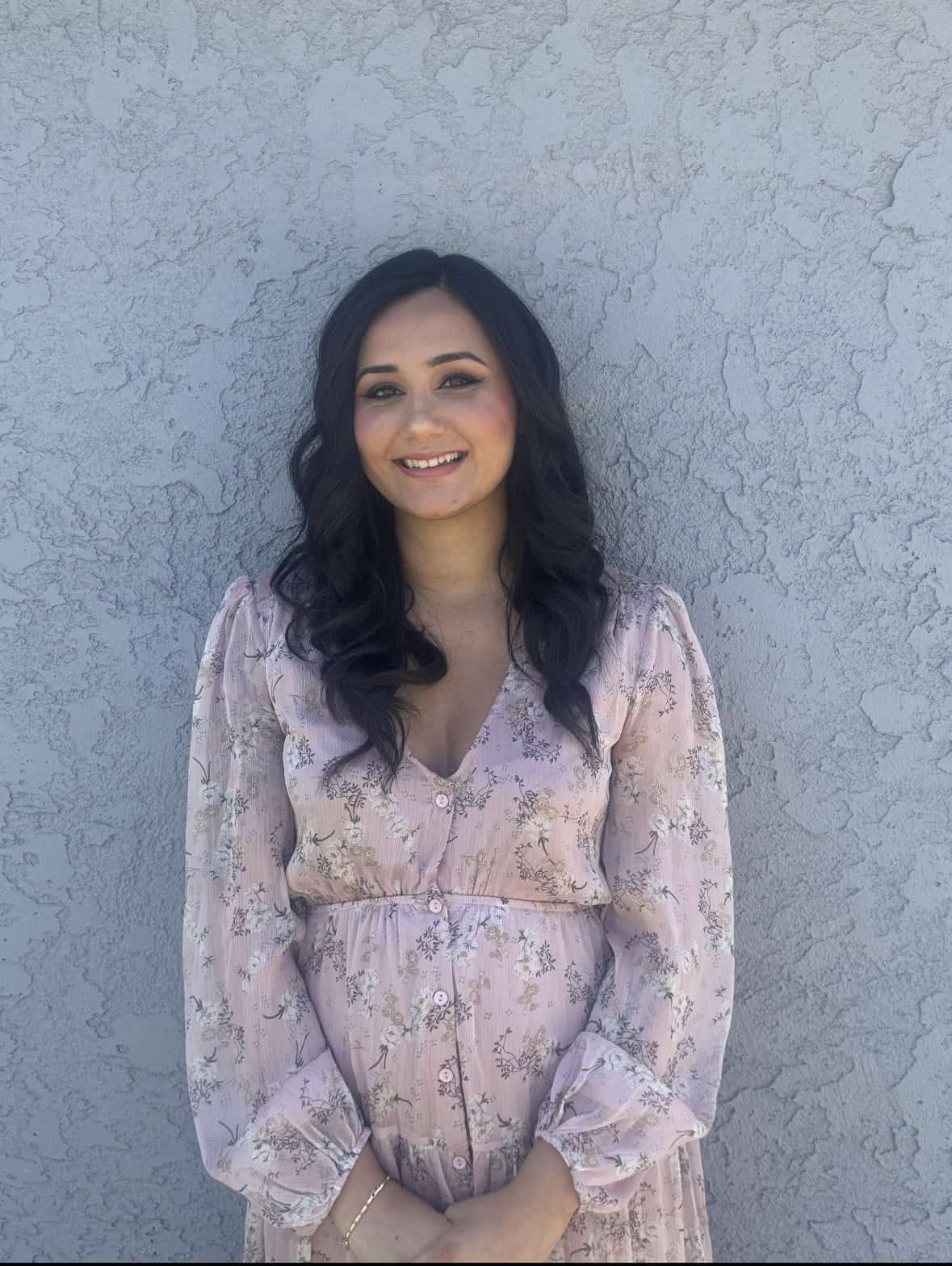
Rachel Handa, Clinical Director
Clinical Director & Therapist
