Key Takeaways
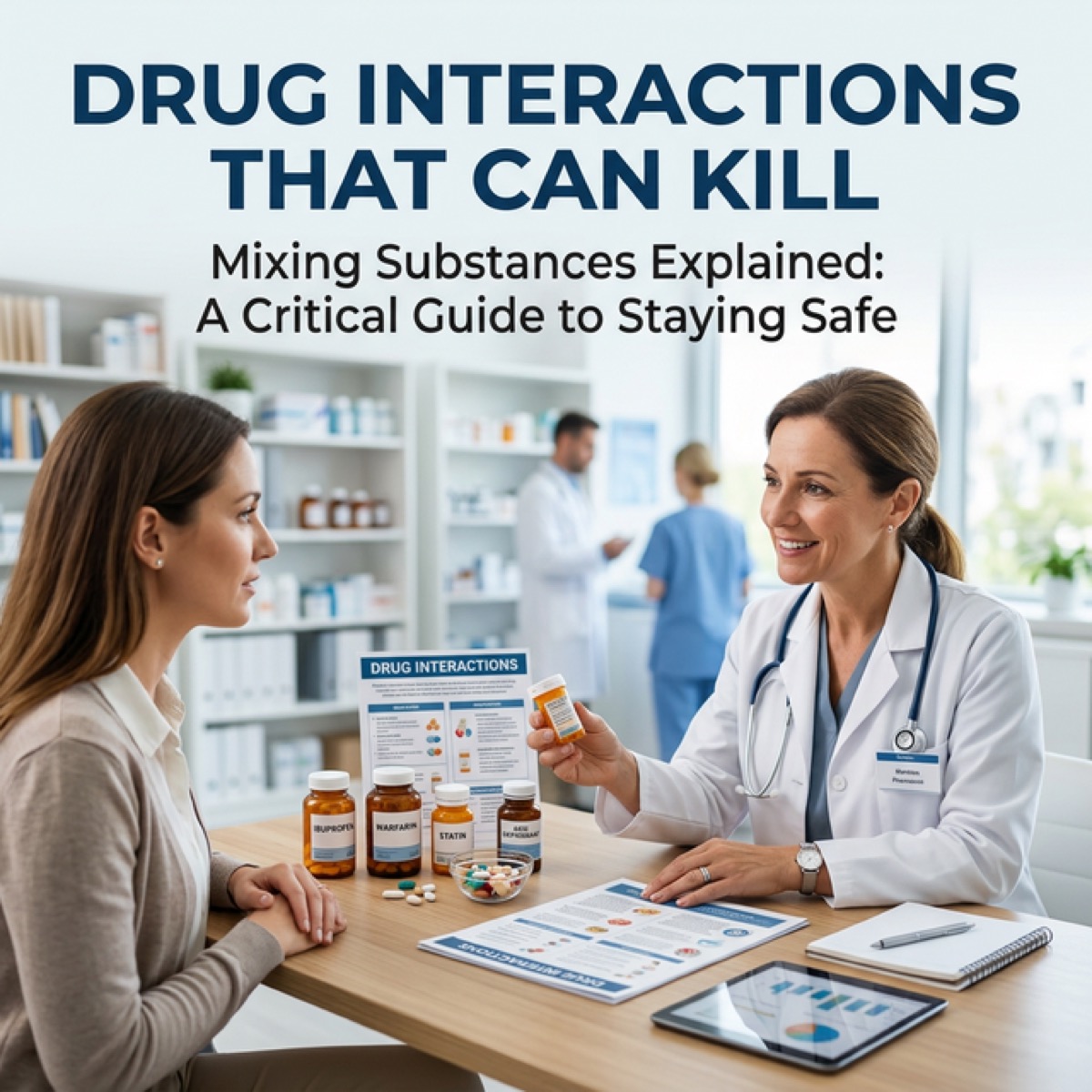
- The majority of fatal drug overdoses involve multiple substances acting synergistically, meaning their combined effect is greater than the sum of their individual effects.
- The single most lethal combination category is CNS depressants used together: opioids plus benzodiazepines, opioids plus alcohol, or all three combined, which produce compounding respiratory depression.
- Serotonin syndrome, caused by combining serotonergic substances such as MDMA with antidepressants or MAOIs, can produce fatal hyperthermia, seizures, and multi-organ failure within hours.
- Stimulant-depressant combinations (speedballing with cocaine and heroin, or mixing Adderall with alcohol) create unpredictable cardiovascular stress and mask signs of life-threatening overdose.
- Even common substances like alcohol, acetaminophen (Tylenol), and over-the-counter cold medications can produce fatal interactions when combined with certain drugs of abuse.
- Polysubstance use disorder requires comprehensive treatment addressing all substances simultaneously rather than one at a time.
Why Mixing Substances Is More Dangerous Than Any Single Drug
The concept of pharmacological synergy is central to understanding why drug combinations are so lethal. When two substances that share a similar mechanism of action are combined, their effects do not simply add together; they multiply. Two CNS depressants taken together do not produce twice the respiratory depression of one; they can produce three, four, or ten times the depression depending on the specific substances and doses involved. This exponential increase in effect is what makes drug combinations far more dangerous than any single substance used alone.
Data from the Centers for Disease Control and Prevention reveals that polysubstance involvement is the rule, not the exception, in fatal overdoses. Among opioid-involved overdose deaths in recent years, over 50 percent also involved at least one other substance, most commonly stimulants, benzodiazepines, or alcohol. Among cocaine-involved deaths, the majority also involved opioids. The "single drug overdose" is becoming increasingly rare as the illicit drug supply becomes more contaminated and polysubstance use becomes more common.
This reality has profound implications for harm reduction, overdose prevention, and addiction treatment. Addressing one substance in isolation while ignoring concurrent use of others provides incomplete protection. Individuals who use multiple substances face multiplicative, not merely additive, risk, and treatment must account for all substances in the pattern to be effective.
Polysubstance overdose is the leading cause of accidental drug death in the United States. If you or someone you know uses more than one substance, the risk of fatal overdose is significantly higher than single-substance use. Seek treatment that addresses all substances in your use pattern.
The Deadliest Combination: Opioids and Benzodiazepines
The combination of opioids and benzodiazepines is responsible for more overdose deaths than any other drug pair. Both substance classes depress the central nervous system, and specifically, both independently suppress the brainstem respiratory center that controls automatic breathing. When combined, their effects on respiratory function are synergistic: the opioid suppresses the respiratory drive through mu-receptor activation while the benzodiazepine enhances GABA-mediated inhibition of respiratory neurons, creating a dual assault on the breathing mechanism.
The FDA issued its strongest warning about this combination in 2016, requiring black box warnings on both opioid and benzodiazepine prescriptions about the risk of combined use. Despite this warning, co-prescribing of opioids and benzodiazepines persists, and the combination remains a leading driver of prescription drug overdose deaths. Research has shown that patients prescribed both opioids and benzodiazepines face a 10-fold increase in overdose risk compared to those prescribed opioids alone.
In the illicit drug market, the combination is equally deadly. Counterfeit Xanax bars containing fentanyl represent a particularly lethal form of this interaction, as the user believes they are taking a benzodiazepine but is actually consuming an opioid. Additionally, individuals who use fentanyl or heroin and also take benzodiazepines, whether prescribed or illicit, face dramatically elevated overdose risk with every use episode.
How This Combination Causes Death
The mechanism of death from opioid-benzodiazepine combination is respiratory arrest. Both substances independently reduce the frequency and depth of breathing. Combined, they can slow respiration to a rate insufficient to maintain blood oxygen levels, leading to hypoxemia, cardiac arrhythmia, and death. The process can be rapid or gradual as the person appears to be sleeping but is actually in respiratory decline.
A critical complication is that naloxone, while effective at reversing opioid-induced respiratory depression, does not reverse benzodiazepine effects. In a combined overdose, administering naloxone may partially restore respiratory function by blocking the opioid component, but the benzodiazepine-mediated respiratory depression persists. This is why naloxone administration must always be accompanied by calling 911, as the person may require additional medical intervention including flumazenil and respiratory support.
- Opioids suppress respiratory drive via mu-receptor activation in the brainstem
- Benzodiazepines suppress respiratory function via GABA-mediated neuronal inhibition
- Combined effect is synergistic: moderate doses of each can be lethal together
- Naloxone reverses opioid component but not benzodiazepine component
- Risk exists with both prescription and illicit forms of both drug classes
- Patients prescribed both face 10-fold increase in overdose risk
Alcohol: The Universal Danger Multiplier
Alcohol is perhaps the most underappreciated drug interaction risk because of its legal status and social normalization. As a CNS depressant acting through GABA-A receptors, alcohol potentiates the effects of virtually every other CNS depressant, including opioids, benzodiazepines, barbiturates, muscle relaxants, sleep medications, and antihistamines. It also interacts dangerously with stimulants, certain antidepressants, and common over-the-counter medications.
The combination of alcohol and opioids is one of the leading causes of polysubstance overdose death. Alcohol enhances opioid-induced respiratory depression through a complementary mechanism: while opioids directly suppress the brainstem respiratory center, alcohol enhances GABAergic inhibition throughout the brain, including the neurons that maintain respiratory tone. Even moderate alcohol consumption can convert a survivable opioid dose into a lethal one.
Alcohol also interacts dangerously with acetaminophen (Tylenol), a common ingredient in combination opioid products like Vicodin and Percocet. Both alcohol and acetaminophen are metabolized by the liver through pathways that produce hepatotoxic intermediates. Chronic alcohol use depletes the liver's glutathione reserves needed to neutralize acetaminophen's toxic metabolite, meaning a safe dose for a non-drinker can cause acute liver failure in someone who drinks regularly.
If you take any prescription medication, always ask your pharmacist or physician about alcohol interactions before drinking. Many common medications carry significant interaction risks with alcohol that are not widely known to the general public.
Common Alcohol-Drug Interactions
The range of medications and substances that interact dangerously with alcohol is broader than most people realize. Beyond the well-known interactions with opioids and benzodiazepines, alcohol compounds the effects of sleep medications (Ambien, Lunesta), muscle relaxants (Soma, Flexeril), many antidepressants, antihistamines (Benadryl), gabapentin, and numerous other prescription and over-the-counter drugs.
Each of these interactions carries specific risks. Alcohol plus Ambien can produce amnesia, complex sleep behaviors, and respiratory depression. Alcohol plus muscle relaxants can produce fatal respiratory and cardiovascular depression. Alcohol plus certain antidepressants can precipitate serotonin syndrome or severe hypotension. The common thread is that alcohol amplifies the sedative, respiratory depressant, and cognitive-impairing effects of virtually everything it is combined with.
- Alcohol + Opioids: synergistic respiratory depression, leading cause of polysubstance death
- Alcohol + Benzodiazepines: compounded CNS depression, amnesia, respiratory failure
- Alcohol + Acetaminophen: hepatotoxicity, acute liver failure risk
- Alcohol + Sleep medications: amnesia, complex sleep behaviors, respiratory depression
- Alcohol + Muscle relaxants: severe CNS and cardiovascular depression
- Alcohol + Gabapentin: enhanced sedation, respiratory depression, impaired coordination
- Alcohol + Antihistamines: extreme drowsiness, impaired judgment, accident risk
Serotonin Syndrome: The Hidden Killer
Serotonin syndrome is a potentially fatal condition caused by excessive serotonergic activity in the central nervous system. It can occur when substances that increase serotonin levels are combined, and it represents one of the most dangerous and least understood drug interactions. The condition ranges from mild (tremor, diarrhea, agitation) to life-threatening (hyperthermia exceeding 106 degrees Fahrenheit, seizures, rhabdomyolysis, and multi-organ failure).
The most dangerous serotonin syndrome scenarios involve combining MDMA (ecstasy, molly) with monoamine oxidase inhibitors (MAOIs), certain antidepressants (SSRIs, SNRIs), tramadol, dextromethorphan (found in cough medications), or other serotonergic agents. MDMA itself causes massive serotonin release, and adding any substance that either increases serotonin release or blocks its reuptake can push levels to toxic thresholds. Several deaths have resulted from individuals taking MDMA while on prescribed antidepressants without understanding the interaction risk.
Tramadol deserves special mention because it is an opioid with significant serotonergic activity. Combining tramadol with SSRIs, SNRIs, MAOIs, or triptans carries serotonin syndrome risk that many prescribers and patients do not adequately appreciate. Similarly, dextromethorphan in over-the-counter cough medications has serotonergic properties that can interact with prescription antidepressants.
Recognizing Serotonin Syndrome
Serotonin syndrome typically develops within minutes to hours of the offending drug combination. The classic triad of symptoms includes neuromuscular hyperactivity (clonus, tremor, hyperreflexia, rigidity), autonomic instability (hyperthermia, tachycardia, diaphoresis, hypertension), and altered mental status (agitation, confusion, delirium). Onset can be rapid and progression to severe symptoms can occur within hours.
Mild serotonin syndrome may resolve with removal of the offending agents and supportive care. However, severe cases require emergency department management including active cooling, benzodiazepines for agitation and seizures, and in extreme cases, cyproheptadine, neuromuscular paralysis, and intensive care admission. Delayed recognition and treatment increases the risk of permanent neurological damage and death.
- Onset within minutes to hours of combining serotonergic substances
- Neuromuscular signs: tremor, clonus, hyperreflexia, muscle rigidity
- Autonomic signs: hyperthermia, rapid heart rate, excessive sweating, dilated pupils
- Mental status changes: agitation, confusion, delirium, seizures
- Temperature above 106 degrees F indicates severe, life-threatening syndrome
- Requires immediate emergency medical care; call 911
Stimulant-Depressant Combinations: The Speedball and Its Variants
The practice of combining stimulants and depressants, most classically cocaine and heroin (the "speedball"), has a long and lethal history. Users combine these opposing pharmacological forces seeking to achieve the euphoria of the stimulant while blunting its anxiety-producing edge with the depressant, and simultaneously combating the sedation of the depressant with stimulant alertness. In theory, this produces a balanced high. In practice, it produces unpredictable cardiovascular stress and a high rate of fatal overdose.
The danger of stimulant-depressant combinations lies in their pharmacokinetic mismatch. Cocaine, for example, has a much shorter duration of action (30 to 60 minutes) than heroin (4 to 6 hours). When the cocaine wears off, the full sedative and respiratory depressant effects of the heroin are unmasked, potentially causing respiratory arrest hours after the initial combined dose. The stimulant's masking effect creates a false sense of how much depressant is on board.
Modern variants of the speedball include combining methamphetamine with fentanyl ("goofball"), cocaine with fentanyl, and prescription stimulants with opioids or benzodiazepines. The principle of danger remains the same: the stimulant masks the depressant effects, leading to higher depressant consumption and delayed recognition of overdose. CDC data shows that combined stimulant-opioid deaths have been rising steadily.
Combining stimulants and depressants does not make either substance safer. The stimulant masks signs of depressant overdose, leading to dangerously high consumption. When the stimulant wears off first, fatal respiratory depression can occur suddenly.
Treatment for Polysubstance Use Disorder
Polysubstance use disorder, the clinical condition characterized by problematic use of multiple substances, requires comprehensive treatment that addresses all substances in the pattern simultaneously. Treating one addiction while ignoring others is a setup for relapse, as the untreated substance use inevitably undermines recovery from the treated one. Effective polysubstance treatment integrates medical management, behavioral therapy, and support services into a cohesive plan.
Medical detox for polysubstance use must account for the withdrawal profiles of all substances involved and potential interactions between withdrawal syndromes. For example, an individual withdrawing from both opioids and alcohol requires management of opioid withdrawal symptoms and simultaneous medical monitoring for potentially life-threatening alcohol withdrawal seizures. The sequencing and management of these overlapping withdrawal syndromes requires experienced clinical judgment.
Trust SoCal's treatment programs in Fountain Valley are specifically designed to address polysubstance use disorder. Our medical team manages complex, multi-substance detoxification protocols, and our clinical team provides integrated therapy that addresses the interconnected patterns driving use of multiple substances. Whether you are using two substances or five, our individualized approach ensures that every aspect of your addiction is addressed. Call (949) 280-8360 to begin the conversation about comprehensive recovery.
If you use more than one substance, be honest about all of them when seeking treatment. Withholding information about some substances while disclosing others prevents your treatment team from providing safe detox management and effective therapy. Complete honesty enables complete care.

Medical Review Board, MD, ABAM
Medical Director & Reviewer