Key Takeaways
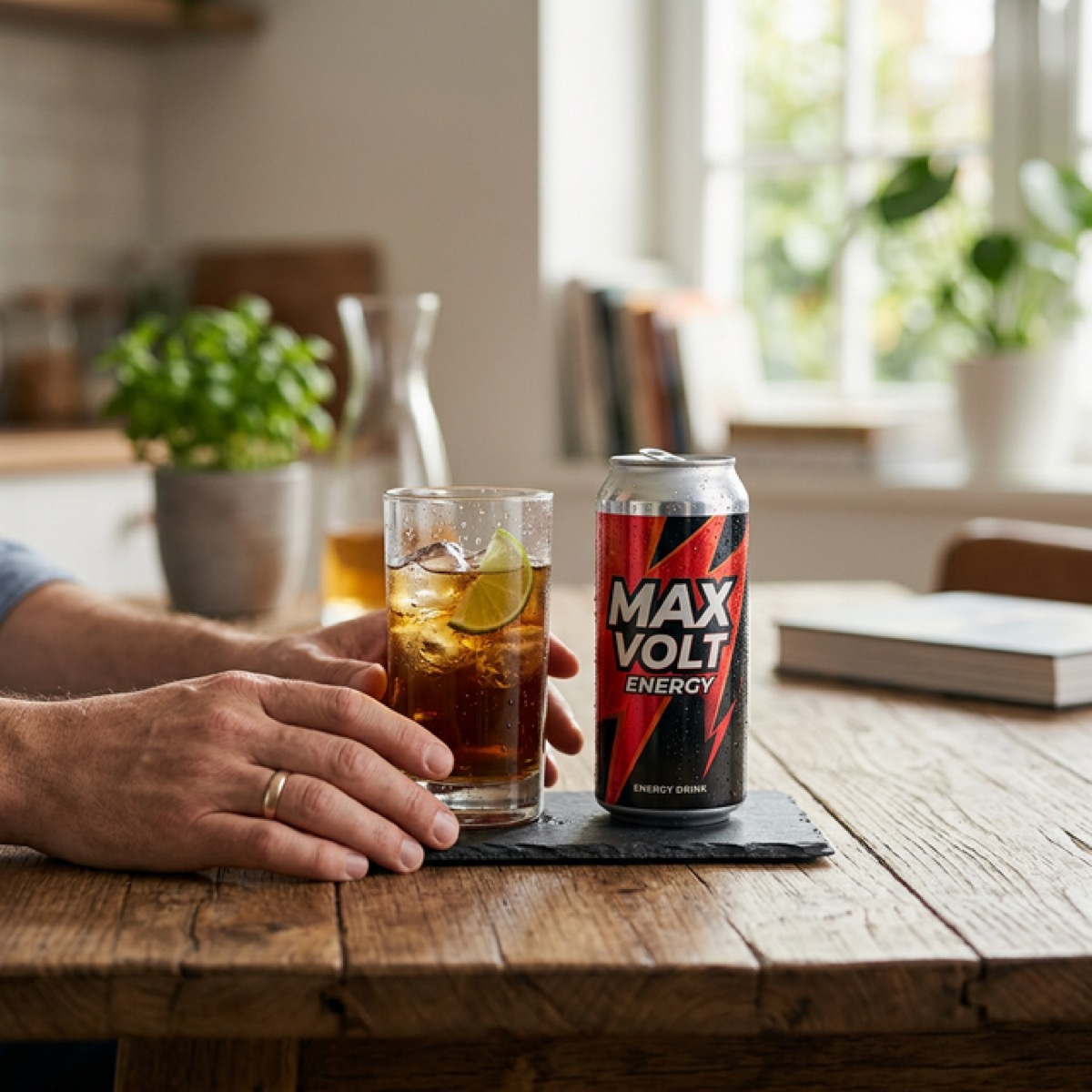
- Mixing alcohol with energy drinks creates a "wide-awake drunk" state where caffeine masks the sedative cues of intoxication, leading individuals to consume significantly more alcohol than they otherwise would.
- Research shows that people who combine alcohol and energy drinks consume 36 percent more alcohol per session and are three times more likely to binge drink compared to those who drink alcohol alone.
- The combination does not reduce actual impairment: blood alcohol concentration, cognitive deficits, and motor impairment remain the same, but the subjective perception of intoxication is diminished.
- Caffeine's diuretic effect compounds alcohol's dehydrating properties, increasing the risk of dangerous dehydration, electrolyte imbalances, and cardiac events.
- Young adults aged 18 to 25 are the demographic most likely to combine alcohol and energy drinks, making college campuses and nightlife scenes particular areas of concern.
- Chronic patterns of high-volume caffeinated alcohol consumption can accelerate the development of alcohol use disorder by normalizing excessive intake levels.
The Pharmacology of Mixing Alcohol and Caffeine
Alcohol and caffeine exert opposing effects on the central nervous system. Alcohol is a central nervous system depressant that progressively impairs cognition, motor coordination, reaction time, and judgment as blood alcohol concentration rises. Caffeine is a central nervous system stimulant that increases alertness, reduces the perception of fatigue, and temporarily enhances reaction time. When consumed together, these opposing pharmacological forces do not cancel each other out. Instead, they create a deceptive internal state in which the person feels more alert and capable than their actual level of impairment warrants.
This phenomenon, often described as the "wide-awake drunk" effect, is the central danger of combining alcohol and energy drinks. The caffeine in energy drinks, typically 80 to 300 mg per can compared to approximately 95 mg in a cup of coffee, masks the sedative cues that normally signal to a drinker that they have consumed too much. The drowsiness, fatigue, and reduced coordination that typically prompt a person to stop drinking are suppressed by caffeine stimulation, allowing continued consumption well past the point of dangerous intoxication.
Critically, research demonstrates that caffeine does not reduce the actual physiological impairment caused by alcohol. Blood alcohol concentration is unaffected by caffeine intake. Cognitive deficits, reaction time slowing, and motor coordination impairment measured objectively are the same whether caffeine is present or not. The person simply feels less impaired than they are, which is arguably more dangerous than feeling appropriately impaired because it eliminates the internal warning system that would otherwise limit consumption.
Caffeine does not "sober you up." It only masks the feeling of being drunk while leaving actual impairment unchanged. A person who has mixed alcohol and energy drinks may feel capable of driving or making decisions when they are objectively as impaired as someone who drank the same amount of alcohol without caffeine.
How Energy Drinks Change Drinking Behavior
The behavioral consequences of combining alcohol and energy drinks have been documented extensively in epidemiological and clinical research. The data consistently shows that the combination leads to significantly higher alcohol consumption, increased frequency of binge drinking episodes, and elevated rates of alcohol-related negative consequences compared to alcohol consumption alone.
A landmark study published in the journal Alcoholism: Clinical and Experimental Research found that individuals who mixed alcohol with energy drinks consumed an average of 36 percent more alcohol per drinking session than those who consumed alcohol without energy drinks. The same study found that the combination group was three times more likely to meet criteria for a binge drinking episode, defined as four or more drinks for women and five or more for men within a two-hour period.
The behavioral explanation is straightforward: energy drinks remove the natural braking mechanism on alcohol consumption. Under normal circumstances, increasing intoxication produces sedation that slows the pace of drinking and eventually causes the person to stop. When caffeine counteracts this sedation, the person maintains the desire and perceived ability to continue drinking. The result is blood alcohol concentrations that can reach dangerous levels before the person recognizes or acknowledges their degree of intoxication.
Risky Behaviors Associated with the Combination
Beyond simply consuming more alcohol, research has identified a cluster of risky behaviors that are significantly more common among individuals who mix alcohol and energy drinks. These behaviors reflect both the higher levels of intoxication achieved and the false sense of alertness and capability that caffeine provides.
Studies have found that individuals who consume caffeinated alcoholic beverages are significantly more likely to drive while intoxicated, ride with an intoxicated driver, engage in unprotected sexual activity, sustain alcohol-related injuries, be involved in physical altercations, and require medical attention for alcohol-related emergencies. These associations persist even after controlling for the quantity of alcohol consumed, suggesting that the caffeine-alcohol combination affects decision-making in ways that extend beyond simple intoxication.
- Two to four times more likely to drive while intoxicated
- Significantly higher rates of sexual assault victimization and perpetration
- Increased frequency of alcohol-related physical injuries
- Greater likelihood of requiring emergency medical care
- Higher rates of alcohol-related legal consequences including DUI arrests
- Increased probability of engaging in unprotected sexual activity
The Role of Marketing and Social Norms
The energy drink industry has historically marketed its products in ways that associate them with nightlife, social confidence, and risk-taking behavior. While direct marketing of premixed caffeinated alcoholic beverages was restricted by the FDA in 2010 when it banned caffeine as an additive in alcoholic beverages, the practice of ordering alcohol mixed with energy drinks at bars or combining them at home remains widespread and socially normalized.
In Southern California nightlife culture, from Orange County beach bars to Hollywood clubs, ordering vodka-Red Bull or similar combinations is commonplace and carries no social stigma. This normalization is particularly concerning because it extends to college campuses and young adult social scenes where binge drinking rates are already elevated. Breaking through this cultural acceptance to communicate the genuine pharmacological dangers of the combination requires persistent, evidence-based public health messaging.
- Energy drink marketing associates products with extreme sports and nightlife
- Premixed caffeinated alcoholic beverages were banned by FDA in 2010
- Hand-mixing at bars and parties replaced banned premixed products immediately
- Social media influencer culture normalizes caffeinated alcohol consumption
- College campuses report widespread acceptance of the combination
Physical Health Risks of the Combination
The combination of alcohol and energy drinks produces specific health risks that exceed those of either substance consumed individually. The cardiovascular system is particularly vulnerable to the opposing pharmacological demands of a depressant and stimulant consumed simultaneously. The heart is being stimulated by caffeine while the vascular system is being dilated by alcohol, creating a physiological tug-of-war that can precipitate arrhythmias, particularly in individuals with undiagnosed cardiac conditions.
Dehydration is another significant concern. Both alcohol and caffeine are diuretics that increase urine production, and their combined effect accelerates fluid loss. High-volume drinking sessions fueled by energy drinks can produce dangerous dehydration, electrolyte imbalances, and subsequent complications including heat stroke (particularly in warm Southern California climates at outdoor events), kidney injury, and exacerbation of the subsequent hangover.
The gastrointestinal effects of the combination are also notable. Energy drinks are highly acidic and contain ingredients such as taurine and guarana that can irritate the stomach lining. Combined with alcohol's own gastric irritant properties, the mixture can cause significant nausea, vomiting, and in some cases, gastrointestinal bleeding. The sugar content of many energy drinks adds caloric load that, combined with alcohol's calories, contributes to weight gain and metabolic disruption with chronic use.
Cardiac Risk
The cardiovascular risk of combining alcohol and energy drinks deserves particular emphasis because cardiac events, while uncommon in absolute terms, can be sudden and fatal. Energy drinks alone have been associated with cardiac arrhythmias, QT interval prolongation, and sudden cardiac events, particularly in young, otherwise healthy individuals. Adding alcohol's effects on cardiac conduction and blood pressure variability compounds these risks.
Emergency departments in Southern California and nationwide have reported cases of young adults presenting with cardiac arrhythmias, chest pain, and palpitations after consuming large quantities of caffeinated alcohol. While most of these events resolve without lasting damage, they represent a warning that the cardiovascular system is under significant stress from the pharmacological combination.
- Caffeine-induced tachycardia combined with alcohol-induced vasodilation
- Increased risk of atrial fibrillation and other arrhythmias
- QT interval prolongation from energy drink ingredients
- Elevated risk in individuals with undiagnosed cardiac conditions
- Cases of sudden cardiac events in otherwise healthy young adults reported
Alcohol Poisoning and the Energy Drink Connection
Alcohol poisoning occurs when blood alcohol concentration reaches levels that suppress vital functions including breathing, heart rate, and the gag reflex. It is a medical emergency that kills approximately 2,200 Americans annually. The connection between energy drinks and alcohol poisoning risk is direct: by masking the subjective signs of intoxication, caffeine allows individuals to consume enough alcohol to reach life-threatening blood alcohol levels without experiencing the warning signals that would normally cause them to stop.
Under normal circumstances, a person drinking alcohol will experience progressive sedation, nausea, and loss of coordination that naturally slows and eventually stops consumption. These unpleasant effects, while uncomfortable, serve a protective function. When caffeine suppresses these warning signs, the person may continue drinking until their blood alcohol concentration reaches 0.30 percent or higher, a level associated with respiratory depression, coma, and death, without ever having felt "that drunk."
If you suspect someone has alcohol poisoning, call 911 immediately. Signs include unconsciousness or inability to be awakened, slow or irregular breathing (fewer than 8 breaths per minute), vomiting while unconscious, pale or blue-tinged skin, low body temperature, and seizures. Do not leave the person alone, do not attempt to make them vomit, and place them on their side to prevent aspiration if they are breathing.
Alcohol poisoning is a medical emergency. If someone is unconscious, vomiting, breathing slowly, or has cold/pale skin after heavy drinking, call 911 immediately. The fact that they consumed energy drinks does not reduce the danger; it means they may have consumed far more alcohol than they realize.
Young Adults and the Caffeinated Alcohol Culture
Epidemiological data consistently identifies young adults aged 18 to 25 as the population most likely to combine alcohol and energy drinks. College students are a particularly high-risk group, with surveys showing that 25 to 49 percent of college drinkers report mixing alcohol with energy drinks. The appeal of the combination aligns with the social demands of college and young adult nightlife: the desire to stay alert, social, and active while consuming alcohol over extended evening and nighttime hours.
In Orange County and throughout Southern California, the intersection of beach culture, nightlife, and a large population of college students and young professionals creates an environment where caffeinated alcohol consumption is deeply embedded in social practices. From Newport Beach bars to San Diego club scenes, the vodka-energy drink combination is a standard order that carries no perceived health warning in the minds of most consumers.
Addressing this pattern requires education that begins before college entry. High school and early college prevention programs should include specific information about the pharmacological interaction between alcohol and caffeine, the false sense of sobriety it creates, and the documented increase in harmful consequences. Parents, educators, and healthcare providers all have roles to play in communicating these risks to young people before harmful patterns become established.
If your alcohol use has escalated, whether or not energy drinks are involved, help is available. Trust SoCal in Fountain Valley offers alcohol use disorder treatment programs designed for adults of all ages, including specialized programming for young adults. Call (949) 280-8360 for a confidential assessment.
When Social Drinking Becomes Alcohol Use Disorder
The pattern of using energy drinks to sustain extended drinking sessions can accelerate the development of alcohol use disorder by normalizing high-volume consumption. When a person regularly drinks 8, 10, or 12 drinks in a session because caffeine prevents them from feeling the need to stop, their brain adapts to these elevated alcohol levels. Tolerance increases, neurological dependence develops, and the progression toward alcohol use disorder accelerates compared to someone whose natural saturation point limits them to lower quantities.
Warning signs that social drinking has crossed into alcohol use disorder include drinking more or longer than intended, unsuccessful attempts to cut back, spending significant time obtaining, using, or recovering from alcohol, experiencing cravings, failing to fulfill obligations due to drinking, continuing to drink despite relationship problems, giving up activities in favor of drinking, drinking in physically dangerous situations, needing more to achieve the same effect, and experiencing withdrawal symptoms when not drinking.
Trust SoCal provides the full continuum of care for alcohol use disorder, from medical detox through residential treatment, partial hospitalization, intensive outpatient programming, and aftercare. Our programs in Fountain Valley serve individuals across Orange County who are ready to address their relationship with alcohol. Whether your drinking escalated through energy drink combinations or through any other pathway, evidence-based treatment can help you reclaim control of your life. Call (949) 280-8360 to begin.
You do not need to hit "rock bottom" to seek help for alcohol use. If you are concerned about your drinking patterns, a confidential assessment can help clarify where you stand and what options are available. Early intervention produces the best outcomes.

Medical Review Board, MD, ABAM
Medical Director & Reviewer