Key Takeaways
- Complex PTSD results from prolonged, repeated trauma and produces emotional dysregulation, identity disturbances, and relational difficulties that significantly elevate addiction risk.
- Unlike single-event PTSD, C-PTSD requires extended treatment that addresses deep-rooted patterns of dissociation, shame, and interpersonal mistrust.
- Substances often serve as the only available coping mechanism for individuals whose chronic trauma began in childhood before healthy coping skills could develop.
- Evidence-based approaches such as EMDR, somatic experiencing, and phase-based trauma therapy are essential components of effective C-PTSD and addiction treatment.
- Trust SoCal provides specialized dual diagnosis programming in Orange County that integrates trauma-focused therapy with comprehensive addiction treatment.
What Is Complex PTSD?
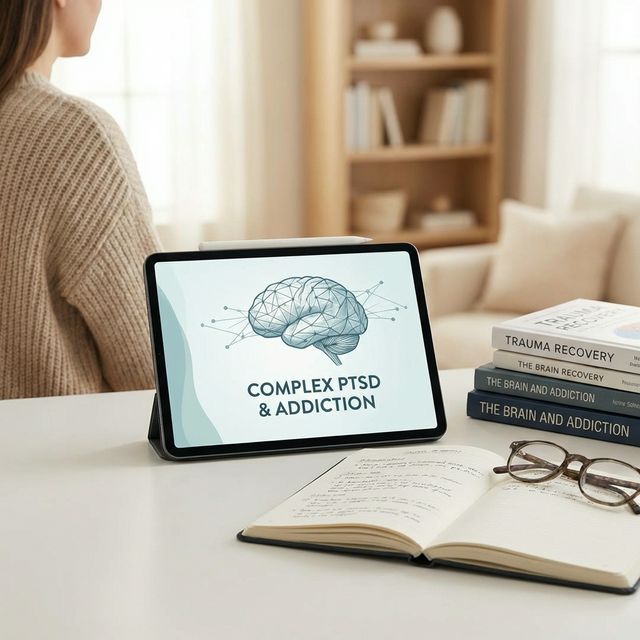
Complex post-traumatic stress disorder, commonly known as C-PTSD or complex PTSD, is a condition that develops in response to prolonged, repeated trauma, particularly when the trauma occurs in childhood or within relationships where escape is difficult or impossible. While traditional PTSD typically results from a single traumatic event such as a car accident or assault, complex PTSD emerges from sustained exposure to abuse, neglect, domestic violence, captivity, or other chronic traumatic experiences.
The distinction between PTSD and C-PTSD is clinically significant because complex trauma reshapes the developing brain and nervous system in ways that single-incident trauma does not. Individuals with C-PTSD experience the hallmark symptoms of traditional PTSD, including flashbacks, hypervigilance, and avoidance, but they also struggle with profound emotional dysregulation, a distorted sense of self, and persistent difficulties in relationships.
At Trust SoCal in Orange County, our clinical team recognizes that complex PTSD requires a specialized treatment approach. The deeply ingrained patterns of coping that develop over years of chronic trauma do not respond to the same brief interventions that may be effective for single-event PTSD, and understanding this distinction is essential for successful dual diagnosis treatment.
The World Health Organization formally recognized Complex PTSD as a distinct diagnosis in the ICD-11, acknowledging that prolonged trauma produces symptoms beyond those captured by traditional PTSD criteria.
How Complex Trauma Drives Addiction
The relationship between complex PTSD and addiction is among the strongest in clinical research. Studies consistently show that individuals who experienced prolonged childhood trauma are four to twelve times more likely to develop substance use disorders compared to those without such histories. This elevated risk is not merely psychological but reflects fundamental changes in brain structure and neurochemistry caused by chronic stress during critical developmental periods.
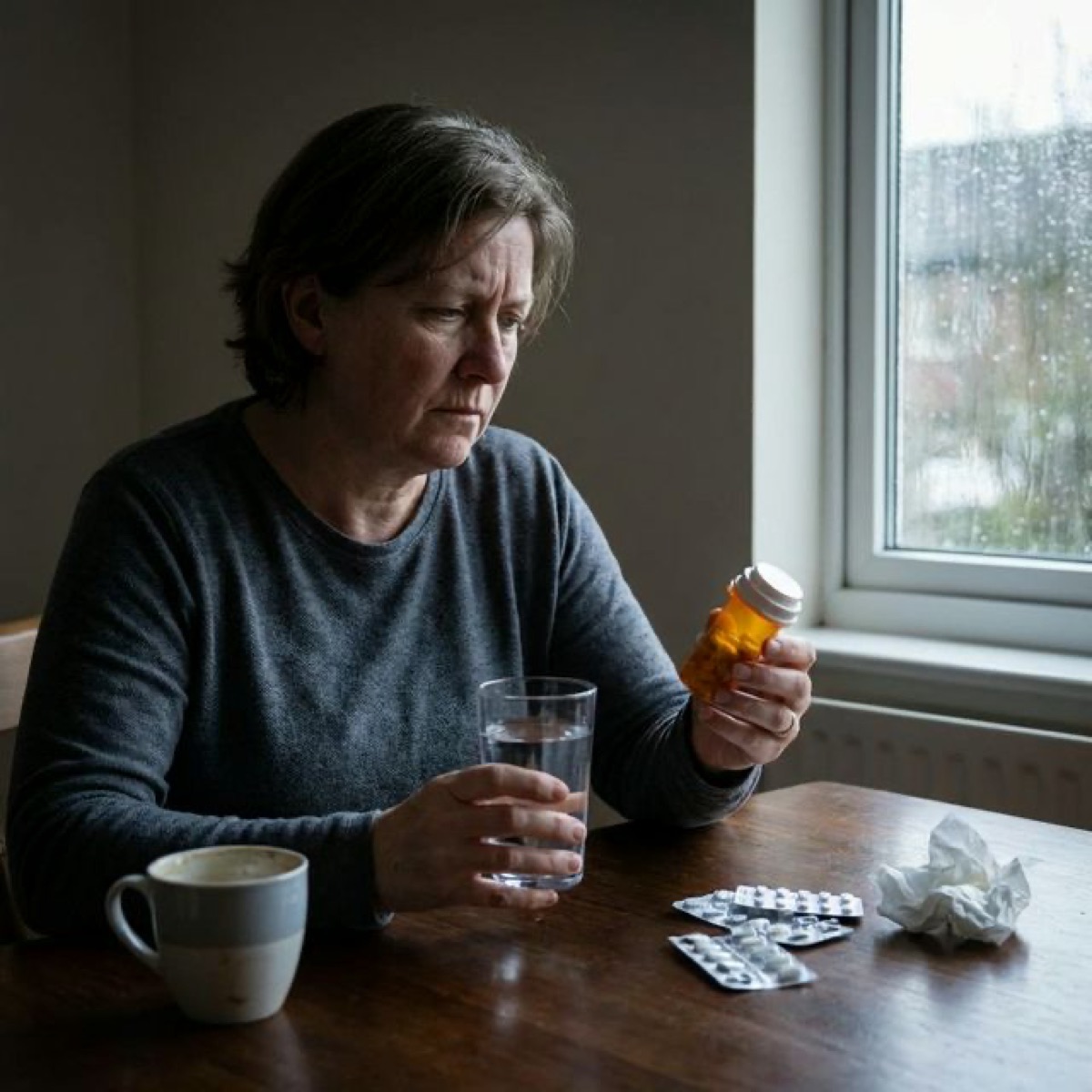
When trauma occurs repeatedly during childhood, the brain adapts by maintaining a state of chronic hyperarousal or dissociation. The stress-response system becomes dysregulated, flooding the body with cortisol and adrenaline at inappropriate times while failing to activate calming mechanisms when they are needed. Substances that dampen this overactive stress response, such as alcohol, opioids, and benzodiazepines, provide the first experience of nervous system regulation that many C-PTSD survivors have ever known.
Emotional Dysregulation and Self-Medication
One of the defining features of complex PTSD is severe difficulty regulating emotions. Individuals may experience intense waves of rage, shame, terror, or despair that feel overwhelming and uncontrollable. Without the emotional regulation skills that develop through safe childhood attachment, substances become the primary tool for managing these intense internal states.
Alcohol may be used to numb emotional pain and quiet racing thoughts. Stimulants may counteract the flatness and disconnection of dissociative states. Opioids may provide the warmth and comfort that was absent from early relationships. Each substance serves a specific emotional function, and understanding this function is critical for effective treatment at facilities like Trust SoCal.
Dissociation and Substance Use
Dissociation is a hallmark symptom of complex PTSD that carries particular implications for addiction. Many C-PTSD survivors learned to mentally disconnect from unbearable experiences as children, and this protective mechanism continues into adulthood. Substances can intensify dissociative states, providing a chemically enhanced version of the disconnection that the brain already uses as a survival strategy.
Conversely, some individuals use substances to manage the distressing experience of dissociation itself, particularly the feelings of unreality, identity confusion, and memory gaps that can accompany dissociative episodes. This creates a complex treatment picture where the substance use and the dissociation must be addressed in careful coordination.
Recognizing Complex PTSD in Addiction Treatment
Identifying complex PTSD in the context of addiction treatment is essential but often challenging. Many individuals with C-PTSD do not recognize their symptoms as trauma-related because chronic trauma, particularly when it began in childhood, shapes what feels normal. A person who grew up in a chaotic, abusive household may not identify their experiences as traumatic because chaos was their baseline reality.
Clinicians at Trust SoCal are trained to recognize the subtle presentations of complex PTSD that may be masked by addiction symptoms. Persistent feelings of emptiness, chronic shame, difficulty trusting treatment providers, patterns of intense but unstable relationships, and a fragmented sense of identity are all indicators that complex trauma may underlie the substance use disorder.
Comprehensive assessment during intake includes screening for adverse childhood experiences, attachment history, and the full range of C-PTSD symptoms. This thorough evaluation ensures that treatment planning addresses the trauma roots of addiction rather than treating substance use in isolation.
- Chronic feelings of emptiness, shame, or worthlessness that predate substance use
- Difficulty maintaining stable relationships or swinging between idealization and devaluation of others
- Persistent sense of being fundamentally different from or damaged compared to other people
- Episodes of dissociation, depersonalization, or feeling disconnected from reality
- Difficulty identifying or articulating emotions beyond broad categories of distress
- History of multiple treatment attempts that addressed addiction but not underlying trauma
Treatment Approaches for C-PTSD and Addiction
Effective treatment for co-occurring complex PTSD and addiction follows a phase-based model that prioritizes safety and stabilization before progressing to active trauma processing. This approach recognizes that individuals with C-PTSD need to develop basic coping skills and establish a foundation of safety before confronting traumatic memories, which could otherwise trigger relapse or psychiatric crisis.
At Trust SoCal in Orange County, our integrated dual diagnosis program combines evidence-based trauma therapies with comprehensive addiction treatment. This means that the same clinical team addressing substance use is also skilled in trauma therapy, eliminating the fragmented care that so often undermines recovery for individuals with complex trauma histories.
Phase-Based Trauma Treatment
The first phase focuses on safety, stabilization, and skill-building. Clients learn grounding techniques, distress tolerance skills, and emotional regulation strategies that replace substance use as the primary coping mechanism. This phase may last weeks or months depending on the severity of symptoms and forms the foundation for all subsequent therapeutic work.
The second phase involves carefully titrated trauma processing using modalities such as EMDR, somatic experiencing, or cognitive processing therapy. This work is paced according to each individual's capacity and is always conducted within the context of a strong therapeutic relationship. The third phase focuses on reconnection, meaning-making, and building a life beyond trauma and addiction.
Building Safety in Recovery
For individuals with complex PTSD, the concept of safety takes on heightened importance in addiction recovery. Many C-PTSD survivors have never experienced genuine safety in their relationships or environments, which means that the treatment setting itself must intentionally create conditions of physical and emotional security that may be entirely new for the client.
Trust SoCal creates this safety through consistent routines, transparent communication, trauma-informed interactions among all staff, and therapeutic relationships built on reliability and respect. When clients experience that their treatment environment is genuinely safe, their nervous systems begin to downregulate from the chronic hyperarousal state that drives both trauma symptoms and substance use.
This felt sense of safety is not merely a nice-to-have in treatment; it is a neurobiological prerequisite for healing. Without it, the brain remains locked in survival mode, making meaningful therapeutic work and sustained sobriety extremely difficult to achieve. Contact Trust SoCal at (949) 280-8360 to learn more about our trauma-informed treatment environment.
Recovery from complex PTSD and addiction is possible. Many individuals who once believed they were beyond help have found healing through specialized dual diagnosis treatment that addresses the full picture of their experience.
Long-Term Recovery Considerations
Recovery from complex PTSD and addiction is typically a longer process than recovery from either condition alone. The deeply ingrained patterns of coping, relating, and self-perception that develop through chronic trauma do not shift quickly, and expecting rapid transformation can set individuals up for discouragement and relapse.
Continuing care after initial treatment is particularly important for this population. Ongoing therapy that maintains trauma-focused work, peer support groups that understand the intersection of trauma and addiction, and psychiatric follow-up for medication management all contribute to sustained recovery. Trust SoCal in Orange County develops comprehensive aftercare plans that address the unique long-term needs of individuals with co-occurring C-PTSD and substance use disorders.
Healing from complex PTSD and addiction is not about returning to a pre-trauma baseline but about building a new foundation of safety, connection, and meaning that may not have existed before. This forward-looking perspective is both realistic and deeply hopeful, acknowledging the severity of complex trauma while affirming the remarkable capacity of the human brain and spirit to heal.

Rachel Handa, Clinical Director
Clinical Director & Therapist