Key Takeaways
- JCAHO or CARF accreditation is the single most reliable indicator of quality in a rehab center.
- Evidence-based treatment approaches such as CBT, DBT, and motivational interviewing produce the best outcomes.
- Staff-to-client ratios and clinician credentials directly impact treatment quality.
- Riverside County residents benefit from expanded options in neighboring Orange County, just a short drive west.
- Insurance verification before admission prevents unexpected financial burdens during treatment.
Why the Right Rehab Center Matters
Choosing a rehab center is one of the most consequential healthcare decisions a person or family will ever make. The quality of treatment during those initial weeks and months of recovery establishes the foundation for everything that follows. A well-run program with experienced clinicians, evidence-based methods, and genuine compassion can transform the trajectory of a life. A poorly managed facility with undertrained staff and cookie-cutter programming can waste precious time, money, and motivation.
Riverside County is home to dozens of licensed treatment facilities ranging from small residential programs to large outpatient clinics. The western portion of the county, centered around the cities of Riverside, Corona, and Moreno Valley, contains the highest concentration of programs. Additional options exist in Temecula, Murrieta, and the desert communities around Palm Springs and Indio. This abundance of choices can feel overwhelming, but understanding what separates quality treatment from mediocre care simplifies the decision considerably.
Many Riverside County residents also discover that expanding their search to include neighboring Orange County opens up access to highly specialized, accredited programs. Facilities like Trust SoCal in Fountain Valley, located just 30 to 50 minutes from western Riverside County via the 91 freeway, offer JCAHO-accredited care that meets the highest national standards for addiction treatment.
Accreditation: The Gold Standard of Quality
Accreditation from the Joint Commission on Accreditation of Healthcare Organizations or the Commission on Accreditation of Rehabilitation Facilities represents the most objective measure of quality in addiction treatment. These independent organizations evaluate facilities against rigorous standards covering patient safety, clinical protocols, staff qualifications, outcomes measurement, and continuous quality improvement.
The accreditation process involves comprehensive on-site surveys conducted by experienced healthcare professionals who examine every aspect of a facility's operations. Programs that achieve accreditation have demonstrated compliance with hundreds of performance standards and have committed to ongoing monitoring and improvement. Only a fraction of treatment facilities nationwide hold JCAHO or CARF accreditation, making it a meaningful differentiator.
When evaluating rehab centers in Riverside County, ask directly whether the facility holds current accreditation and verify independently through the accrediting organization's website. State licensure through the California Department of Health Care Services is a baseline legal requirement, not a marker of quality. Accreditation goes far beyond licensure in ensuring that a program meets the standards of care that produce the best clinical outcomes.
Trust SoCal in Fountain Valley holds JCAHO accreditation, placing it among the top tier of addiction treatment facilities accessible to Riverside County residents. Verify any facility's accreditation status at qualitycheck.org.
Evidence-Based Treatment Approaches
The best rehab centers ground their clinical programming in treatment approaches that have been validated through scientific research. Evidence-based practices are not simply trends or preferences; they are methods that controlled studies have demonstrated to be effective in treating substance use disorders.
Core Therapeutic Modalities
Cognitive behavioral therapy remains the most widely studied and validated psychotherapy for addiction. CBT helps individuals identify the thought patterns and beliefs that drive substance use and develop practical coping strategies for managing triggers, cravings, and high-risk situations. Dialectical behavior therapy, originally developed for borderline personality disorder, has proven particularly effective for individuals with co-occurring emotional regulation difficulties and substance use disorders.
Motivational interviewing is a collaborative approach that helps individuals resolve ambivalence about change and strengthen their internal motivation for recovery. Contingency management uses positive reinforcement to reward abstinence and treatment engagement. Trauma-focused therapies such as EMDR and prolonged exposure address the unresolved trauma that underlies many substance use disorders.
- Cognitive behavioral therapy for identifying and changing addictive thought patterns
- Dialectical behavior therapy for emotional regulation and distress tolerance
- Motivational interviewing for strengthening commitment to change
- EMDR and trauma-focused therapies for addressing underlying trauma
- Family therapy for repairing relationships and building support systems
- Medication-assisted treatment for opioid and alcohol use disorders
Staff Credentials and Ratios
The clinical staff at a rehab center are the people who will guide you or your loved one through the most challenging and transformative period of early recovery. Their qualifications, experience, and personal qualities matter enormously. When evaluating a facility, ask about the credentials of their clinical team, including the medical director, therapists, and nursing staff.
A quality rehab center should have a board-certified addiction medicine physician or psychiatrist as its medical director, licensed therapists with specific training in addiction treatment holding credentials such as LMFT, LCSW, or LPCC, and registered nurses or licensed vocational nurses available around the clock for residential programs. The staff-to-client ratio is equally important; a program with one therapist managing 20 or more clients cannot provide the individualized attention that produces meaningful clinical outcomes.
Beyond credentials, pay attention to staff turnover. High turnover rates often indicate management problems, burnout, or poor working conditions that ultimately affect the quality of care clients receive. Stable, experienced clinical teams develop the cohesion and institutional knowledge that support consistent, high-quality treatment delivery.
Insurance and Financial Considerations
Understanding the financial aspects of rehab is essential for making an informed decision. Most quality rehab centers accept major insurance plans, and the Mental Health Parity and Addiction Equity Act requires insurers to cover substance use treatment at the same level as other medical conditions. However, coverage details vary significantly between plans, and out-of-pocket costs can range from nothing to thousands of dollars depending on your specific policy.
Before committing to a program, complete a thorough insurance verification with the facility's admissions team. A reputable center will contact your insurance company directly, obtain a detailed benefits breakdown, and provide you with a clear estimate of your financial responsibility. Be wary of facilities that are vague about costs or pressure you to admit before the financial picture is clear.
Medi-Cal beneficiaries in Riverside County can access treatment through the Drug Medi-Cal Organized Delivery System administered by the county behavioral health department. This system coordinates care through a network of contracted providers and ensures that low-income residents have access to medically necessary treatment services at all levels of care.
Call Trust SoCal at (949) 280-8360 for a free, confidential insurance verification. Their admissions team will explain your benefits and out-of-pocket costs before you make any commitments.
Questions to Ask Before Choosing a Rehab Center
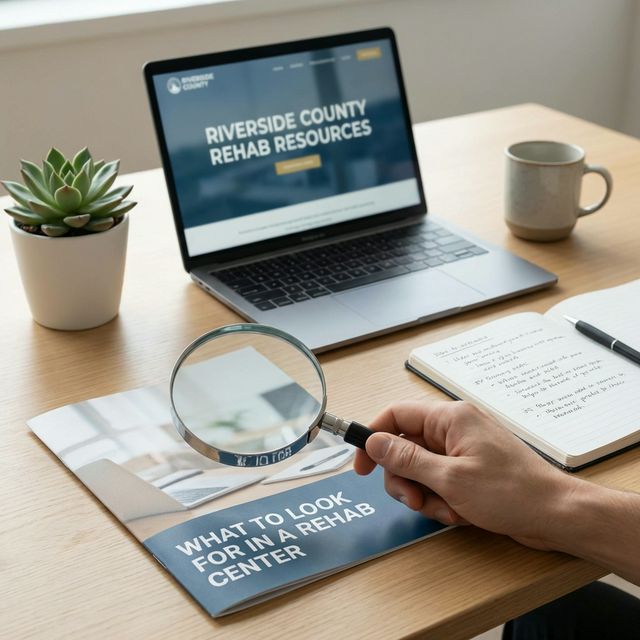
Armed with an understanding of what quality looks like, you can evaluate any rehab center in Riverside County or the surrounding area with confidence. The following questions will help you gather the information you need to make an informed decision that gives you or your loved one the best chance at lasting recovery.
Do not hesitate to ask tough questions. A quality program will welcome your inquiry and provide transparent, detailed answers. Facilities that are evasive, overly salesy, or unwilling to discuss their clinical approach, outcomes, or credentials should be approached with caution.
- 1Is the facility accredited by JCAHO or CARF, and is the accreditation current?
- 2What evidence-based therapies are used in the clinical program?
- 3What are the credentials and experience levels of the clinical staff?
- 4What is the staff-to-client ratio for therapy and medical care?
- 5How is the treatment plan individualized for each client?
- 6What does the typical daily schedule look like?
- 7How are co-occurring mental health conditions assessed and treated?
- 8What aftercare planning and alumni support services are provided?
- 9What insurance plans are accepted, and what will my out-of-pocket costs be?
- 10Can I tour the facility before making a decision?
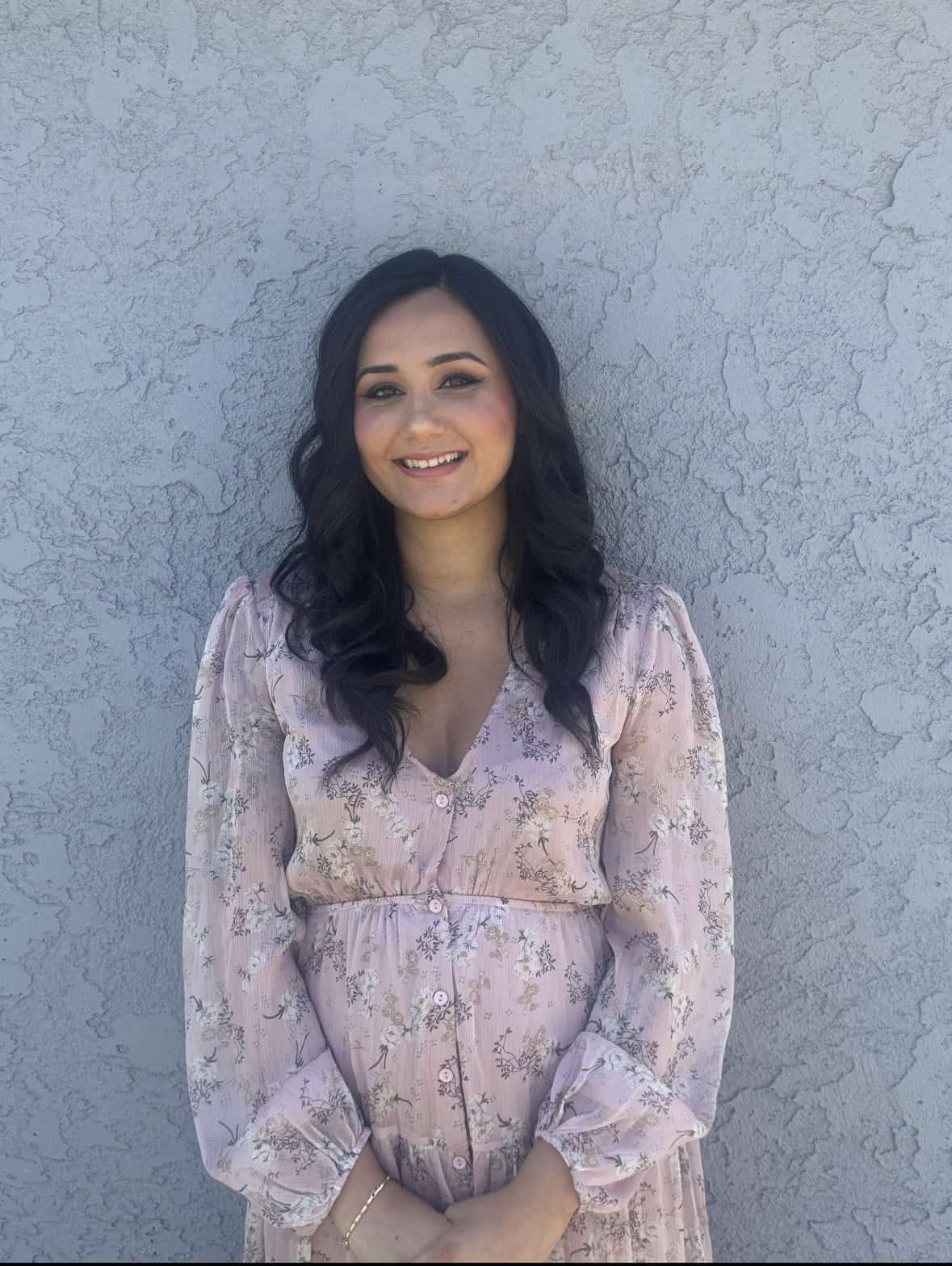
Rachel Handa, Clinical Director
Clinical Director & Therapist