Key Takeaways
- Surf therapy and ocean-based activities produce measurable improvements in mood, anxiety, and self-efficacy during recovery.
- San Diego's 70 miles of coastline provide an ideal setting for nature-integrated addiction treatment.
- Beach-themed programming complements clinical treatment rather than replacing evidence-based therapies.
- Trust SoCal in nearby Fountain Valley combines clinical excellence with proximity to Orange County beaches.
Beach-Themed Recovery Programs in San Diego
Beach-themed recovery programs in San Diego harness the therapeutic power of the Pacific Ocean and seventy miles of coastline to enhance traditional addiction treatment. The growing field of ecotherapy, which integrates natural environments into clinical programming, has found a natural home in San Diego where sunshine, ocean breezes, and coastal landscapes provide a backdrop that supports physical, emotional, and spiritual healing.
These programs do not replace evidence-based clinical treatment but rather complement it. Individuals still engage in cognitive behavioral therapy, group counseling, and medication management while also participating in surf therapy sessions, beach meditation, ocean swimming, and other coastal activities designed to promote mindfulness, physical fitness, and emotional regulation.
The appeal of beach-themed recovery extends beyond recreation. Research in environmental psychology demonstrates that exposure to natural water environments, known as blue spaces, reduces cortisol levels, lowers blood pressure, and activates the parasympathetic nervous system in ways that directly support the neurological recovery process during early sobriety.
The Science Behind Ocean-Based Therapy
The therapeutic benefits of ocean environments are supported by a growing body of scientific research. Studies published in journals including Health and Place and Environment International have found that proximity to coastal environments is associated with improved mental health outcomes, reduced stress biomarkers, and increased physical activity levels.
For individuals in addiction recovery, these benefits are particularly significant. The neurological damage caused by chronic substance use includes disrupted stress response systems, impaired emotional regulation, and diminished capacity for natural pleasure. Ocean-based therapeutic activities help restore these systems by providing intense sensory experiences that stimulate natural endorphin and dopamine production without the use of substances.
Surf Therapy Research and Outcomes
Surf therapy has emerged as an evidence-based intervention with published research supporting its effectiveness for PTSD, depression, anxiety, and substance use disorders. The International Surf Therapy Organization has established practice guidelines and outcome measures, bringing scientific rigor to what might otherwise be dismissed as recreational activity.
Participants in surf therapy programs report significant improvements in self-confidence, emotional regulation, social connection, and willingness to engage in treatment. The combination of physical challenge, immersion in nature, and the requirement for present-moment focus makes surfing a uniquely powerful therapeutic tool for individuals learning to live without substances.
Mindfulness and the Ocean Environment
Ocean environments naturally facilitate the mindfulness states that are central to many addiction recovery practices. The rhythmic sound of waves, the visual expanse of the horizon, and the sensory experience of sand and salt water draw attention to the present moment in ways that formal meditation practices often struggle to achieve, particularly for individuals new to mindfulness.
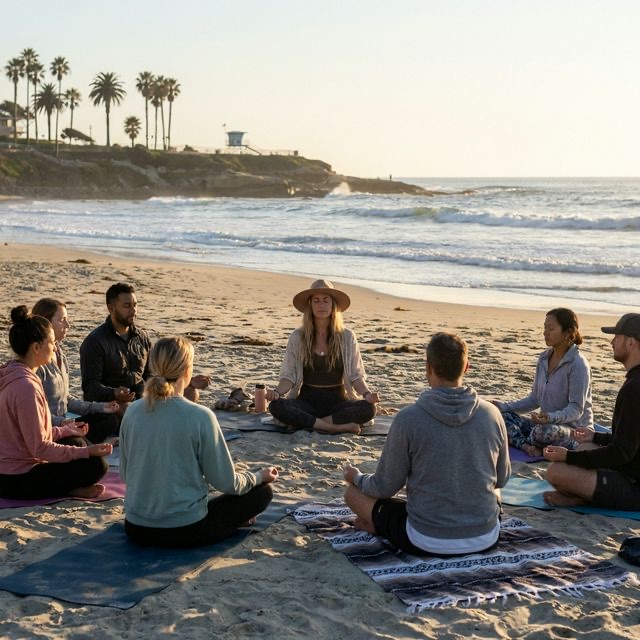
Beach-based mindfulness programming in San Diego includes guided meditation sessions on the sand, walking meditations along the shoreline, and body-scan exercises accompanied by the natural soundtrack of the ocean. These practices build mindfulness skills in an accessible, enjoyable format that participants are more likely to continue independently after treatment.
Types of Beach-Themed Programs Available
San Diego's beach-themed recovery programming spans the full continuum of care from residential treatment through aftercare. Some residential facilities in coastal areas like Pacific Beach and Encinitas incorporate daily beach activities into their therapeutic schedules, while outpatient programs may include weekly surf sessions or beach yoga as supplementary programming.
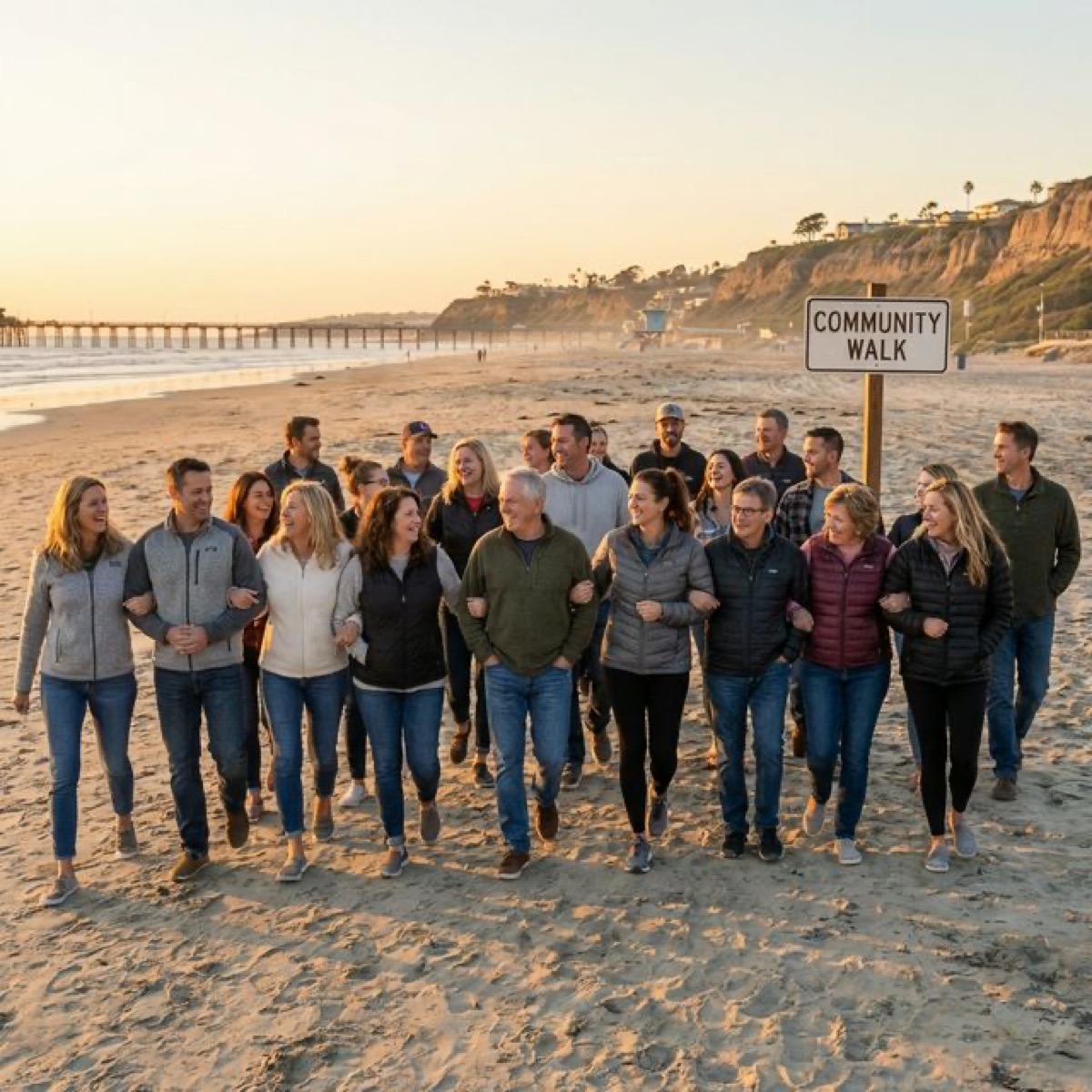
Sober living homes along the San Diego coastline often organize group beach activities including sunrise meditation, surf lessons, beach volleyball, and paddleboarding. These activities serve dual purposes: building physical fitness that supports neurological recovery while creating sober social bonds that replace the substance-centered relationships individuals are leaving behind.
- Surf therapy programs with certified instructors and clinical oversight
- Beach yoga and meditation sessions incorporating mindfulness-based relapse prevention
- Ocean swimming and paddleboard fitness groups
- Coastal hiking groups exploring trails at Torrey Pines and Sunset Cliffs
- Beach bonfire recovery meetings and sober social gatherings
- Marine biology and environmental stewardship volunteer programs
In the water, you cannot think about your problems. The ocean demands your full attention. That forced presence became the first time in years I felt anything without a substance.
— San Diego surf therapy participant
San Diego Beaches Popular for Recovery Programming
Oceanside's wide, accessible beaches and proximity to Camp Pendleton make it a hub for veteran-focused surf therapy programs. The Oceanside Pier area provides reliable waves suitable for all skill levels and a welcoming community of surfers who embrace recovery-oriented groups sharing the lineup.
La Jolla Shores offers calm, protected waters ideal for beginners learning to surf or paddleboard. The natural beauty of the La Jolla coastline, including the sea caves and marine reserve, provides an inspiring backdrop for guided meditation and reflective journaling exercises that many beach-themed programs incorporate.
Pacific Beach and Mission Beach attract younger adults in recovery with their energetic atmosphere and abundant sober social opportunities. The boardwalk provides miles of flat terrain for running and cycling, while Belmont Park and the surrounding area host sober events throughout the year that draw participants from across the recovery community.
Integrating Beach Therapy with Clinical Treatment
The most effective beach-themed recovery programs integrate outdoor activities within a comprehensive clinical framework. This means that surf therapy sessions are processed in subsequent therapy groups, beach meditation experiences inform individual counseling discussions, and physical activities are prescribed based on clinical assessment rather than offered purely as recreation.
Clinical integration ensures that the emotional and psychological experiences generated by ocean-based activities are harnessed for therapeutic benefit. A powerful surf session might surface feelings of vulnerability, accomplishment, or grief that become material for deeper clinical work. Without this integration, beach activities remain enjoyable but miss their full therapeutic potential.
Trust SoCal in Fountain Valley, Orange County, combines rigorous clinical programming with proximity to Huntington Beach and other coastal recreation areas. This approach ensures that beach-themed wellness activities supplement rather than substitute for the evidence-based therapies that form the foundation of effective addiction treatment.
When evaluating beach-themed programs, ask how outdoor activities are integrated into the clinical treatment plan. Programs that treat beach activities as therapy rather than recreation produce better outcomes.
Safety Considerations for Ocean-Based Recovery Activities
Ocean safety is a critical consideration for any beach-themed recovery program. Individuals in early recovery may have compromised physical fitness, reduced coordination, and impaired judgment that increase the risks associated with ocean activities. Responsible programs employ certified lifeguards or water safety instructors and conduct fitness assessments before initiating surf therapy or ocean swimming.
Physical Health and Fitness Precautions
Sun exposure, dehydration, and physical exertion require careful management, particularly for individuals recently completing medical detox whose bodies are still recovering from the physiological effects of substance use. Programs should provide adequate hydration, sun protection, and rest periods while monitoring participants for signs of overexertion.
A thorough medical clearance and physical fitness assessment should precede any ocean-based activity. Participants with cardiac conditions, seizure history, or severe physical deconditioning may need modified activities such as beach walking or shoreline meditation until their fitness improves sufficiently for water-based programming.
Emotional Safety and Trauma Awareness
Ocean activities can evoke powerful emotional responses that require clinical processing. Feelings of fear, vulnerability, exhilaration, or grief may surface unexpectedly during surf therapy or ocean immersion. Trained clinical staff should be present during activities and available immediately afterward to support participants who experience emotional activation.
Trauma-informed approaches to beach programming recognize that water can be triggering for some individuals. Programs should screen for water-related trauma history and offer alternative land-based activities without stigma for participants who are not ready for ocean immersion.
Finding the Right Beach-Themed Program
If you are drawn to beach-themed recovery programming, prioritize clinical quality over amenities. A program with licensed therapists, evidence-based core treatment, and thoughtfully integrated beach activities will produce better outcomes than a facility that markets beach access as its primary differentiator without substantial clinical depth.
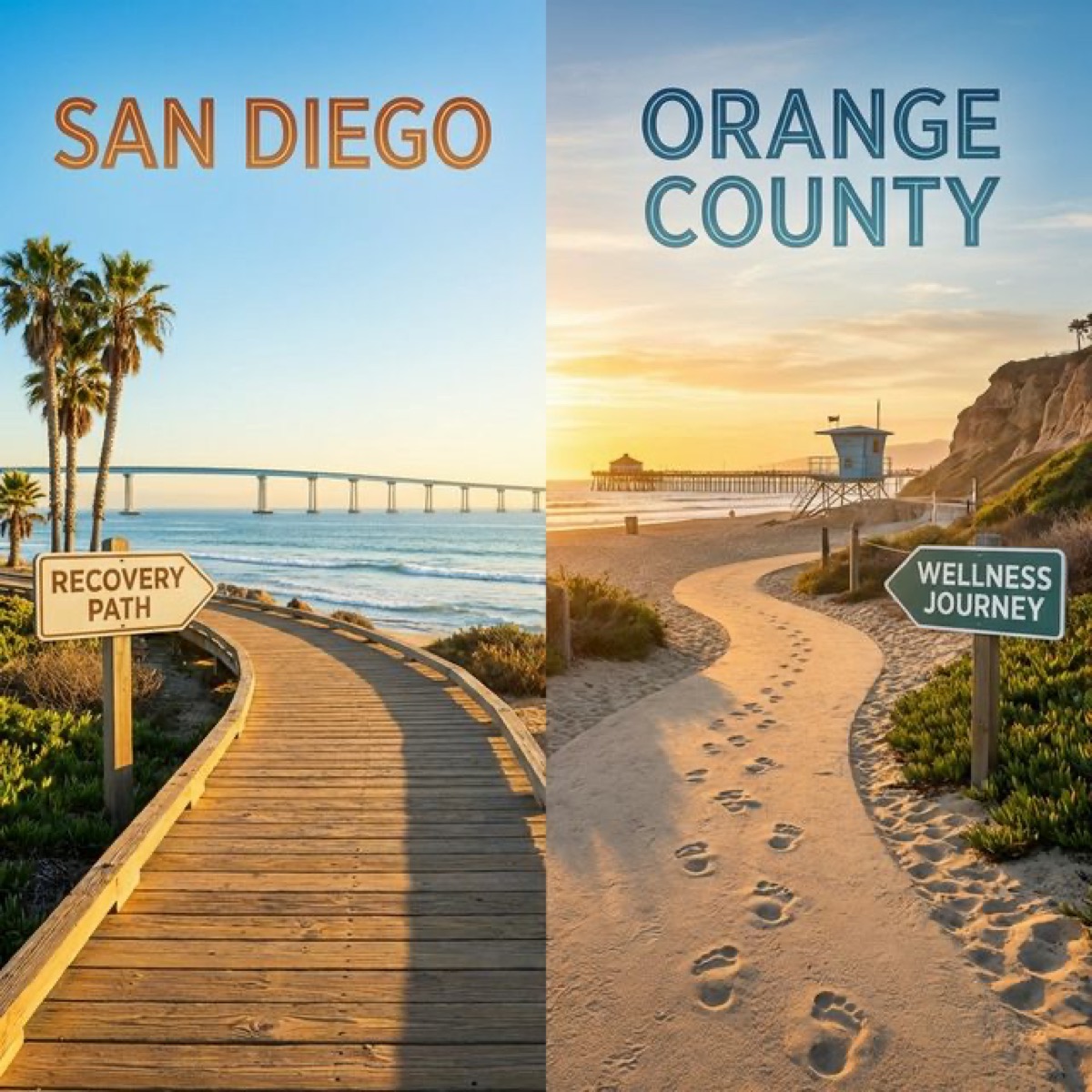
San Diego and Orange County both offer excellent options for individuals seeking coastal recovery experiences. Trust SoCal can help you evaluate whether a local San Diego beach-themed program or the comprehensive treatment available at its Fountain Valley facility best meets your clinical needs while honoring your desire for a recovery experience connected to the ocean.

Courtney Rolle, CMHC
Clinical Mental Health Counselor