Key Takeaways
- Art and music therapy access emotional processing pathways that verbal therapy alone cannot reach.
- Creative therapies reduce cortisol, increase dopamine, and activate the parasympathetic nervous system.
- No artistic talent or musical ability is required. The therapeutic value lies in the process, not the product.
- Research supports art and music therapy as effective adjuncts to evidence-based addiction treatment.
- Creative expression provides a lifelong coping tool that clients carry with them long after treatment ends.
Why Art and Music Therapy Work in Addiction Treatment
Art and music therapy in addiction treatment address what words often cannot. Addiction involves deep layers of shame, trauma, grief, and emotional pain that many people struggle to articulate verbally. Creative therapies provide alternative channels for expression that bypass the analytical mind and access the emotional core directly.
These are not recreational activities or diversions. Art therapy and music therapy are clinical disciplines practiced by credentialed professionals with specialized training in both their creative modality and mental health treatment. They follow structured therapeutic frameworks with measurable outcomes.
At Trust SoCal in Southern California, creative therapies are integrated into our comprehensive treatment programming. Clients discover that painting, drawing, drumming, or songwriting can unlock emotional breakthroughs that months of talk therapy had not yet reached.
The Neuroscience of Creative Expression and Healing
Creative activity engages the brain in uniquely therapeutic ways. Making art or music activates multiple brain regions simultaneously, including motor cortex, visual processing centers, emotional centers, and the prefrontal cortex. This widespread activation promotes neural integration, which is disrupted by both addiction and trauma.
Research using functional MRI scans shows that making music increases connectivity between the left and right hemispheres of the brain. This bilateral integration helps process traumatic memories that are stored in fragmented, non-verbal form and reintegrate them into a coherent narrative.
Dopamine, Flow States, and Natural Reward
Engaging in creative work triggers dopamine release through what psychologist Mihaly Csikszentmihalyi called flow, a state of absorbed concentration where time seems to disappear. This flow state provides a natural, healthy source of the reward that substances artificially produced.
For people in early recovery whose dopamine systems are depleted, creative activities offer accessible moments of pleasure and satisfaction. Unlike substance-induced dopamine spikes, the reward from creative work does not produce a crash or craving cycle. It builds sustainable neural pathways for healthy pleasure.
Processing Trauma Without Words
Traumatic memories are often stored in the brain as sensory fragments: images, sounds, body sensations, and emotions rather than as verbal narratives. This is why many trauma survivors struggle to talk about their experiences. The memories exist below the level of language.
Art and music provide a non-verbal bridge to these memories. A client may paint an image that captures a feeling they could never describe in words, or a musical improvisation may evoke an emotional release that verbal processing had not achieved. The creative product then becomes a starting point for therapeutic conversation.
Art washes away from the soul the dust of everyday life. For those in recovery, it also washes away layers of pain that words alone cannot reach.
— Adapted from Pablo Picasso
Art Therapy in Addiction Recovery
Art therapy uses visual art-making within a therapeutic relationship to improve physical, mental, and emotional well-being. Board-certified art therapists guide clients through structured and open-ended creative exercises designed to address specific treatment goals.
The emphasis is always on the process of creating rather than the quality of the finished product. Artistic skill is entirely irrelevant. What matters is the emotional experience of engaging with materials, making choices, tolerating uncertainty, and expressing inner states externally.
Common Art Therapy Techniques
Mask-making is a powerful exercise where clients decorate the outside of a mask to represent how they present to the world and the inside to represent their true feelings. This exploration of the gap between public persona and private experience often produces profound therapeutic insights.
Collage work using magazine images allows clients to externalize goals, values, fears, and hopes without requiring drawing skill. Creating a vision board of recovery or an emotional landscape helps organize complex internal states into tangible form.
- Free drawing or painting to express current emotional states
- Clay work for processing anger, grief, or frustration through tactile engagement
- Body mapping to identify where emotions and cravings are held physically
- Timeline drawing to visualize the journey of addiction and recovery
- Group murals to practice collaboration, communication, and shared purpose
Art Therapy for Shame and Self-Image
Shame is one of the most corrosive emotions in addiction and one of the hardest to address verbally. Many people cannot speak about their shame without reinforcing it. Art therapy provides a container for shame that allows it to be externalized, examined, and gradually transformed.
Self-portrait exercises, before-and-after drawings, and symbolic representations of the recovering self all help clients develop a new visual vocabulary for identity. Seeing positive self-representations on paper can shift internal narratives in ways that affirmations and talk therapy sometimes cannot.
Music Therapy in Addiction Recovery
Music therapy uses music-based interventions within a clinical framework to address physical, emotional, cognitive, and social needs. Board-certified music therapists may incorporate listening, playing instruments, songwriting, improvisation, and lyric analysis into treatment sessions.
Music has unique access to emotion and memory. A song can instantly transport someone to a specific moment in time, evoking the full sensory and emotional experience. Music therapists harness this power therapeutically, helping clients process memories, regulate emotions, and develop healthy coping skills.
Drumming Circles and Group Rhythm
Group drumming is one of the most widely used music therapy techniques in addiction treatment. Drumming requires no musical experience, produces immediate results, and creates a powerful sense of community. Research shows that drumming reduces cortisol, increases natural killer cell activity in the immune system, and produces a deep sense of relaxation.
The group aspect is particularly valuable. Synchronizing rhythms with others requires listening, cooperation, and presence. These are relational skills that addiction often erodes. Many clients at our Orange County facility describe drumming circles as unexpectedly emotional and connecting experiences.
Songwriting and Lyric Analysis
Writing original songs or analyzing existing lyrics provides a structured pathway for emotional expression. Clients may write about their recovery journey, their hopes for the future, or their experience with addiction. The creative constraint of fitting words to melody and rhythm helps organize complex emotions into communicable form.
Lyric analysis involves listening to songs selected by the therapist or client and discussing how the lyrics relate to personal experience. Music often says what individuals cannot say themselves, and using an artist's words as a starting point can open conversations that feel too vulnerable to initiate directly.
Receptive Music Therapy and Relaxation
Listening to music in a structured therapeutic context is called receptive music therapy. The therapist selects music to match or gradually shift the client's emotional state, a technique called the iso principle. Starting with music that mirrors current distress and slowly transitioning to calmer selections guides the listener toward emotional regulation.
Guided imagery with music combines deep relaxation with music listening and therapist-led visualization. This powerful technique can access unconscious material, process grief, and create positive future imagery. It is especially effective for clients who resist more direct therapeutic approaches.
Creative Therapy and Co-Occurring Mental Health Conditions
Many people in addiction treatment also struggle with depression, anxiety, PTSD, or other mental health conditions. Creative therapies are uniquely suited to dual-diagnosis treatment because they simultaneously address emotional, cognitive, and somatic dimensions of these co-occurring disorders.
For clients with PTSD, art and music therapy provide trauma processing pathways that do not require verbal recounting of traumatic events, which can be retraumatizing for some individuals. The creative medium acts as a buffer that makes the traumatic material more approachable.
Depression often manifests as emotional numbness and loss of interest in activities. Creative engagement can reignite the capacity for pleasure and self-expression even before antidepressant medications reach full effectiveness. The tangible output of creative work also provides concrete evidence of personal agency and capability.
The American Art Therapy Association reports that art therapy is effective for reducing symptoms of trauma, depression, and anxiety. When combined with traditional addiction treatment approaches, creative therapies improve engagement, retention, and overall treatment outcomes.
What to Expect in a Creative Therapy Session
A typical art or music therapy session lasts 60 to 90 minutes and follows a structure that includes a warm-up, the main creative activity, and a processing period. The therapist provides materials and guidance but does not dictate what clients should create.
Sessions may be individual or group-based. Group creative therapy sessions offer the added benefits of peer connection, shared vulnerability, and the experience of witnessing and being witnessed in creative expression. Many clients report that group sessions reduce feelings of isolation and shame.
It is completely normal to feel self-conscious, resistant, or skeptical at first. These reactions are acknowledged and respected. Most clients who initially resist creative therapy become enthusiastic participants within a few sessions once they experience its emotional impact firsthand.
- 1Arrive with an open mind. Artistic skill is not relevant to the therapeutic outcome.
- 2Follow the therapist's guidance while allowing yourself to explore freely.
- 3Notice emotions that arise during the creative process without judging them.
- 4Share as much or as little about your creation as feels comfortable.
- 5Reflect on the experience afterward, either in journaling or with your primary therapist.
Continuing Creative Practice After Treatment
One of the greatest gifts of art and music therapy is that the skills transfer seamlessly into daily life after treatment. Unlike some therapeutic techniques that require a clinical setting, creative expression can happen anywhere with minimal resources.
Keep art supplies accessible at home. A sketchbook, colored pencils, or a set of watercolors provides an immediate outlet when emotions run high or cravings surface. Playing an instrument, singing, or listening to a curated playlist can shift emotional states within minutes.
Southern California offers a vibrant creative community with open mic nights, community art studios, drumming circles, and gallery shows. Engaging with these communities provides social connection, ongoing creative development, and a sense of belonging that reinforces recovery. Many Trust SoCal alumni continue creative practices years after completing treatment.
Start a recovery art journal. Combine visual art with writing by sketching, painting, or collaging alongside journal entries. This multimodal approach engages more brain regions and provides a rich record of your emotional journey through recovery.
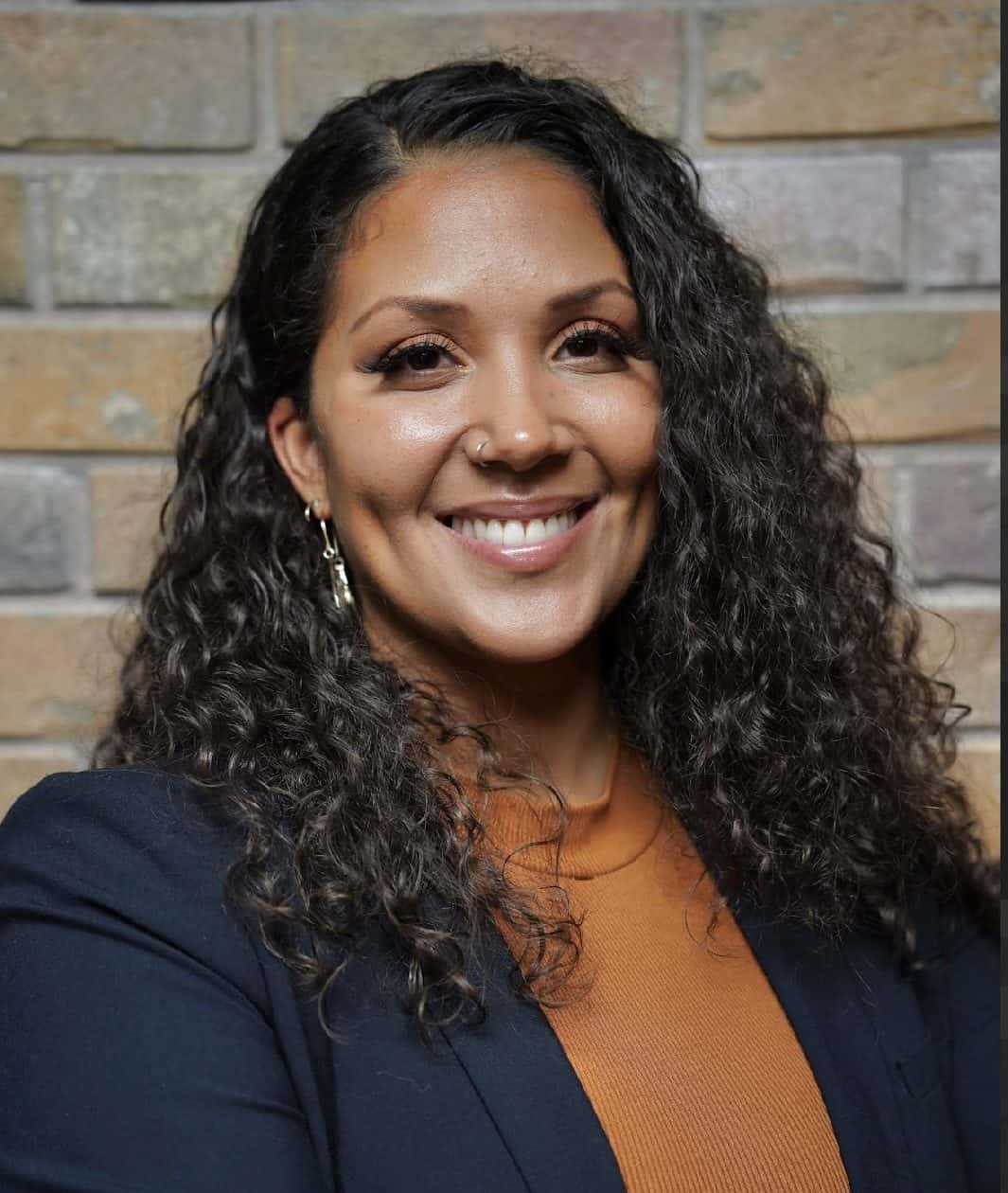
Courtney Rolle, CMHC
Clinical Mental Health Counselor